What the Ø89 Rubber Disc Idler Is
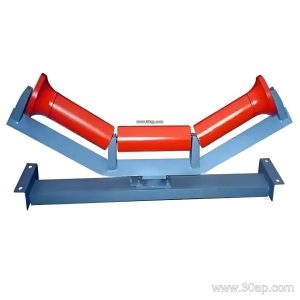
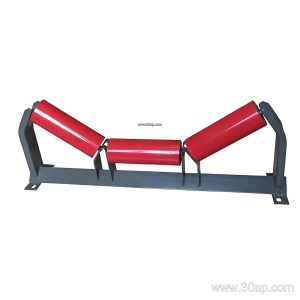
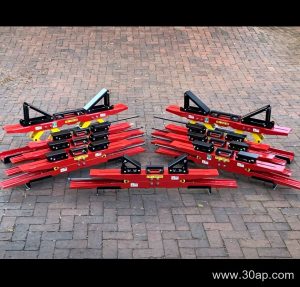
The Ø89 Rubber Disc Idler is a roller assembly built around a 89 mm outer diameter shell, fitted with a series of rubber discs that form a flexible, cushioning surface for the conveyor belt. It is most often used as a rubber disc impact idler at transfer points and loading stations, where falling material would otherwise hammer a standard steel roller. The rubber rings absorb shock, reduce belt damage, and help the belt track more smoothly under heavy bulk loads. In many plants this component is simply called a rubber ring impact roller, but it remains the same product: a Ø89 rubber disc idler with a defined disc pattern and bearing arrangement.
Because the disc surface is resilient, the roller also tolerates a certain amount of material spillage and fines without seizing as quickly as a plain steel Roller. This makes it a practical choice in dusty, abrasive circuits such as quarry conveyor lines, cement plant clinker handling, and power plant coal conveying.
How the Roller Is Built
The typical construction starts with a steel tube body, usually with a wall thickness selected for the duty, and a shaft that runs through sealed bearing housings at both ends. Rubber discs are pressed or bonded onto the shell in a spaced pattern, leaving gaps that allow the belt to flex slightly between rings. The end caps and seals are the parts that decide service life in wet or gritty conditions, so buyers should look at the seal type rather than only the rubber hardness.
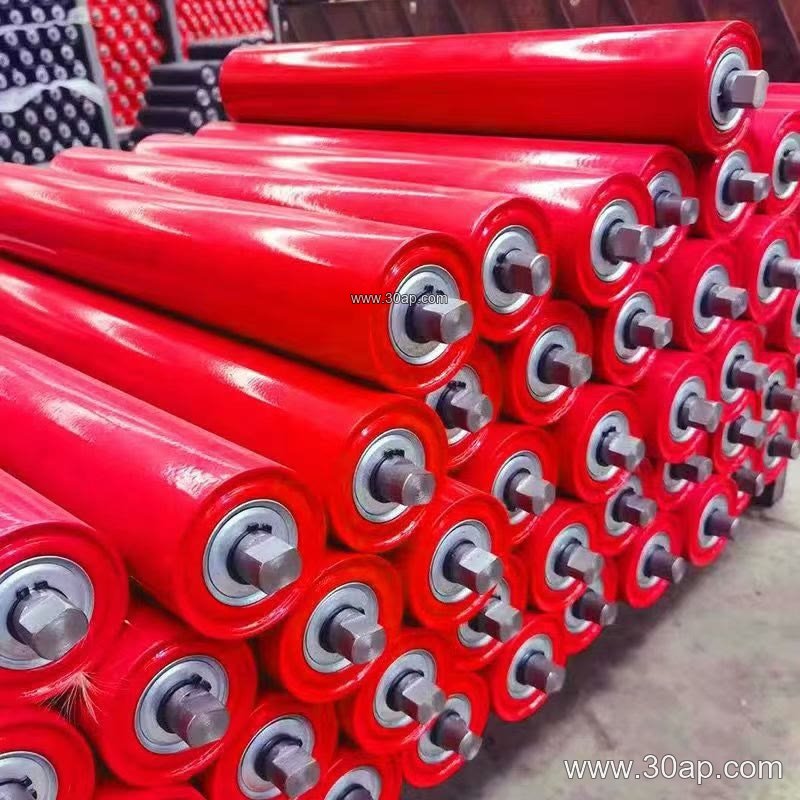
Common bearing sizes used in this diameter class include 6204, 6205, 6305, and 6306, though the final choice depends on load and shaft design. Disc hardness, disc thickness, and the number of rings per roller are usually specified by the manufacturer according to the impact energy expected at the loading point.
Where It Fits on the Conveyor
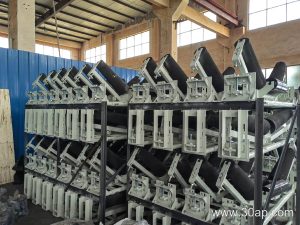
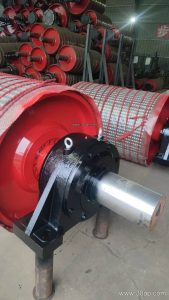
The Ø89 rubber disc idler usually sits in the impact section directly below the chute or hopper, mounted on a conveyor bracket or frame in a troughing or flat arrangement. It is not a substitute for a drive pulley, tail pulley, or bend pulley; those are separate components that transmit and redirect belt tension. Nor does it replace a standard carrying idler along the full length of the line. Its job is local: soften the load, protect the belt carcass, and keep the belt supported during the moment of impact.
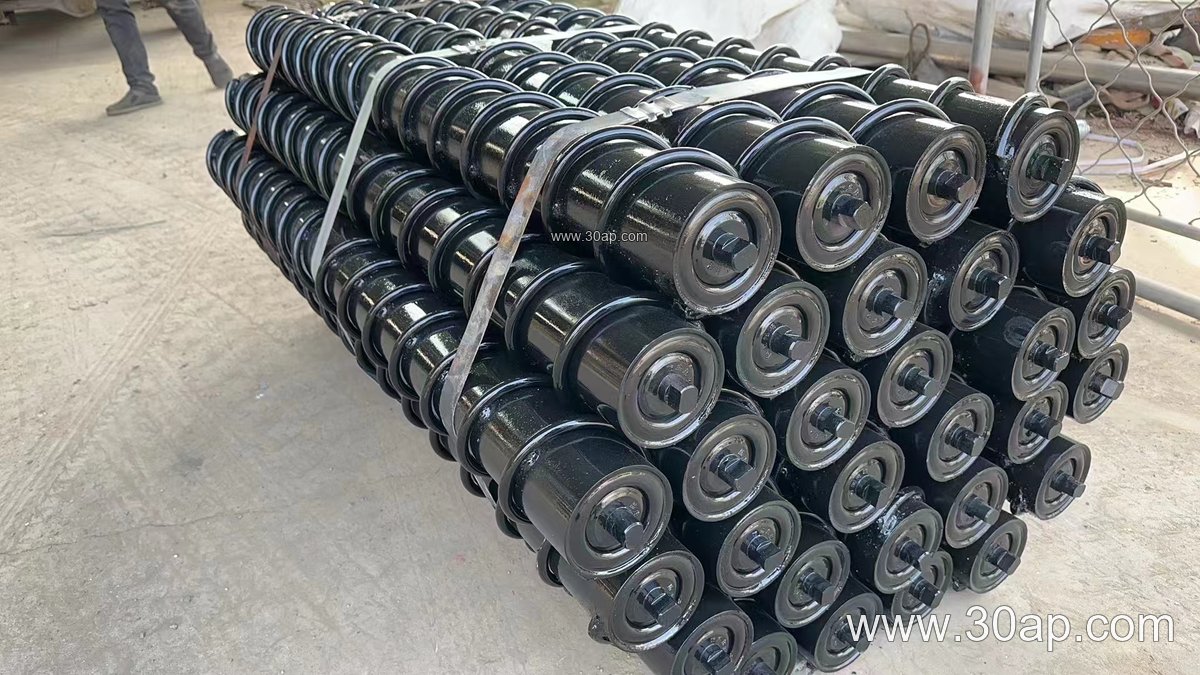
In a limestone quarry, a set of these rollers under the primary crusher discharge can reduce belt edge damage caused by large lumps. In a coal preparation plant, the same roller type helps on belts carrying run-of-mine coal with mixed lump sizes. Users of EP Conveyor Belt and Steel Cord Conveyor Belt often pair impact rollers with a sturdy belt construction, because the belt and the roller share the impact duty.
Size Reference and Matching
The table below gives common reference values for this diameter class. These are examples, not fixed combinations, and the final roller length should follow the belt width, trough angle, and idler arrangement.
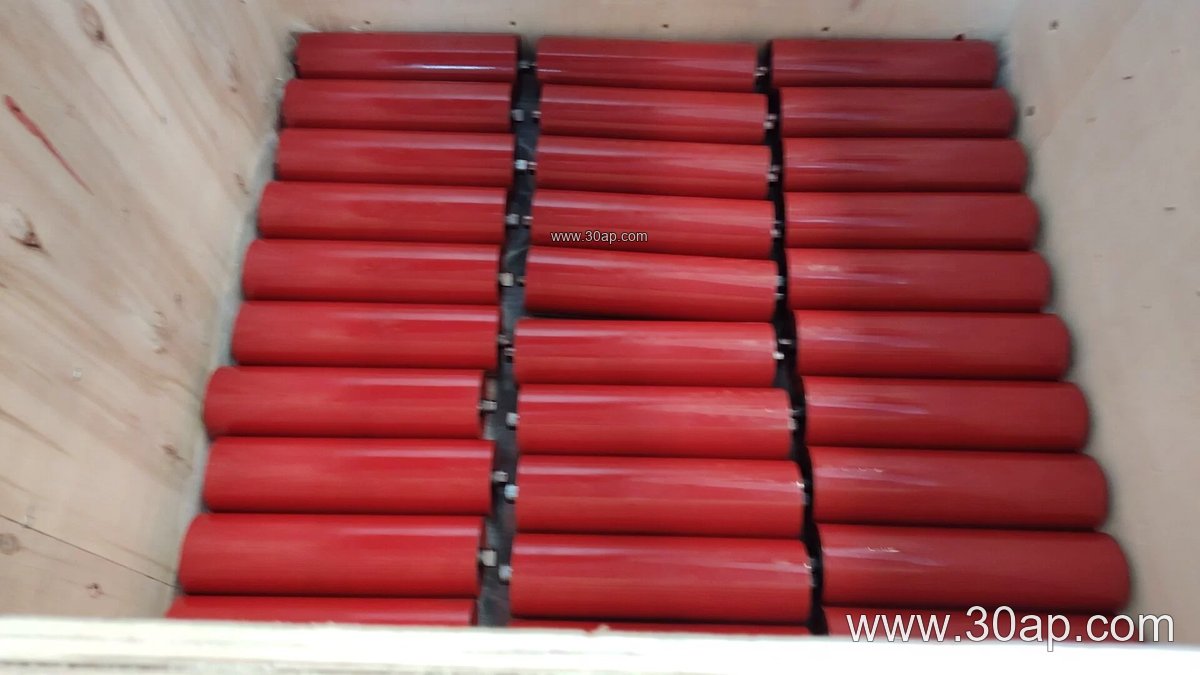
- Roller diameter: Ø89 mm
- Common belt widths in this class: B500, B650, B800, B1000, B1200
- Typical roller length examples for three-roll troughing: about 200 mm at B500, 250 mm at B650, 315 mm at B800, 380 mm at B1000, 465 mm at B1200
- Trough angles commonly used: 20, 30, 35, and 45 degrees
- Bearing options: 6204, 6205, 6305, 6306, 6308
- Surface form: rubber disc or rubber ring on a steel shell
Do not assume that one belt width locks the plant into one pulley diameter or one shaft size. Belt width, roller length, shaft diameter, and bearing selection are separate design decisions. A buyer should confirm the mounting dimensions, the frame spacing, and the actual load at the impact point before ordering.
Selection and Maintenance Notes
Choose the disc hardness and ring spacing according to the drop height and lump size. A transfer point handling large rock needs more cushioning than a fine aggregate line. Check that the roller turns freely by hand before installation, and confirm that the seals suit the local dust and moisture level. During service, watch for flat spots, loose rings, and belt misalignment around the impact zone; replacing a worn disc roller early is cheaper than repairing a damaged belt.
For abrasive duties such as iron ore or copper ore handling, an Abrasion Resistant Conveyor Belt combined with well-sealed impact rollers gives a more balanced system. In cold climates, a Cold Resistant Conveyor Belt may be used alongside rubber disc rollers that keep flexibility at low temperature. Where fire safety matters, a Flame Retardant Conveyor Belt is often specified for underground coal mining conveyor lines, and the roller seals should match the same environment.
For general inquiries about this roller type and related conveyor components, buyers can review the product range at www.example.com/Ø89-rubber-disc-idler and compare it with standard carrying idlers, return rollers, and conveyor pulleys before finalizing a specification.