What a Custom Idler Is and Where It Fits
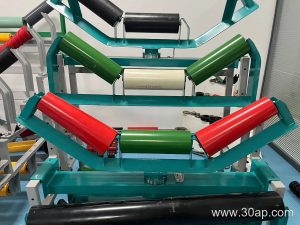
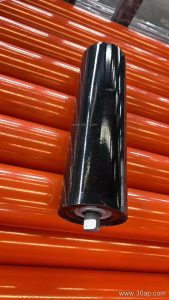
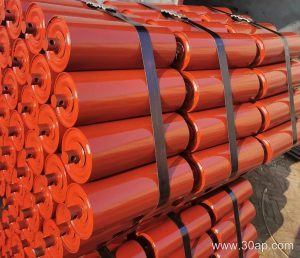
A custom idler is a carrying or return roller built to match a specific conveyor layout rather than a catalog standard. On a quarry conveyor or a cement plant transfer line, the distance between frames, the belt width, the trough angle, and the material load often make an off-the-shelf roller a poor fit. A made-to-order idler closes that gap. The same product is also called a bespoke idler roller or a tailor-made conveyor idler, and those names describe one item, not a family of different components.
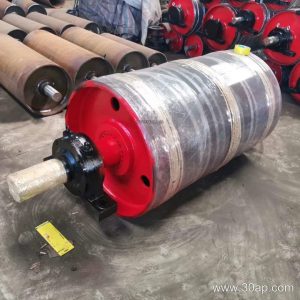
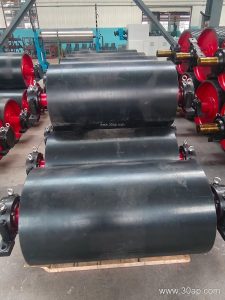
It is worth separating this from other rotating parts on the machine. A drive pulley, a tail pulley, and a bend pulley transmit or redirect belt tension and are not idler rollers. They are mentioned here only to mark the boundary: an idler supports the belt and the load, while a pulley drives or turns it.
How the Roller Is Built
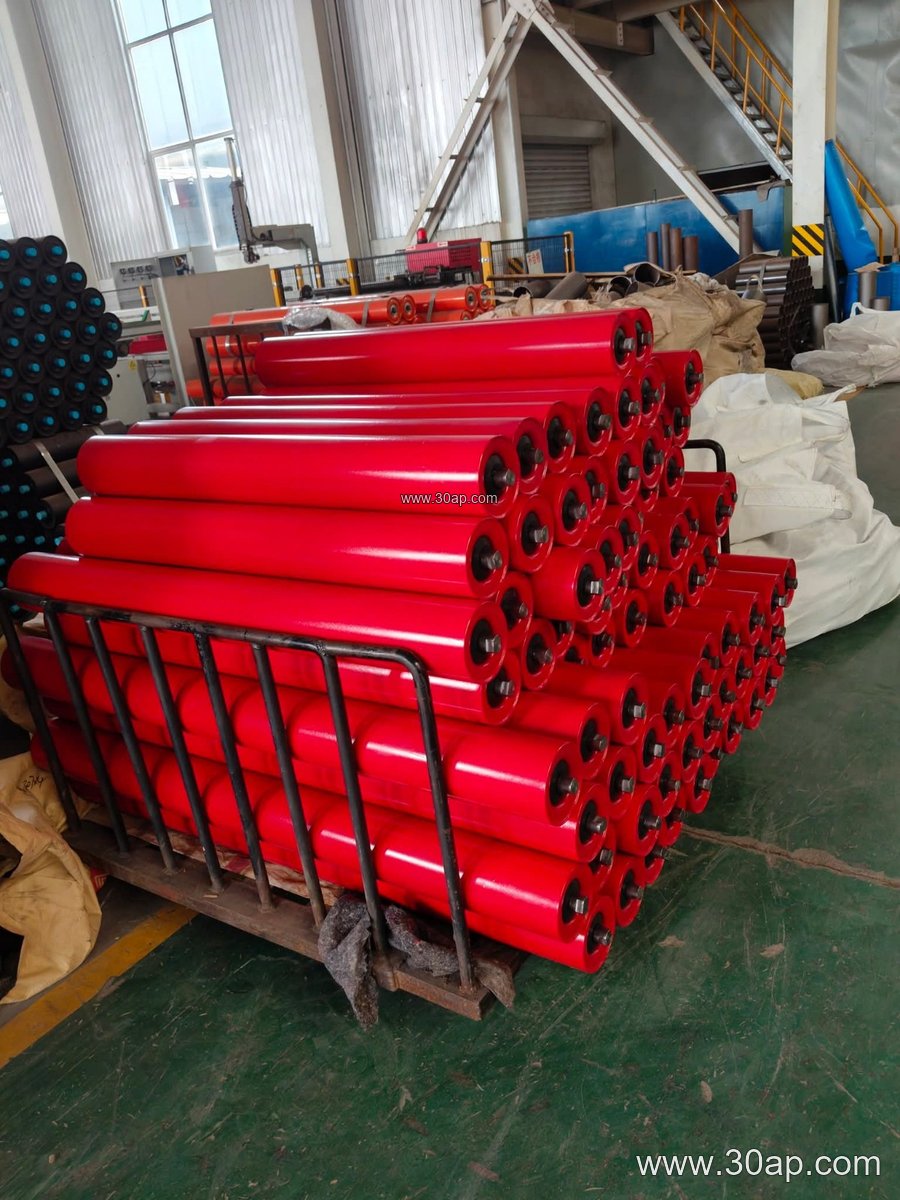
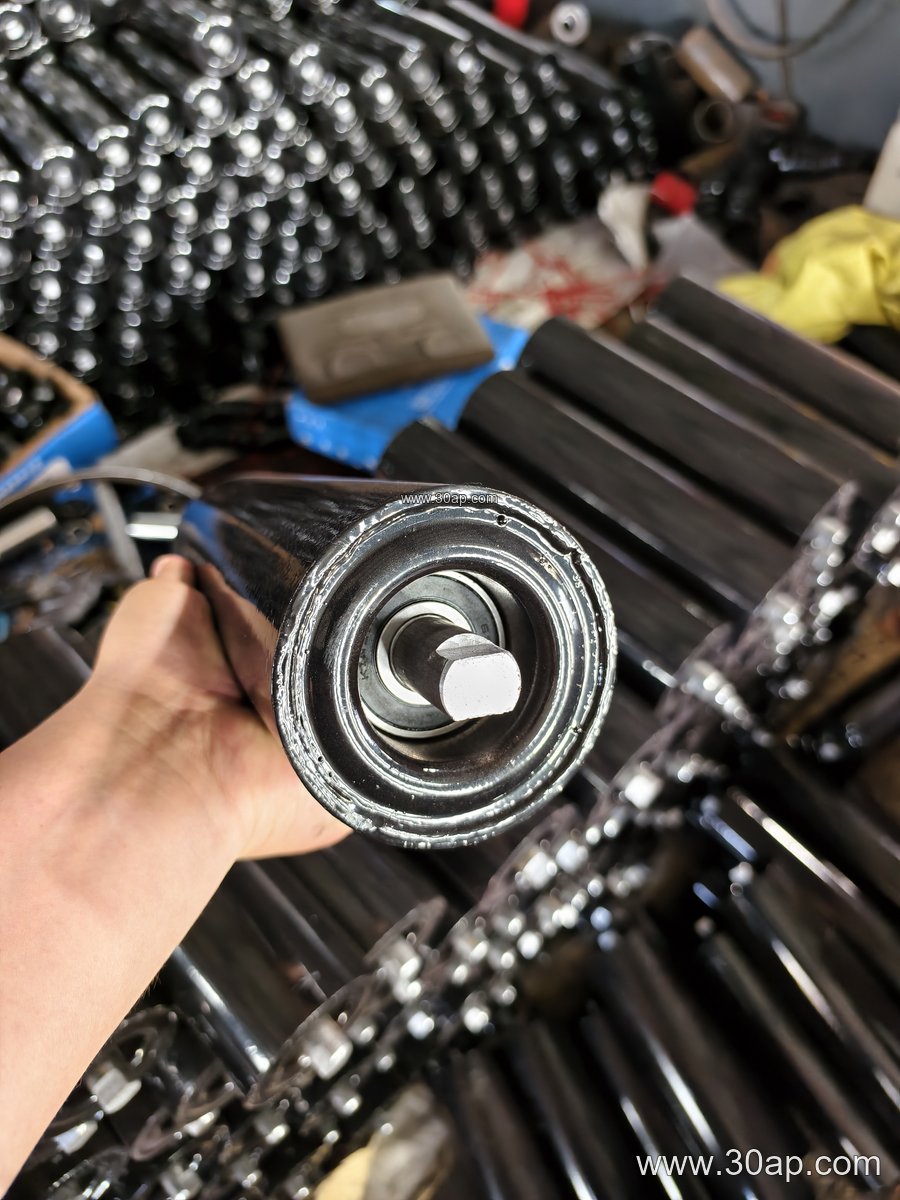
The body is usually a steel tube with machined ends, fitted with bearing housings, a shaft, and a sealing arrangement. Roll face options include plain steel, nylon, ceramic, and rubber rings. Rubber rings are common on impact zones below a crusher, while ceramic or nylon faces can suit sticky or abrasive cargo. Bearings such as 6204, 6205, 6305, 6306, 6308, and 6310 appear across the range; the bearing is chosen with the load and speed in mind, not by roller diameter alone.
Sealing matters as much as the tube. Dust from a lime kiln or fine ore from a screening plant will destroy an unsealed bearing quickly, so labyrinth seals and grease retention are part of the specification. When a conveyor runs a rubber conveyor belt or an abrasion resistant conveyor belt through a wet, gritty area, the seal design often decides service life more than the wall thickness of the tube.
Common Forms and Dimensions
The table below gathers typical reference values. They are examples for discussion, not fixed rules, and actual figures follow the conveyor design.
| Item | Common Reference Range |
|---|---|
| Roller diameter | Ø63, Ø76, Ø89, Ø102, Ø108, Ø127, Ø133, Ø159, Ø178, Ø194, Ø219 mm |
| Belt width | B400, B500, B650, B800, B1000, B1200, B1400, B1600, B1800, B2000, B2200, B2400 |
| Trough angle | 20°, 30°, 35°, 45° |
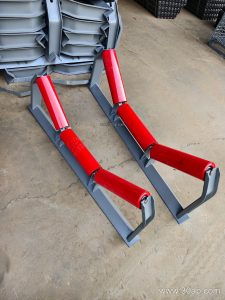
| Idler set | single roll, two-roll, three-roll troughing |
| Roll face | steel tube, nylon, ceramic, rubber ring |
Roll length changes with belt width, trough angle, and set type. For a three-roll troughing set, a common middle roll might be about 200 mm at B500, 315 mm at B800, 465 mm at B1200, and 600 mm at B1600. Side rolls can differ from the middle roll, and no single belt width locks in one roller diameter or one shaft size.
Where Custom Rollers Earn Their Place
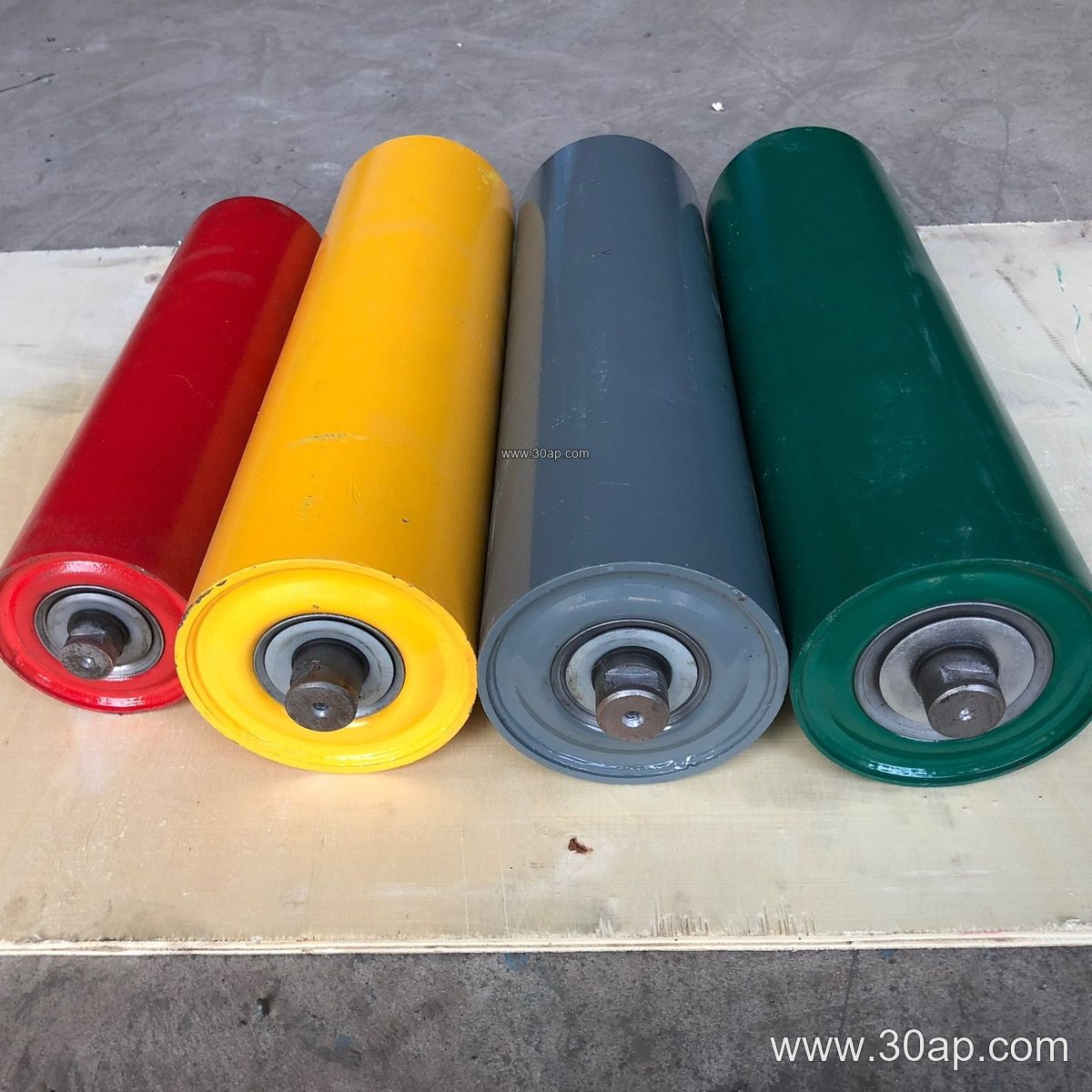
Two settings show the value clearly. In a coal washing plant, a troughing idler may need a flame retardant conveyor belt running above it and a sealed bearing that survives wash-down spray. In an iron ore terminal, a heavy-duty mining conveyor belt carrying lump ore punishes the impact zone, so rubber-ring impact idlers and reinforced frames are specified together. A pipe conveyor belt or a corrugated sidewall conveyor belt may need narrower or specially positioned rollers to keep the belt trained.
Other parts of the line still matter. The conveyor bracket geometry sets the mounting height, and the conveyor pulley at the head end sets the belt path, so a custom roller is designed as part of the whole frame rather than in isolation.
What a Buyer Should Confirm
- Belt width and trough angle, plus whether the set is single, two-roll, or three-roll.
- Roller diameter, shaft ends, and mounting dimensions that match the existing conveyor bracket.
- Bearing size and seal type for the dust and moisture level on site.
- Roll face material, especially in impact or sticky-material zones.
- Whether the roller must work with a specific belt, such as an EP conveyor belt or a steel cord conveyor belt, at a given speed and load.
Ordering a custom idler is mostly a matter of matching dimensions and duty. Send the frame drawing, belt width, trough angle, and site conditions, and the roller can be built to suit the line instead of forcing the line to suit the roller.