What the EP800 Conveyor Belt Is
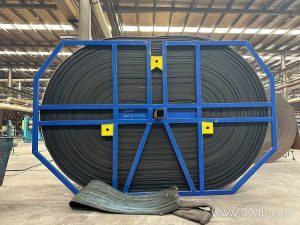
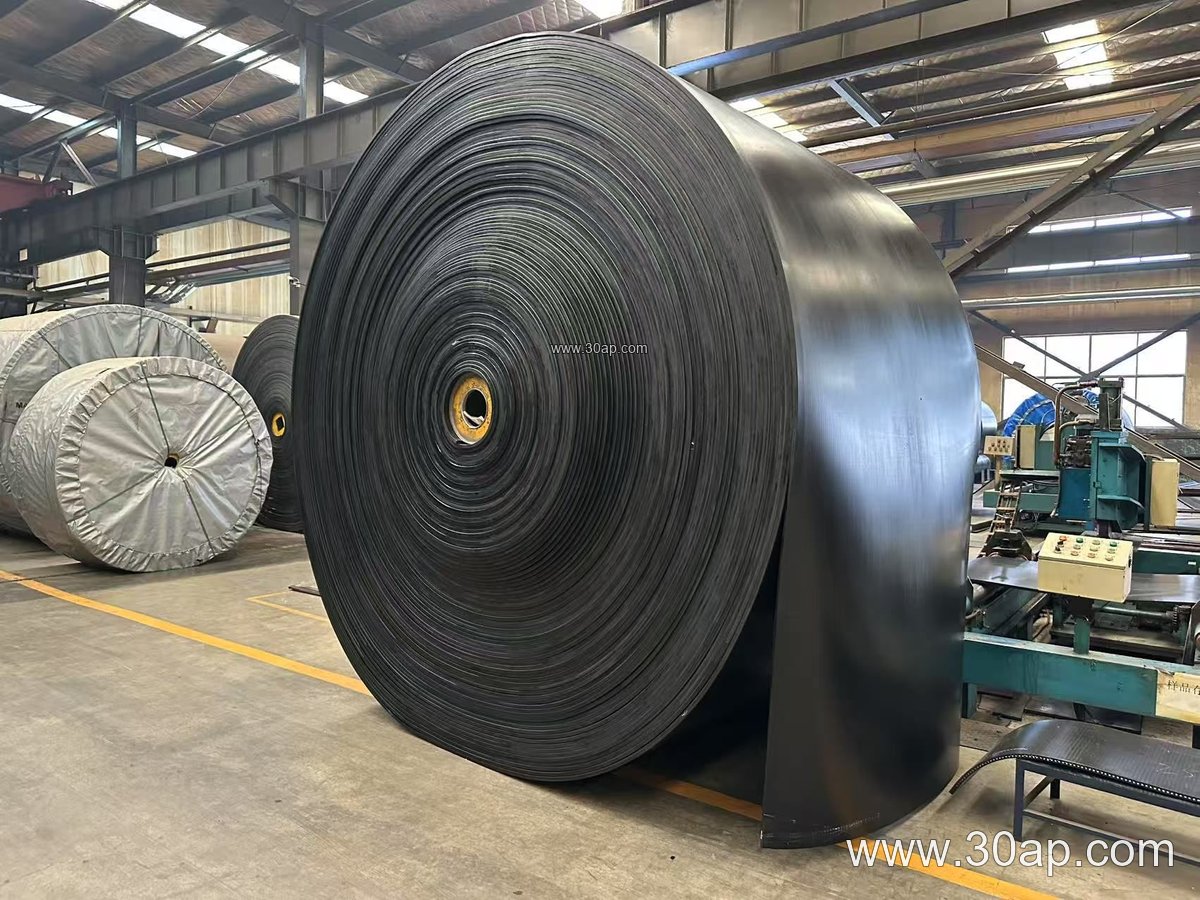
The EP800 Conveyor Belt is a multi-ply fabric core belt built around polyester (E) and nylon (P) warp and weft yarns. The designation “800” refers to the belt’s nominal tensile strength grade, which is generally taken as 800 N/mm across the full width. In practical terms, this makes it a mid-to-high strength choice for long conveying lines and heavy bulk loads where a lighter NN or lower EP grade would be stretched too far. Buyers searching for an EP rubber conveyor belt at this strength level are usually planning for steady, high-volume duty rather than intermittent light work.
Because the carcass uses EP fabric rather than steel cord, the belt remains flexible, resists fatigue at pulley transitions, and is easier to splice in the field. That balance is why it appears across mining, cement, power generation and aggregate operations.
Construction and Layer Structure
A typical EP800 belt is a sandwich of three functional parts. The carcass carries the load and provides dimensional stability. The top and bottom covers protect the carcass from abrasion, moisture and impact. Optional surface layers or edge treatments address specific site conditions.
- Carcass: usually 3 to 5 plies of EP fabric, depending on the manufacturer and the required safety factor.
- Top cover: commonly 4 mm, 5 mm, 6 mm or 8 mm, selected against the abrasiveness of the material.
- Bottom cover: often 1.5 mm, 2 mm or 3 mm, sized to the pulley side and return run.
- Edges: cut edges or moulded edges, with the latter preferred where edge fraying is a concern.
The cover compound determines much of the belt’s field life. An abrasion resistant conveyor belt compound suits crushed stone and sinter, while a heat resistant conveyor belt grade is needed near clinker or hot ash. Flame retardant and anti-static versions are common for underground coal mining conveyor belt service, and oil resistant or acid resistant compounds appear in recycling and chemical plants.
Common Strength and Width Reference
The table below shows reference values often quoted for this product family. Actual figures are set by the belt designer and vary between manufacturers.
| Parameter | Reference Range |
|---|---|
| Strength grade | EP200, EP315, EP400, EP500, EP630, EP800, EP1000, EP1250, EP1600, EP2000 |
| Belt width | B500, B650, B800, B1000, B1200, B1400, B1600, B1800, B2000 |
| Cover thickness (top + bottom) | 3+1.5, 4+2, 5+2, 6+2, 8+3 mm |
| Ply count | 2 to 6 plies, typically 3 to 5 |
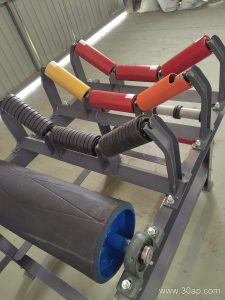
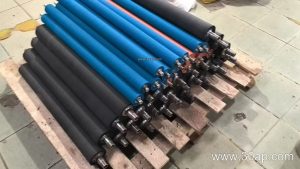
Width and strength are independent choices. A 1000mm or 1200mm belt can be built at EP800, and the same grade can be supplied at 800mm or 1400mm. Nothing in the standard range forces a single width to pair with a single pulley diameter; the conveyor pulley, idler roller and conveyor bracket layout are all matched through the conveyor design calculation.
Where It Fits in the Plant
In a quarry or sand making plant, an EP800 belt often runs as a primary or secondary crusher conveyor belt, moving blasted rock and screened aggregate. In a cement plant it may carry limestone, clinker or raw meal on the main trunk line. Power plants use it on coal yard and ash handling routes, frequently in flame retardant form. Ports and ship loading terminals apply it on long boom and jetty conveyors where tensile demand is moderate but reliability is critical.
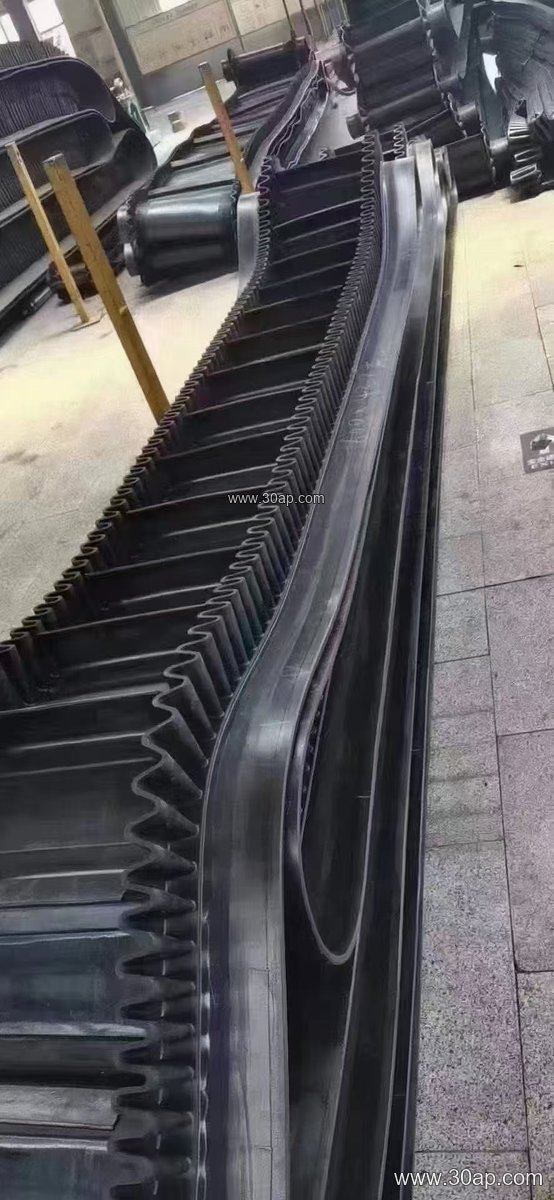
For very long, high-tension overland routes, a steel cord conveyor belt may be the better fit, since steel cord offers higher strength per unit width. For shorter lines with sharp pulleys and frequent splicing, the fabric core conveyor belt remains the practical option. Chevron, skirted and corrugated sidewall versions are separate designs used for inclined or contained transport and should not be treated as direct substitutes for a flat EP800 belt.
Selection and Maintenance Notes
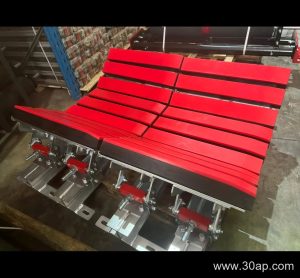
Selection starts with the duty: tonnage per hour, lump size, material temperature, incline angle and the number of starts per day. Impact resistant covers help at transfer points where fall height is significant. Cold resistant grades matter in northern yards and winter stockpiles.
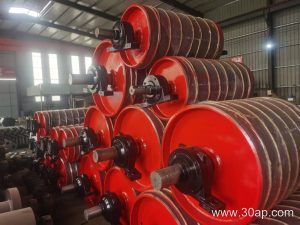
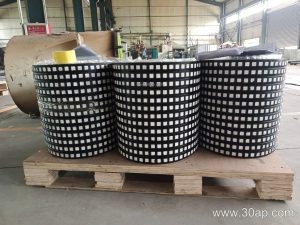
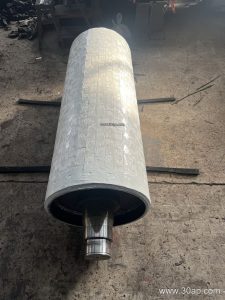
- Check that the drive pulley, tail pulley and bend pulleys have adequate lagging and diameter for the belt thickness.
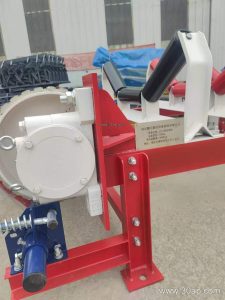
- Align idler roller frames and conveyor brackets so the belt trains without edge loading.
- Inspect splices, edge wear and cover gouges at each scheduled shutdown.
- Keep the return run clean; trapped material under the belt accelerates cover wear.
For buyers comparing quotes, ask for the ply count, cover thickness, cover compound class and edge type in writing, because the same EP800 label can cover quite different builds. Matching those details to the actual conveyor duty is what keeps a heavy-duty conveyor belt running through years of shifts.