What a Fixed Conveyor Bracket Does
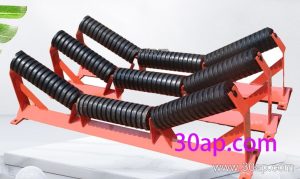
A fixed conveyor bracket is the rigid support that holds idler rollers in a set position along a conveyor frame. Unlike an adjustable bracket, its angle and mounting position are set at installation, so the trough shape stays the same through the working day. The part is common in quarry lines, cement plants, and power plant coal handling, where consistent belt support matters more than frequent readjustment.
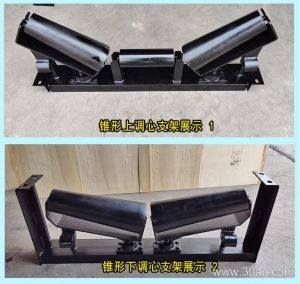
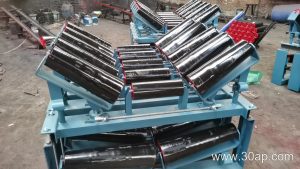
In a typical troughing set, three rollers sit in a fixed conveyor bracket at a set trough angle. The bracket carries the load from the conveyor belt, transfers it to the frame, and keeps roller spacing uniform. Because the angle does not change, the belt profile stays predictable, which helps reduce spillage on bulk material conveyor belt runs.
How the Bracket Is Built
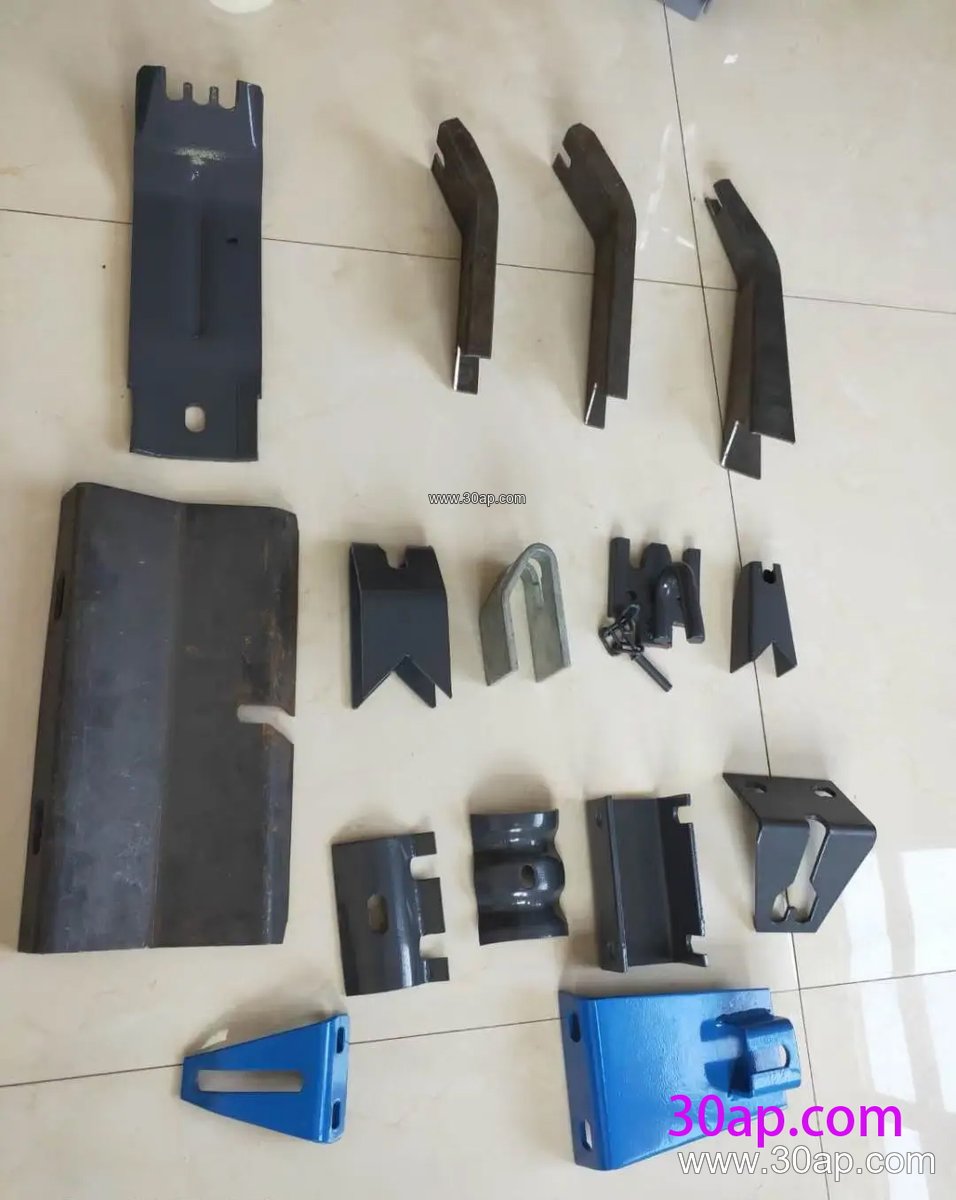
Most fixed brackets are formed from angle steel, channel steel, or folded steel plate. The material choice follows the load and the environment. Heavier sections are used on wide belts and on impact zones, while lighter folded designs suit lighter duty. Slots and bolt holes are positioned to match the roller shaft ends and the frame cross member.
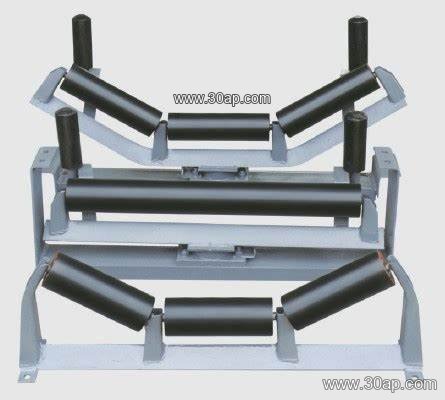
Key build points a buyer should check:
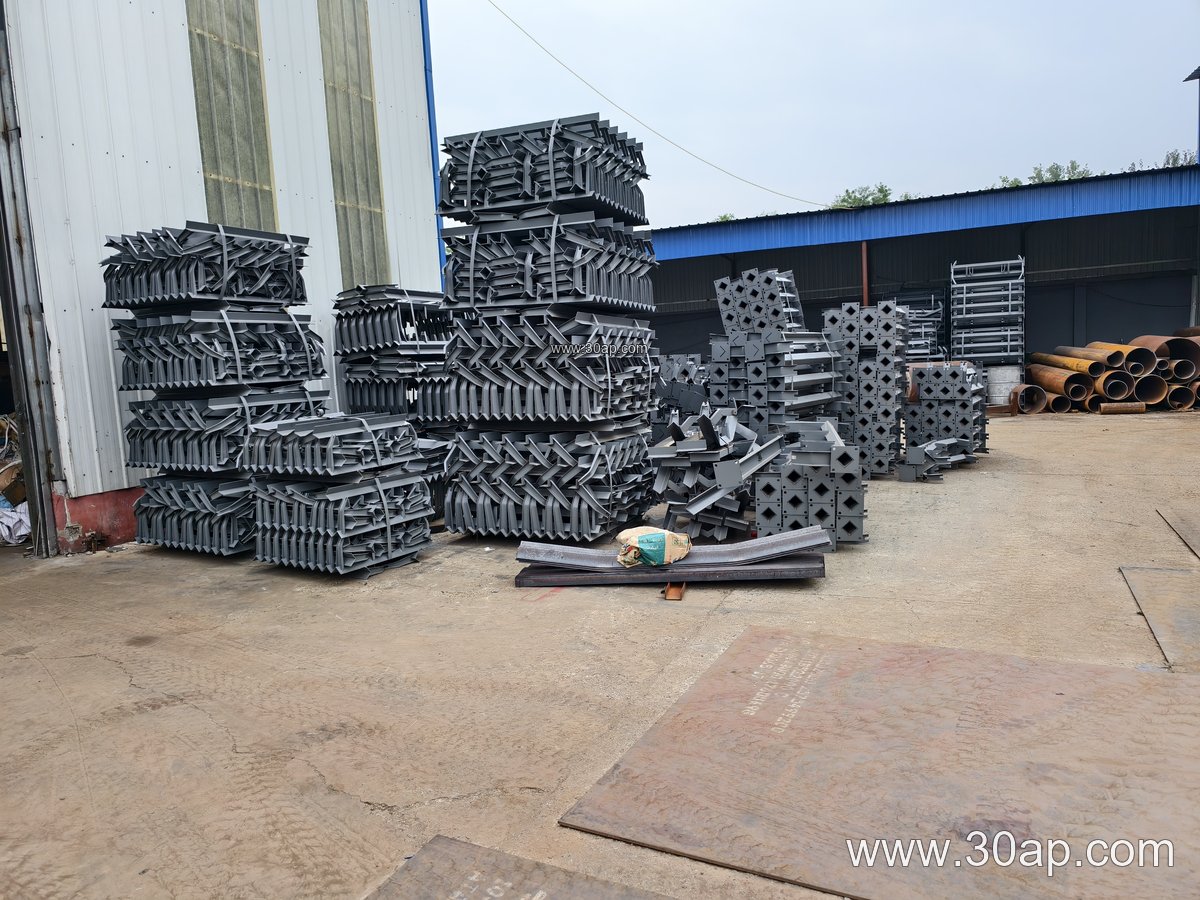
- Roller seat spacing and hole pattern, which must match the idler roller shaft ends
- Trough angle accuracy, since a fixed bracket cannot be corrected later without replacement
- Weld quality and coating, especially for washdown or dusty service
- Cross member length, which changes with belt width and trough angle
Matching Belt Width, Trough Angle, and Roller Diameter
Fixed brackets are usually specified as a combination, for example B800, 35 degrees, and roll diameter Ø108, or B1200, 45 degrees, and Ø133. These are reference combinations, not fixed rules. A 650 mm belt may run at 30 degrees with Ø89 rollers on a light line, while a heavy crusher discharge may use B1400 with 45 degrees and Ø159. Installation hole spacing and beam length are determined by design, so they should be confirmed against the actual frame drawing.
| Belt Width | Common Trough Angle | Common Roller Diameter |
|---|---|---|
| B500 to B650 | 20 to 30 degrees | Ø89, Ø108 |
| B800 to B1000 | 30 to 35 degrees | Ø108, Ø133 |
| B1200 to B1400 | 35 to 45 degrees | Ø133, Ø159 |
| B1600 to B2000 | 35 to 45 degrees | Ø159, Ø194 |
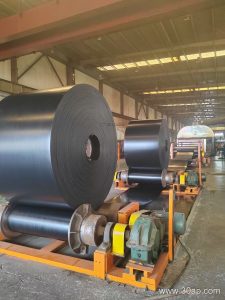
These values are typical ranges only. Final selection should follow the conveyor design, load, and belt type, whether that is an EP conveyor belt, an NN conveyor belt, or a steel cord conveyor belt.
Where Fixed Brackets Fit on the Line
On a crushing and screening circuit, fixed troughing brackets support the carrying side through long straight runs. Return brackets and V-return brackets hold the belt on the return side. Impact brackets with rubber rings are used under the crusher discharge, where a heavy-duty mining conveyor belt takes falling rock. Self-aligning brackets are a separate subtype used to correct belt wander, and they are not a substitute for a fixed bracket where a stable trough is required.
In a coal yard or a cement plant, dust and fine material can build up around the bracket seats. A fixed design with open geometry is easier to clean than a closed box section. In a port or ship loading line, wide belts often use fixed brackets on the long boom sections, while the transition zones near the head and tail pulleys may use transition brackets to ease the belt from trough to flat.
Buyer Checklist
Before ordering, confirm the belt width, the required trough angle, the roller diameter, and the frame bolt pattern. Ask whether the bracket is for the carrying side or the return side, and whether it needs a coating for wet or corrosive service. Check that the bracket matches the actual idler roller being used, since shaft end shapes vary. For abrasive ore or high-speed lines, a heavier section may extend service life.
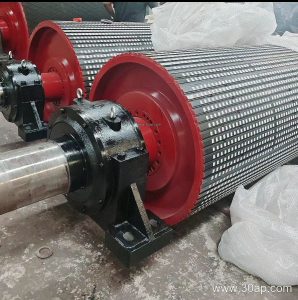
Fixed brackets are simple parts, but they set the geometry of the whole conveyor. Getting the angle, spacing, and fit right at the start avoids belt tracking problems and premature roller wear later. For related components such as the conveyor pulley, conveyor bracket, and conveyor belt, the same principle applies: match the part to the duty, not to a catalog default.