What Defines a Large Pulley
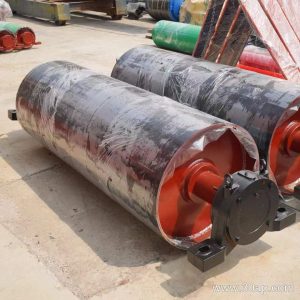
A large pulley in a conveyor system is typically a drum with a diameter of Ø800 mm or more, often matched to wide belts in the B1400 to B2400 range. Its substantial size allows it to handle high tension and heavy loads without excessive bending stress on the belt. In quarry and aggregate operations, these pulleys are common at head drive stations where the conveyor discharges crushed rock onto screens or stockpiles.
While drive, tail, and bend pulleys serve different functions, the term large pulley here refers primarily to heavy-duty drive or head pulleys that transmit power to the belt. A tail pulley of similar size may be used for tensioning, but it is not a substitute for the drive pulley in the same position.
Construction and Key Components
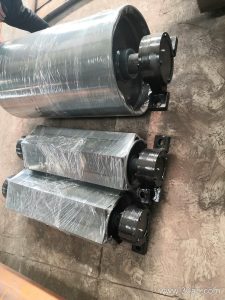
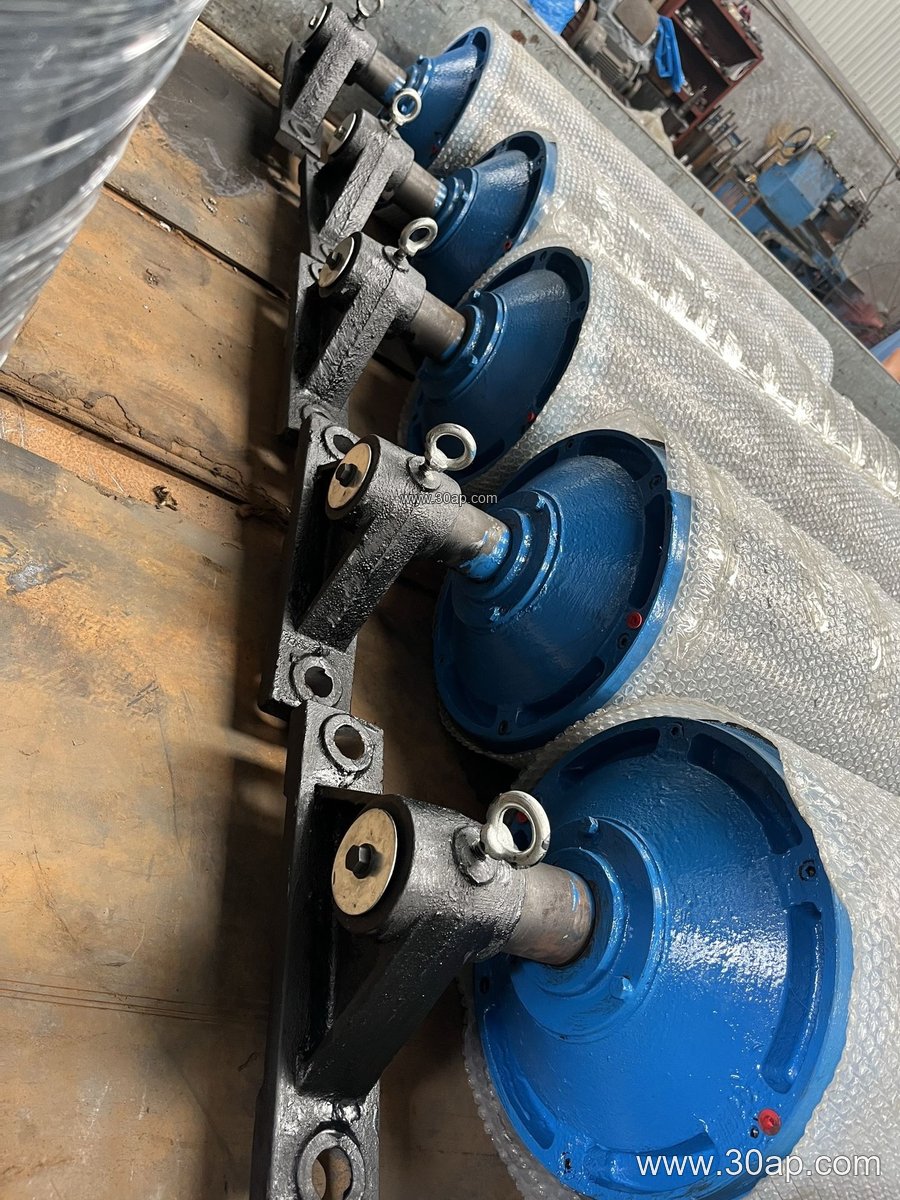
A large pulley is built around a robust cylindrical shell, usually made from rolled steel, with welded end discs and a central shaft. The shaft diameter is determined by torque and load requirements, not simply by belt width. Common shaft sizes for these pulleys include Ø120, Ø140, Ø160, Ø180, and Ø200 mm. The shell is often covered with rubber lagging to improve grip and protect the belt.
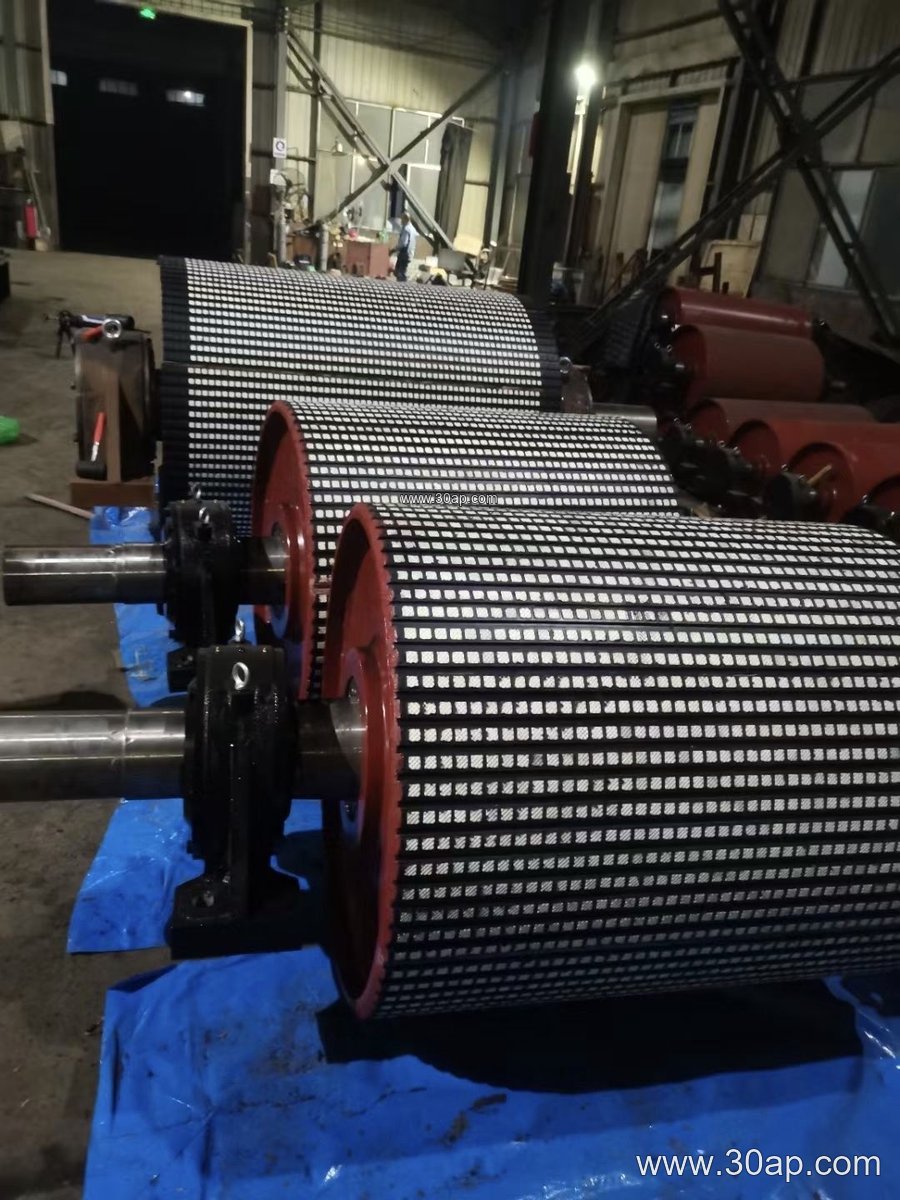
Lagging options include plain rubber, diamond pattern, herringbone, and ceramic tiles. Thickness typically ranges from 8 mm to 20 mm, with 10 mm or 12 mm being common for general bulk handling. The pulley face width is usually slightly wider than the belt; for example, a B1400 belt might use a pulley face of about 1600 mm. The pulley is supported by bearings housed in conveyor brackets that bolt to the conveyor frame.
Where Large Pulleys Are Used
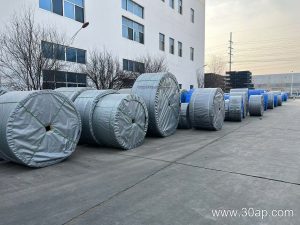
These pulleys are found in a variety of demanding industries. In a limestone quarry, a large head pulley drives a conveyor carrying run-of-mine rock to the primary crusher. At a coal-fired power plant, large pulleys handle coal on high-capacity belts equipped with flame retardant and anti-static properties. In a copper mine, they may be paired with steel cord conveyor belts for long overland hauls. Cement plants use them on clinker conveyors where heat resistant belts are needed.
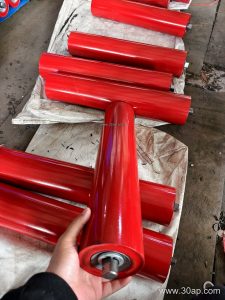
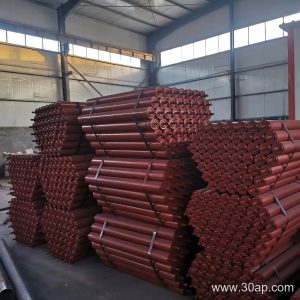
The pulley must be selected to match the belt type and the environment. For instance, an abrasion resistant conveyor belt in a sand and gravel operation puts different demands on the pulley lagging than a heat resistant belt in a cement kiln area. In all cases, the pulley works together with idler rollers and the conveyor belt to keep material moving efficiently.
Specifications and Selection Guidelines
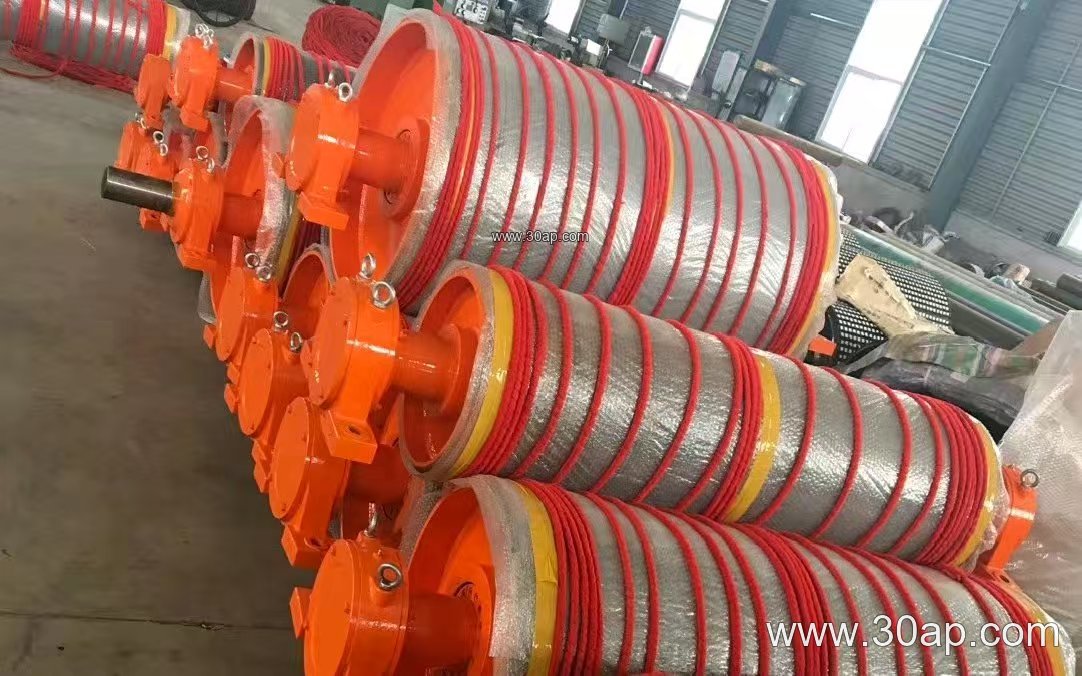
When specifying a large pulley, engineers consider belt width, belt tension, shaft load, and the required lagging. The table below lists some typical combinations, but these are examples and not fixed rules. A B1200 belt may be used with a Ø1000 pulley, while a B800 belt might use a Ø500 pulley in a lighter application. The diameter should be chosen based on the belt’s minimum pulley diameter recommendation and the torque to be transmitted.
| Belt Width (mm) | Example Pulley Diameter (mm) | Typical Lagging |
|---|---|---|
| B800 | Ø500 | 10 mm diamond rubber |
| B1000 | Ø630 | 12 mm plain rubber |
| B1200 | Ø800 | 15 mm diamond rubber |
| B1400 | Ø1000 | 15 mm ceramic lagging |
| B1600 | Ø1250 | 20 mm diamond rubber |
These values are for reference only; actual selection depends on the conveyor’s duty and the belt manufacturer’s data. The shaft diameter is determined by the torque and the bending moment at the pulley, so a B1400 pulley might use a Ø160 shaft in one application and a Ø180 shaft in another with higher tension.
Buyer Checklist
- Confirm the belt width and the pulley face width (typically belt width + 100 to 200 mm).
- Check the lagging type and thickness against the material being conveyed and the environmental conditions.
- Verify the shaft diameter and bearing size are adequate for the calculated load.
- Ensure the pulley is compatible with the conveyor brackets and the available space.
- Consider the belt type: for example, a steel cord belt may require a larger pulley diameter than an EP fabric belt of the same width.
For more information on conveyor pulleys and related components, visit our site at beltconveyorpulley.com or explore our range of conveyor rollers at idlerrollerpro.com.