What the Support Frame Does on a Conveyor Line
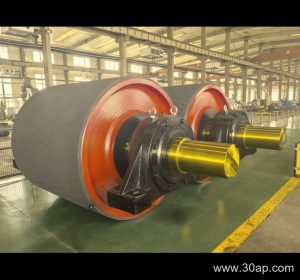
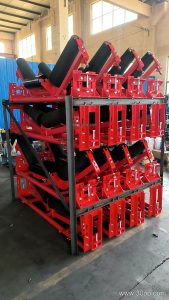
A conveyor belt support frame is the structural element that holds the idler roller in place and keeps the belt in its intended trough shape. It sits between the stringers or the conveyor bracket and the roller, transferring the weight of the belt and the material to the main structure. In a quarry, a coal preparation plant, or a cement plant, the frame is the quiet component that decides whether the belt tracks straight or wanders. The belt, the idler roller, and the conveyor pulley all depend on it, but the frame itself is rarely the first item inspected, which is exactly why it deserves more attention during specification.
Construction and Common Materials
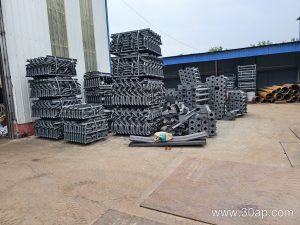
Most frames are fabricated from angle steel, channel steel, or folded steel plate. The material choice is usually driven by load and corrosion exposure rather than by belt width alone. A typical assembly includes a cross beam, two or more roller seats, and mounting holes that align with the stringer spacing. Installation hole pitch and beam length change with belt width and trough angle, so they are determined by design rather than fixed by a catalogue number.
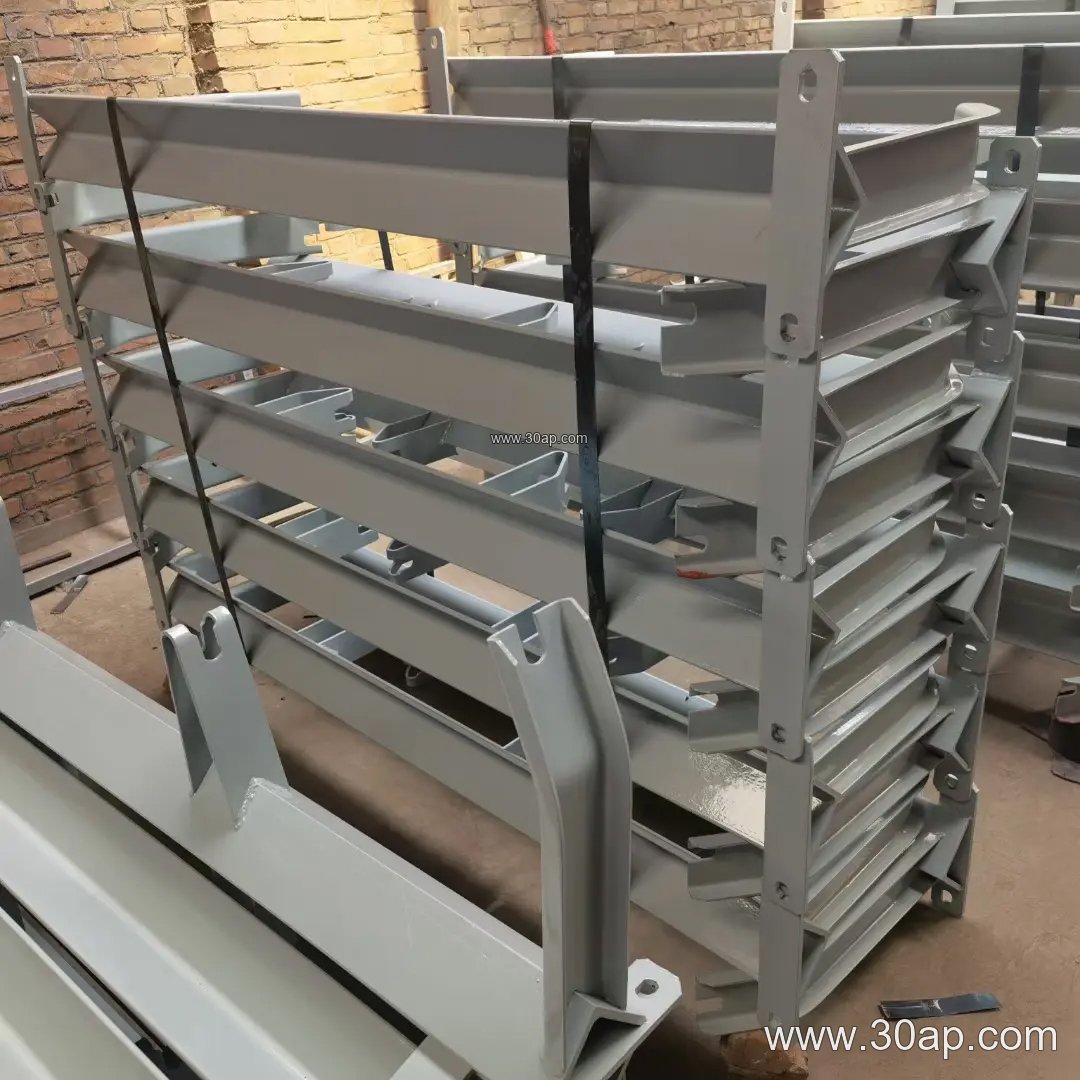
- Angle steel frames: light to medium duty, common on aggregate and sand lines
- Channel steel frames: heavier loads, often found on primary crusher discharge
- Folded plate frames: compact profile, useful where space above the structure is limited
Surface treatment matters in wet or dusty service. A frame that rusts at the roller seat will soon change the trough angle and start edge wear on the belt.
Troughing Angle and Roller Diameter
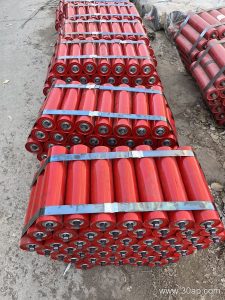
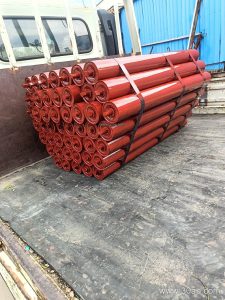
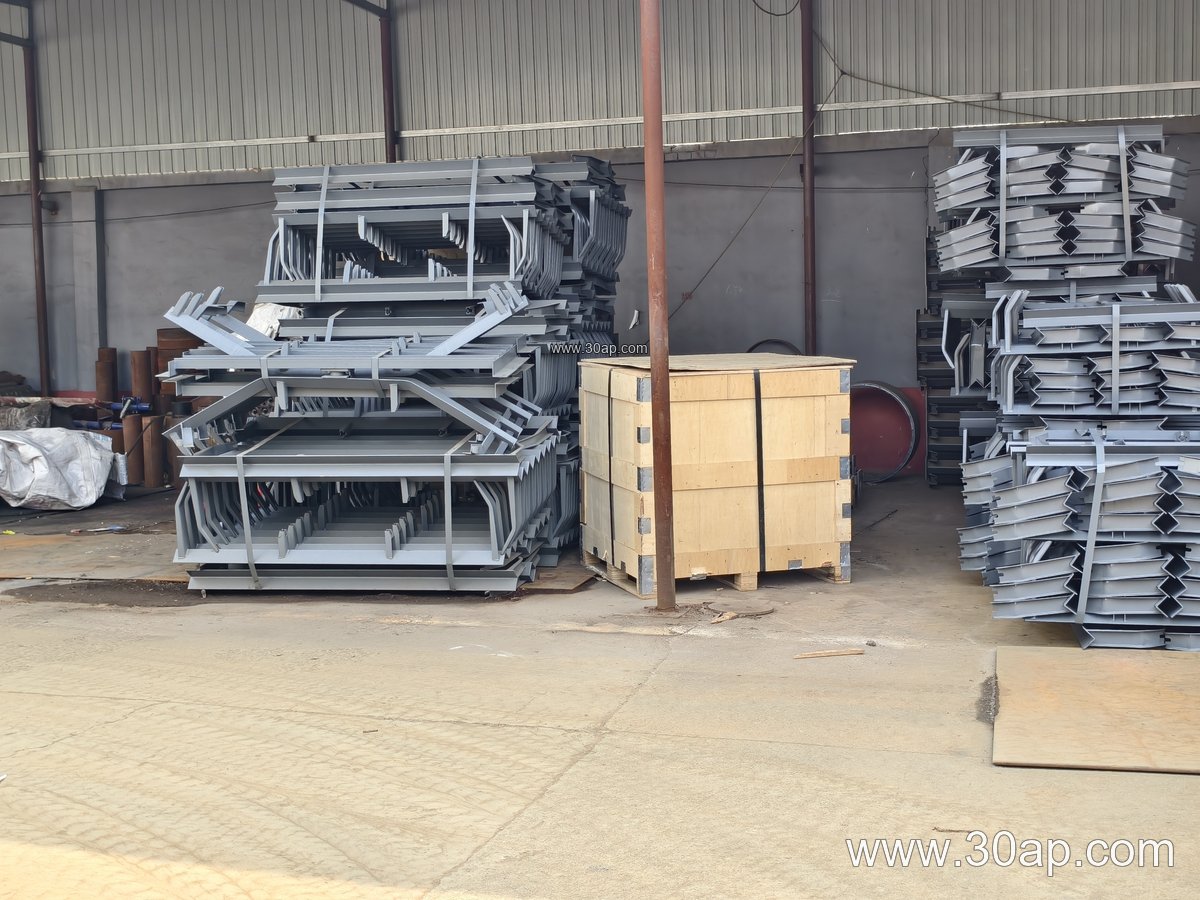
The trough angle controls how the belt carries the load. Common values are 20, 30, 35, and 45 degrees, and adjustable frames allow the angle to be changed within that range during commissioning. A wider trough holds more material, but it also increases the bending stress at the belt edge. Roller diameter is selected separately; typical sizes include Ø89, Ø108, Ø133, Ø159, and Ø194. Combinations such as B800, 35 degrees, Ø108 or B1200, 45 degrees, Ø133 appear in real installations, but no single belt width is tied to one angle or one roller diameter. A B650 line with Ø89 rollers and a 30 degree trough is just as normal as a B1400 line with Ø159 rollers at 45 degrees.
Fixed, Adjustable, and Special Frames
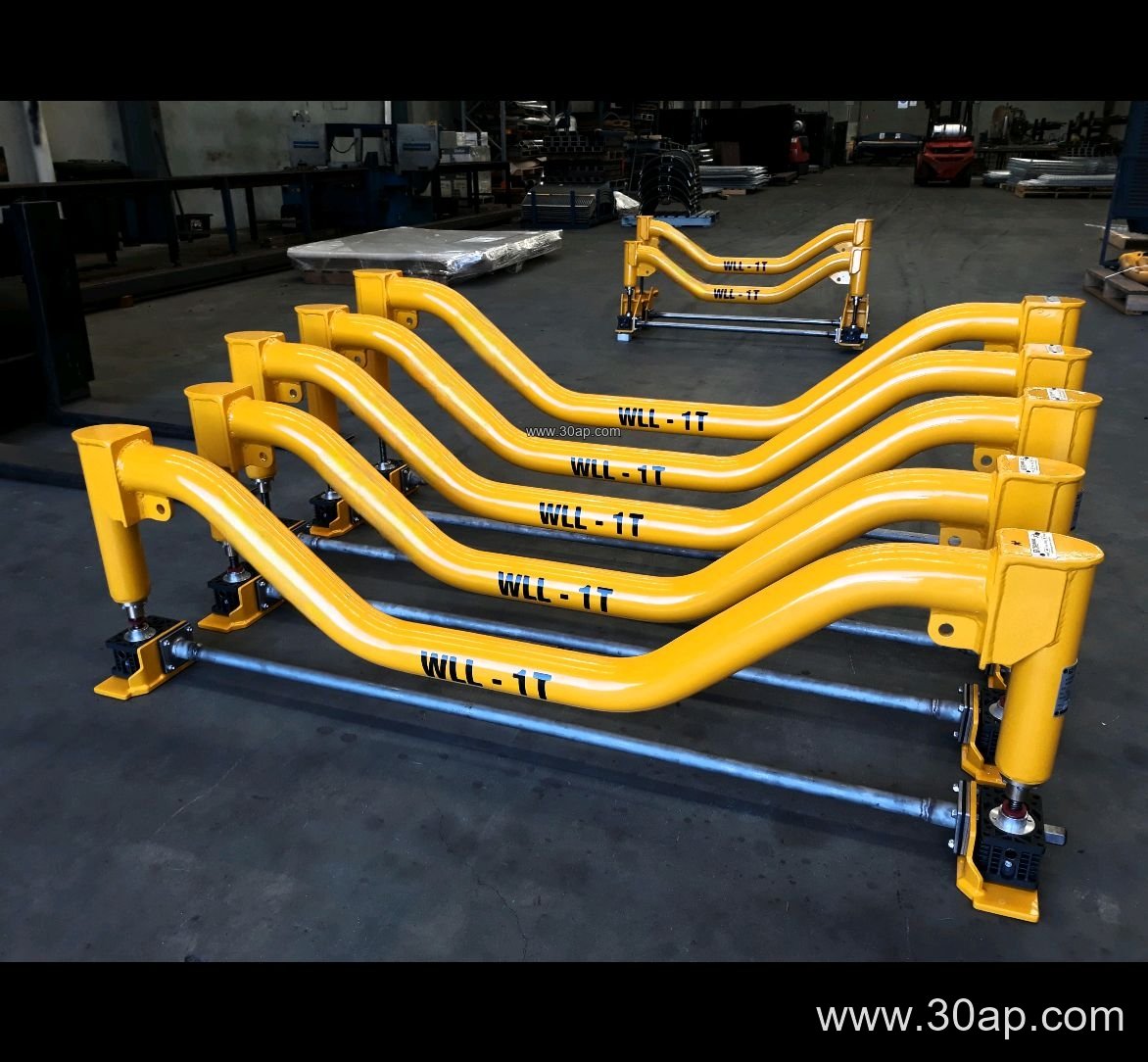
Fixed frames are welded or bolted to a set angle. Adjustable frames cost slightly more but let maintenance staff correct belt tracking after the structure settles. Impact frames with rubber or spring seats are used below crusher outlets, while self-aligning frames carry training rollers that nudge a drifting belt back to center. Return-side frames, including V-return and flat return designs, support the empty strand and are often the first place where material build-up is noticed.
Where These Frames Are Used
In a limestone quarry, frames under the primary screen absorb heavy lumps and need robust cross beams. In a power plant coal yard, the same frame may sit on a long overland line where wind and rain accelerate corrosion. Both cases share a need for correct alignment with the conveyor pulley centerline, because a frame installed a few millimeters off will show up as belt edge rubbing within weeks. On a steel plant sinter line, heat-resistant belts and sturdy frames work together, while in a grain silo the priority shifts to clean surfaces and easy inspection.
Buyer Checklist
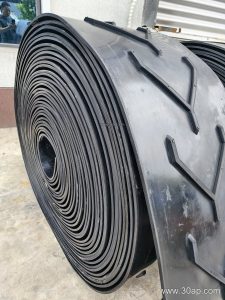
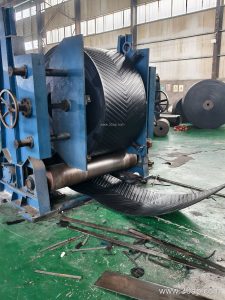
Before ordering, confirm the belt width, the intended trough angle, the roller diameter and the mounting hole spacing. State the material being carried and whether the line runs a fabric core conveyor belt, a steel cord conveyor belt, or a heat resistant conveyor belt, since belt stiffness affects how the frame should be set. Ask for the beam length and hole pattern on the drawing, not just the frame type. If the line handles abrasive ore, specify a heavier section; if it moves packaged goods, a lighter frame is enough. Spare roller seats and consistent hole patterns reduce downtime when a frame is damaged by a stray lump.