What an EP100 Conveyor Belt Is
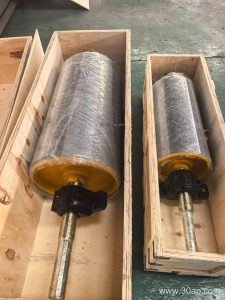
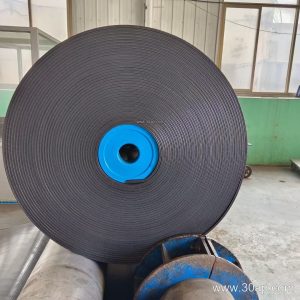
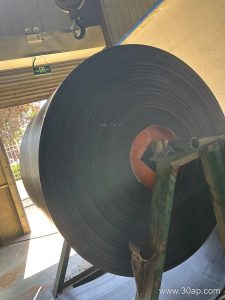
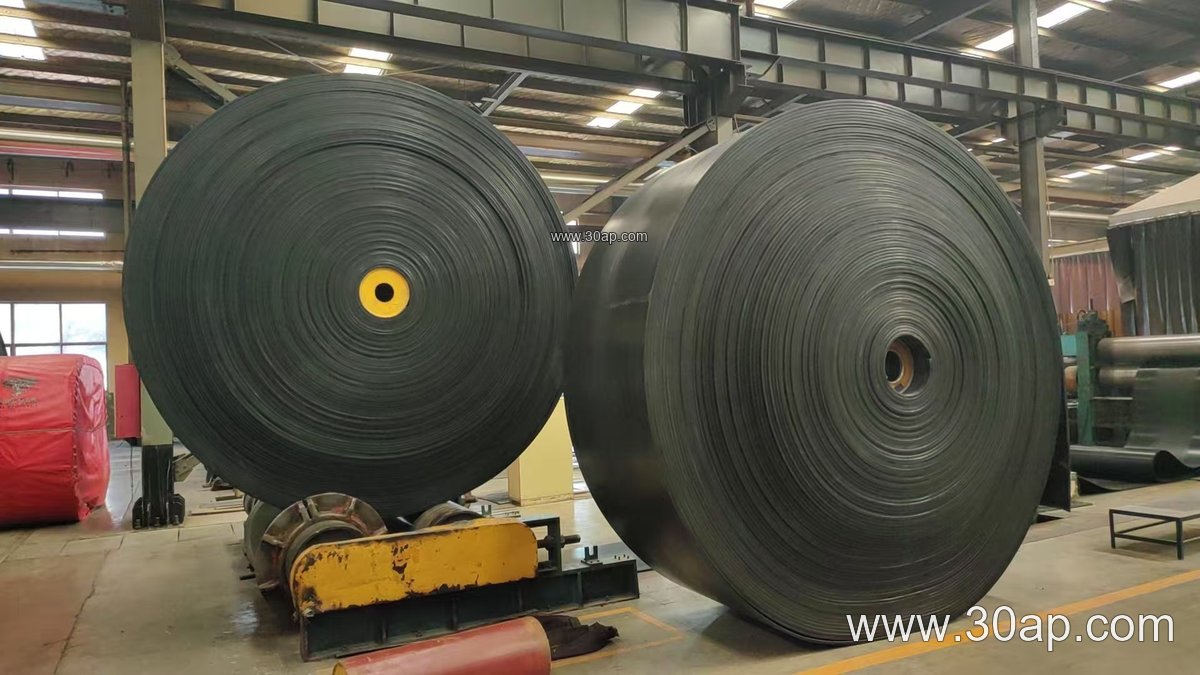
An EP100 Conveyor Belt is a fabric core belt built on polyester-polyamide (EP) carcass plies, with a nominal tensile strength of 100 N/mm per ply. It is the lightest grade in the common EP family — above it sit EP200, EP315, EP400 and higher — so it suits medium-duty conveying rather than heavy mountain-haul installations. The same product is often called an EP fabric core conveyor belt, and buyers in mining, quarrying, cement and power plant work use both names freely. Note that drive pulleys, tail pulleys and bend pulleys are separate components and never interchangeable with the belt itself.
Construction and Typical Build
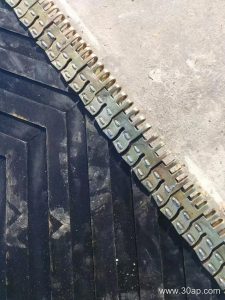
The carcass usually contains two to six EP plies, each bonded with rubber skim. Top and bottom cover rubber protects the fabric from abrasion, moisture and impact. Cover thickness is commonly quoted as a pair, for example 3+1.5 mm, 4+2 mm, 5+2 mm or 6+2 mm, and the edge can be cut or moulded. A fabric core conveyor belt of this grade is flexible, splices well and tolerates reasonably small pulley diameters, which keeps conveyor frames compact.
Common reference values are shown below; they are typical ranges, not fixed supply promises:
- Strength grades: EP100, EP200, EP315, EP400 (EP100 is the subject here)
- Widths seen: B500, B650, B800, B1000, B1200, B1400 mm
- Cover combinations: 3+1.5, 4+2, 5+2, 6+2 mm
- Ply counts: 2 to 6, by design
Where It Fits
Typical duties include aggregate lines, sand and gravel plants, cement plant clinker and raw meal circuits, power plant coal feed, and lighter sections of a quarry conveyor belt. In a coal mining conveyor belt system it may run on the surface or in preparation plants rather than the most punishing underground trunk routes, where heavier grades or PVG belts often take over. It also works well as a crusher conveyor belt discharge belt, a port conveyor belt on loading systems and an ore conveyor belt on medium-length transfers.
Because belt strength is not the only variable, the selection should match the load, lump size, incline and environment. An abrasion resistant conveyor belt cover helps in stone and clinker service; a heat resistant conveyor belt variant may be needed near dryers or kilns; a flame retardant conveyor belt or anti-static conveyor belt grade is considered where fire or dust risk exists.
Selection Points for Buyers
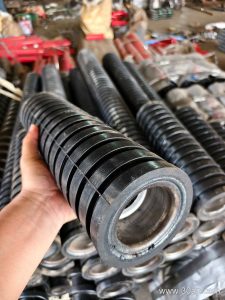
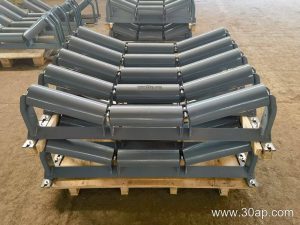
Start from the calculated tension and the required safety factor, then choose ply count and strength. Confirm the minimum pulley diameters with the belt maker, since a belt width alone does not define a shaft or pulley size. Check the troughing idler roller arrangement and the conveyor pulley faces so the belt trains correctly, and review conveyor bracket clearances before ordering. If the route is steep, a chevron conveyor belt may be a better comparison; for very dusty or enclosed paths, a pipe conveyor belt or corrugated sidewall conveyor belt can be evaluated. For long, high-tension hauls, steel cord conveyor belt grades are the usual alternative, while NN conveyor belt remains another fabric option.
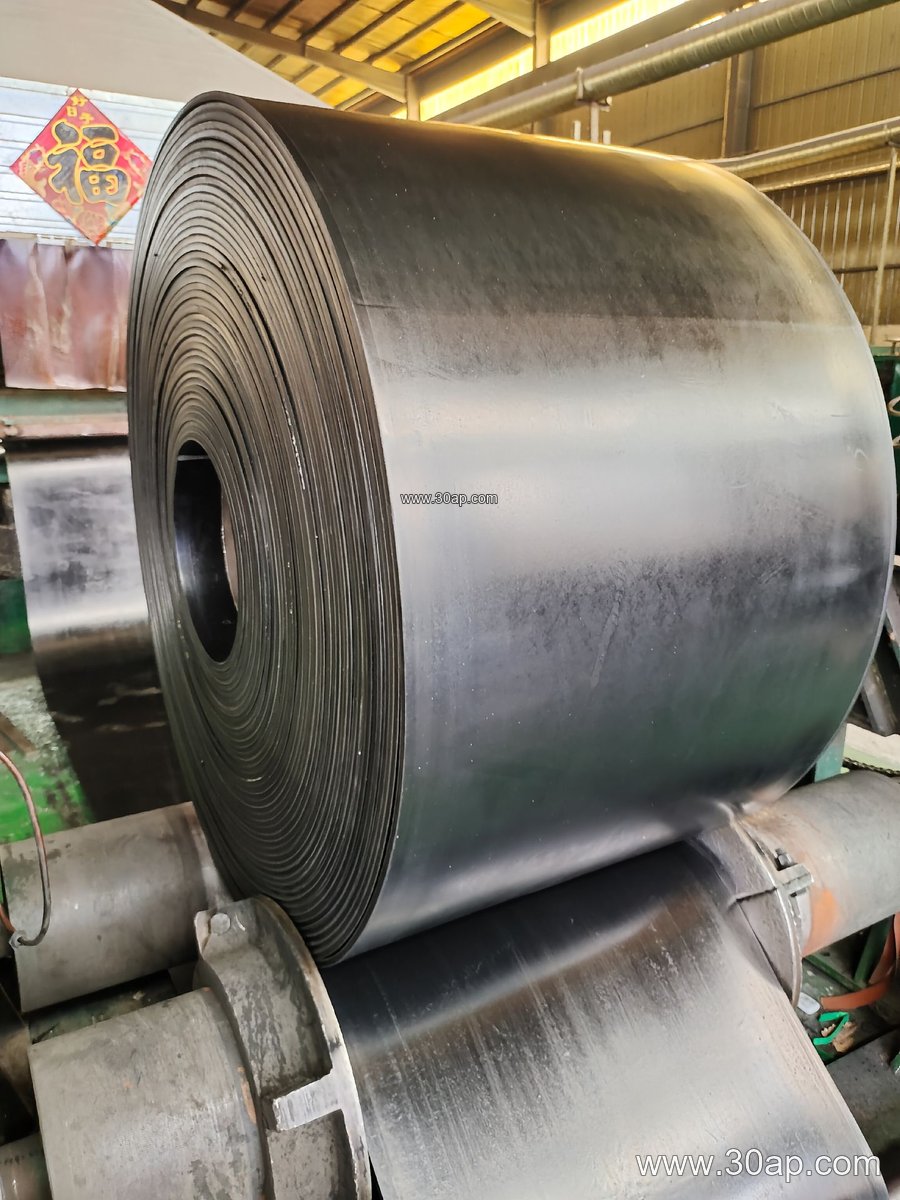
Ask about edge condition, splice method and cover grade, and request the manufacturer’s data sheet for the exact EP100 construction offered. On site, keep the belt aligned, avoid overloaded start-ups and inspect covers for cuts that could let moisture reach the plies.
Maintenance and Practical Notes
Routine checks of the idler roller, pulley lagging and belt tracking prevent edge damage. Store spare rolls indoors, away from ozone and sunlight. When replacing a belt, record the actual measured width and cover thickness so the next order matches the conveyor, not a catalogue assumption.
For matching components such as conveyor pulley, idler roller and conveyor bracket, confirm dimensions against the existing frame. More belt guidance is available at www.example.com/ep100-conveyor-belt and component notes at www.example.com/conveyor-pulley.