What an Idler Quotation Actually Covers
An idler quotation is a priced breakdown of the carrying and return idler assemblies a conveyor needs, usually issued together with shaft, bearing and bracket details. On a quarry or aggregate line the quotation is often the first document that shows whether the selected roller diameter suits the belt width and the load. A fair quotation lists the idler roller type, roll diameter, roll length, trough angle, bearing number, roll surface, frame type and quantity per station, so the buyer can compare offers line by line instead of by total price alone.
The item is not the same as a quotation for a conveyor pulley. Drive pulleys, tail pulleys and bend pulleys have their own sizing logic and are quoted separately, and a quotation for idlers cannot be used to price them. Confusing the two is one of the most common mistakes in tender review.
Reading the Roll and Frame Data
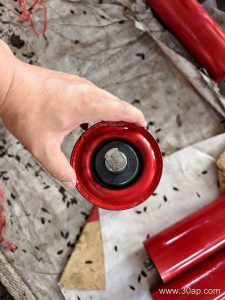
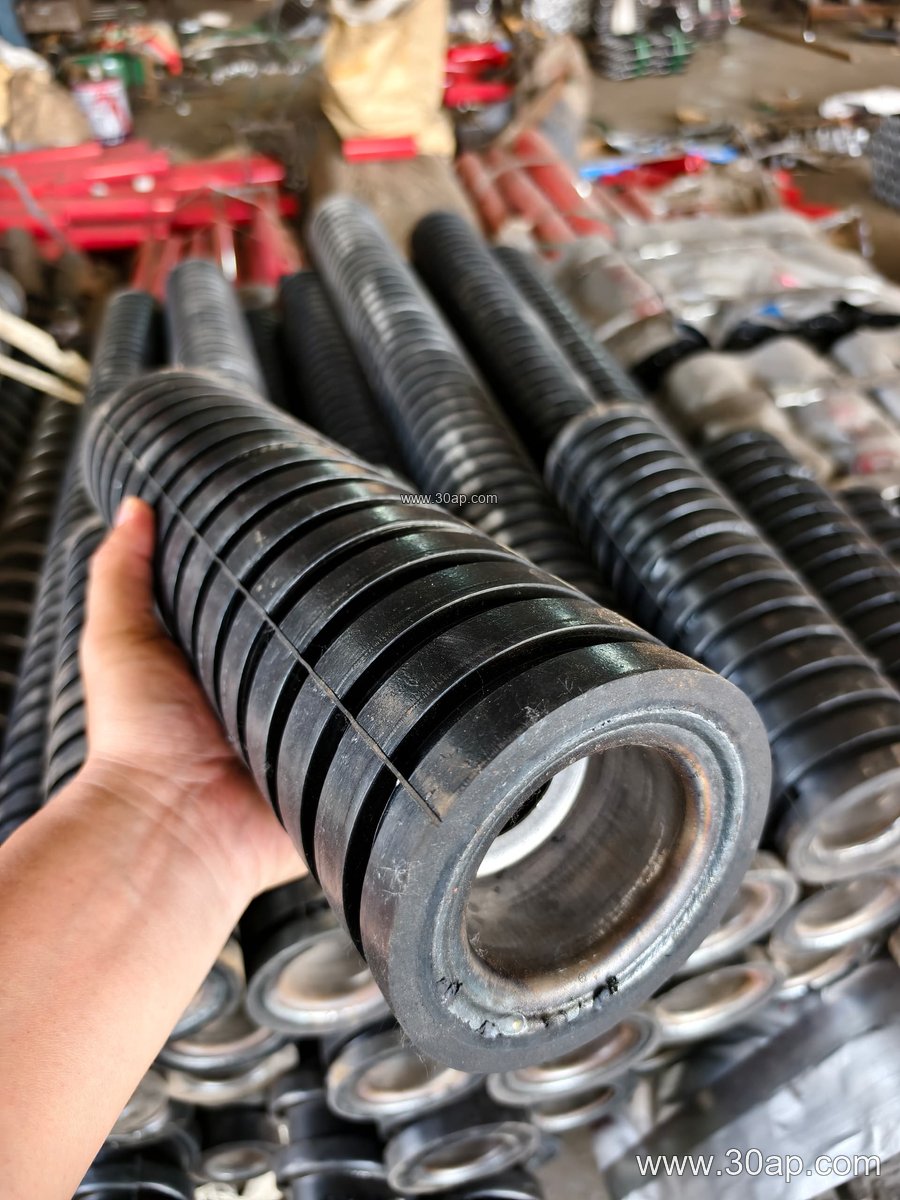
The roll diameter is usually the first number to check. Common sizes run from Ø63 and Ø76 for light duties up to Ø159, Ø178 and Ø219 for heavy stations, with Ø89, Ø102, Ø108, Ø127 and Ø133 covering most general work. The diameter should be read together with belt width, belt speed and lump size, not on its own.
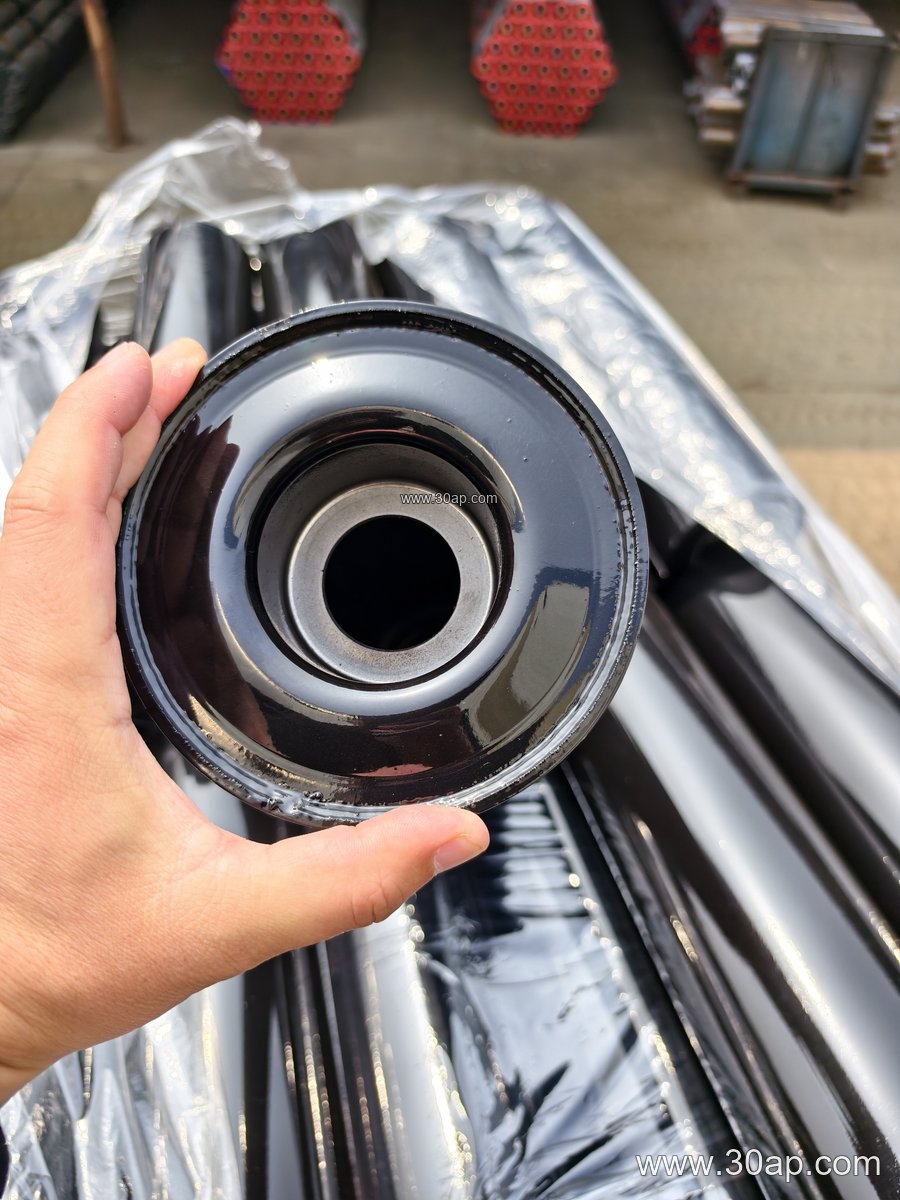
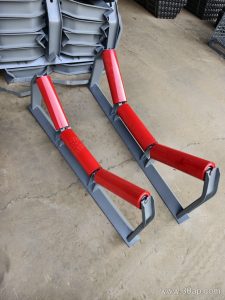
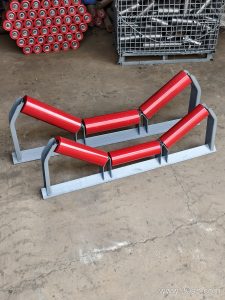
Belt width is normally given as B400, B500, B650, B800, B1000, B1200, B1400, B1600, B1800, B2000, B2200 or B2400. The idler length depends on width, trough angle and station type. For a three-roll troughing set, typical roll lengths are about 200 mm at B500, 250 mm at B650, 315 mm at B800, 380 mm at B1000, 465 mm at B1200, 530 mm at B1400, 600 mm at B1600, 670 mm at B1800 and 750 mm at B2000. These are common examples only; side rolls and centre rolls may differ, and the final figure is set by design.
Typical Reference Points
- Roll diameter range: Ø63 to Ø219
- Common trough angles: 20, 30, 35 and 45 degrees
- Forward tilt for training: about 1.5 to 2 degrees
- Common bearings: 6204, 6205, 6305, 6306, 6308, 6310
- Roll surfaces: steel tube, nylon, ceramic, rubber ring
None of these values is a fixed pairing. A 6205 bearing is not reserved for one diameter, and a given belt width does not lock the pulley or shaft size. A shaft diameter must come from the load calculation, not from the belt width alone.
Where the Numbers Matter on Site
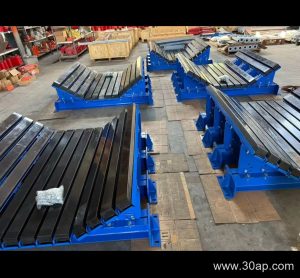
In a coal preparation plant or a power station coal yard, flame resistance and dust control often shape the specification, and the quotation may need to align with the flame retardant conveyor belt already in service. At a limestone mine or a crushing and screening plant, impact zones at the load point call for impact idlers or rubber-ring impact rolls, while the carry side uses three-roll troughing sets. Return runs may use flat return rolls or V-return rolls depending on belt tracking.
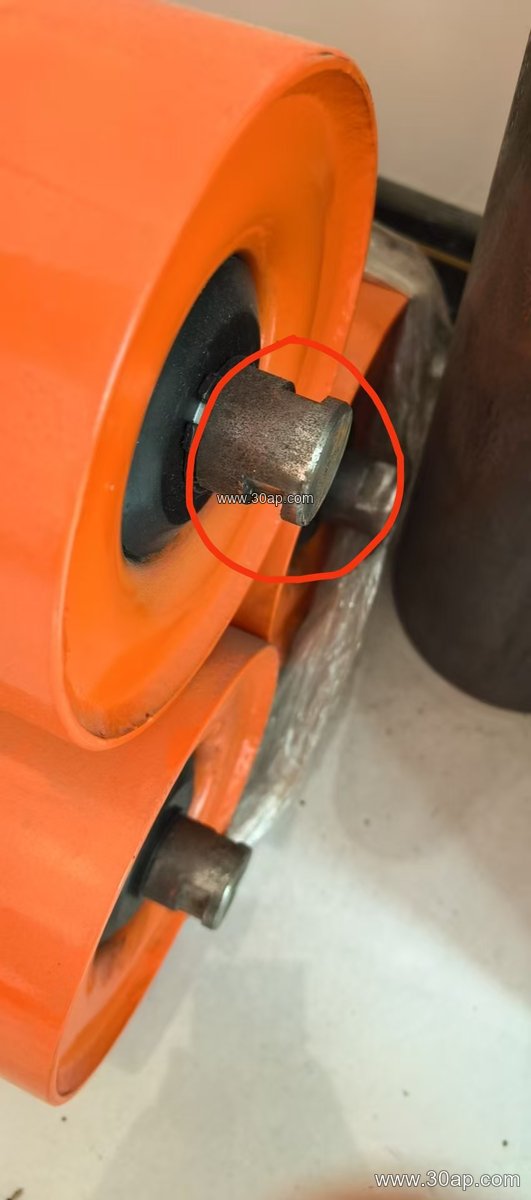
At a port or a sinter plant, long conveyors make idler quantity and bearing quality the dominant cost, and the quotation should state the expected service interval for lubrication. In a concrete batching plant the runs are short but the dust is fine, so sealing quality deserves more attention than roll diameter. Where a pipe conveyor or a corrugated sidewall belt is used, idler geometry changes and must be quoted against that specific belt type, such as a pipe conveyor belt or a corrugated sidewall conveyor belt.
What a Buyer Should Confirm
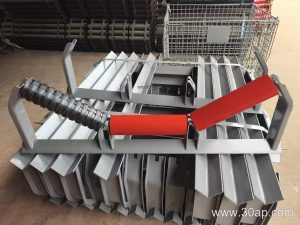
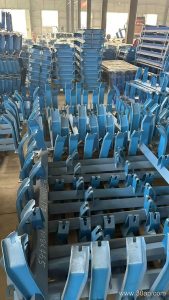
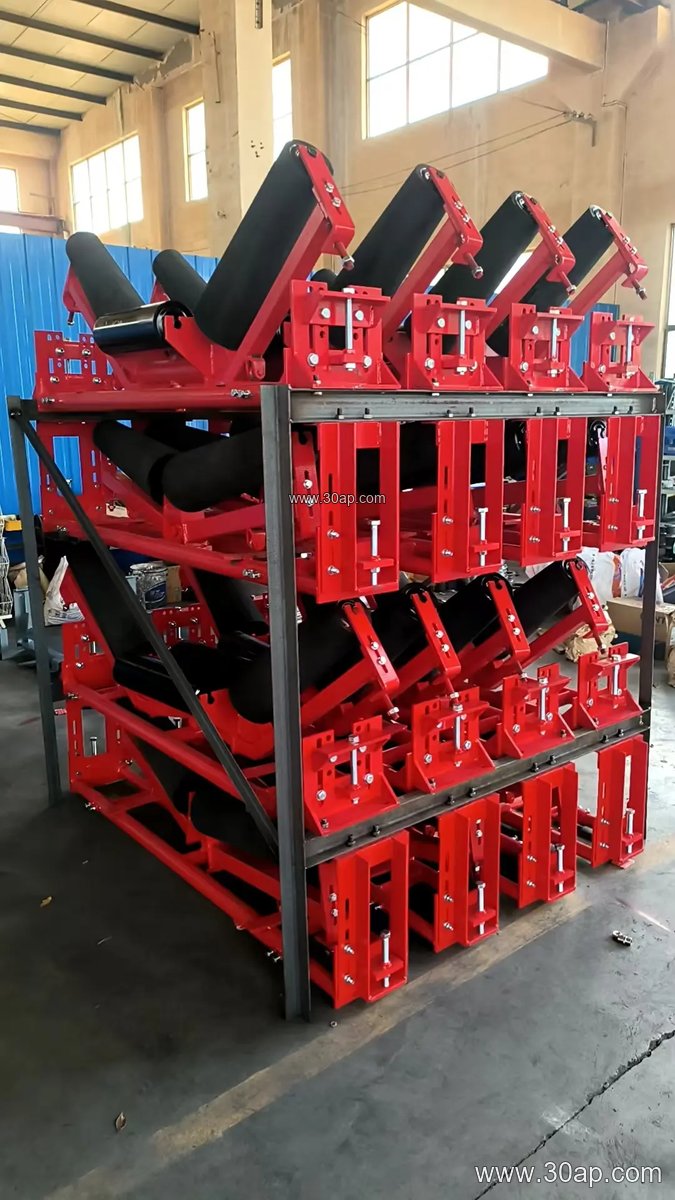
Before accepting an idler quotation, confirm the station layout: single roll, two-roll or three-roll troughing sets, and whether transition idlers are included at the head and tail. Check the training arrangement, since friction training idlers and tapered training idlers are priced differently from standard carrying rolls. Ask for the bearing brand and seal type in writing, and confirm the roll surface treatment for abrasive or wet conditions.
It also helps to check that the quotation matches the belt it will carry. A heavy-duty mining conveyor belt or a high abrasion resistant conveyor belt running at high speed will punish cheap seals, and the saving on idlers is quickly lost. Buyers comparing offers should request the same data sheet from each supplier, then compare diameter, length, bearing, wall thickness, bracket type and quantity per metre.
Quotation Hygiene
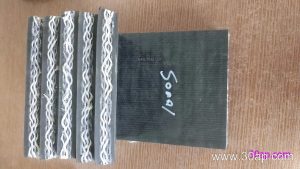
A clean quotation separates carrying idlers, return idlers, impact idlers and training idlers into their own lines, states the bracket and frame type, and gives the quantity per conveyor rather than a single lump figure. Spare rolls and bearing housings are usually listed separately. Where the plant runs a fabric core conveyor belt such as an EP conveyor belt or an NN belt, the quotation should note the belt width and speed used for the calculation, so any later change can be traced. Keeping the quotation tied to the actual belt and conveyor layout is the simplest way to avoid a mismatch at installation.