What a Conveyor Frame Does
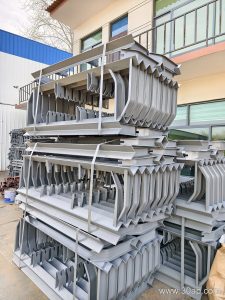
A conveyor frame is the structural backbone of a belt conveyor. It holds the idler rollers in the right position, keeps the belt tracking along the desired path, and carries the loads coming from the material and the belt itself. In a quarry, a coal washing plant, or a cement plant, the frame is usually the first component set in place and the last one considered when problems appear. Getting the frame right makes the rest of the conveyor easier to align and maintain.
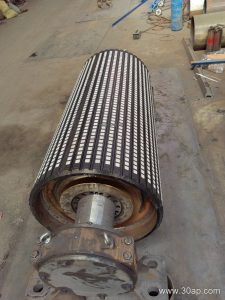
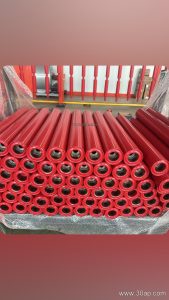
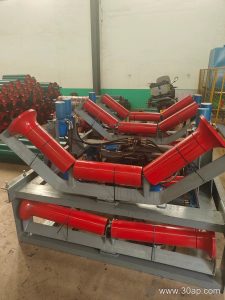
The frame is not a single part. It is a system of beams, brackets, and mounting points that work together with the conveyor belt, idler roller, and conveyor pulley. Drive, tail and bend pulleys each have their own support structures, and these are not interchangeable with the carrying frame sections. A frame that supports troughing idlers is designed differently from one that supports return rollers.
How the Frame Is Built
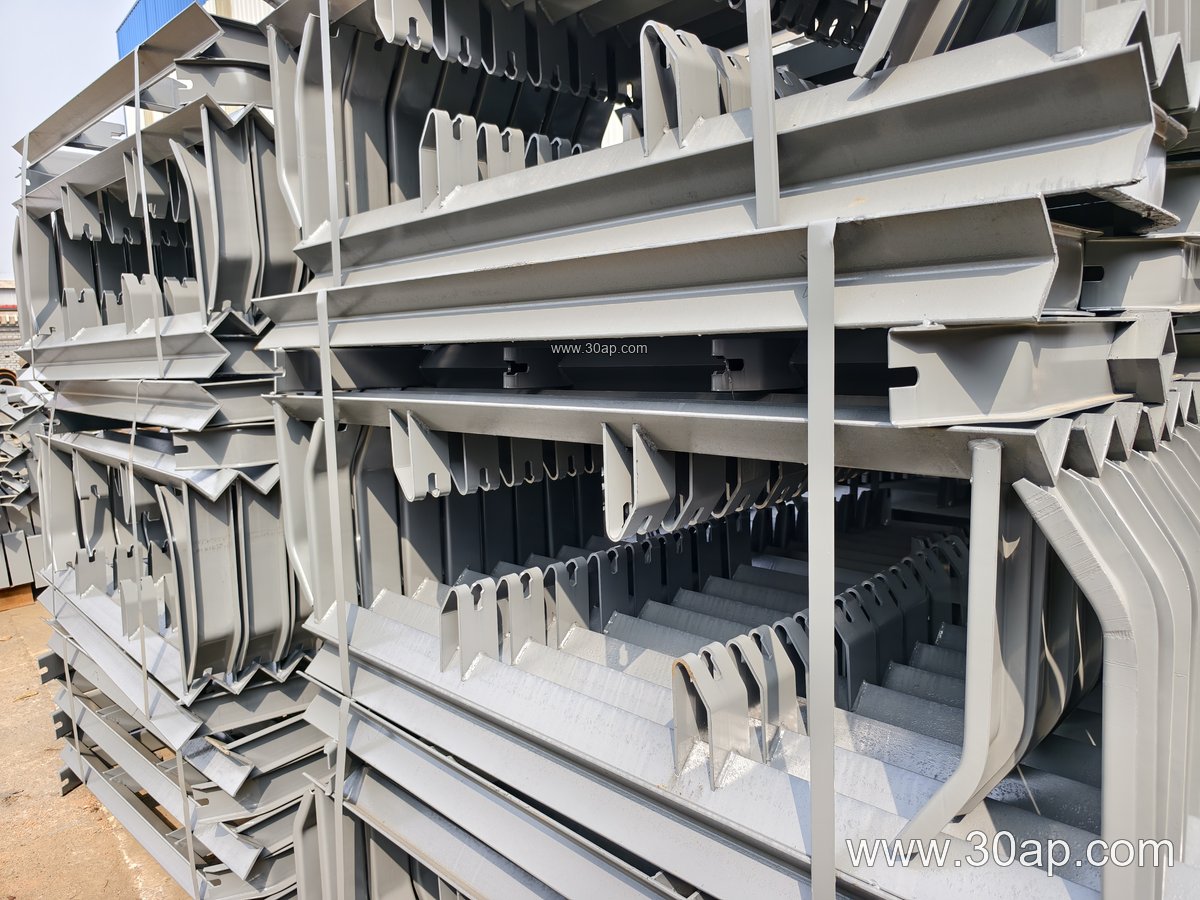
Most conveyor frames are fabricated from angle steel, channel steel, or folded steel plate. The choice depends on span, load, and the environment. A frame in a coal mining conveyor line may need heavier sections and galvanic protection, while a frame in a food or grain facility may be painted or stainless. Typical elements include:
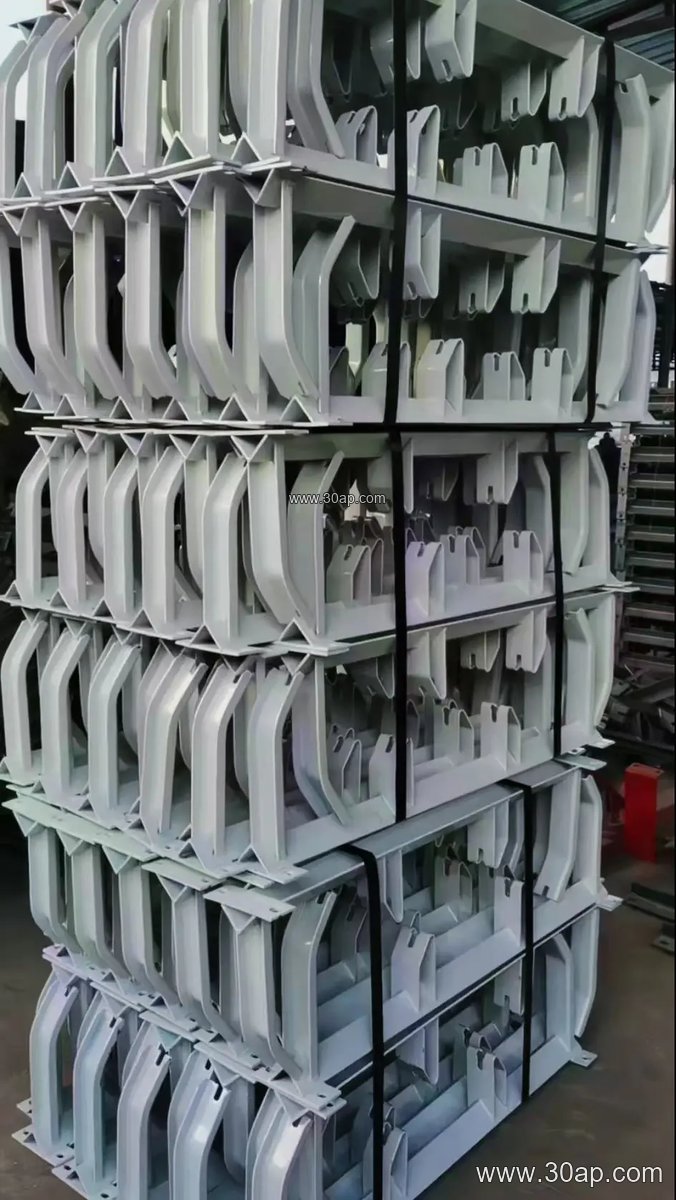
- Longitudinal stringers that run the length of the conveyor
- Cross beams that set the idler spacing
- Conveyor brackets that fix the idler positions and allow adjustment
- Mounting plates for pulleys, drive units, and take-up devices
The frame must be straight and square. Small errors in cross beam position show up as belt misalignment, edge wear, and spillage. For this reason, fabrication tolerances and proper shimming during installation matter as much as the steel grade.
Troughing Angles and Frame Geometry
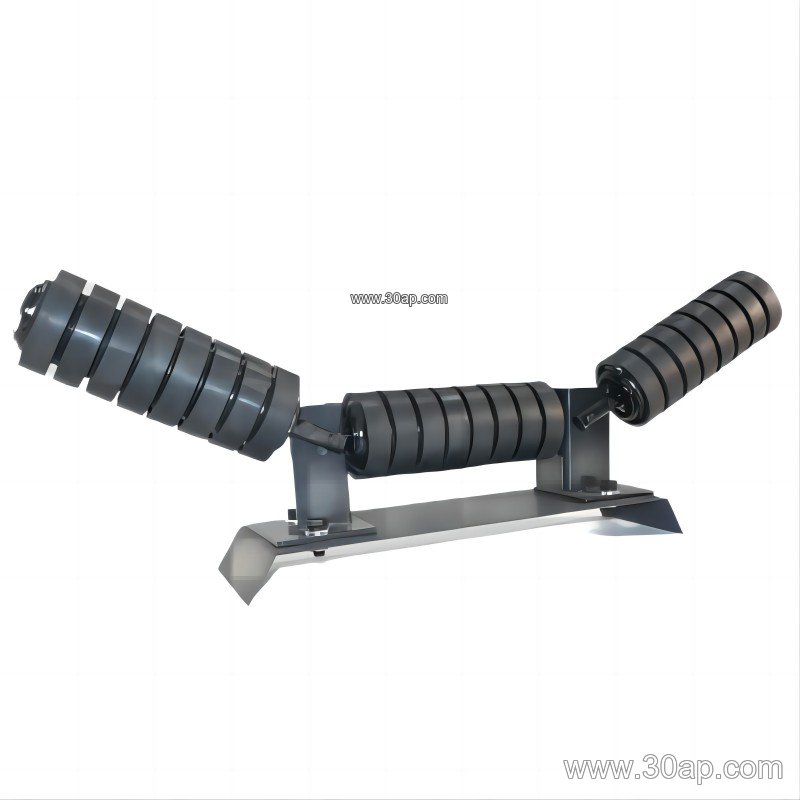
The trough angle is set by the frame and the idler arrangement it carries. Common trough angles are 20, 30, 35, and 45 degrees. A 30 degree frame is often used for general bulk material, while 35 or 45 degrees gives better capacity for fine, free-flowing loads. Adjustable frames allow the trough angle to be changed within a range, which is useful during commissioning or when the material changes.
Frame geometry also affects belt capacity and training. A transition frame between the tail pulley and the first troughing station gradually changes the belt from flat to troughed. This section is important for a fabric core conveyor belt or a steel cord conveyor belt, because abrupt transitions stress the belt edges.
Matching Frame Width to Belt and Roller Size
Frame width follows the belt width. A B650 frame is narrower than a B1200 frame, and the cross beam length and mounting hole spacing change with the width and trough angle. The following table shows common combinations used in design work. These are reference examples, not fixed rules.
| Belt Width | Typical Trough Angle | Common Idler Diameter | Typical Application |
|---|---|---|---|
| B500 | 20–30 degrees | Ø89 | Small aggregate or sand lines |
| B650 | 30 degrees | Ø89–Ø108 | Quarry and crushing circuits |
| B800 | 35 degrees | Ø108 | Cement plant and power plant coal |
| B1000 | 35–45 degrees | Ø108–Ø133 | Iron ore and heavy bulk handling |
| B1200 | 45 degrees | Ø133 | Mining and port conveyors |
| B1400–B1600 | 35–45 degrees | Ø133–Ø159 | High capacity bulk terminals |
| B1800–B2000 | 35–45 degrees | Ø159–Ø194 | Large mining and ship loading |
One belt width does not lock the frame to a single idler diameter. A B1000 frame may carry Ø108 or Ø133 rollers depending on load and belt speed. Frame designers should confirm the actual belt, roller, and pulley dimensions before fabrication.
Where Frames Are Used
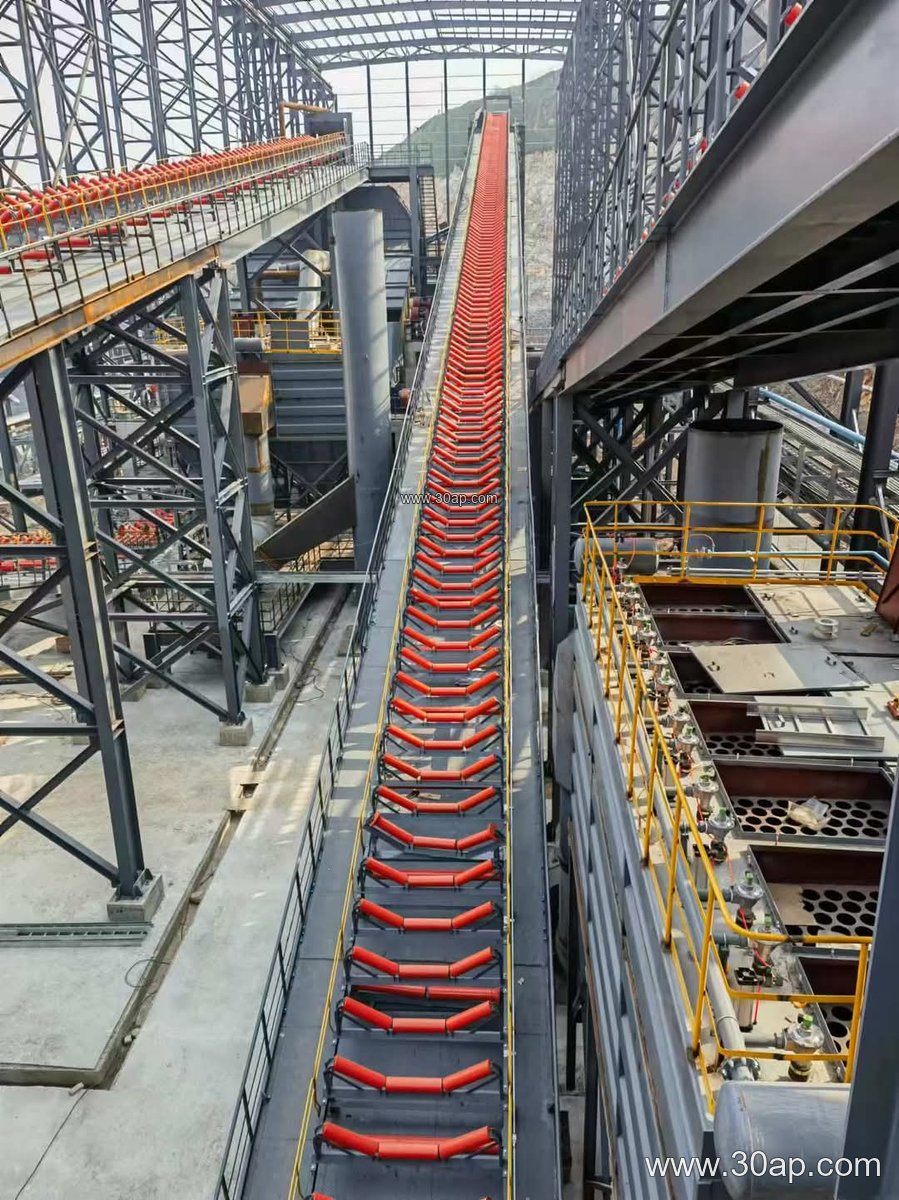
Conveyor frames appear in almost every bulk handling line. In a limestone quarry, frames support the crusher discharge belt and the screening feed. In a coal preparation plant, flame retardant conveyor belt runs on frames designed for dusty, wet conditions. In a power plant coal yard, long overland frames carry abrasion resistant conveyor belt at high tonnage. Port terminals use wide frames with heavy-duty idlers for ship loading. Each site puts different demands on the frame, so the structure should be selected for the duty, not copied from another line.
What Buyers Should Check
Before ordering, confirm the belt width, trough angle, idler diameter, and the type of idler to be mounted. Ask for the frame drawing and check that the mounting hole spacing matches the idler brackets. Confirm whether the frame is fixed or adjustable, and whether it includes transition, impact, or self-aligning stations. For a mining conveyor belt or an underground coal mining conveyor belt, check the surface treatment and the clearance for maintenance. A frame that fits the belt, the rollers, and the pulleys will last longer and run straighter.