What the NN400 Conveyor Belt Is
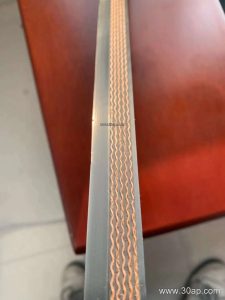
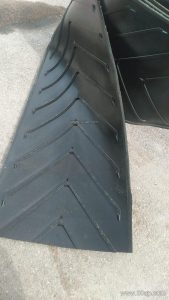
The NN400 Conveyor Belt is a fabric-core rubber belt built on nylon (NN) canvas plies. The number 400 refers to the nominal breaking strength of the carcass, commonly expressed in newtons per millimeter of belt width. In practice this places the NN400 Conveyor Belt in the medium-to-high strength range of fabric belts, above NN100, NN200 and NN300, and below steel cord constructions where much longer center distances are needed. It is an abrasion resistant conveyor belt family often chosen when a single run carries a steady load but does not justify the cost or stiffness of a steel cord carcass.
Because the carcass is a multi-ply fabric core conveyor belt, the NN400 Conveyor Belt offers good troughability, reasonable elongation behavior and reliable splice strength. Buyers comparing it with an EP Conveyor Belt usually find that nylon plies absorb impact and flex better, while polyester plies hold length more firmly under tension. Both are legitimate choices; the decision depends on the conveyor profile and the material being moved.
How the Belt Is Built
A typical NN400 Conveyor Belt combines three elements of construction.
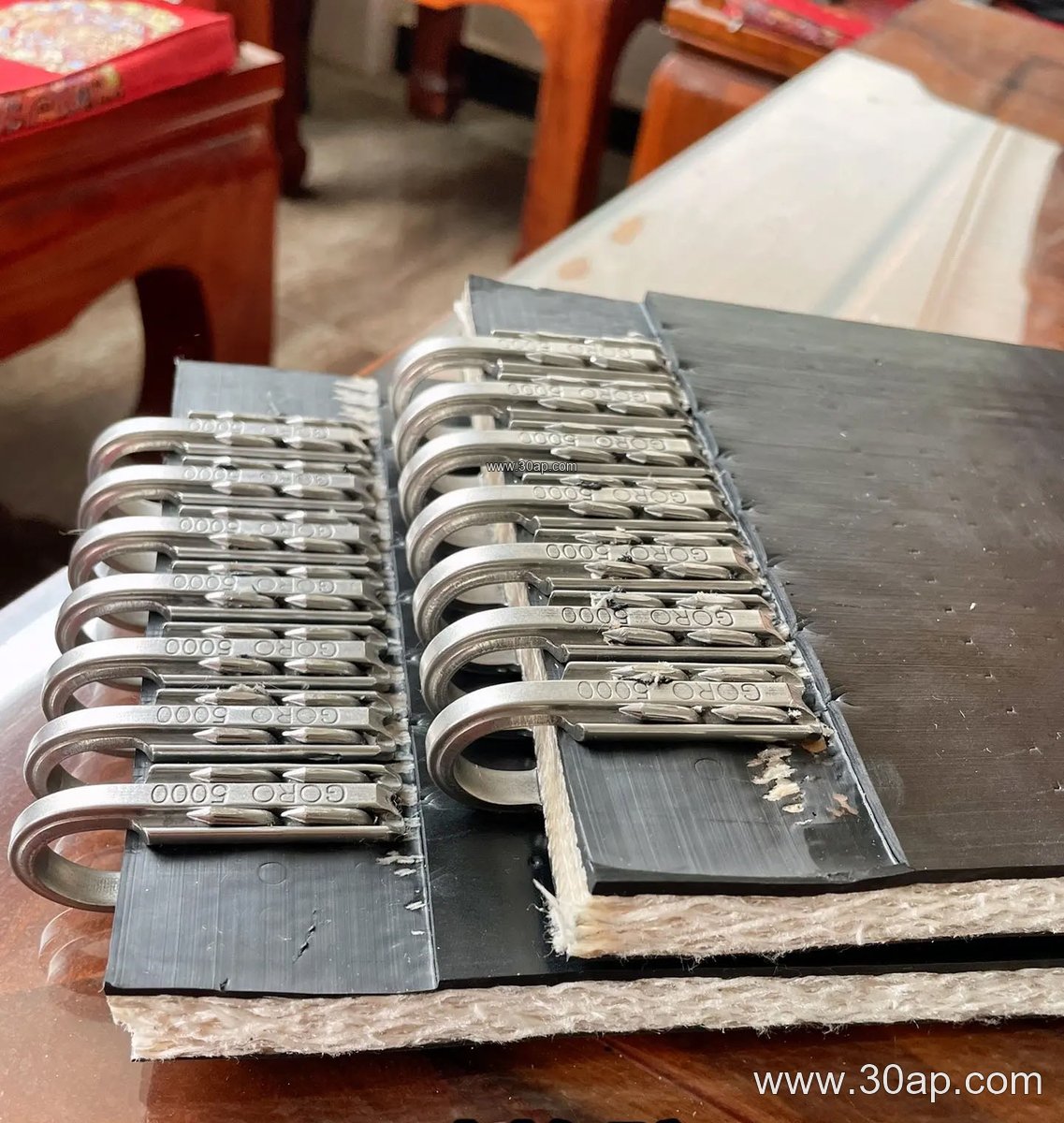
- Carcass: usually 2 to 6 plies of nylon fabric, bonded with skim rubber and frictioned layers. Ply count and ply thickness are set by the belt designer, not by the strength figure alone.
- Cover rubber: top and bottom covers protect the carcass. Common combinations include 3+1.5 mm, 4+2 mm, 5+2 mm, 6+2 mm and 8+3 mm; the right grade depends on lump size, drop height and whether the surface is wet, oily or hot.
- Edges: cut edges or molded edges, depending on the manufacturer and the risk of edge wear on the conveyor structure.
Cover compound selection matters as much as the carcass. In a quarry or aggregate plant, a high abrasion resistant cover extends service life; in a cement plant, heat resistant grades are often specified near kiln discharge; in a coal handling system, flame retardant and anti-static properties may be required by the site’s safety rules.
Where It Fits in a Conveyor Line
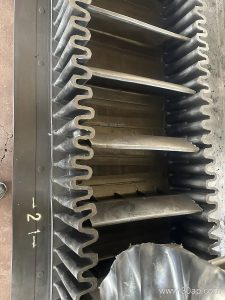
The NN400 Conveyor Belt is used across mining, coal preparation, cement, power generation, steel plants, ports and sand and gravel operations. It suits main haulage belts, crusher discharge belts, screening plant feed belts and stockyard conveyors handling bulk material such as ore, clinker, limestone, coal and aggregate. A mining conveyor belt of this class can run on relatively compact pulley centers, which is useful in underground mining conveyor layouts and in mobile crushing spreads where space is limited.
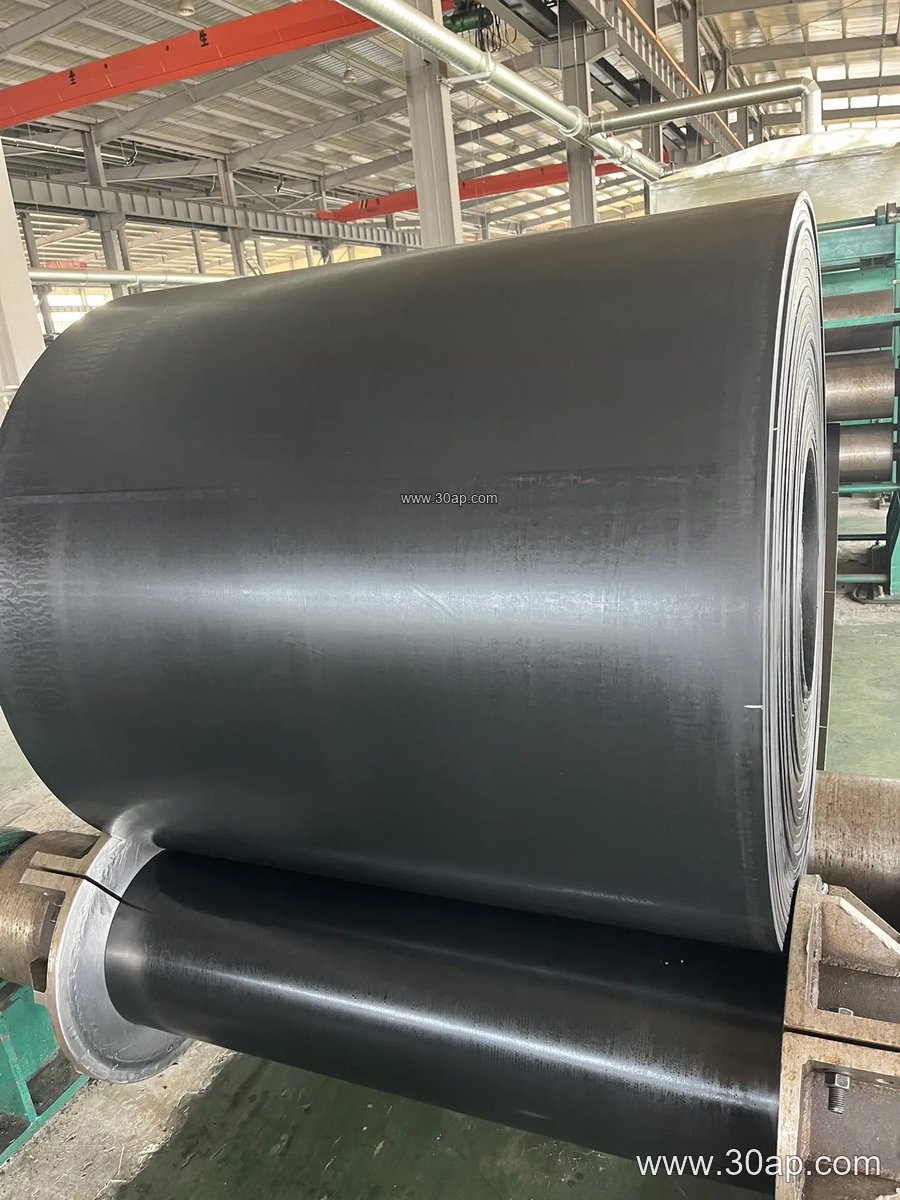
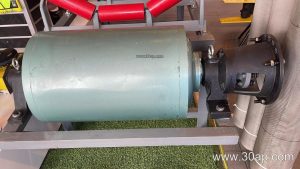
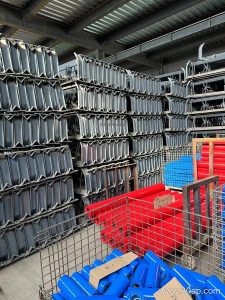
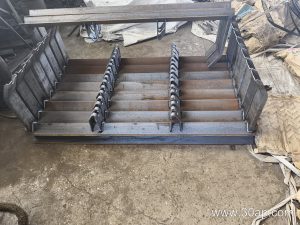
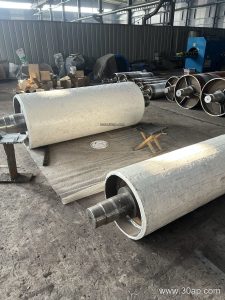
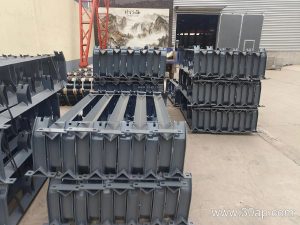
The belt does not work alone. It runs over conveyor pulleys—drive pulleys, tail pulleys and bend pulleys, each with a distinct role—and is supported by idler rollers spaced along the carrying and return sides. Conveyor brackets hold those idlers and pulleys in alignment. Belt width must be matched to the pulley face and frame, but there is no fixed rule tying one belt width to one pulley diameter; the pulley size is calculated from tension, wrap angle and shaft load. Likewise, shaft diameter should never be guessed from belt width alone.
Common Reference Dimensions
The table below shows typical reference values, not universal specifications. Actual supply is confirmed by the manufacturer’s design sheet.
| Parameter | Typical reference range |
|---|---|
| Carcass type | NN nylon fabric, multi-ply |
| Nominal strength | NN400 grade (about 400 N/mm) |
| Belt width | B500, B650, B800, B1000, B1200, B1400, B1600, B1800, B2000 mm |
| Ply count | 2 to 6 plies, by design |
| Cover thickness | 3+1.5, 4+2, 5+2, 6+2, 8+3 mm |
| Cover grades | Abrasion resistant, heat resistant, oil resistant, flame retardant, anti-static, cold resistant |
Where a wider belt is needed, an 800mm Conveyor Belt or 1000mm Conveyor Belt may be adequate for a medium duty line, while a 1200mm or 1400mm width is more typical of high-tonnage primary haulage. The NN400 grade is often selected for the middle of that range.
Selection and Maintenance Notes
Choosing an NN400 Conveyor Belt starts with the duty: tonnage per hour, material density, lump size, drop height, trough angle, incline and environmental conditions. From these, the designer calculates operating tension, then checks the safety factor of the carcass, the required cover grade and the minimum pulley diameter for the splice. A belt that is over-specified wastes money; one that is under-specified fails at the splice or at the edge.
On site, keep the belt tracking straight, maintain idler rollers so they turn freely, and inspect the drive pulley lagging and the tail pulley for material build-up. Splice quality is critical on a fabric core belt, since most failures begin at the joint. Store spare rolls away from sunlight, oil and ozone sources, and rotate stock so the oldest belt is used first.
For buyers sourcing from china-conveyorbelt.com, confirm the carcass grade, ply count, cover thickness and cover grade in writing, and ask for the recommended minimum pulley diameter. Similar checks apply to idler roller and conveyor pulley suppliers, because the belt and the hardware must be designed as one system.