What a 1400mm Diameter Conveyor Pulley Is
A 1400mm diameter conveyor pulley is a large-diameter drum used at the head, tail, or bend points of a bulk handling conveyor. At this size it is usually a heavy-duty component, built to carry high belt tensions and to spread load over a longer arc of contact. In a copper mine or a large aggregate plant, a pulley of this diameter often works alongside a 1400mm conveyor belt or a wider 1600mm belt, depending on the conveyor design.
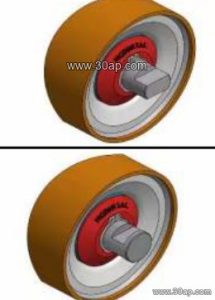
The pulley is not a standalone item. It turns with the conveyor belt, pulls against the conveyor pulley lagging, and is held by a conveyor bracket or frame that must be sized for the load. When the pulley is a drive unit, it transfers torque from the gearbox to the belt; when it is a tail or bend unit, it guides and tensions the belt instead.
How the Drum Is Built
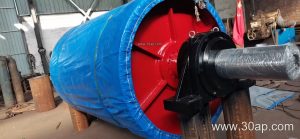
A 1400mm diameter conveyor pulley typically has a steel shell, two end discs, a shaft, and a lagging layer on the face. The shell is rolled and welded, then machined so the face runs true. The shaft is chosen by torque and bearing load, not by belt width alone. Common shaft diameters in this class can range from Ø160 to Ø200 and beyond, but the final value depends on the drive duty and the bearing span.
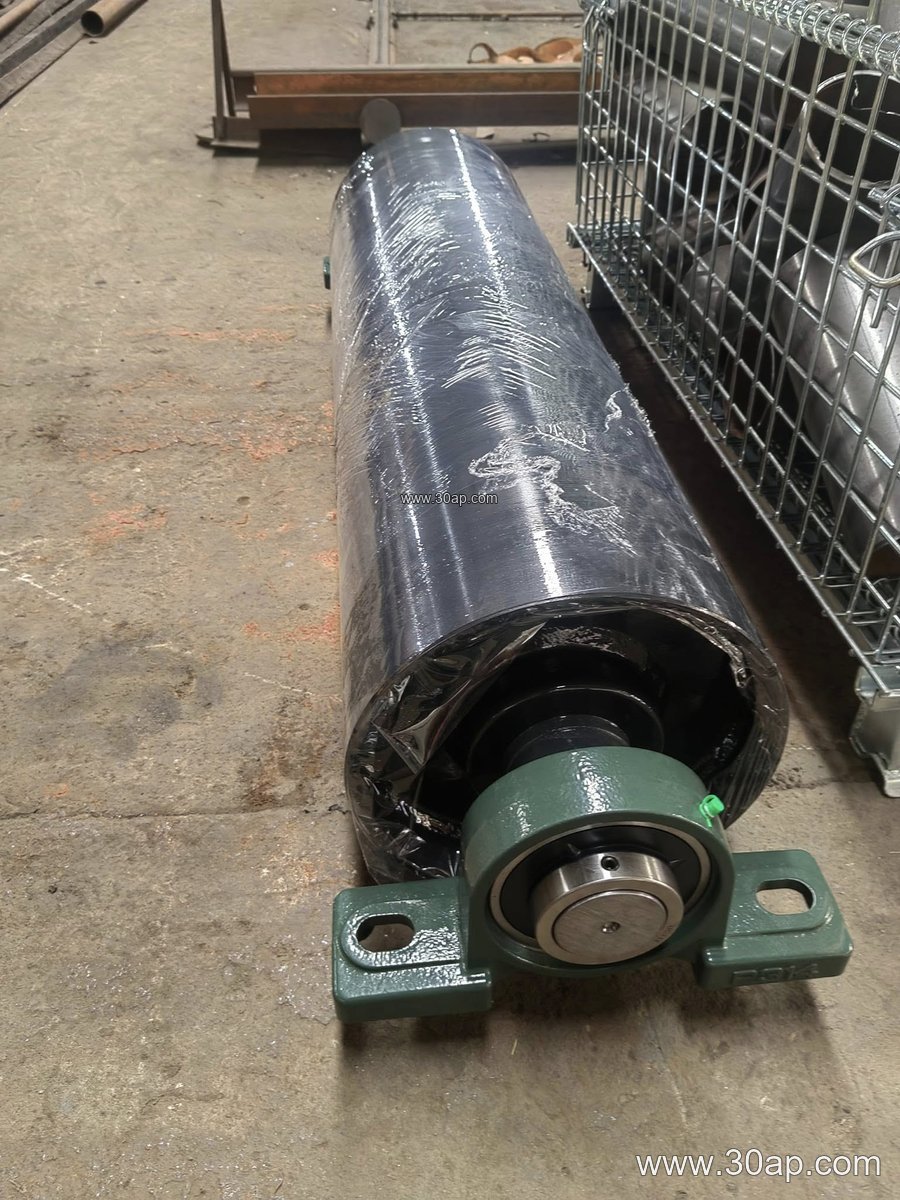
The face width is usually larger than the belt width. For reference, a B1400 belt often runs on a pulley face of about 1600mm, while a B1200 belt usually matches a face around 1400mm. These are common reference values, not fixed rules, and the actual face width is set by the conveyor design.
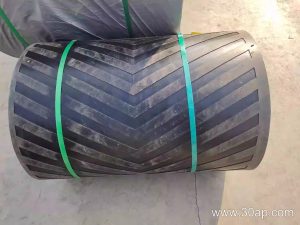
Surface options include plain, cold-bonded rubber, hot vulcanized rubber, diamond lagging, herringbone lagging, and ceramic lagging. Lagging thickness is often 8, 10, 12, 15, or 20mm. In a quarry or a cement plant, diamond or ceramic lagging is often chosen where the belt may slip or where abrasive dust is present. A conveyor pulley of this size may also be supplied with a shaft-mounted gearbox or as part of an electric drum arrangement, but the drum itself remains the main subject.
Where This Size Fits
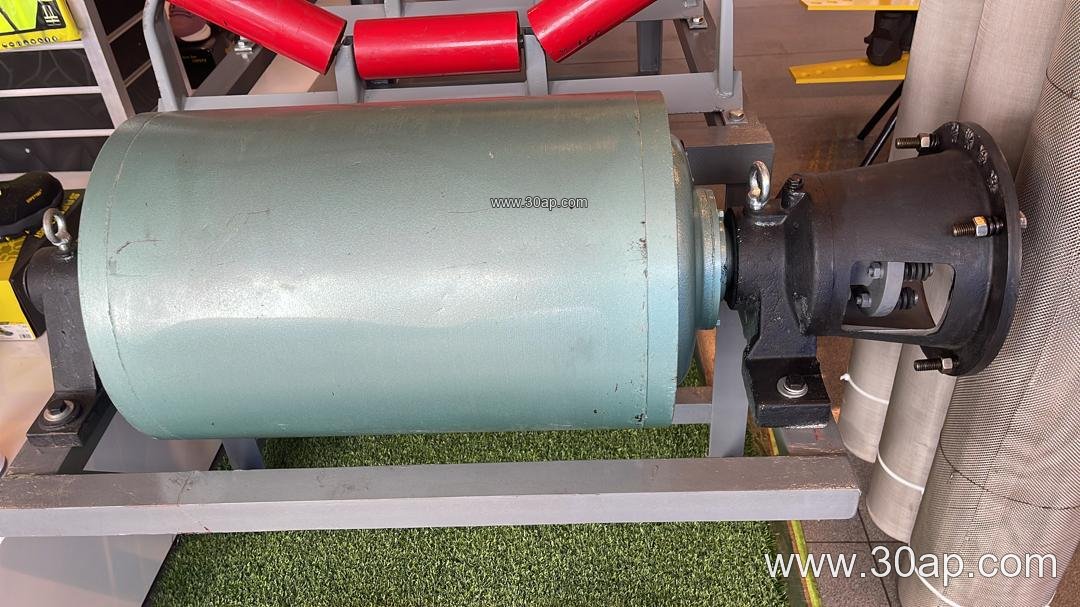
A 1400mm diameter pulley is common in high-capacity lines where the belt is wide and the tension is high. It can appear as a head pulley at a transfer point in a limestone mine, as a bend pulley on a long overland route, or as a tail pulley in a power plant coal yard. In a port bulk terminal, a pulley of this diameter may help guide a heavy steel cord conveyor belt around a curve without over-bending the carcass.
It is also used in crushing and screening circuits, where a crusher conveyor belt carries run-of-mine rock. The larger diameter reduces the bending stress on the belt and gives a longer contact arc for traction. On a downhill or regenerative conveyor, the same size may be selected for braking duty rather than for pure driving.
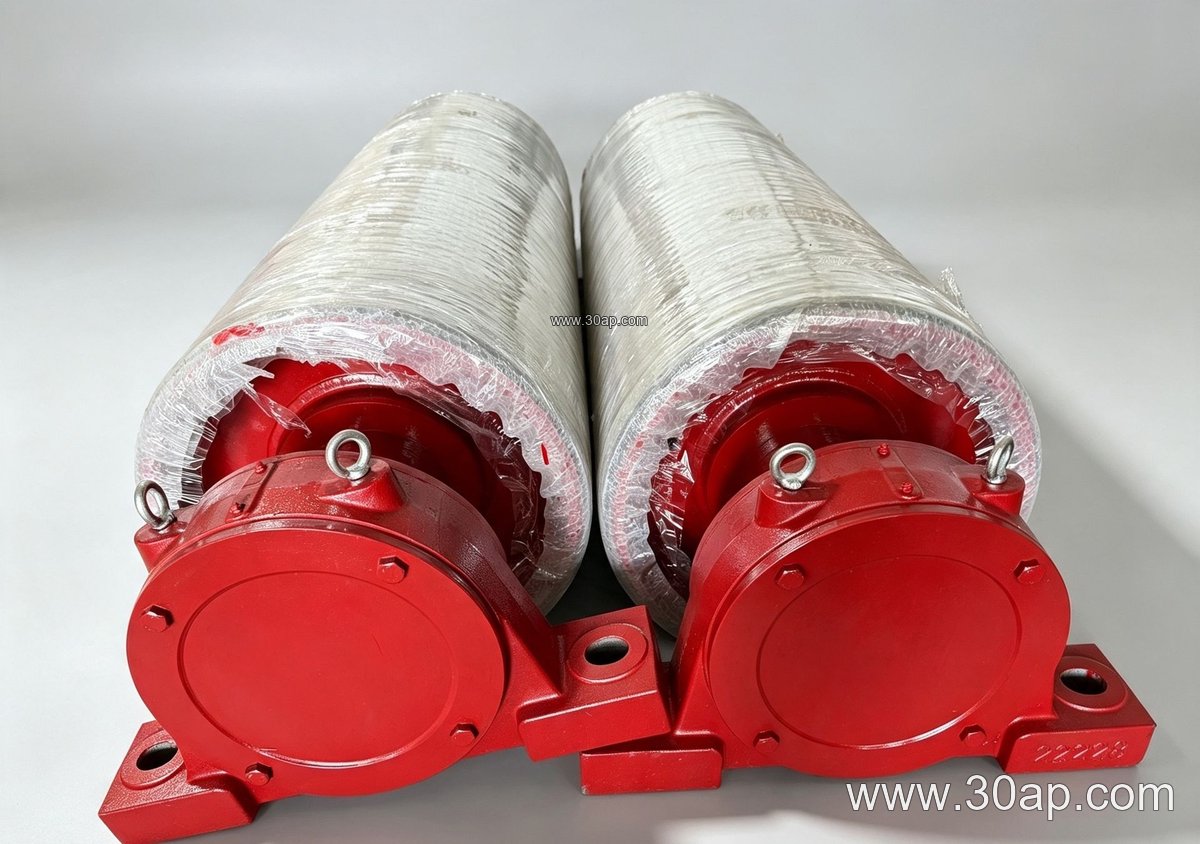
Do not confuse this drum with a drive pulley, tail pulley, or bend pulley by name alone. The 1400mm diameter is a size, not a position. A drive pulley and a bend pulley can both be 1400mm in diameter, but they are not interchangeable parts because their shafts, bearings, and lagging are chosen for different loads. A smaller tail pulley, for example Ø800 or Ø1000, may be used on the same conveyor where the belt tension is lower.
Buyer Checklist
- Confirm the pulley position: drive, tail, bend, take-up, or snub. Each position changes the load case.
- State the belt width and the required face width. A B1400 belt usually needs a face around 1600mm, but verify with the conveyor layout.
- Give the belt type and tension. An EP conveyor belt, an NN conveyor belt, and a steel cord belt all load the drum differently.
- Specify the lagging surface and thickness. Plain, diamond, herringbone, and ceramic each suit different slip and wear conditions.
- Provide the shaft diameter and bearing type from the conveyor design, not from a rule of thumb.
- Check the conveyor bracket and frame dimensions, because a 1400mm drum needs a larger mounting envelope than a 1000mm unit.
- Ask for the balancing grade, runout, and welding inspection records that apply to the order.
For abrasive ore lines, a high abrasion resistant conveyor belt and a ceramic-lagged drum are often considered together, since both parts wear at the same contact zone. In a coal yard, a flame retardant conveyor belt may be required, and the pulley lagging should be selected to match the fire safety approach of the whole system.
Installation and Maintenance Notes
Alignment matters more at large diameters. A 1400mm diameter conveyor pulley should be checked for squareness to the belt centerline, and the idler roller stands on the approach side should be aligned so the belt enters the drum evenly. Bearing clearance, lubrication, and lagging wear are the usual inspection points. If the lagging wears unevenly, check for belt mistracking before replacing the drum.
Keep spare lagging sheets and fasteners on hand for high-wear sites such as a sand and gravel line or a sintering plant. Record the shaft diameter, face width, lagging type, and bearing number so a replacement can be matched without guesswork. A 1400mm diameter drum is a long-life item, but it still depends on correct belt tension, good tracking, and a frame that does not flex.