What a Crusher Conveyor Belt Does
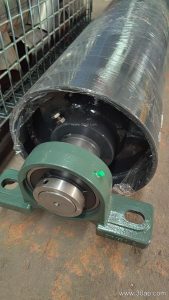
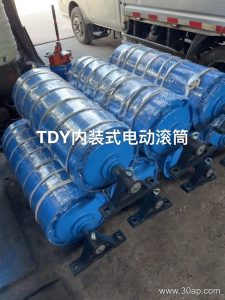
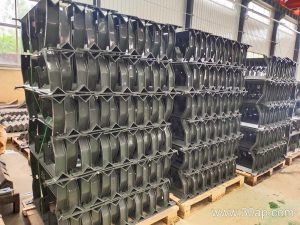
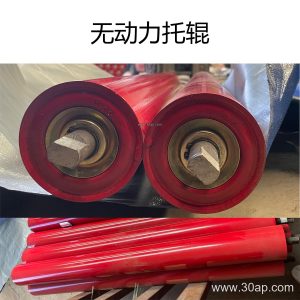
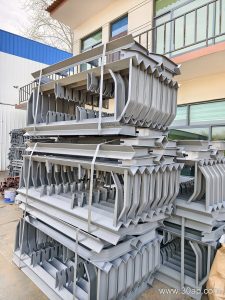
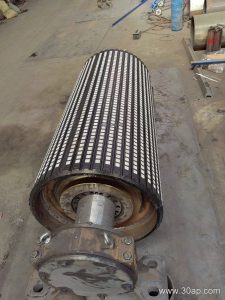
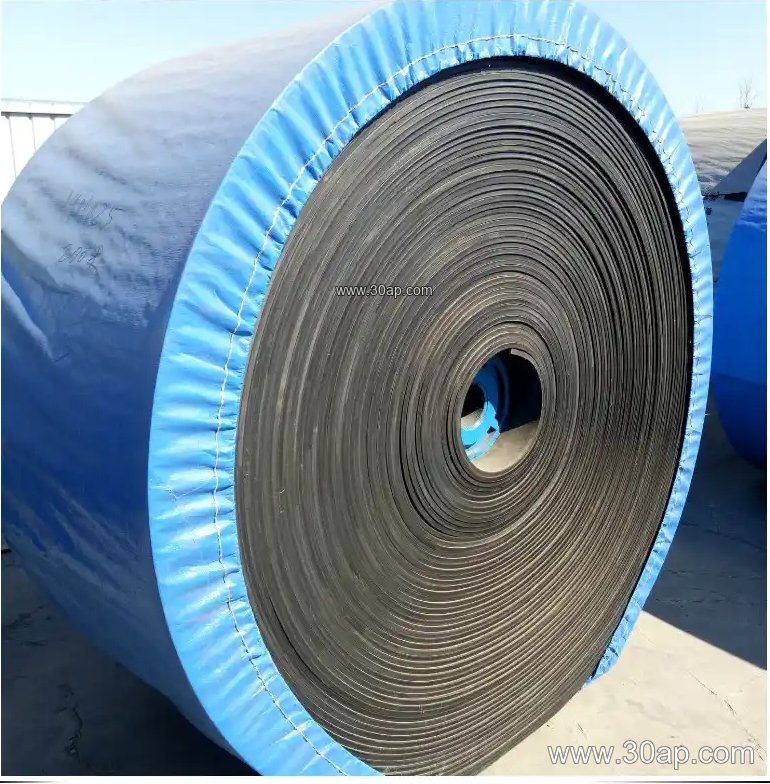
A crusher conveyor belt is the heavy-duty belt that carries crushed rock away from a primary, secondary, or tertiary crusher and feeds material onward to screens, stockpiles, or the next stage of size reduction. In practice, this is a Crusher Conveyor Belt built for shock loading, sharp edges, and continuous duty rather than a general-purpose light belt. It sits on a frame supported by an idler roller set, wraps around a conveyor pulley at the head and tail, and is held in line by a conveyor bracket and training idlers along the run.
The duty is severe. Material leaving a jaw or cone crusher arrives in uneven lumps, often still warm from friction, and drops onto the belt with impact energy that a standard fabric belt cannot absorb for long. That is why buyers in mining, quarrying, cement, and aggregate plants treat the crusher discharge belt as a separate specification item, not as an afterthought to the main haulage belt.
Construction and Belt Types
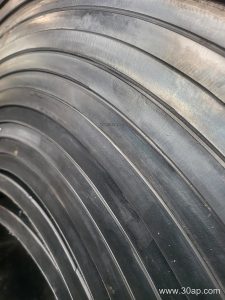
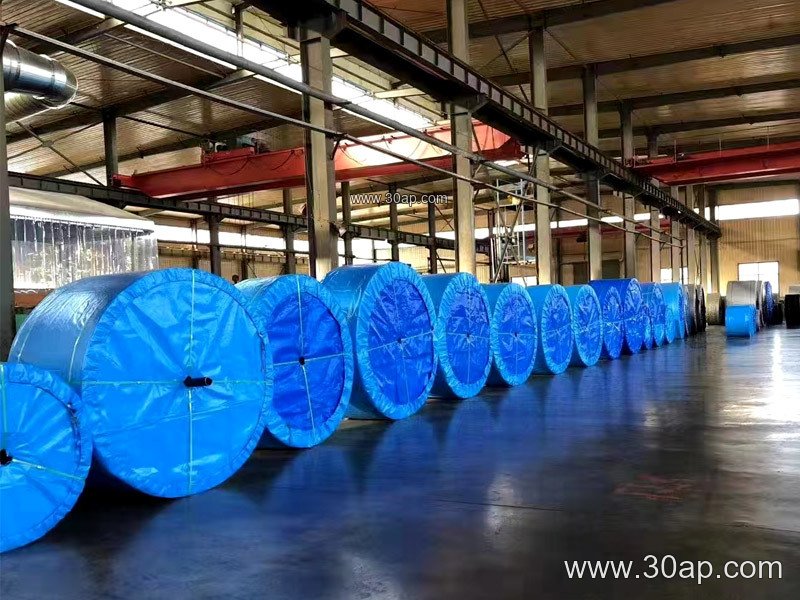
Most crusher discharge belts use a fabric core or steel cord carcass with thick rubber covers. The carcass carries tension, while the top cover absorbs abrasion and impact and the bottom cover protects against pulley and idler contact. Common constructions for this duty include:
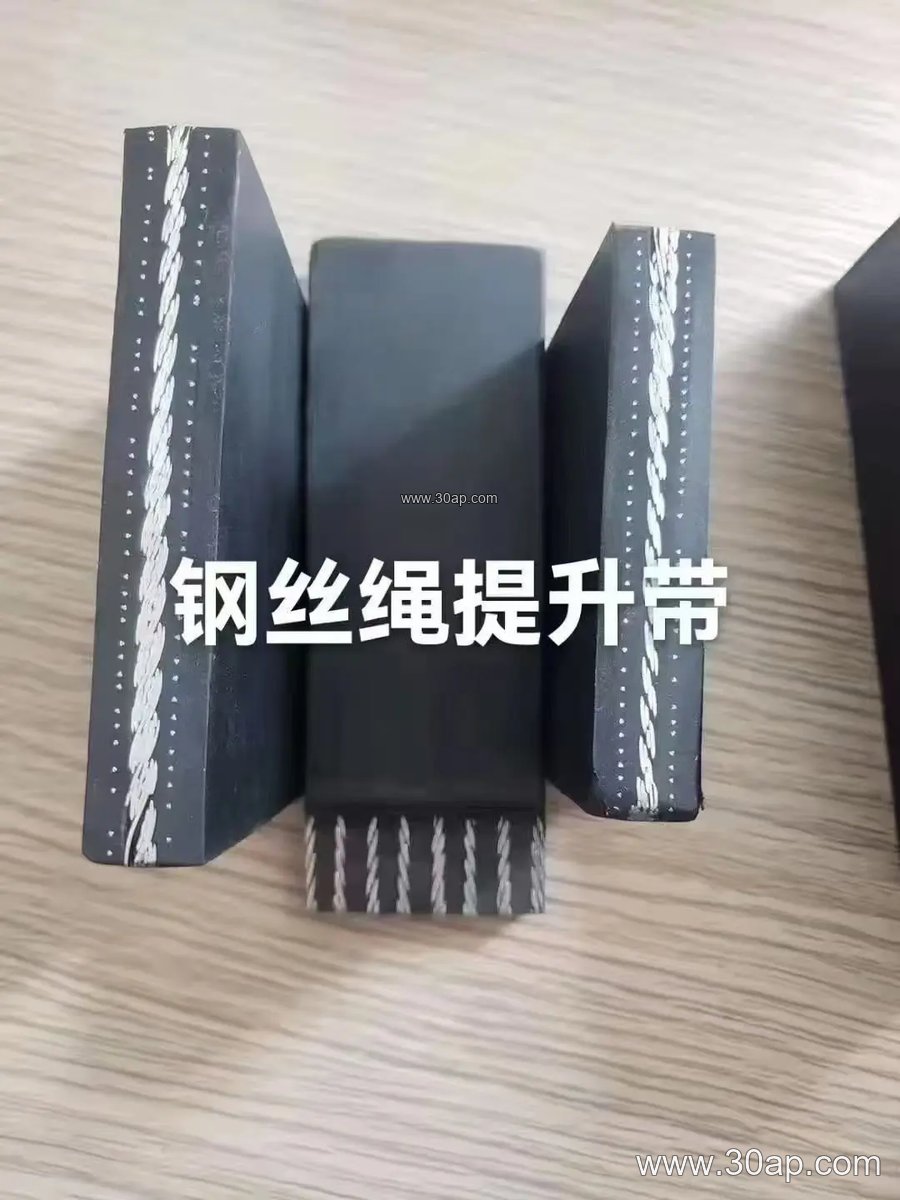
- EP conveyor belt with polyester-nylon plies, widely used where moderate tension and good troughability are needed.
- NN conveyor belt with nylon-nylon plies, valued for impact absorption and flex fatigue resistance.
- Steel cord conveyor belt for long, high-tension runs and high tonnage circuits.
- Multi-ply fabric core builds for shorter transfer points and mobile plants.
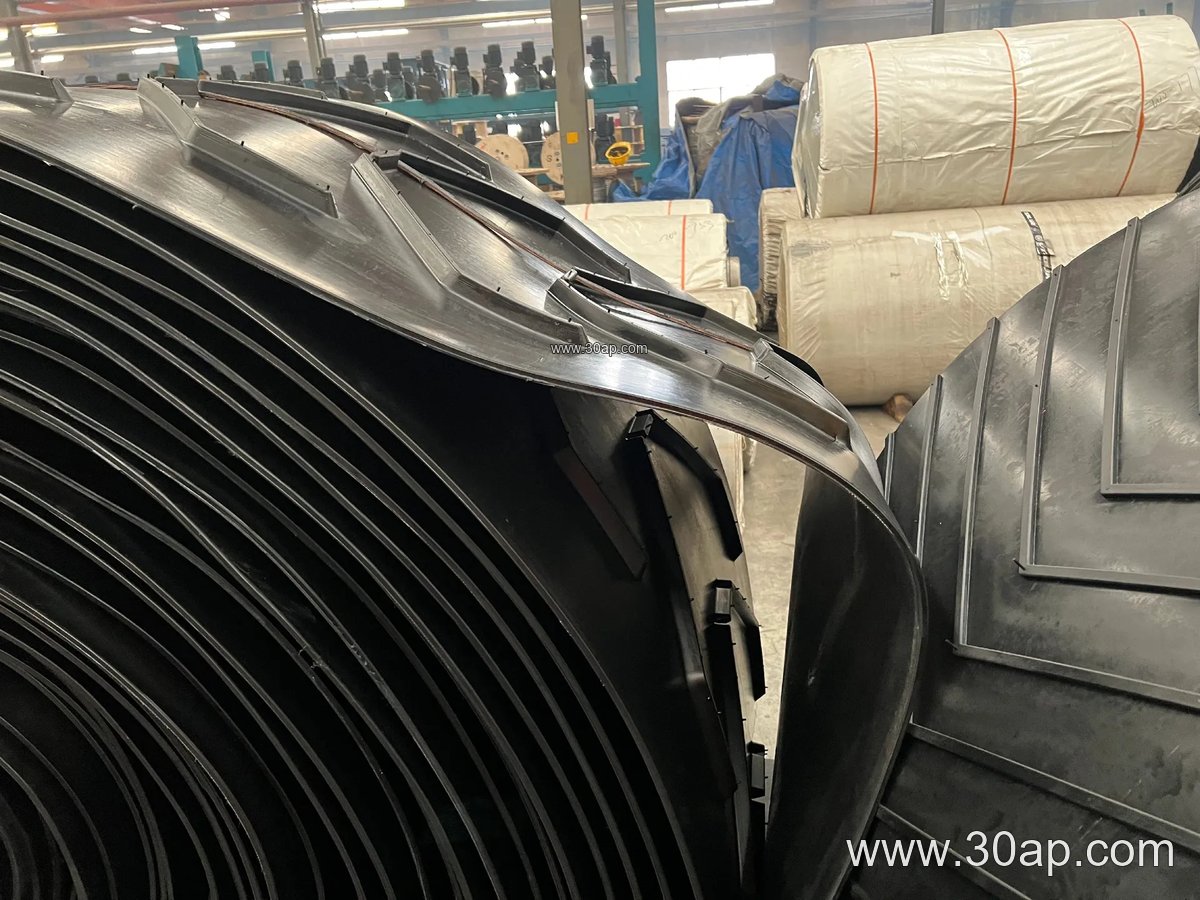
Surface and cover options matter as much as the carcass. An abrasion resistant conveyor belt grade suits sharp crushed stone; a heat resistant conveyor belt is chosen where clinker or hot aggregate is present; flame retardant and anti-static grades are typical for coal mining conveyor belt applications underground. For steep inclines, a chevron conveyor belt or a corrugated sidewall belt with skirted edges can prevent rollback, though these are separate constructions from the flat crusher discharge belt.
Typical Specifications
Values below are common reference ranges, not universal guarantees. Final figures are set by the conveyor designer and confirmed with the belt manufacturer.
| Parameter | Typical range | Notes |
|---|---|---|
| Belt width | B500, B650, B800, B1000, B1200, B1400, B1600 | Matched to lump size and required capacity |
| EP strength grades | EP200, EP315, EP400, EP500, EP630, EP800, EP1000 | Higher grades for longer or steeper runs |
| Cover thickness | 4+2, 5+2, 6+2, 8+3 mm | Thicker top cover at impact points |
| Carcass plies | 2 to 6 layers | Depends on tension and impact demand |
| Steel cord grades | ST1000 to ST3150 | For high-tension main lines |
Width and pulley diameter are separate design decisions. A given belt width does not fix one pulley diameter, and shaft size follows the calculated loads rather than the belt width alone.
Where It Is Used
Crusher discharge belts appear across size-reduction plants. In a sand and gravel operation, an aggregate conveyor belt may run only a few metres from the cone crusher to a screen. In iron ore and copper ore plants, a longer ore conveyor belt carries crushed feed to grinding. Cement plants use them under clinker and limestone crushers; power plants use them in coal handling; steel plants move crushed flux and coke. Underground coal mining conveyor belt systems add flame resistance and anti-static requirements to the same basic duty.
Related hardware deserves attention during specification: idler roller spacing at the load point, impact idlers under the crusher, pulley lagging, and the conveyor bracket arrangement that keeps the frame aligned. A well-chosen belt will still fail early if the loading chute drops material directly onto a bare section or if a worn conveyor pulley causes tracking problems.
Buyer Checklist
- Confirm peak lump size and drop height, then size the top cover and impact idlers accordingly.
- State the material temperature and whether oil, chemicals, or fire risk apply, so the correct heat resistant, oil resistant, or flame retardant grade is quoted.
- Check whether the belt is ordered as an endless conveyor belt or with mechanical fasteners, and confirm the splice method suits the carcass.
- Verify pulley diameters and take-up travel against the belt’s minimum bend radius.
- Ask for cover grade, ply count, and strength grade in writing rather than accepting a generic description.
For more on matching belts to frames and rollers, see the component notes at https://www.jsconveyorbelt.com and the pulley guidance at https://www.jsconveyorbelt.com. A crusher conveyor belt chosen on abrasion resistance, impact rating, and correct carcass strength will usually outlast a cheaper belt that was selected on price alone.