What a Conveyor Bracket Quotation Covers
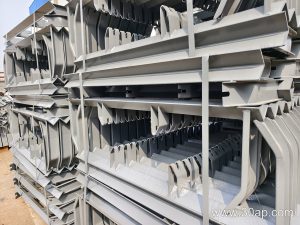
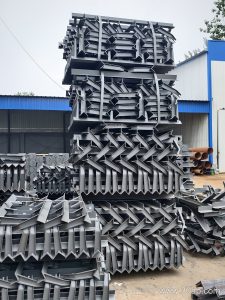
A conveyor bracket quotation is the commercial and technical summary a supplier prepares for the steel structures that hold idlers and keep a conveyor belt in its proper trough shape. The bracket is a fabricated part, usually made from angle steel, channel steel, or folded steel plate, and it is bolted to the conveyor frame. Because brackets carry the load transferred from the belt and the material, the quotation should describe the bracket type, material, surface treatment, and the installation hole spacing that matches the buyer’s frame.
When buyers request a conveyor bracket quotation, they are usually ordering several bracket families at once: trough brackets on the carrying side, return brackets underneath, and transition or impact brackets near the loading point. A clear quotation separates these items by line so the maintenance team can compare quantities and spares.
Common Bracket Types and Where They Fit
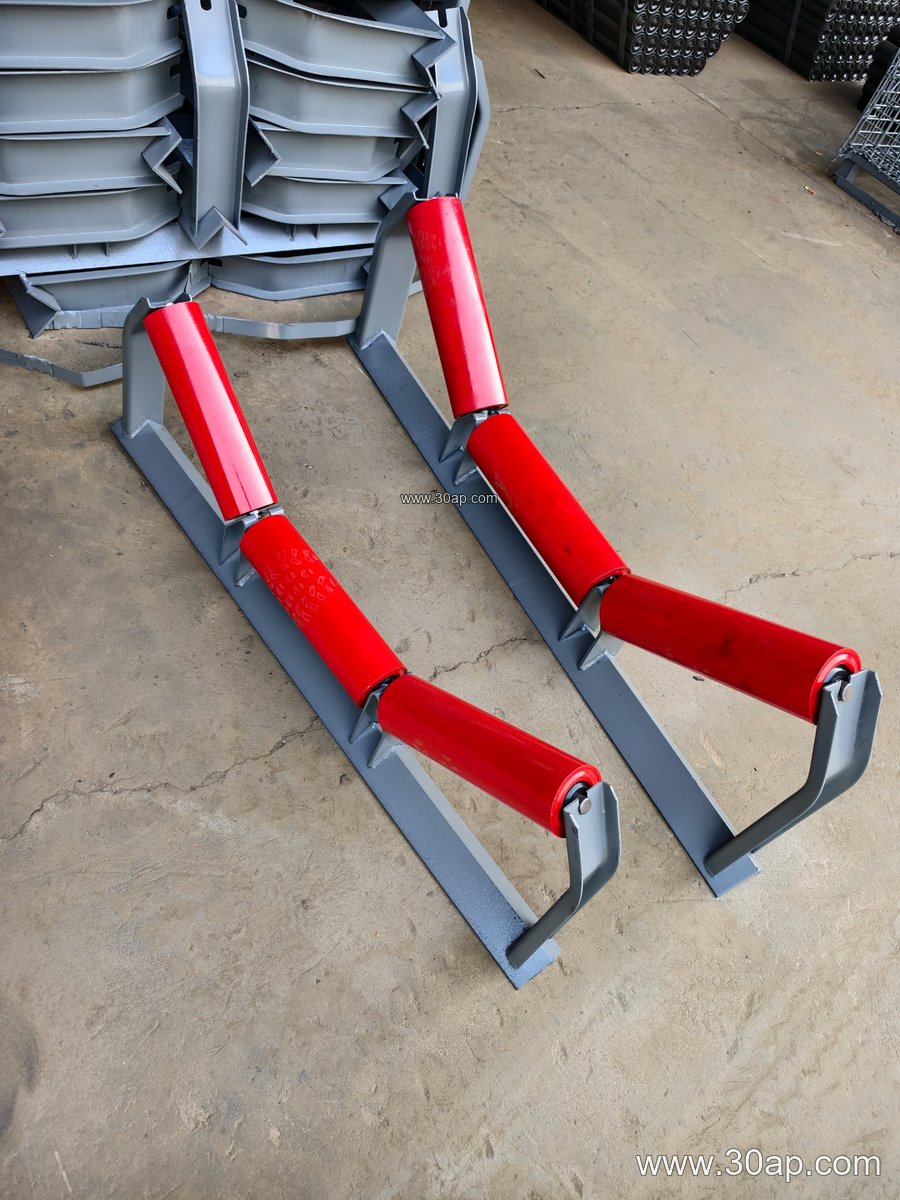
The carrying side normally uses a trough bracket, often called a troughing bracket, with three idler positions. The trough angle is a key specification. Common angles include 20 degrees, 30 degrees, 35 degrees, and 45 degrees. A fixed bracket holds one angle, while an adjustable bracket allows the angle to be changed within a range. Self-aligning and forward-leaning brackets are also available for belt training, and the forward lean is usually about 1.5 to 2 degrees.
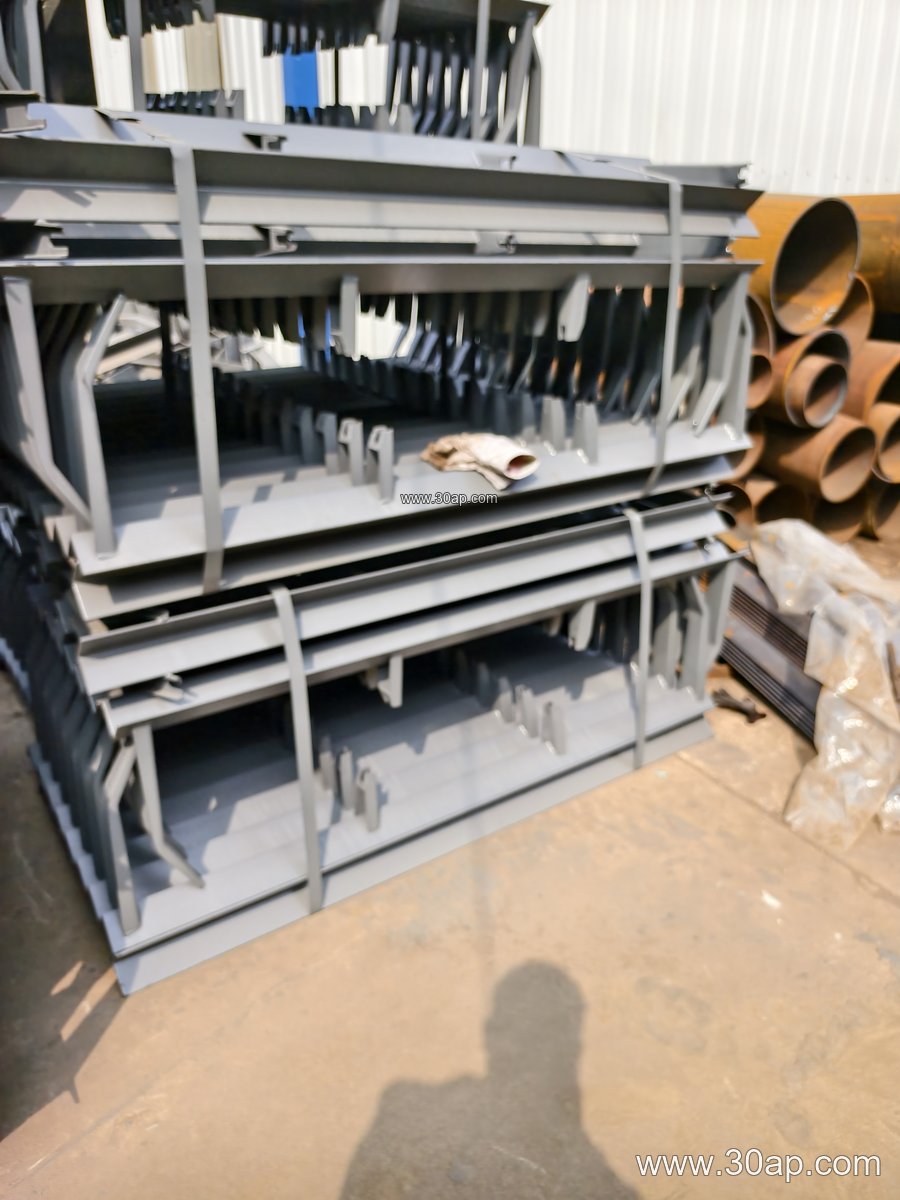
On the return side, a flat return bracket or a V-return bracket supports the belt. Near the feed point, impact brackets with cushioning idlers protect the belt from falling rock. Hanging brackets are used in some compact or mobile conveyor layouts. Each type should appear as a separate line in the conveyor bracket quotation, because they are not interchangeable.
- Trough bracket for the carrying run
- Transition bracket near the tail and discharge
- Return bracket or V-return bracket for the lower run
- Impact bracket at the loading zone
- Self-aligning bracket for belt tracking
Matching Belt Width, Trough Angle, and Idler Diameter
Bracket dimensions follow the belt width and the chosen trough angle. Common belt widths in bulk handling include B500, B650, B800, B1000, B1200, B1400, B1600, B1800, B2000, B2200. The idler diameter is selected from the load and speed conditions, with common sizes such as Ø89, Ø108, Ø133, Ø159, and Ø194. A bracket can be described as B800, 35 degrees, Ø108, or B1200, 45 degrees, Ø133, but these are examples rather than fixed rules. The beam length and mounting hole spacing change with belt width and trough angle, so they should be confirmed on the drawing.
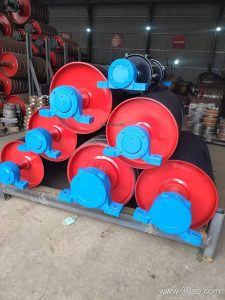
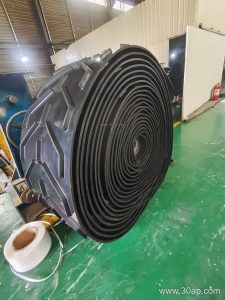
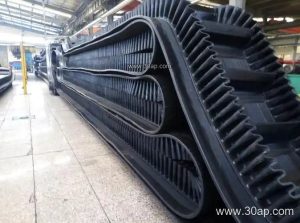
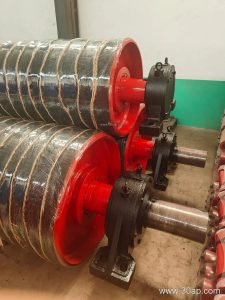
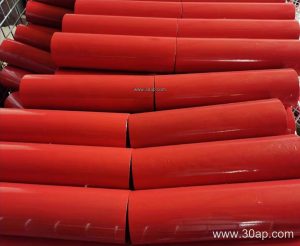
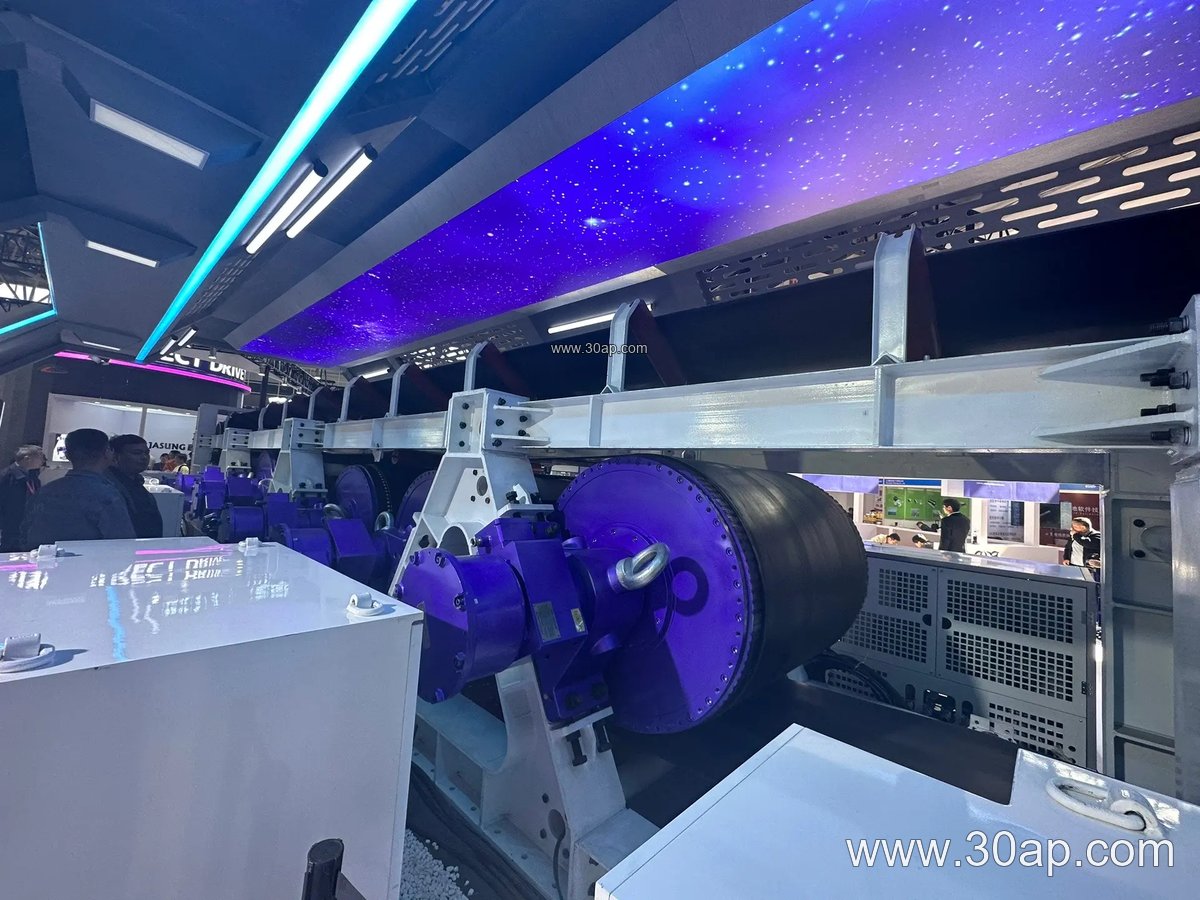
Brackets work together with conveyor pulleys, idler rollers, and the belt itself. A heavy-duty mining conveyor belt or a steel cord conveyor belt carries higher tension and may need a stronger frame, while a fabric core belt on a short aggregate line may use lighter brackets. The quotation should reflect the actual duty, not a generic assumption.
Materials, Finish, and Site Conditions
Most brackets are made of angle steel or channel steel, with folded plate used for some covers and supports. Surface treatment is usually painted or galvanized, and the choice depends on the environment. In a coal preparation plant or an underground coal mining conveyor, moisture and dust are constant concerns, so galvanized or well-coated brackets are often preferred. In a cement plant or power plant coal yard, abrasive dust can collect on the frame, so easy cleaning and sturdy welds matter.
The quotation should state the steel grade, plate thickness, welding standard, and finish. It should also note whether fasteners are included. A bracket quotation without fixing details can create problems during installation.
Quotation Details Buyers Should Check
A useful quotation is more than a price. It should include a drawing or dimension sketch, the bracket type and quantity, the belt width and trough angle, the idler diameter, the material and finish, and the packing method. For a quarry conveyor or a crushing and screening line, spare brackets for the impact zone are often worth adding to the first order.
Buyers should also ask about lead time, minimum order quantity, and whether the supplier can produce non-standard hole spacing. For a port conveyor or a steel plant sinter line, the bracket must fit the existing frame without field modification. For a food or fertilizer plant, the finish may need extra attention, but the bracket remains a structural part, not a food-contact surface.
A well-prepared conveyor bracket quotation helps maintenance planners keep the right spares on site and keeps the belt running straight. Whether the plant handles iron ore, limestone, coal, or sand, the bracket is a small part that directly affects idler life and belt tracking. Reviewing the quotation against the actual frame drawing is the simplest way to avoid a costly mismatch.