What This Belt Is Built to Do
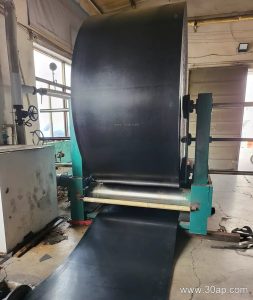
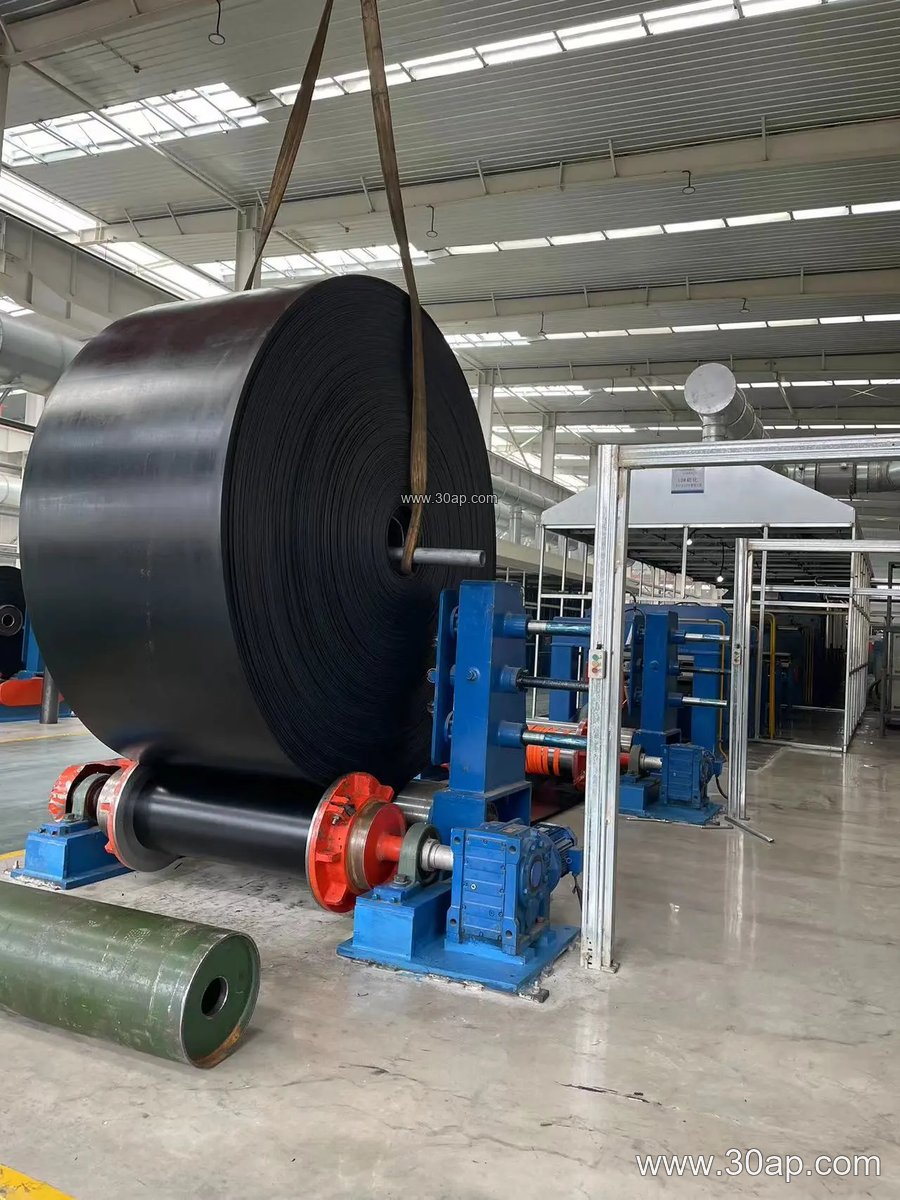
A high abrasion resistant conveyor belt is designed for the punishing side of bulk handling: sharp rock, crushed stone, sinter, clinker, ore and other materials that grind away ordinary covers. In a quarry, a cement plant or a coal preparation circuit, the belt surface takes a constant scrubbing from lumps and fines. This product is a rubber conveyor belt whose cover compound and carcass are selected to slow that wear, so the belt keeps its load-carrying profile longer and needs fewer shutdowns for replacement.
The keyword describes a performance class rather than one fixed recipe. Suppliers vary in compound, thickness and carcass, so buyers should treat stated values as design references and confirm them against the actual duty.
Construction and Material Choices
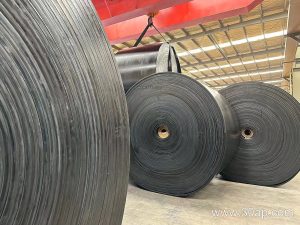
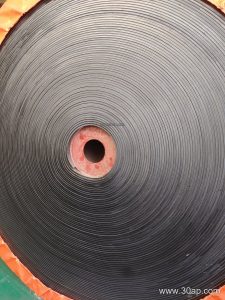
The working surface is a wear-resistant rubber cover, usually with a harder, tougher compound than general-purpose covers. Underneath sits the carcass, which carries tension and absorbs impact. Common carcasses include EP conveyor belt (polyester warp, nylon weft), NN conveyor belt (nylon both ways), and steel cord conveyor belt for very long, high-tension runs.
For most quarry and aggregate duties, a multi-ply fabric core conveyor belt in EP or NN is typical. A fabric core conveyor belt with two to six plies is common, depending on load and pulley centers. Steel cord construction appears when the route is long and tension is high, often in mining and port applications.
- Cover grades: abrasion resistant, with heat or oil variants where the cargo demands it
- Carcass: EP, NN, or steel cord, selected by tension and impact
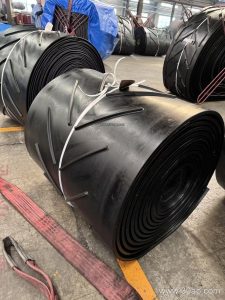
- Surface: plain, or chevron conveyor belt and corrugated sidewall forms for inclined or contained paths
- Edges: cut or molded, with skirting options on steep inclines
Common Reference Dimensions
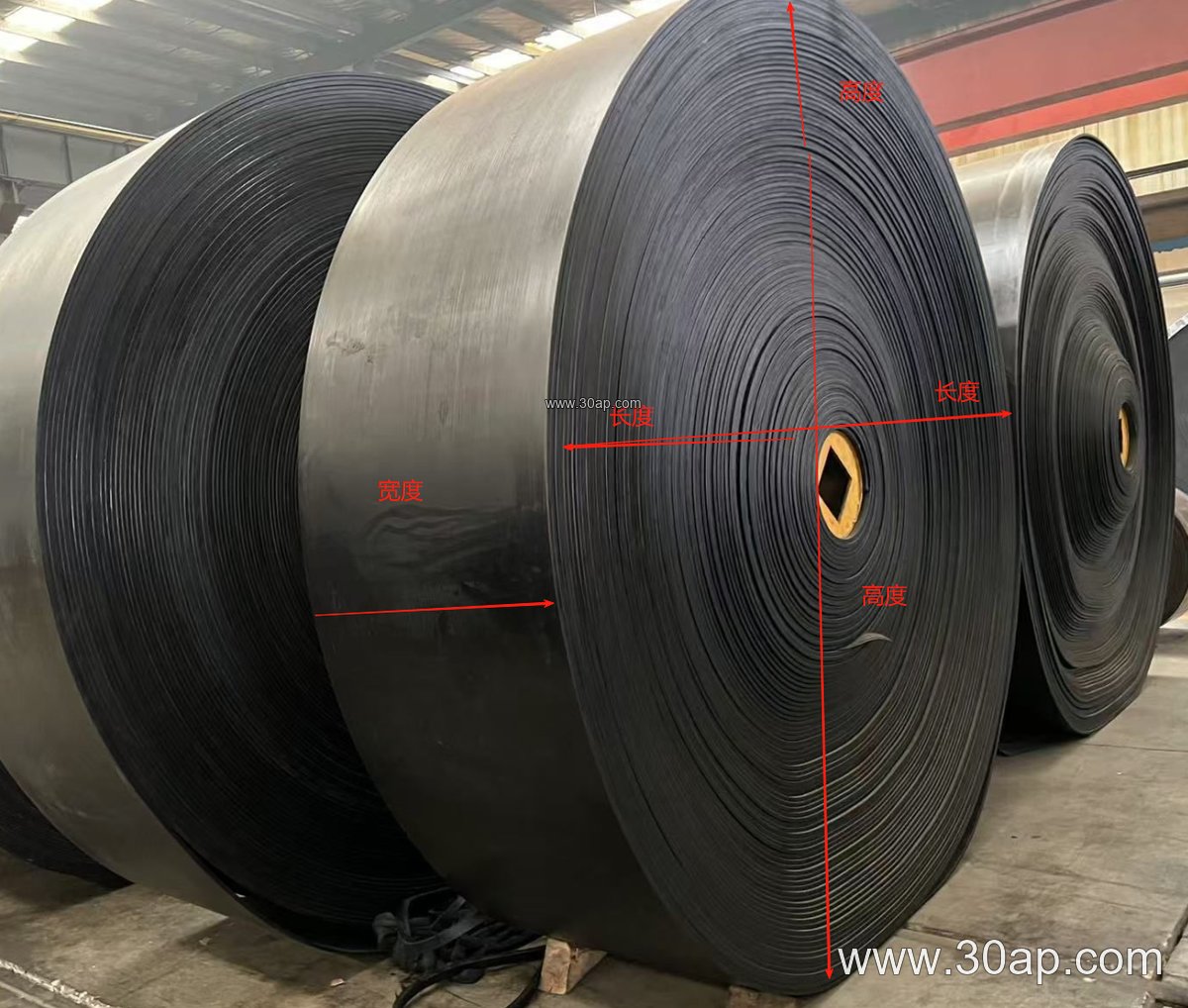
These are indicative ranges, not universal specifications. Actual belt width, cover thickness and ply count follow the conveyor design.
| Parameter | Typical reference values |
|---|---|
| Belt width | B500, B650, B800, B1000, B1200, B1400, B1600, B1800, B2000 |
| EP strength grades | EP200, EP315, EP400, EP500, EP630, EP800, EP1000, EP1250, EP1600, EP2000 |
| Cover thickness (top + bottom) | 3+1.5, 4+2, 5+2, 6+2, 8+3 mm |
| Carcass plies | 2 to 6 layers in fabric constructions |
Note that belt width and pulley diameter are matched by conveyor design, not by a fixed rule. A 1200mm wide belt may run on different pulley sizes in different plants.
Where It Fits in the Plant
Wear is worst at transfer points, crusher discharge and the first meters after loading. That is where a high abrasion resistant conveyor belt earns its cost. It suits:
- Mining and underground mining conveyor lines handling ore and rock
- Quarry conveyor and aggregate conveyor runs with crushed stone
- Cement plant clinker and limestone circuits
- Power plant coal handling and ash paths
- Steel plant sinter and coke transport
- Port and ship loading systems moving bulk material
Where the cargo is also hot, a heat resistant conveyor belt may be needed; where oil or chemicals are present, an oil resistant or chemical resistant grade is more suitable. In coal mining, flame retardant conveyor belt and anti-static conveyor belt properties are often required alongside wear resistance. These are separate requirements, not replacements for the abrasion grade.
Buyer Checklist
Match the belt to the duty
Start with the material: lump size, sharpness, moisture, temperature and any oil or chemical content. Then look at the conveyor: belt width, incline, pulley centers, and the drive, tail and bend pulleys. Confirm the tension grade and ply count with the conveyor designer rather than assuming a standard.
Check the cover, not just the name
Ask for the cover compound and thickness. A thicker top cover of 6+2 or 8+3 mm is common in heavy crusher discharge areas, while 4+2 or 5+2 mm may suit lighter aggregate duty. A thicker belt adds weight and cost, so it should be justified by wear data.
Look at the whole line
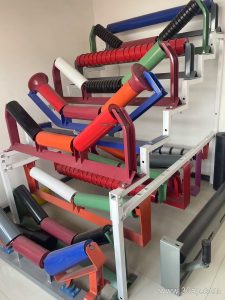
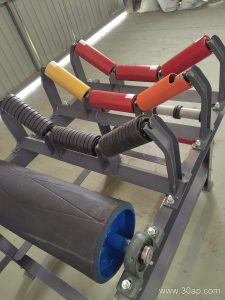
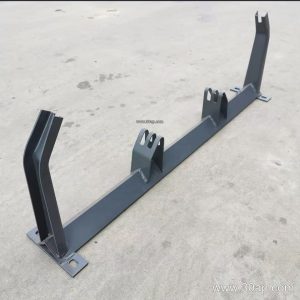
Belt life also depends on idler roller condition, conveyor pulley alignment and conveyor bracket rigidity. Worn idlers or misaligned pulleys can shorten cover life even on a premium belt. During installation, check skirt rubber and transition distances so the belt is not pinched.
Plan for maintenance
Inspect edges, splices and the loading zone regularly. Keep spare belt sections and splice materials on hand for critical lines. For inclined routes, a chevron or skirted conveyor belt may reduce spillage, but it should be chosen for the path, not swapped in for a plain abrasion grade without review.
Used well, a high abrasion resistant conveyor belt is a practical way to cut downtime in mines, quarries, cement works and power stations. The right choice comes from matching compound, carcass and dimensions to the real load, not from a single number on a data sheet.