What a Conveyor Support Leg Does
A conveyor support leg is the vertical structural element that carries the weight of a belt conveyor frame and transfers it safely to the floor, foundation, or steel structure below. In a typical conveyor line, the support leg works together with the longitudinal beams, the idler roller frames, and the conveyor bracket assemblies to keep the whole structure aligned. Without properly designed legs, even a well-made frame can sag, twist, or vibrate under load.
People sometimes call this component a conveyor stand leg or conveyor frame leg. It is the same product: a load-bearing support member, usually supplied in pairs, that holds the conveyor stringers at the required elevation. It is not a pulley, not a roller, and not a bracket, although it is often bolted to brackets and beams in the same assembly.
How the Leg Is Built
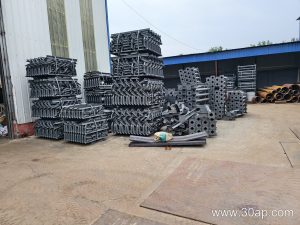
Most support legs are fabricated from structural steel. Common materials include angle steel, channel steel, and folded steel plate. The leg may be a simple straight post, an H-shaped or A-shaped frame, or an adjustable telescopic design with slotted holes or threaded adjustment. Bolted base plates with anchor holes make installation easier and allow minor leveling on site.
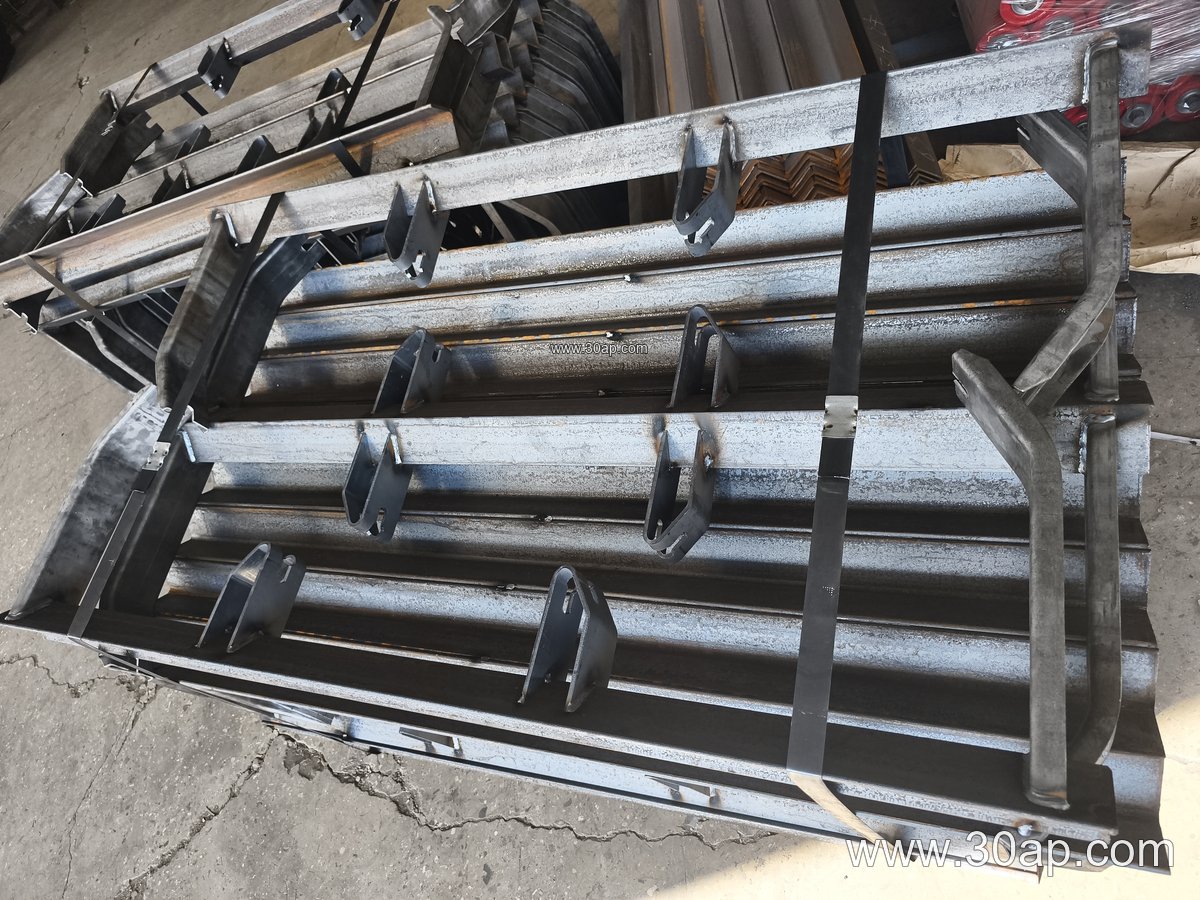
Surface treatment usually follows the environment. In a quarry or a cement plant, a protective coating helps resist dust and moisture. In a coal mining conveyor line or a power plant coal handling system, the leg design should account for vibration, belt tension, and the weight of a loaded conveyor belt. The leg does not carry belt tension directly, but it must resist the vertical and lateral forces transmitted through the frame.
Where Support Legs Are Used
These legs appear wherever a belt conveyor needs elevated support. Typical sites include stone crushing and screening lines, sand and aggregate plants, cement kilns and clinker conveyors, iron ore and copper ore handling, and port ship loading systems. In a coal preparation plant or an underground mining conveyor, compact and robust legs help fit the structure into confined spaces.
They are also used on transfer conveyors, stockpile conveyors, and recycling lines. On a long overland conveyor carrying bulk material, support legs are spaced according to the load and the frame design. The leg height, spacing, and base detail are determined by the conveyor profile, not by a single standard figure.
Matching the Leg to the Conveyor Frame
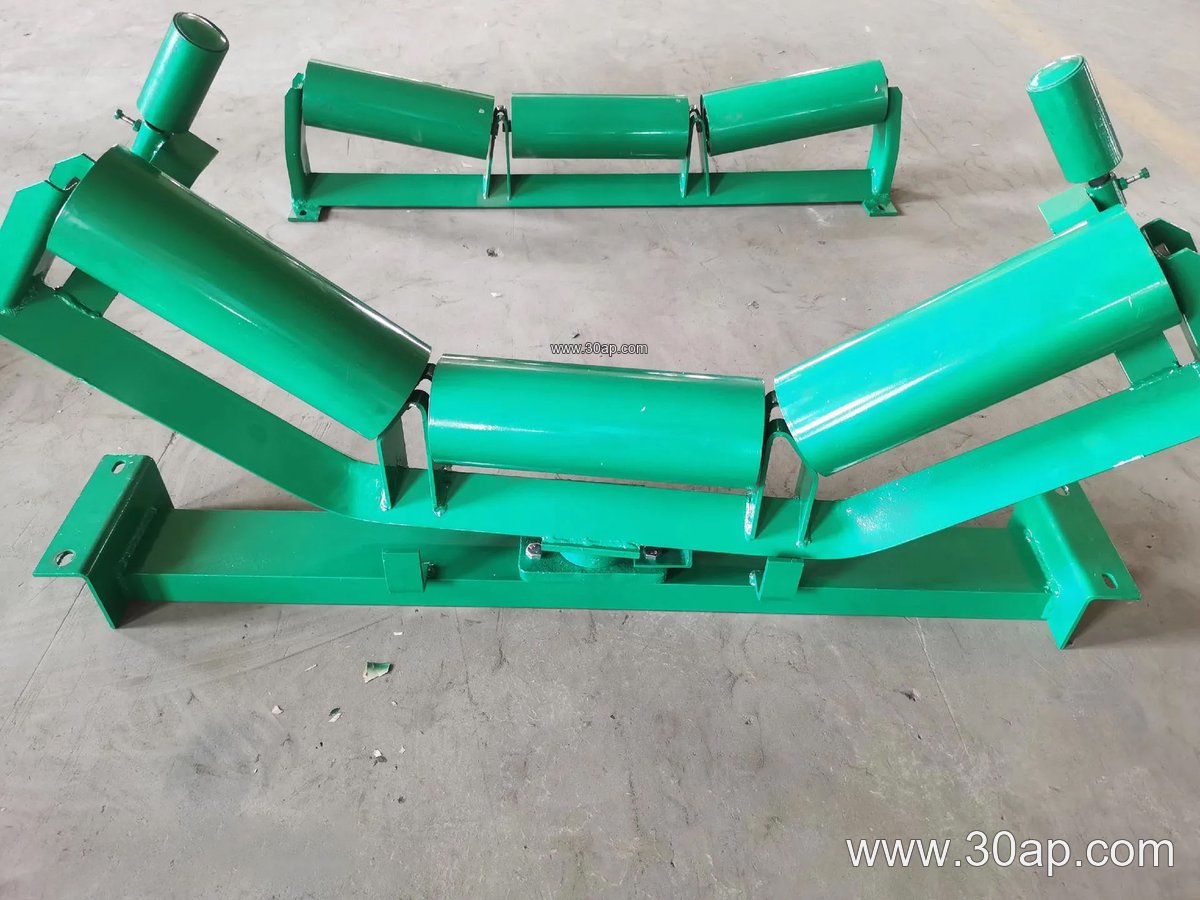
The support leg must match the belt width, the trough angle, and the roller diameter used in the idler sets. Common belt widths include B500, B650, B800, B1000, B1200, B1400, B1600, B1800, B2000, B2200. Trough angles are often 20, 30, 35, or 45 degrees, and adjustable legs can accommodate several of these angles. Roller diameters such as Ø89, Ø108, Ø133, Ø159, and Ø194 are common, and the leg height and mounting hole spacing usually change with the belt width and frame type.
A useful reference table for typical combinations is shown below. These are common examples, not fixed rules; the final selection should follow the conveyor design.
- B650, 30 degrees, Ø89
- B800, 35 degrees, Ø108
- B1000, 35 degrees, Ø133
- B1200, 45 degrees, Ø133
- B1400, 35 degrees, Ø159
- B1600, 45 degrees, Ø159
- B1800, 35 degrees, Ø194
When the conveyor uses a heavy-duty conveyor belt such as a steel cord conveyor belt or an abrasion resistant conveyor belt in an iron ore plant, the frame and legs should be sized for the extra weight and impact. A fabric core conveyor belt such as an EP conveyor belt or NN conveyor belt is lighter, but the leg spacing still depends on the loaded belt weight and the idler roller arrangement.
Fixed or Adjustable Legs
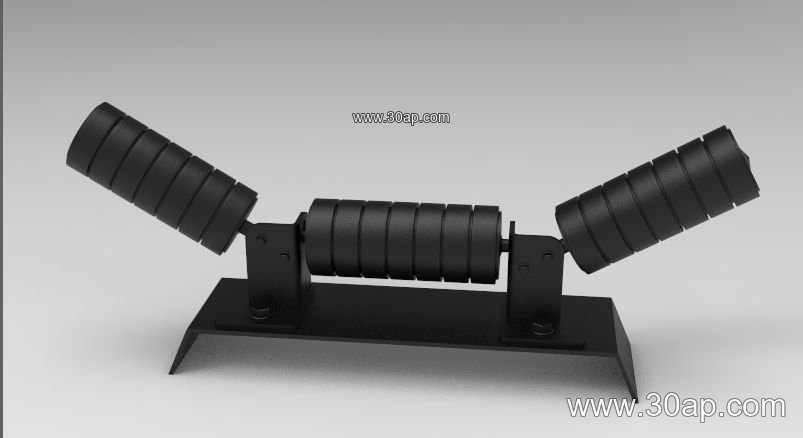
Fixed legs are welded or bolted to a set height and are common in permanent installations such as a cement plant or a power plant conveyor gallery. Adjustable legs allow height correction during installation and are useful where the floor is uneven or where the conveyor connects to equipment that may settle. Both types can be combined with a conveyor bracket to simplify alignment with the idler frames.
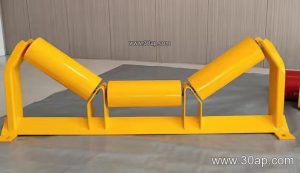
For a troughed section, the leg usually supports the upper frame that carries the trough idlers at 20 to 45 degrees. For a return section, a lower support leg may carry the return idlers. The two functions are related but not identical, and the leg design should reflect the actual frame layout.
Buyer Checklist
- Confirm the belt width and the frame beam spacing before ordering.
- State the required leg height and whether adjustment is needed.
- Provide the roller diameter and trough angle so the mounting holes match.
- Describe the environment: dusty quarry, wet coal plant, corrosive fertilizer area, or food-grade line.
- Check the base plate hole pattern and the anchor method.
- Ask for the steel section and coating specification.
For more information on related conveyor components, visit yfconveyorbelt.com and review conveyor support leg options together with conveyor idler roller and conveyor pulley data. A correctly matched support leg keeps the frame stable and helps the conveyor belt run true for the life of the installation.