What an Anti-Misalignment Guide Idler Does
An anti-misalignment guide idler is a training idler designed to keep a conveyor belt centered on its path. Instead of letting a drifting belt rub against the frame, chute, or structure, this idler applies a gentle correcting force through its angled rollers or pivoting frame. It is a familiar sight in quarry lines, limestone mines, iron ore plants, cement works, and power station coal handling, where long runs and heavy loads make belt tracking a daily concern.
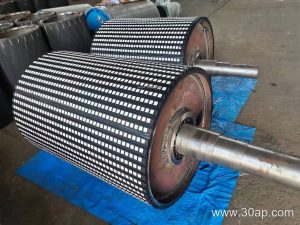
The same product is also called a self-aligning idler or training idler. These are accurate equivalents for the same item. It should not be confused with a drive pulley, tail pulley, or bend pulley, which transmit motion and change belt direction rather than correcting lateral drift.
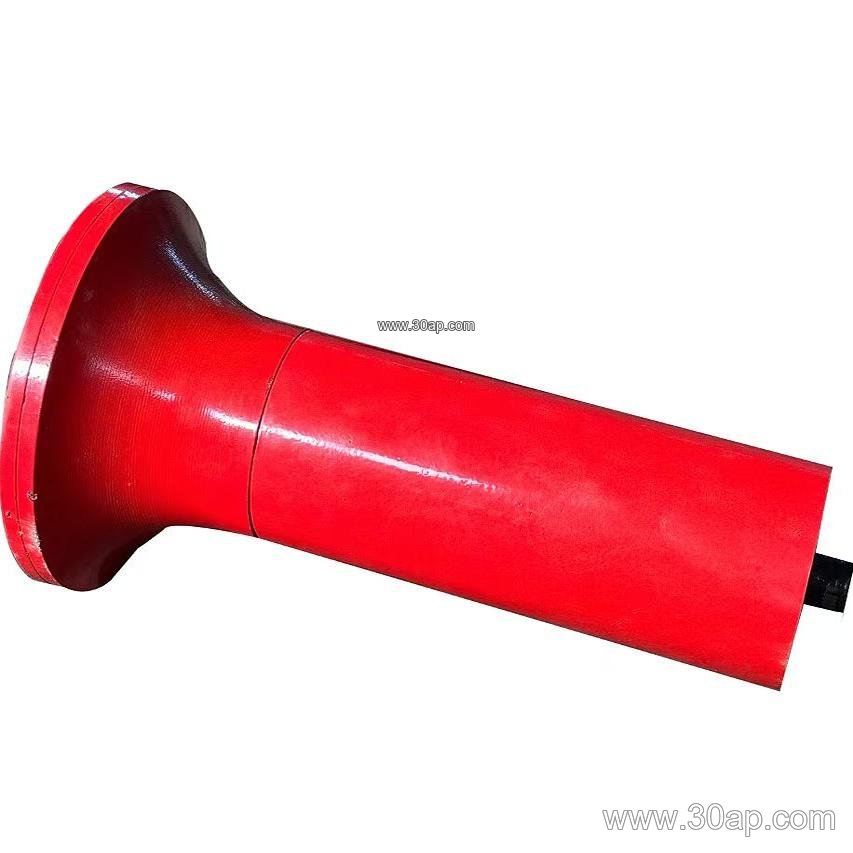
How the Guide Idler Is Built
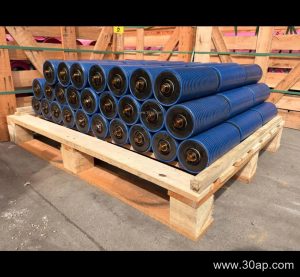
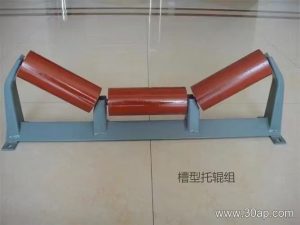
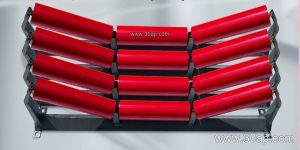
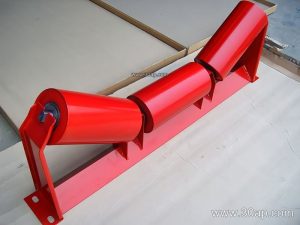
Most designs use two or more short rollers mounted on a pivoting frame or a vertical spindle. When the belt edge presses against a guide roller, the frame swings slightly and steers the belt back toward the center. Common roller diameters for this duty include Ø89, Ø108, Ø127, and Ø133 mm, with larger sizes such as Ø159 mm used on wide, heavy belts. Roller length follows belt width and frame design, so a B800 belt may use rollers around 315 mm long in a three-roll arrangement, while a B1400 belt often needs roughly 530 mm rollers. These are typical references, not fixed pairings.
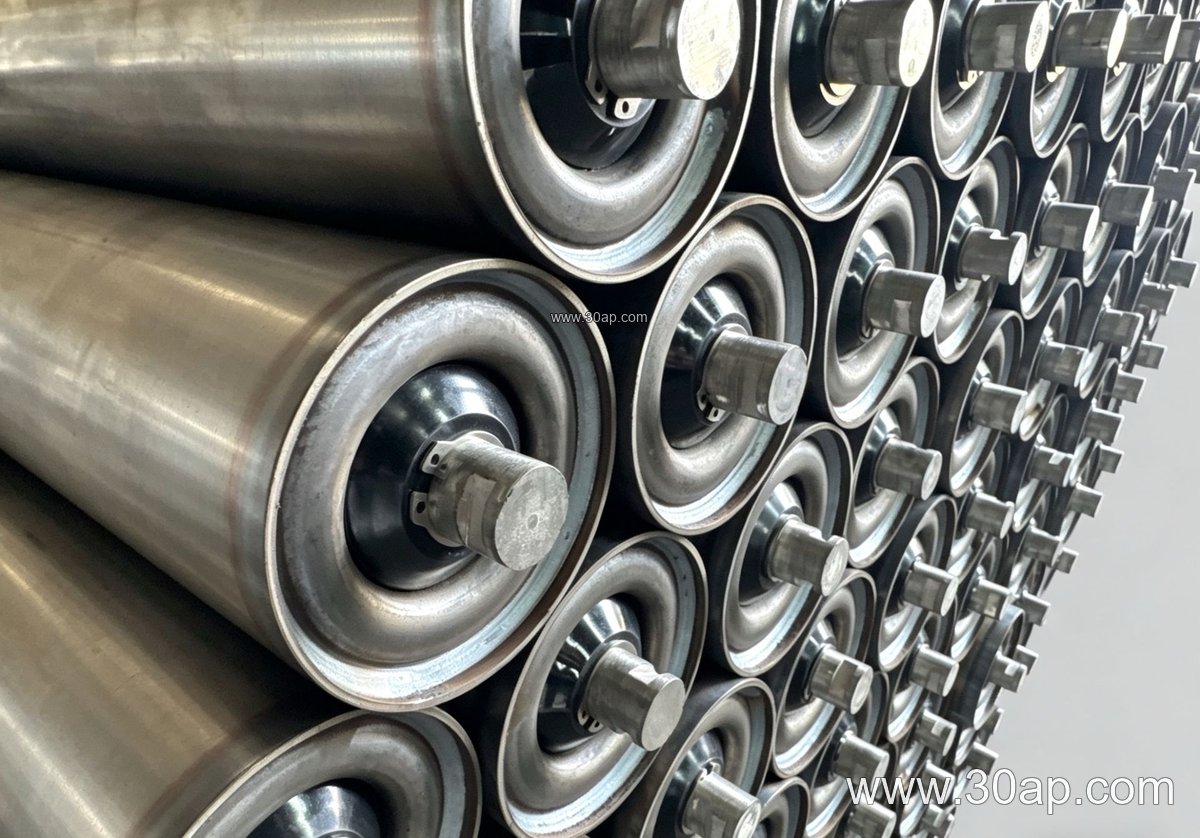
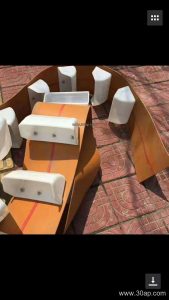
Surface options matter. Steel tube rollers suit general bulk duty, rubber-covered rollers add grip and cushioning, and ceramic or nylon surfaces can reduce build-up in sticky material. Bearings are usually sealed units such as 6205, 6305, 6306, or 6308, chosen to match load and speed rather than a single roller diameter. A robust conveyor bracket keeps the frame aligned and allows adjustment on site.
Where It Fits on the Conveyor
Guide idlers are normally installed on the carrying side, often just after the loading point or before a curve, and sometimes on the return strand where the belt tends to wander. On a quarry conveyor carrying crushed stone, a training idler placed downstream of the crusher discharge helps the belt settle after impact. In a coal mining conveyor or underground coal mining conveyor, flame retardant conveyor belts and anti-static conveyor belts are common, and the guide idler must work reliably in dusty, damp conditions. The idler itself does not replace the conveyor pulley or the drive pulley; it works alongside them.
On lines using a steel cord conveyor belt or a heavy-duty mining conveyor belt, training idlers are often heavier and spaced more carefully. For abrasive loads such as iron ore or copper ore, an abrasion resistant conveyor belt reduces wear, while the guide idler protects the belt edges from chafing. In cement plants and aggregate conveyor lines, fine dust can pack around the frame, so sealed bearings and easy-clean surfaces are worth specifying.
Selection Points for Buyers
- Match roller diameter and bearing size to belt speed, load, and frame space; do not assume one diameter fits every belt width.
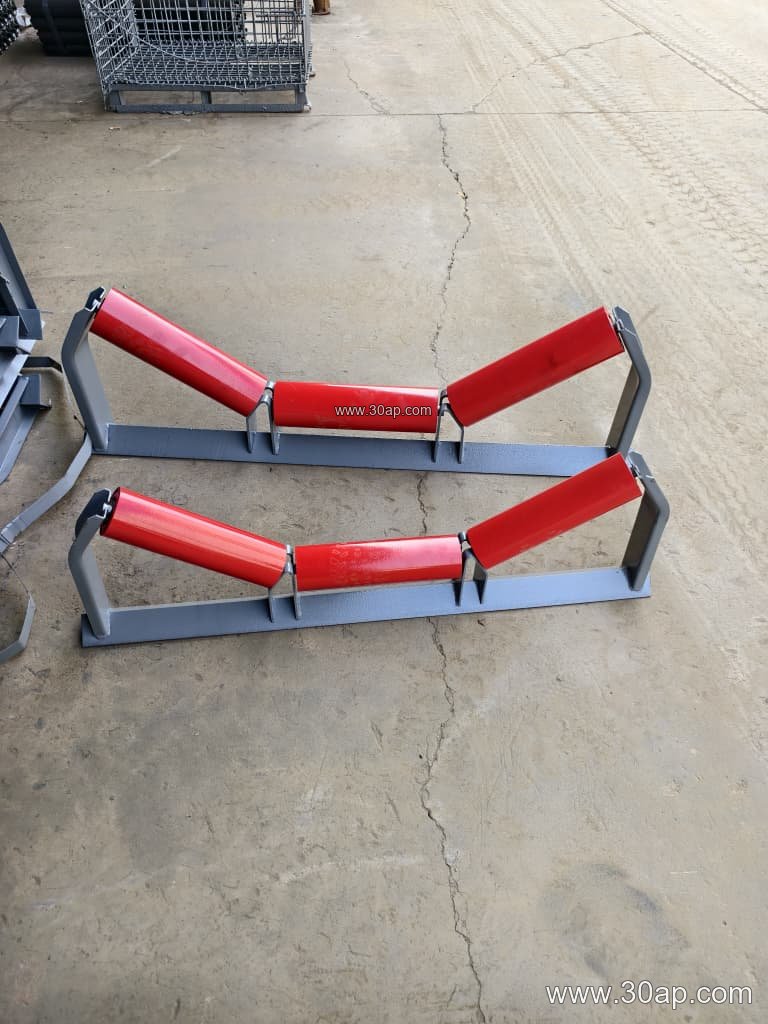
- Confirm belt width and trough angle. Common trough angles are 20, 30, 35, and 45 degrees; the guide idler frame should suit the existing idler set.
- Choose the roller surface for the material: rubber for grip, ceramic for wear, nylon for build-up resistance.
- Check that the pivot or spindle moves freely and that the conveyor bracket allows field adjustment.
- For dusty or wet service, specify sealed bearings and a design that sheds material.
Maintenance is simple but important. Inspect for seized rollers, worn surfaces, and a frame that no longer swings. A sticking guide idler can actually cause misalignment, so lubrication points and clearance should be checked during routine stops. Replacing worn rollers early is cheaper than replacing a damaged belt edge.
Working With the Rest of the Conveyor
An anti-misalignment guide idler is only one part of a tracking system. Proper pulley alignment, square frames, and evenly loaded belts all help. On a fabric core conveyor belt or multi-ply fabric core conveyor belt, edge damage from misalignment can shorten service life quickly, while on a pipe conveyor belt or corrugated sidewall conveyor belt the training requirements differ and should be reviewed with the idler supplier. Used correctly, the guide idler is a low-cost way to protect the belt, the conveyor pulley, and the structure in demanding industries such as mining, cement, steel, and port handling.