What a Corrosion-Resistant Idler Is
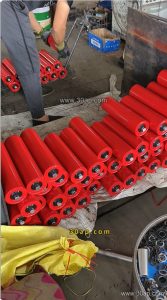
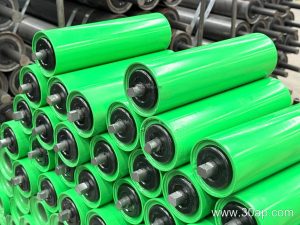
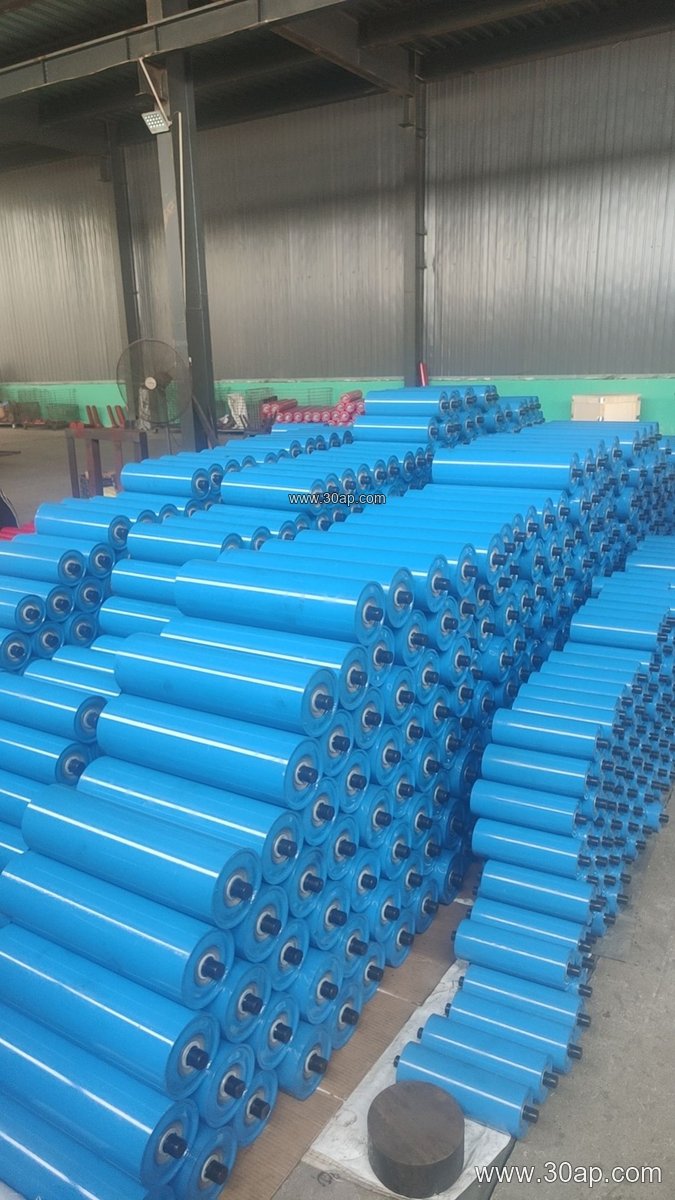
A corrosion-resistant idler is a carrying or return roller built to survive moisture, salt spray, acidic dust, and chemical splash without seizing or shelling out early. In a conveyor line, the idler roller supports the conveyor belt and keeps it tracking along the structure. When the environment attacks plain carbon steel, the idler becomes the first component to fail, so the corrosion-resistant version is specified from the start rather than replaced later.
Corrosion-resistant idler is the natural product name used here; the same item is also called an anti-corrosion idler roller. Both refer to the same roller family, not to a drive, tail, or bend pulley. Those pulleys transmit power or change belt direction, while the idler simply carries the belt, and they are not interchangeable.
How the Roller Is Built to Resist Attack
The construction differs mainly in materials and sealing. A typical layout includes:
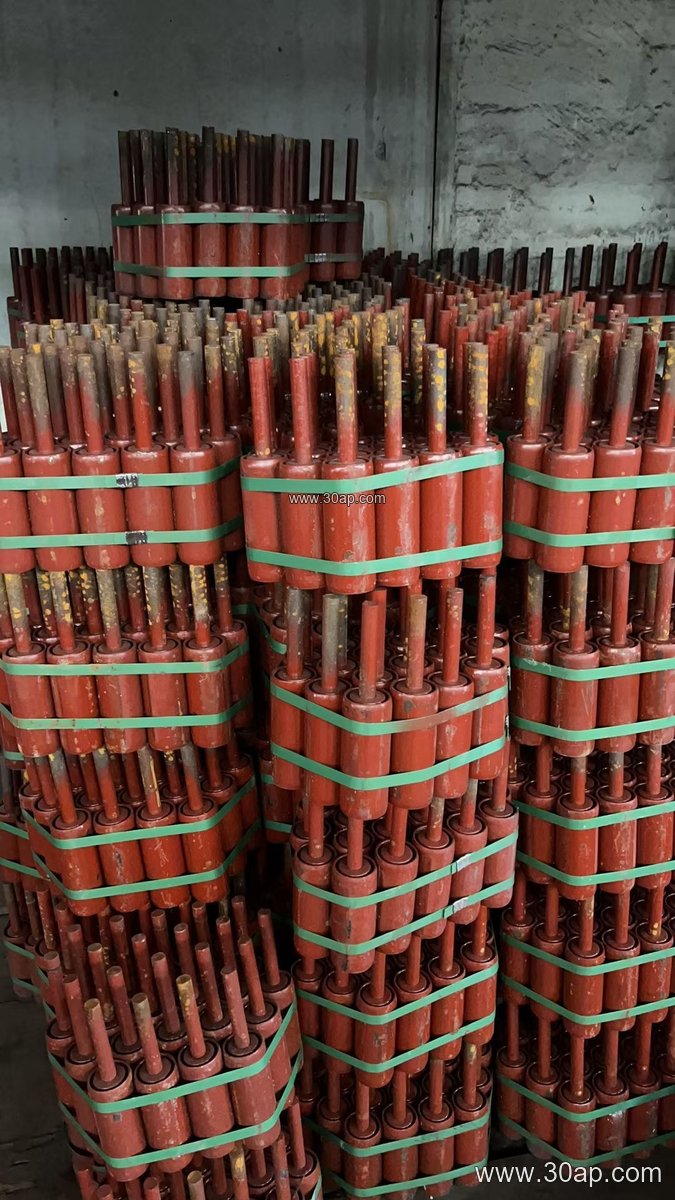
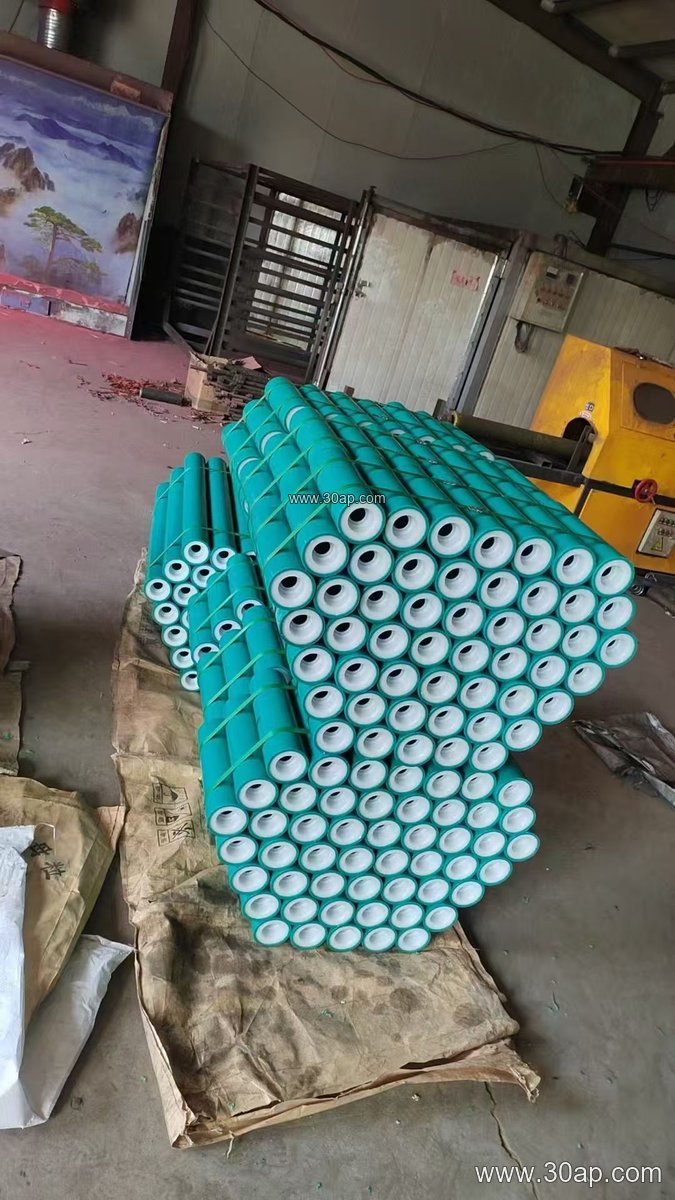
- Shell in galvanized steel, stainless steel, or polymer-coated steel, sometimes with a rubber, nylon, or ceramic surface where wear also matters.
- Bearing housings with tight, multi-stage seals to keep out water, fine dust, and washdown spray.
- Bearing sizes chosen by load and speed, commonly 6204, 6205, 6305, 6306, 6308, or 6310, matched to shaft and housing design rather than to belt width alone.
- End caps and shaft ends treated or sleeved so that standing water on the frame cannot creep into the bearing cavity.
Sealing quality often decides service life more than the shell material. A stainless shell with a poor labyrinth will still fail in a wet coal handling plant, while a well-sealed galvanized roller can run for years in the same spot.
Where These Idlers Earn Their Keep
Wet and salt-laden duties are the classic applications. In a port terminal unloading bulk material, salt air and rain make untreated rollers rust at the seals. In a coal mining conveyor or a coal handling system at a power plant, washdown water and acidic fines attack the roller body. Fertilizer plants and chemical stores add another layer of risk where splash contains chlorides or acids.
Other suitable sites include limestone quarries with high humidity, tunnel spoil lines with groundwater, and concrete batching plants where cement dust combines with moisture. A quarry conveyor belt or aggregate conveyor belt running outdoors often benefits from corrosion-resistant return rollers as much as from a heavy abrasion resistant conveyor belt on top.
Matching Idler to Belt and Structure
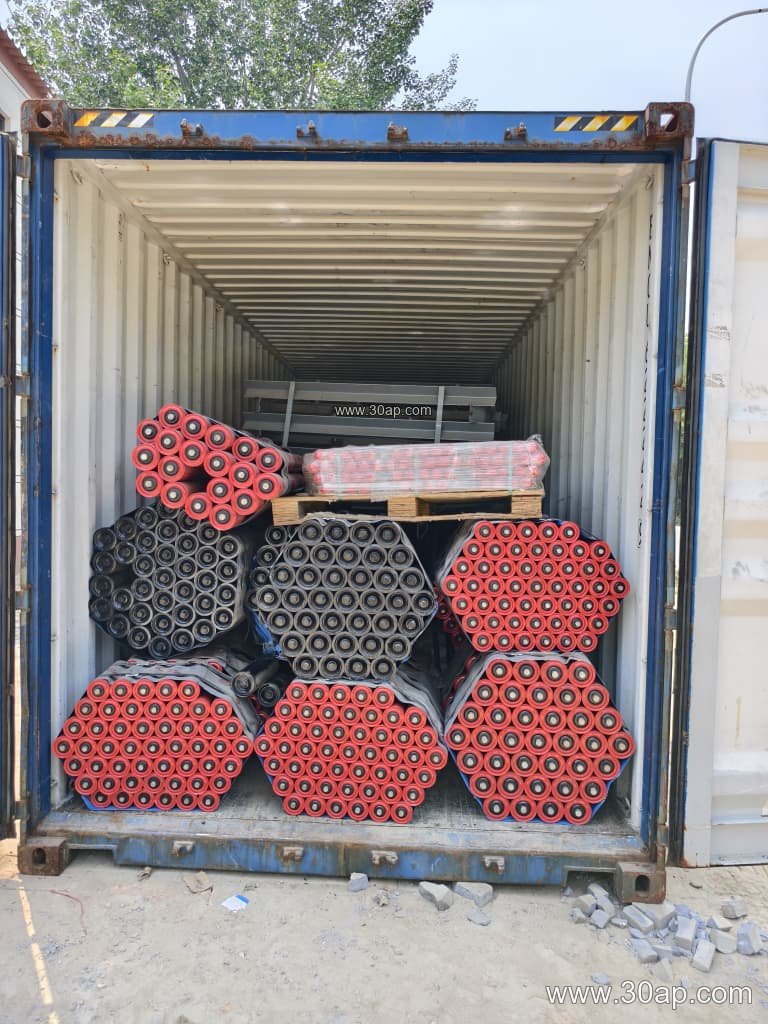
Selection starts with belt width and trough angle, then moves to roller diameter, length, and bearing class. Common roller diameters include Ø63, Ø76, Ø89, Ø102, Ø108, Ø127, Ø133, Ø159, Ø178, Ø194, and Ø219 mm. Belt widths in use range from B400 and B500 up to B1800, B2000, B2200, and B2400 for large installations. Trough angles of 20, 30, 35, and 45 degrees are standard choices, and a slight forward tilt of about 1.5 to 2 degrees is sometimes used on training idlers.
Roller length follows belt width, trough angle, and the idler set form. The figures below are common examples, not fixed pairings; side rollers and center rollers can differ, and final values are set by design.
| Belt width | Typical roller length, three-roll trough set |
|---|---|
| B500 | about 200 mm |
| B650 | about 250 mm |
| B800 | about 315 mm |
| B1000 | about 380 mm |
| B1200 | about 465 mm |
| B1400 | about 530 mm |
| B1600 | about 600 mm |
| B1800 | about 670 mm |
| B2000 | about 750 mm |
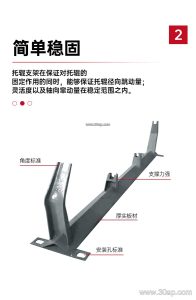
The idler set itself may be a single roll, a two-roll arrangement, or a three-roll trough set. On the return side, a V-type return idler or a flat return roller is common, and in wet duty the return run is often where corrosion shows first because water collects there. A conveyor bracket and conveyor pulley on the same line should be checked for the same level of protection, since a rusted frame will shorten roller life even when the roller itself is well made.
Buyer Checklist
- Confirm the actual environment: fresh water, salt water, acid splash, or fine chemical dust. Each points to a different shell and seal choice.
- Ask how the seal is arranged, not just what the shell is made of.
- State belt width, trough angle, and load so roller diameter and bearing class can be matched properly.
- Check shaft and end-cap treatment, plus how the roller sits in the conveyor bracket.
- Look at the whole line, including return rollers and any covered section where moisture stays.
On a long overland system, a corroded idler can drag, wear the belt edge, and raise power draw. Specifying a corrosion-resistant idler roller at the design stage is usually cheaper than replacing standard rollers every few months. For more on matching rollers to belts, visit www.beltconveyoridler.com and review idler and roller options together with conveyor pulley data.