What a Ceramic Lagged Pulley Does on a Conveying System
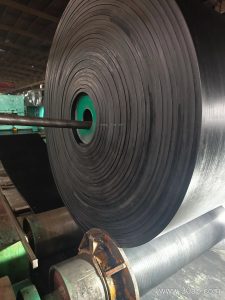
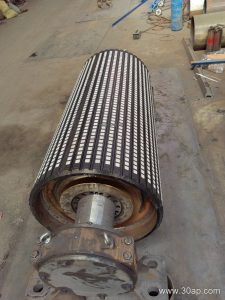
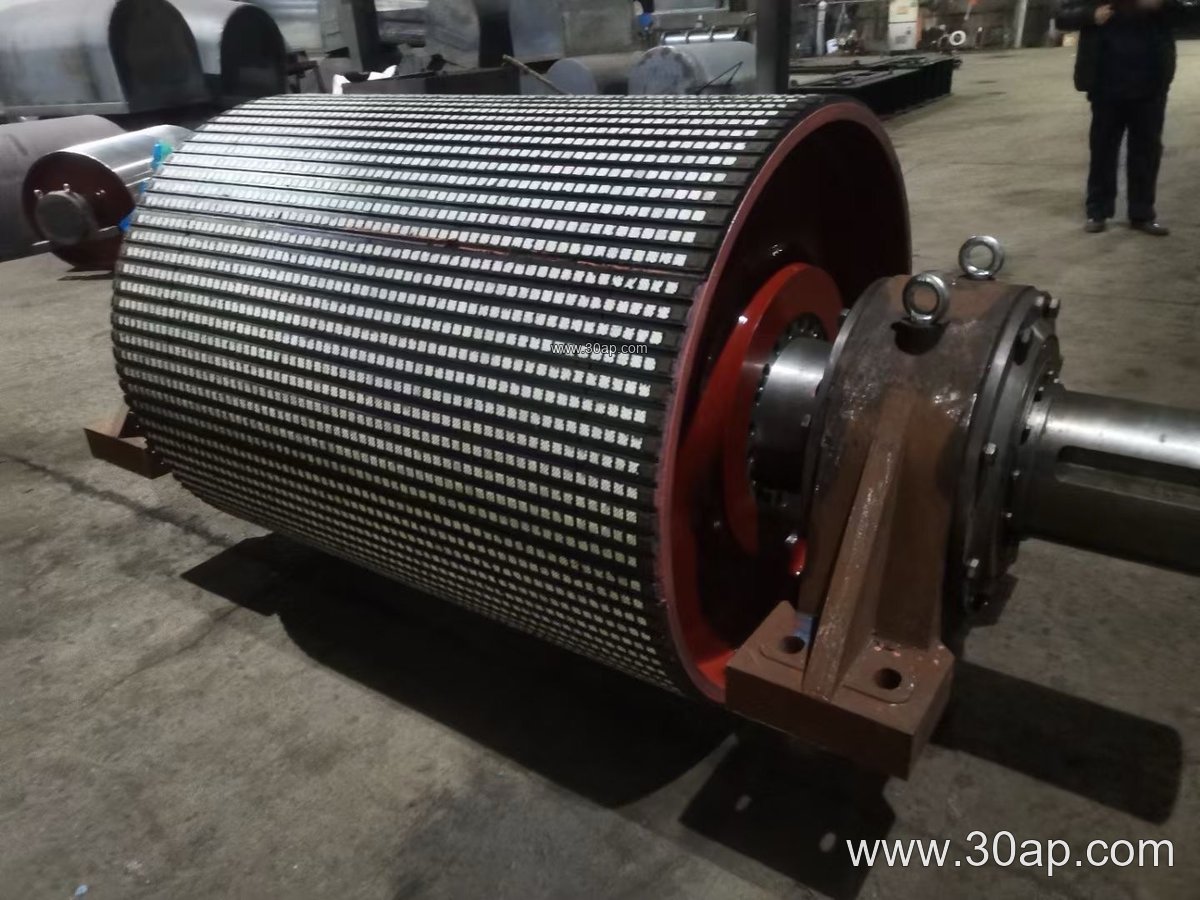
A belt conveyor ceramic lagged pulley is a conveyor pulley whose shell is covered with a rubber layer embedded with ceramic tiles. The ceramic studs sit slightly proud of the rubber, so they press into the underside of the conveyor belt while the rubber body keeps a continuous contact face. The result is a drive surface with a high coefficient of friction and strong resistance to wear. In practice, this ceramic lagging is most often specified for drive pulleys and head pulleys, where torque has to be transferred to the belt without slip. A tail pulley or a bend pulley may also be lagged, but the ceramic version is usually reserved for positions where grip and service life matter most.
How the Ceramic Lagging Is Built
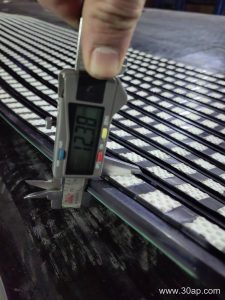
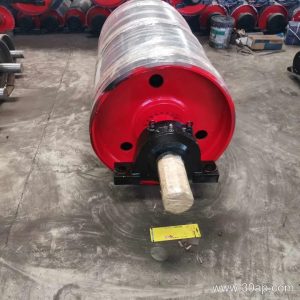
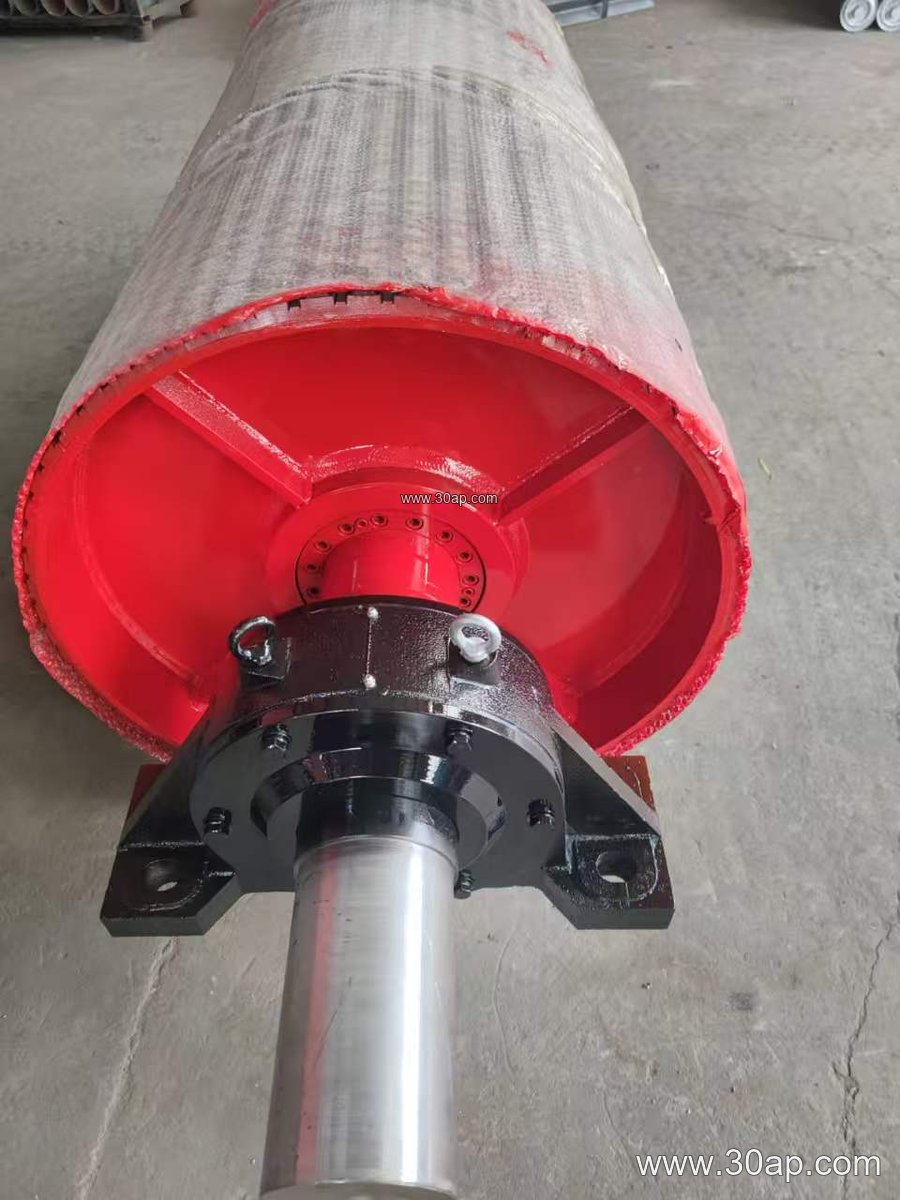
The construction is layered. A rubber bonding layer is applied to the pulley shell, then ceramic tiles are vulcanized or bonded into it, and the tile pattern is left partly exposed. Common tile forms are square, rectangular or diamond-shaped, and the surface may be a plain ceramic pattern or a grooved design for water drainage. Typical lagging thicknesses are 8, 10, 12, 15 and 20 mm, chosen according to belt tension and pulley diameter. The pulley itself is normally a welded steel drum with a machined face, end discs and a shaft, and the shaft diameter is determined by torque and bearing load rather than by belt width alone. Shaft sizes such as Ø80, Ø100, Ø120, Ø140, Ø160 and Ø200 mm are common, but the final value comes from the drive calculation.
Where It Fits in the Plant
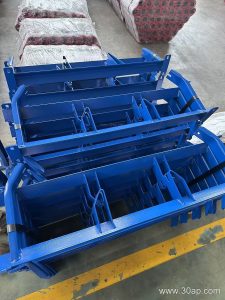
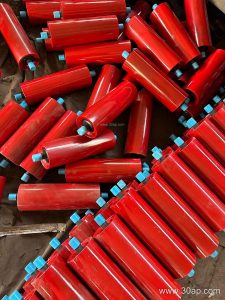
Ceramic lagged pulleys appear in bulk handling lines where belts run wet, dusty or heavily loaded. In a quarry or aggregate line they are often found on the head pulley of a crusher discharge belt. In a coal preparation plant or a power plant coal yard, they help maintain grip on belts that carry damp material. Cement plants use them on clinker and raw meal conveyors, and iron ore or copper ore operations value the wear resistance of the ceramic face. Port bulk terminals and ship loading conveyors also use them where starting torque is high. The pulley works together with the conveyor belt, conveyor pulley assemblies, idler roller sets and conveyor bracket supports, so the whole frame alignment matters as much as the lagging itself.
Matching the Pulley to the Belt Width
The pulley face width is normally a little wider than the belt. Some typical relationships are shown below; these are reference values, not fixed rules.
- B400 belt, pulley face around 500 mm
- B500 belt, pulley face around 600 mm
- B650 belt, pulley face around 750 mm
- B800 belt, pulley face around 950 mm
- B1000 belt, pulley face around 1150 mm
- B1200 belt, pulley face around 1400 mm
- B1400 belt, pulley face around 1600 mm
- B1600 belt, pulley face around 1800 mm
- B1800 belt, pulley face around 2000 mm
- B2000 belt, pulley face around 2200 mm
Diameter is selected separately. Common drive pulley diameters include Ø500, Ø630, Ø800, Ø1000 and Ø1250 mm, and larger sizes such as Ø1400 or Ø1600 mm are used on high-tension belts. A B1200 × Ø1000 mm or B800 × Ø500 mm combination is common, but one belt width does not lock the pulley to one diameter. The belt type matters too: a heavy-duty mining conveyor belt or a steel cord conveyor belt needs more wrap and more traction than a light fabric core conveyor belt, and an EP conveyor belt or NN conveyor belt running at high speed may need a larger diameter to limit bend stress.
Buyer Checklist Before Ordering
Confirm the pulley position first, because a drive pulley, a head pulley, a tail pulley and a bend pulley are not interchangeable and each has different loading. Then provide the belt width, belt type, belt speed, motor power and expected starting torque. State the lagging thickness and ceramic pattern you want, and whether the surface should be plain, grooved or diamond-patterned. Check the shaft diameter and bearing size against the actual load case. Ask how the ceramic tiles are bonded, since a poorly bonded tile can lift and damage the belt cover. Finally, plan for inspection: ceramic lagging is durable but not indestructible, and worn or missing tiles should be replaced before they chew into the belt.
Maintenance and Everyday Care
Keep the pulley face clean. Material build-up between the ceramic studs reduces contact and can cause belt tracking problems. Check scraper contact, since a worn cleaner lets fines pass onto the pulley. Inspect tile edges for cracks and look for loose tiles at the edges where the belt enters. Confirm that the conveyor bracket and frame bolts remain tight, because a misaligned pulley loads one side of the lagging more heavily. On belts carrying wet or sticky material, a grooved ceramic surface helps shed water, while a plain pattern suits dry, abrasive duty. With routine checks, a ceramic lagged pulley can serve for a long time on abrasive bulk material conveyor systems.