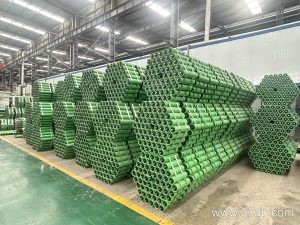
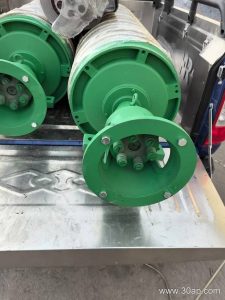
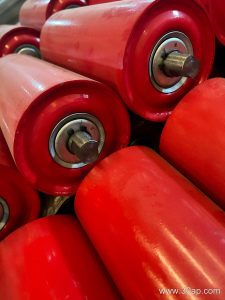
What a Ø152 Conveyor Idler Is
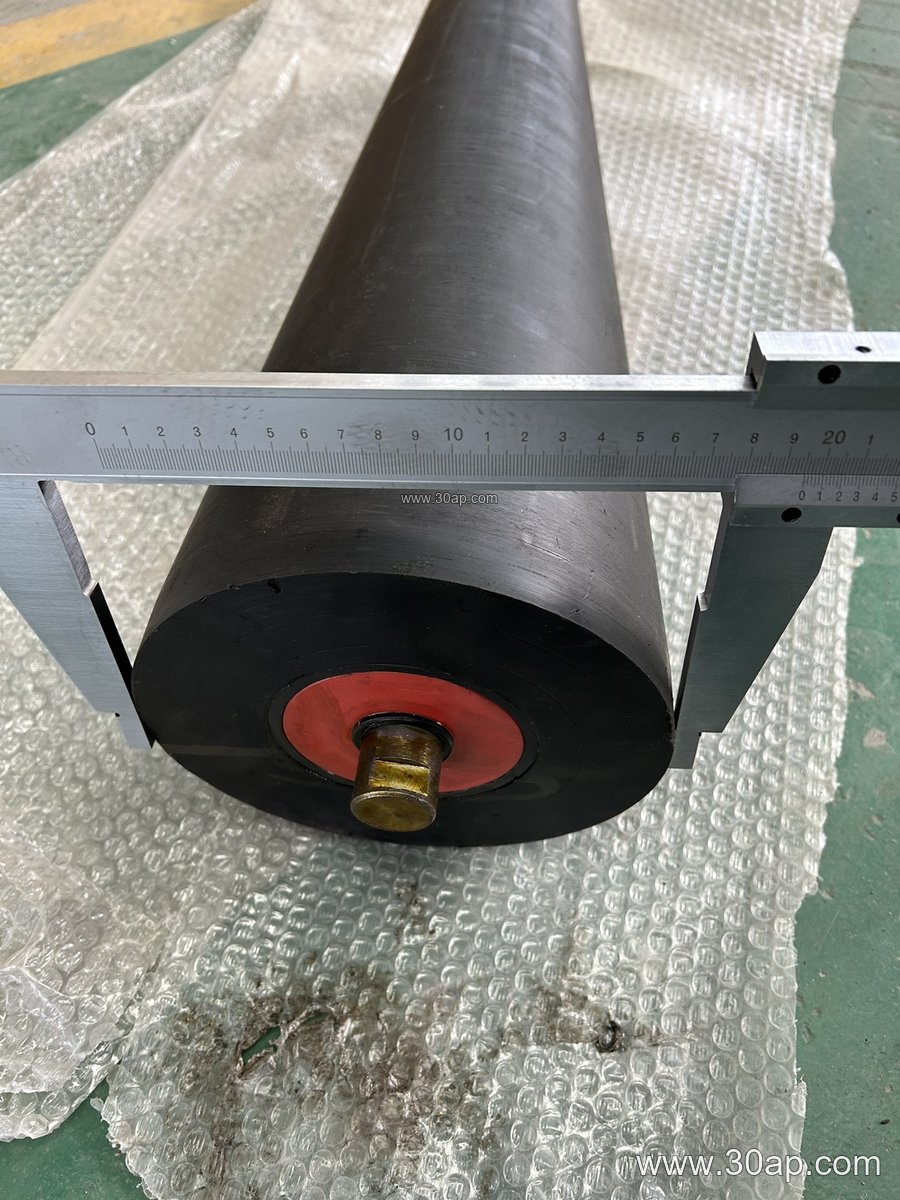
A Ø152 conveyor idler is a roller with an outside diameter of 152 mm, typically used in the load-carrying or return run of a belt conveyor. In many industrial settings, this size is also referred to as a 152mm idler roller or a 6-inch conveyor idler. It sits between the belt and the frame, supporting the conveyor belt and the material it carries, while allowing the belt to move with minimal resistance. This diameter is common in medium to heavy-duty applications where a robust roller is needed to handle consistent loads without excessive sag.
Construction and Common Configurations
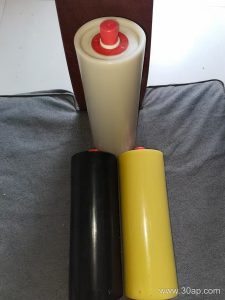
The idler consists of a steel tube shell, bearing housings, shaft, and sealing arrangement. The roller surface may be plain steel, nylon, ceramic, or rubber-covered, depending on the material being handled and the environment. Common bearing sizes for this diameter include 6205, 6305, and 6306, though the exact bearing is matched to the load and speed by the designer.
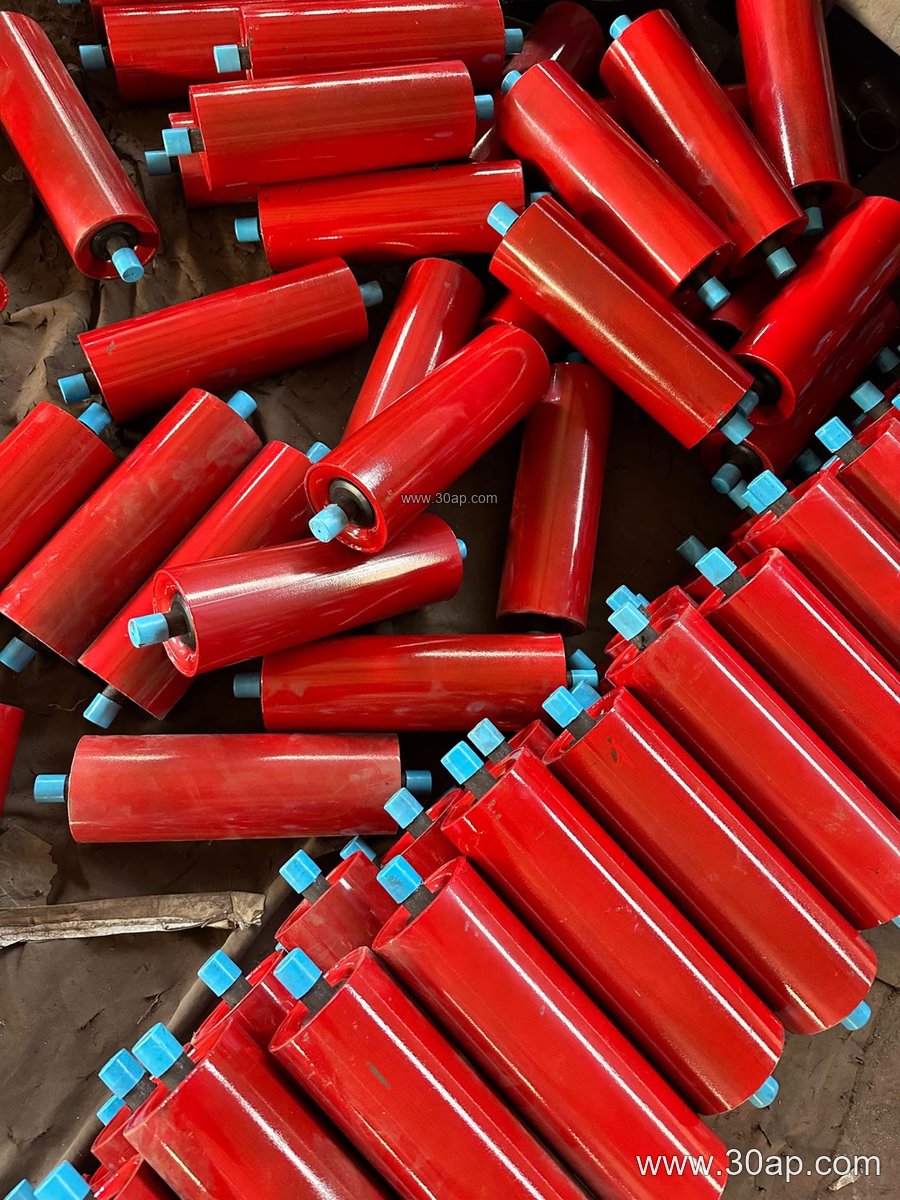
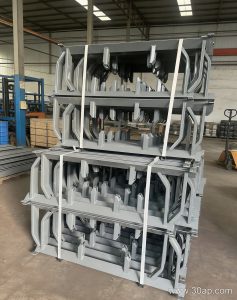
For a Ø152 idler, several arrangements are available. Troughing idlers, often in two- or three-roll sets, are used on the carrying side to form a trough that keeps material centered. A three-roll troughing set with 35-degree trough angle is a frequent choice for bulk materials. Return idlers, such as flat or V-return types, support the belt on the return strand. Impact idlers with rubber rings may be used under loading points to absorb shock. The idler length varies with belt width and trough configuration; for example, a three-roll set at B1000 may use roller lengths around 380 mm, but this is a design choice, not a fixed rule.
Where Ø152 Idlers Are Used
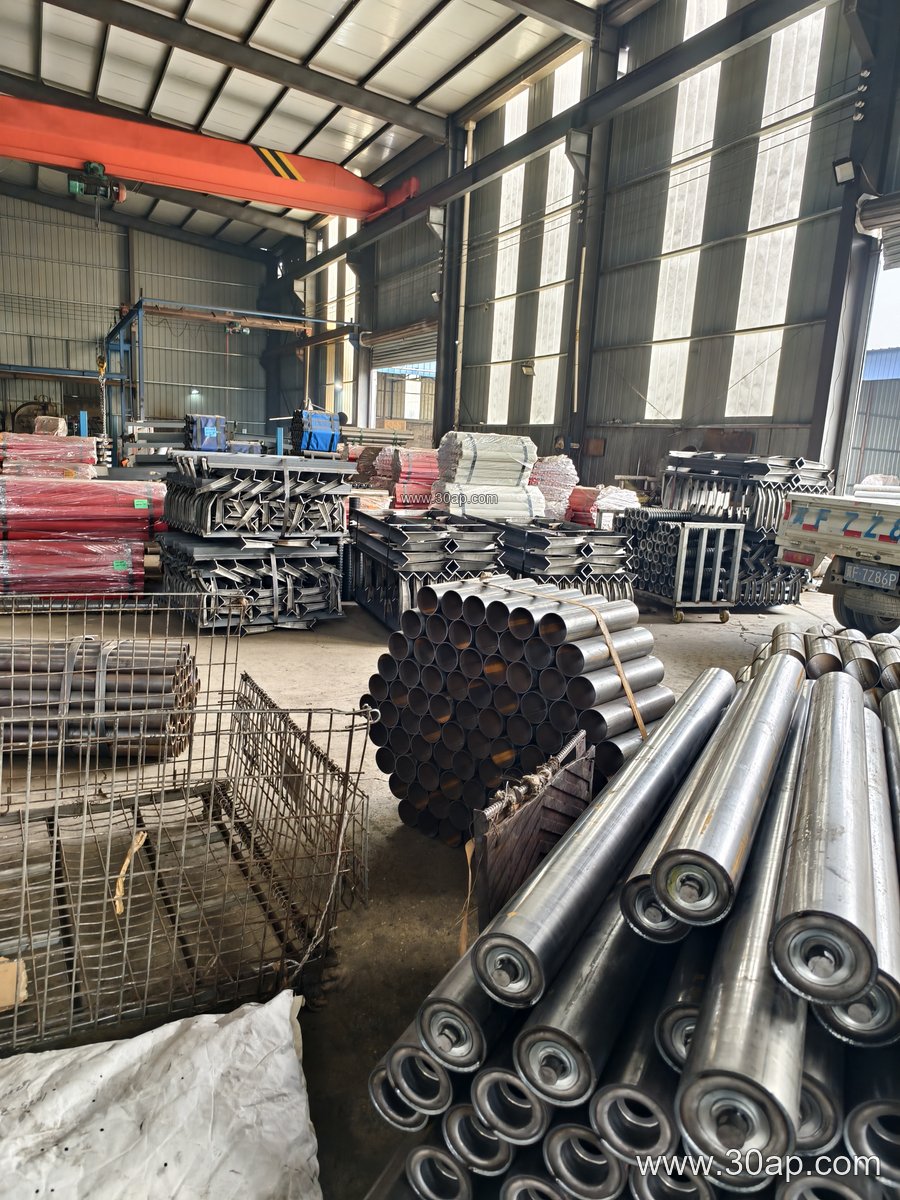
This idler diameter fits naturally into conveyor systems in a variety of industries. In a quarry or sand and gravel plant, it supports the conveyor belt through crushing and screening circuits. In a coal preparation plant or a power station coal yard, it helps move coal reliably. Cement plants use them on clinker and raw material conveyors. Port terminals, steel mills, and tunnel muck removal systems also employ this size where belt widths and load conditions call for a larger roller. The choice of Ø152 is often driven by belt width, material weight, and the need for a longer service interval.
Specifications and Selection Notes
When selecting a Ø152 conveyor idler, several parameters interact. The table below lists common reference values; actual specifications should be confirmed with the idler manufacturer for each project.
| Parameter | Common reference values |
|---|---|
| Outside diameter | 152 mm |
| Belt width (examples) | B800, B1000, B1200, B1400, B1600 |
| Trough angle | 20°, 30°, 35°, 45° |
| Roller length for three-roll set (examples) | B800: about 315 mm; B1000: about 380 mm; B1200: about 465 mm; B1400: about 530 mm |
| Bearing options (examples) | 6205, 6305, 6306, 6308 |
| Surface forms | Steel tube, nylon, ceramic, rubber ring |
Note that roller length depends on belt width, trough angle, and the idler set design. The values above are typical examples; side rollers and center rollers may differ. The shaft diameter is determined by load and bearing selection, not by belt width alone. A Ø152 idler can be paired with different belt widths, and one belt width does not dictate a single pulley diameter.
Buyer Checklist
- Confirm the belt width and trough angle to determine roller length and set configuration.
- Specify the bearing size and sealing type suitable for the environment (dust, moisture, temperature).
- Choose the roller surface material based on abrasion and material buildup: steel for general use, rubber for impact, ceramic for wear resistance, nylon for low friction.
- Check the shaft diameter and mounting dimensions against the conveyor bracket and frame.
- Consider the idler’s dynamic load rating and service life expectations, and verify with the supplier.
- For transition zones or curves, consider transition idlers or self-aligning idlers to keep the belt on track.
Keep in mind that drive pulleys, tail pulleys, and bend pulleys are different components from idlers and are not interchangeable. The Ø152 conveyor idler is a support roller, and its selection should be based on the conveyor’s actual load and layout rather than a fixed rule. Proper installation and periodic inspection of the idler roller, brackets, and belt alignment will help maintain smooth operation in any bulk handling plant.