What Pulley Machining Involves
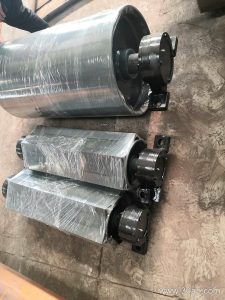
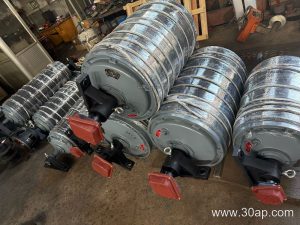
Pulley machining is the set of turning, welding, balancing, and surface-preparation operations that turn a raw shell, shaft, and end disc into a finished conveyor pulley. In a quarry, a cement clinker line, or a power plant coal yard, the pulley is the point where the conveyor belt changes direction and where drive torque enters the belt. Machining quality decides how long that transfer stays smooth.
The work usually starts with the shell. The drum is cut to length, the ends are prepared for welding, and the shaft is machined to the required journal fits. After assembly, the pulley is checked for concentricity and dynamic balance. A pulley that runs out of true will load the conveyor belt unevenly and shorten bearing life.
Main Parts and How They Are Machined
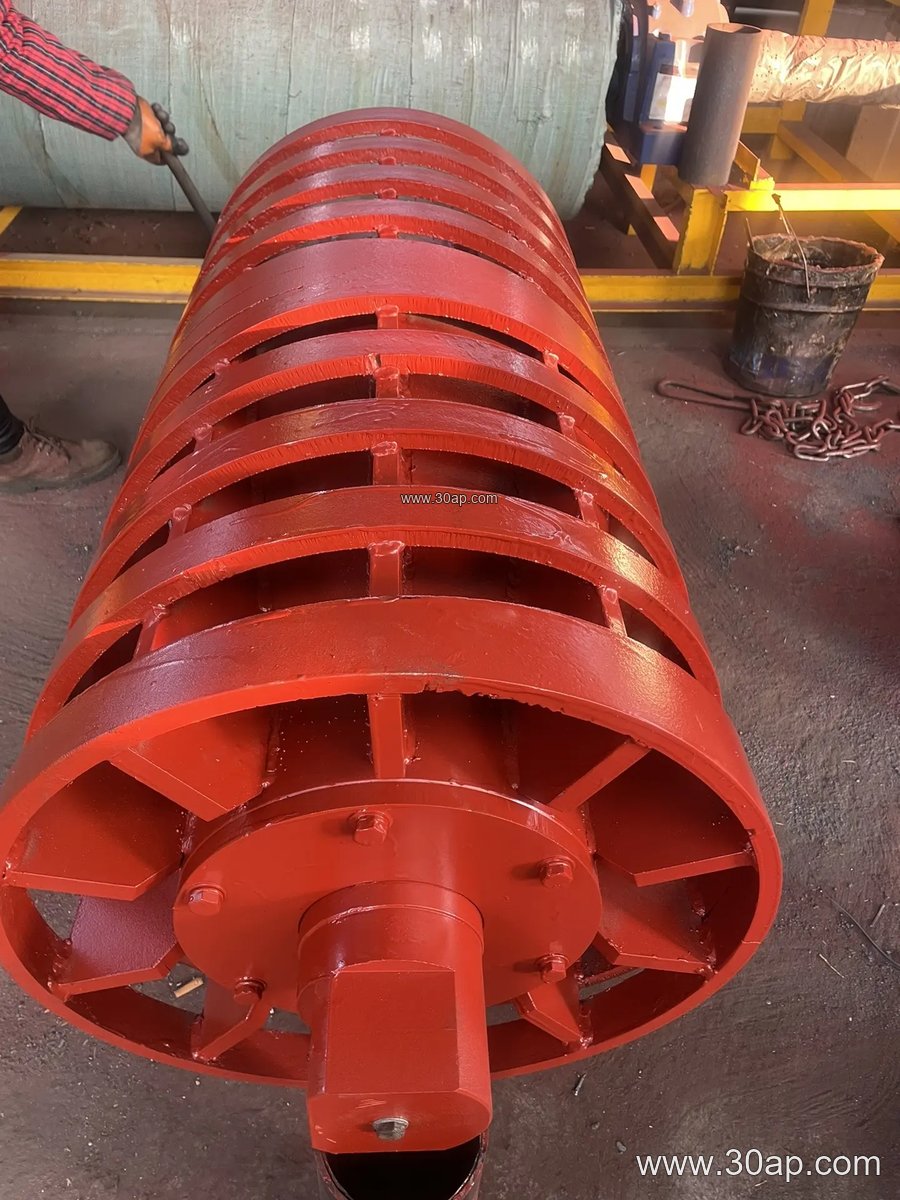
- Shell – rolled plate, machined at the faces, sometimes with a slight crown so the belt tracks toward the center.
- Shaft – turned to bearing and hub fits; shaft diameter is set by torque and load, not by belt width alone.
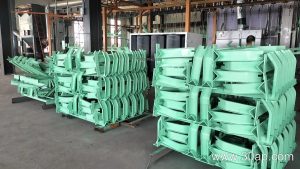
- End discs and hubs – welded to the shell and keyed to the shaft.
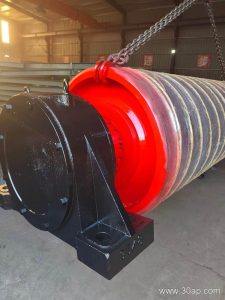
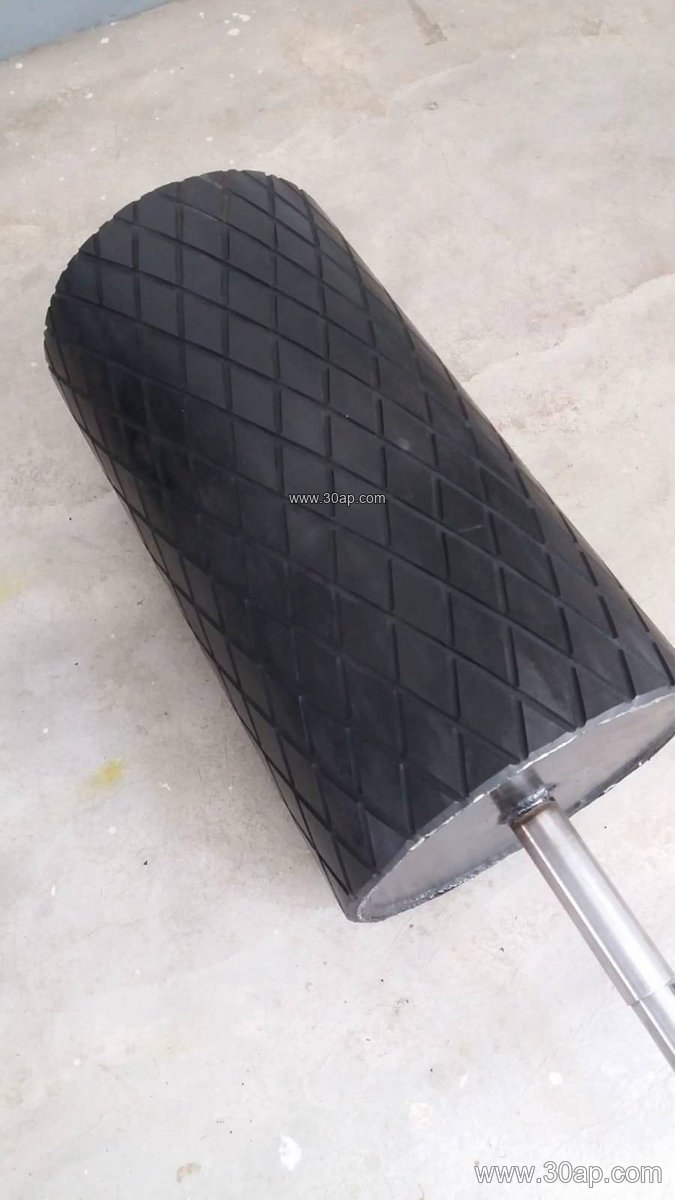
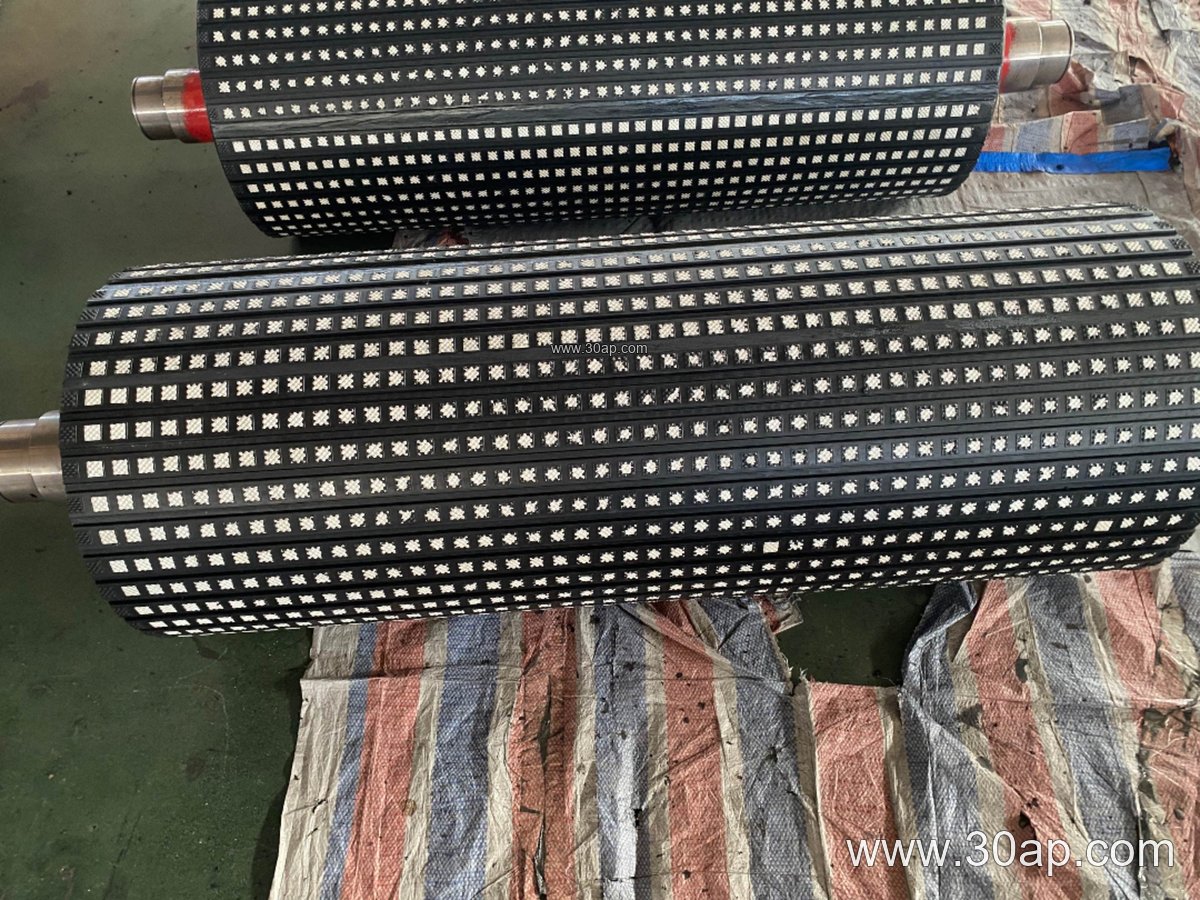
- Lagging – rubber or ceramic surface applied after machining, then finished to the final diameter.
- Bearings and housings – mounted in the conveyor bracket at the head, tail, or take-up position.
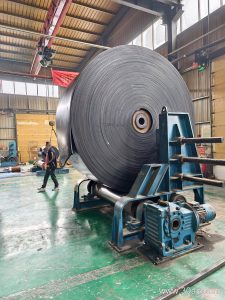
For a drive pulley, the machining focus is torque transmission and lagging grip. For a tail pulley, it is alignment and protection from material build-up. A bend pulley used to route the belt is machined lighter, because it carries less tension. These are different duties, so they are specified separately.
Where Machined Pulleys Are Used
In an iron ore or copper ore concentrator, head pulleys drive heavy belts loaded with abrasive rock. In a coal washing plant, flame retardant belt runs are common, and pulley surfaces must resist fines and moisture. In a limestone quarry or aggregate line, crusher discharge belts put shock loads through the tail pulley. Port bulk terminals use large diameter pulleys on long ship-loading booms. Each site sets its own balance between grip, wear life, and belt protection.
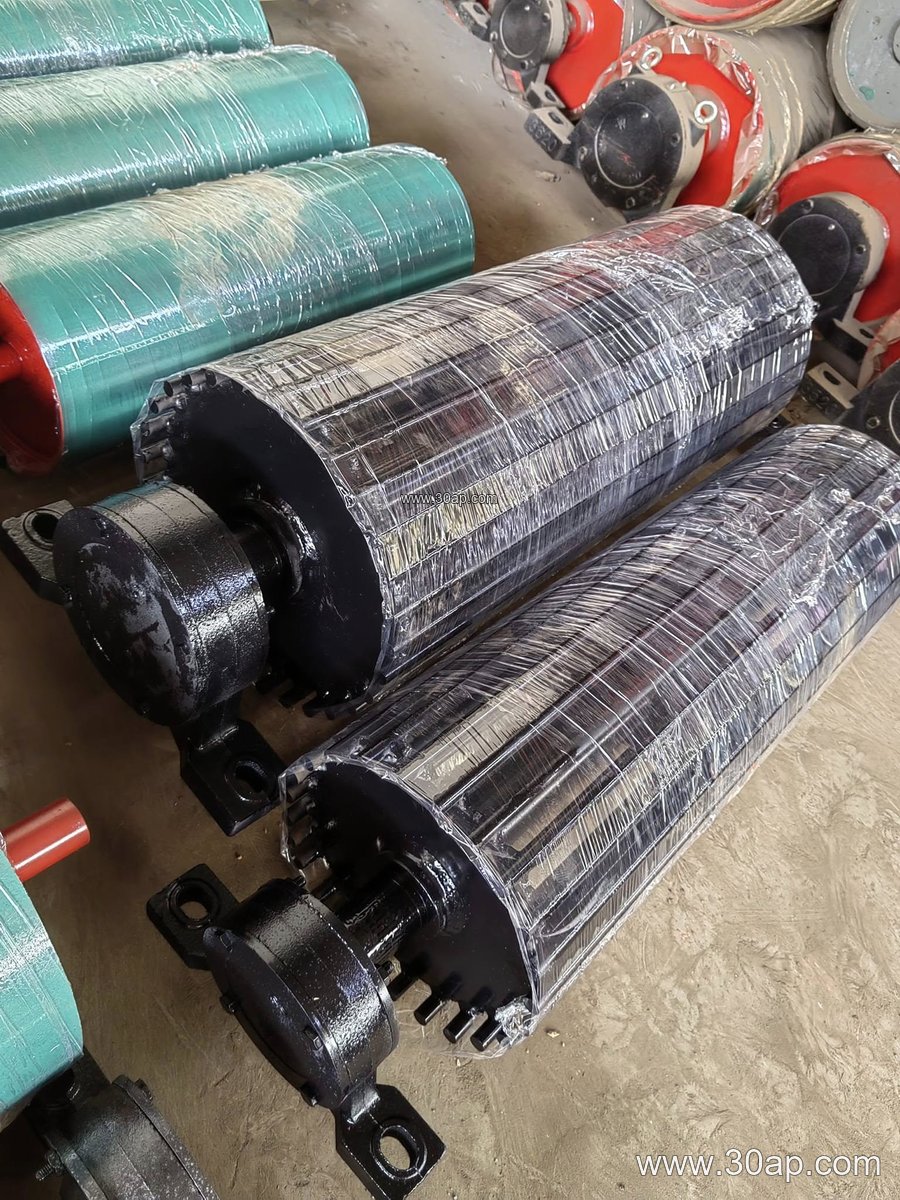
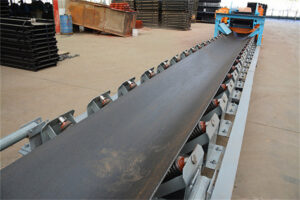
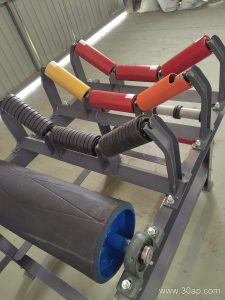
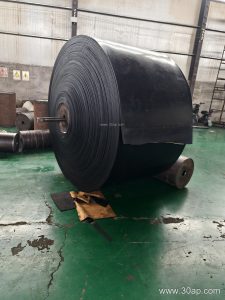
The pulley does not work alone. It matches the conveyor belt, the idler roller sets that support the belt, and the frame that holds everything. A poorly machined pulley can damage even a high-quality EP conveyor belt or steel cord conveyor belt, so machining tolerances matter as much as the belt specification.
Dimensions and Surface Options
Common belt widths range from B400 to B2400. Pulley face width is usually a little wider than the belt, and diameters run from about Ø200 up to Ø1600 or more depending on tension. Typical combinations include B800 × Ø500, B1200 × Ø1000, and B1400 × Ø800, but no single belt width locks a pulley to one diameter. Shaft size is calculated from the actual load case.
| Item | Common Range | Notes |
|---|---|---|
| Belt width | B400 to B2400 | Face width slightly larger than belt |
| Pulley diameter | Ø200 to Ø1600 | Selected by belt tension and wrap angle |
| Lagging thickness | 8, 10, 12, 15, 20 mm | Plain, diamond, herringbone, or ceramic |
| Shaft diameter | Ø50 to Ø200 | Set by torque, not by belt width |
Surface choice depends on the duty. Plain finish suits bend pulleys with low slip risk. Diamond or herringbone lagging improves grip on wet drive pulleys. Ceramic lagging is used where abrasive slurry is present. The same machining step must leave the surface true before lagging is applied.
What a Buyer Should Check
Ask for the machining report, balance grade, and lagging specification. Confirm the shaft fit, the bearing type, and the mounting dimensions against the conveyor bracket. Check that the pulley diameter fits the belt’s minimum bend radius. On a coal mining conveyor belt or a heavy-duty mining conveyor belt, verify that lagging and pulley materials suit the local fire and dust rules. The cost of good pulley machining is small compared with a belt failure underground or at a port berth.