What a 1250mm Drive Pulley Does
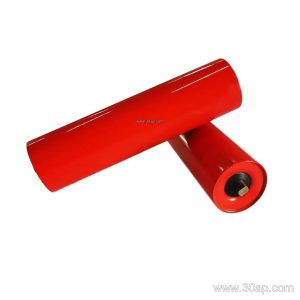
The 1250mm drive pulley is the head-end power transmission component on a belt conveyor, with a nominal drum diameter of 1250 mm. It grips the conveyor belt through friction and converts motor torque into belt motion. In a quarry, limestone mine, or cement plant, this large-diameter head pulley is often paired with a wide conveyor belt to handle high tonnage without excessive belt stress. The 1250mm drive pulley is not a tail pulley or a bend pulley; those serve different positions and load paths. A tail pulley returns the belt at the rear, while a bend pulley changes belt direction without driving. The drive pulley, sometimes called the head pulley or drive drum, is the one that pulls the belt.
Construction and Surface Options
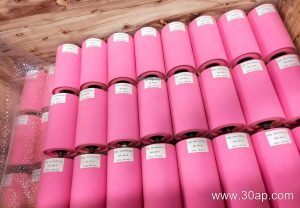
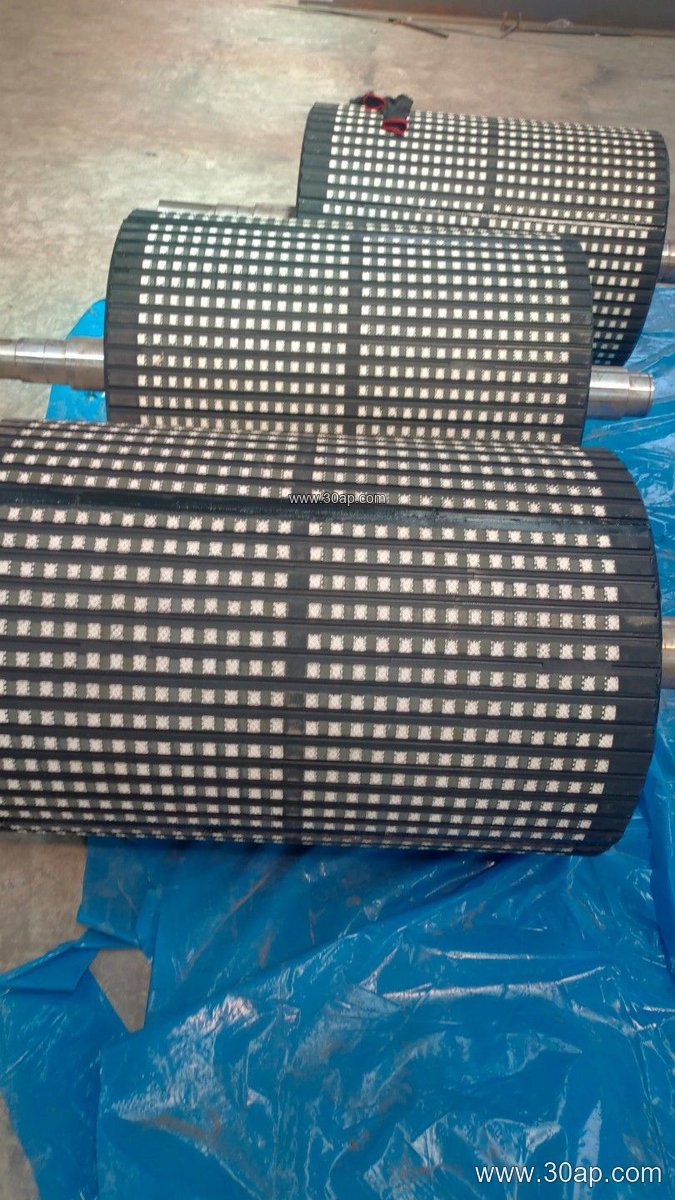
Most 1250mm drive pulleys are built as welded steel drums with a machined shell, reinforced end discs, and a shaft sized by torque and load rather than belt width alone. Common shaft diameters for this class of pulley may fall in the Ø160 to Ø200 range, but final selection depends on the conveyor design. The shell surface can be plain, cast rubber, cold-bonded rubber, hot-vulcanized rubber, diamond grooved, herringbone grooved, or ceramic lagged. Lagging thickness commonly ranges from 8 mm to 20 mm.
For a 1250mm drive pulley, diamond or herringbone rubber lagging is often chosen where wet or dusty conditions reduce friction. Ceramic lagging may be used in high-abrasion service such as iron ore or copper ore handling. The pulley face width usually exceeds the belt width. For example, a B1000 belt may run on a pulley face around 1150 mm, and a B1200 belt on roughly 1400 mm. The 1250mm figure refers to drum diameter, not face width, so buyers should confirm both dimensions separately.
Where It Fits in the Plant
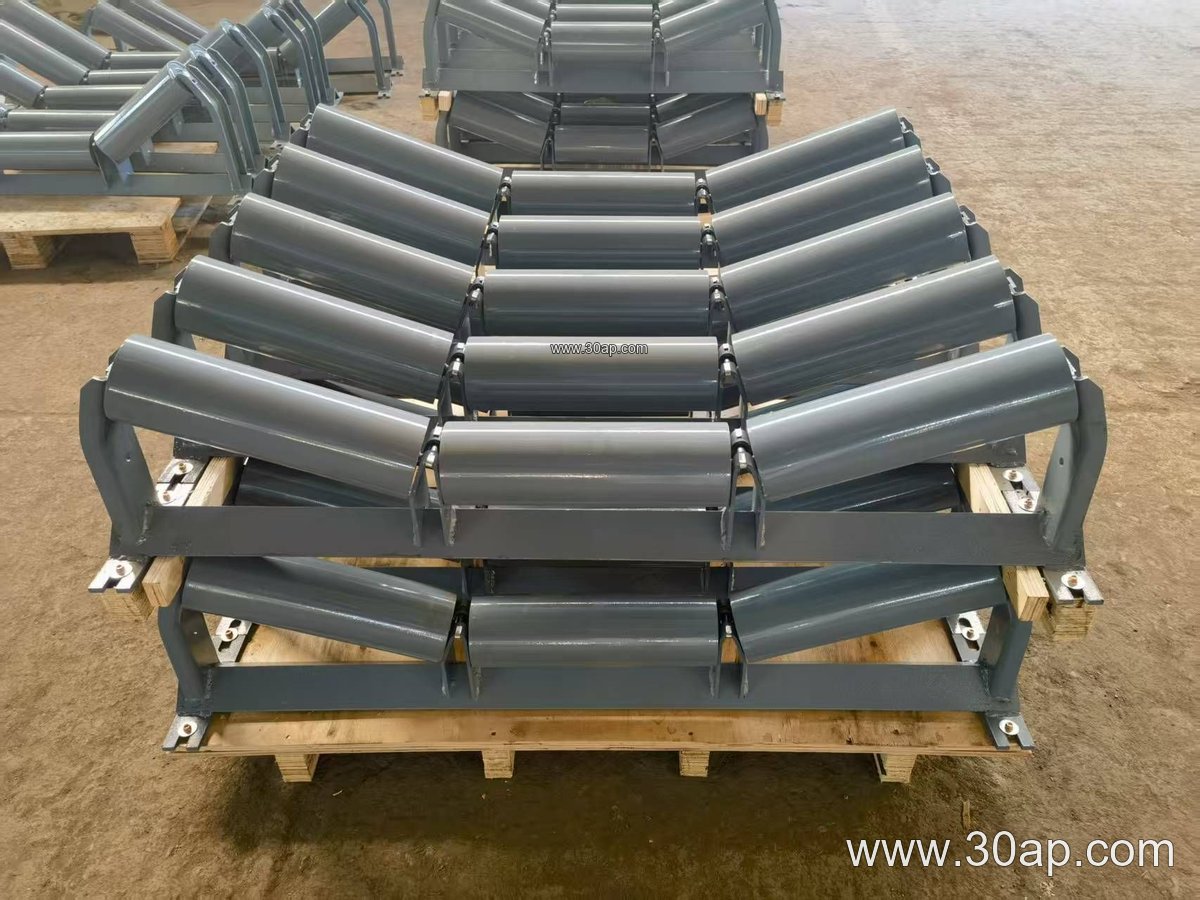
A 1250mm drive pulley is common on main haulage conveyors in bulk material handling. You may see it at a limestone quarry feeding a crusher, at a coal washing plant on a thick seam conveyor, or at a power plant coal yard where reliability matters. In sand and aggregate lines, it often works with a heavy-duty conveyor belt and a set of idler rollers to move crushed stone from a screen to a stockpile. The drive pulley works together with the conveyor belt, conveyor pulley frame, and conveyor brackets to keep belt tracking stable. It is not interchangeable with a tail pulley or a bend pulley; each has its own bearing load and wrap angle.
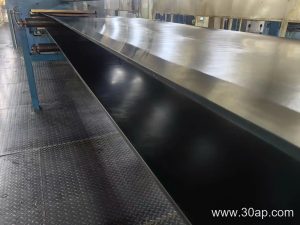
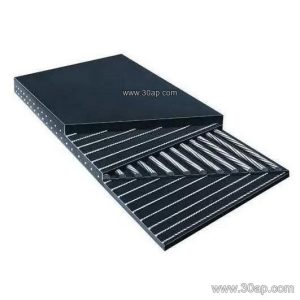
When specifying the pulley, the belt type matters. A steel cord conveyor belt or a multi-ply fabric core belt will have different tension and pulley-diameter requirements. A flame retardant conveyor belt for underground coal mining may need a specific lagging compound, while a heat resistant conveyor belt in a cement clinker line may call for heat-tolerant rubber. The 1250mm drive pulley can be used with EP conveyor belts, NN conveyor belts, and steel cord belts, but the belt manufacturer and pulley designer should confirm compatibility.
Key Parameters Buyers Should Check
Before ordering a 1250mm drive pulley, confirm the drum diameter, face width, shaft diameter, bearing type, lagging surface, and lagging thickness. The table below lists common reference values; these are not universal specifications.
| Parameter | Common Reference Range |
|---|---|
| Drum diameter | Ø1250 mm |
| Belt width examples | B1000, B1200, B1400, B1600 |
| Face width examples | 1150 mm, 1400 mm, 1600 mm, 1800 mm |
| Shaft diameter examples | Ø160, Ø180, Ø200 |
| Lagging thickness | 8, 10, 12, 15, 20 mm |
| Surface forms | Plain, diamond rubber, herringbone rubber, ceramic |
Do not assume a fixed shaft diameter from belt width alone. Torque, radial load, bearing life, and starting conditions determine the shaft size. Also, a 1250mm drive pulley does not require a single belt width; several belt widths can be matched to the same drum diameter depending on conveyor tension and wrap angle.
Selection and Maintenance Notes
For a new conveyor, calculate the required traction and check the belt wrap angle on the drive pulley. If the wrap angle is low, a snub pulley or a larger diameter may be needed. In existing plants, replacing a smaller head pulley with a 1250mm drive pulley can change belt speed and take-up requirements, so the whole drive system should be reviewed. During operation, inspect lagging wear, check bearing temperature, and keep the pulley face clean. A worn lagging surface on a 1250mm drive pulley can cause belt slip and accelerated wear on the conveyor belt. For harsh conditions, consider an abrasion resistant conveyor belt and a matching pulley lagging. In coal mining or underground mining, flame retardant and anti-static properties are often required for both belt and lagging.
Finally, confirm that the pulley drawing matches the conveyor bracket dimensions and bearing housing. A 1250mm drive pulley is a heavy component, so lifting points, keyway size, and shaft end details should be agreed before delivery.