What a Belt Conveyor Bracket Does
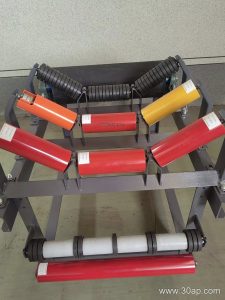
A belt conveyor bracket is the structural support that holds the idler roller in position along the carrying or return side of a conveyor. In a troughed conveyor, the bracket fixes the idler frame at a specific trough angle so the belt forms a stable channel for bulk material. It is a small component by weight, but it determines whether the belt tracks smoothly, whether the idlers stay aligned, and how quickly the maintenance team can replace a worn roller in a quarry, limestone mine, or aggregate plant.
The bracket is often called a conveyor bracket or idler bracket, and those names refer to the same product. It should not be confused with a conveyor pulley: drive, tail, and bend pulleys are separate components with different functions. A bracket supports idlers; a pulley drives or redirects the belt.
Construction and Common Types
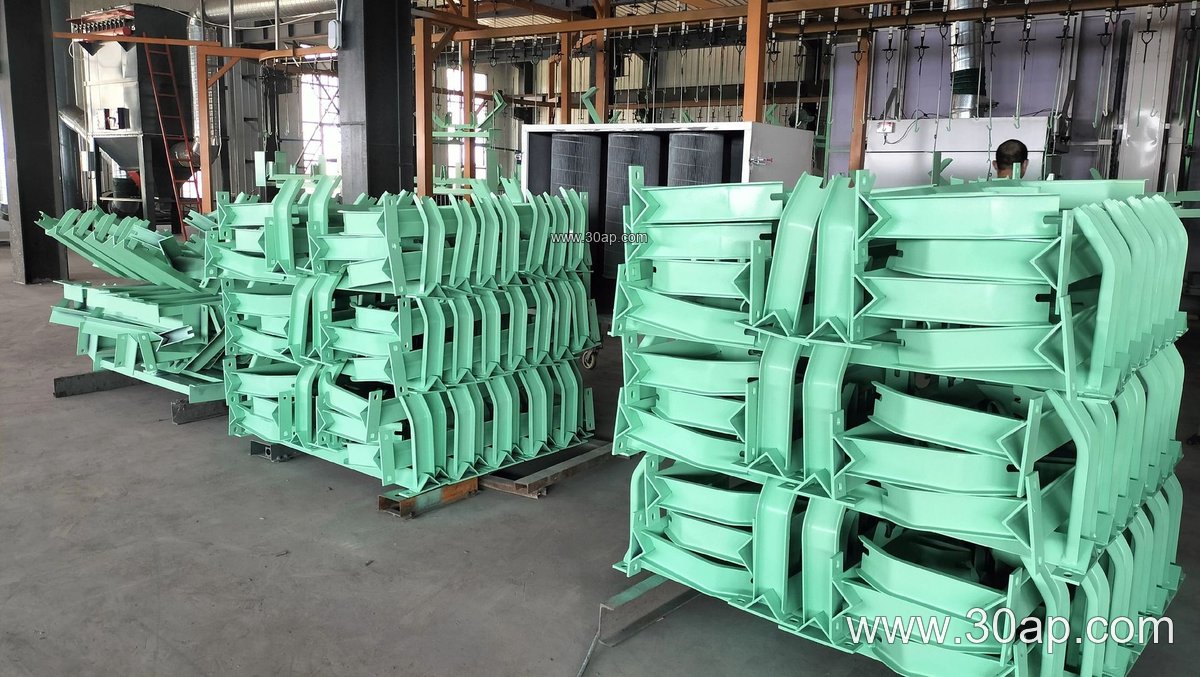
Most brackets are fabricated from angle steel, channel steel, or folded steel plate, then drilled or slotted for mounting bolts. The frame geometry sets the trough angle, and the mounting hole spacing and crossbeam length change with belt width and design angle. Common configurations include:
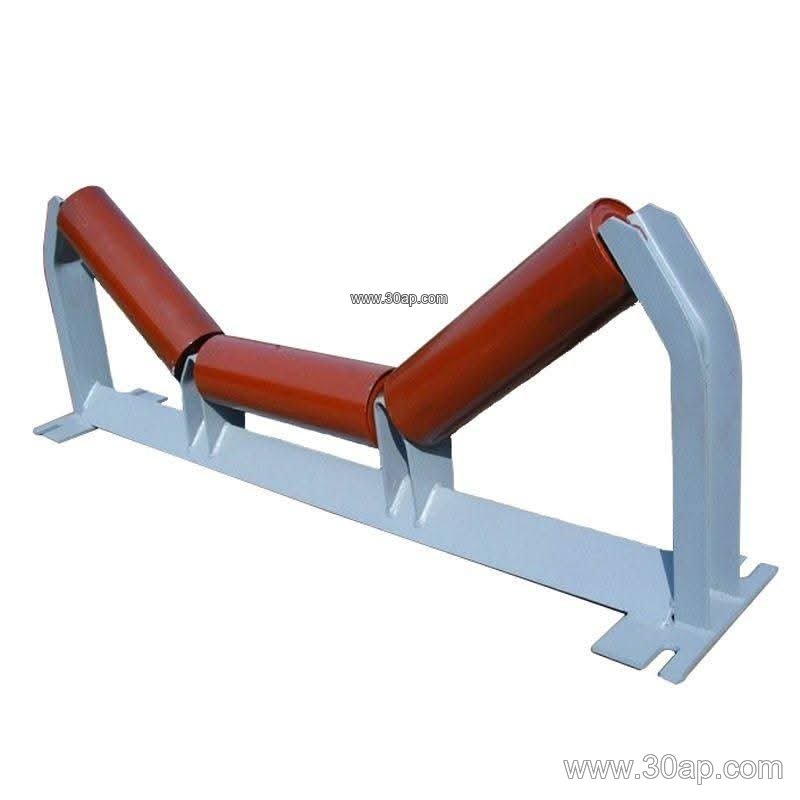
- Troughed carrying bracket for the upper run, usually at 20, 30, 35, or 45 degrees
- Transition bracket near the head or tail to ease the belt from flat to troughed
- Return bracket or V-return bracket for the lower run
- Impact bracket under the loading point, paired with impact idlers
- Self-aligning bracket to correct belt drift
- Adjustable bracket that allows the trough angle to be changed on site
Forward-leaning brackets are sometimes used at roughly 1.5 to 2 degrees to help center the belt. Adjustable and fixed brackets are not interchangeable in every position: a fixed bracket is simpler and stiffer, while an adjustable one is useful where the belt width, material load, or operating condition may change.
Matching Bracket, Belt, and Idler
The bracket should be selected together with the belt width, idler diameter, and trough angle. Typical reference combinations include B800 with 35 degrees and Ø108 idlers, B1200 with 45 degrees and Ø133 idlers, or B650 with 30 degrees and Ø89 idlers. These are examples, not fixed rules. A given belt width can work with more than one trough angle or roller diameter depending on the conveyor design, belt stiffness, and material being handled.
| Reference item | Common range |
|---|---|
| Belt width | B500 to B2400 |
| Trough angle | 20, 30, 35, 45 degrees |
| Idler diameter | Ø89, Ø108, Ø133, Ø159, Ø194 |
| Bracket material | Angle steel, channel steel, folded plate |
On a coal mining conveyor or a power plant coal handling line, a flame retardant conveyor belt or fire resistant conveyor belt may run over the same bracket style used elsewhere, but the bracket must still suit the belt load and the idler frame. In a cement plant or steel plant, an abrasion resistant conveyor belt and heavy-duty idlers place higher demands on bracket stiffness.
Where the Bracket Is Used
Brackets appear wherever a conveyor belt is supported. In a sand and gravel line, they hold troughing idlers through the crushing and screening section. In an iron ore or copper ore operation, they carry the belt under high impact at the transfer point. Port and ship loading conveyors use long runs of brackets to keep the belt aligned. In a coal washing plant or underground coal mining conveyor, compact and robust brackets help maintain clearance and service access.
The bracket also interacts with the conveyor pulley at the head and tail: a poorly aligned bracket near the transition can cause belt mistracking that appears at the pulley. Checking bracket alignment is therefore part of routine conveyor inspection.
Buyer Checklist
- Confirm belt width, trough angle, and idler diameter before ordering.
- State whether a fixed or adjustable bracket is required.
- Check mounting hole spacing and crossbeam length against the existing frame.
- Match material thickness to the load, especially at impact and transfer points.
- Consider the environment: wet, dusty, or corrosive sites may need a suitable surface finish.
- Order brackets with the correct idler frame type, since bracket and idler must fit together.
For a fabric core conveyor belt or steel cord conveyor belt installation, bracket selection should follow the conveyor design rather than a single catalogue number. The right bracket keeps the idlers square to the belt, reduces edge wear, and supports steady material flow from the quarry face to the stockpile.