What a Head Drive Pulley Does
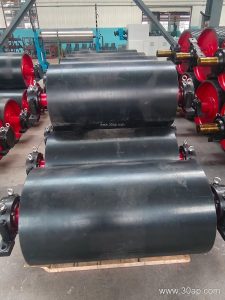
The head drive pulley is the powered roller at the discharge end of a belt conveyor. It transmits torque from the drive unit to the conveyor belt through friction between the pulley surface and the belt’s bottom cover. In a typical arrangement, the head pulley also serves as the unloading point, where material leaves the belt and enters a chute, screen, or stockpile. While tail pulleys and bend pulleys guide and tension the belt, the head drive pulley is the component that actually moves the loaded belt forward.
In a quarry or aggregate line, this pulley is often the largest and most heavily built roller on the machine. In a coal mining conveyor or a power plant coal handling system, it must combine reliable grip with flame retardant and anti-static properties in the belt contact zone. The design of the head drive pulley therefore directly affects starting behavior, belt tracking, and overall uptime.
Construction and Surface Options
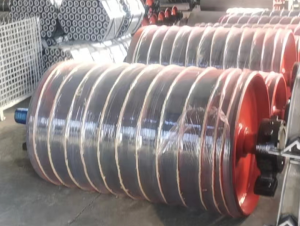
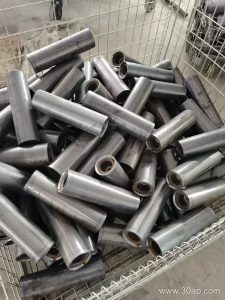
A head drive pulley typically consists of a cylindrical shell, two end discs, a shaft, and a hub connection. The shell may be seamless steel tube or rolled plate, machined for balance and concentricity. Shaft diameters commonly range from Ø50 to Ø200 mm, but the final size is determined by torque and load, not by belt width alone. Common pulley diameters include Ø200, Ø250, Ø315, Ø400, Ø500, Ø630, Ø800, Ø1000, Ø1250, and larger sizes up to Ø1800 for heavy-duty applications.
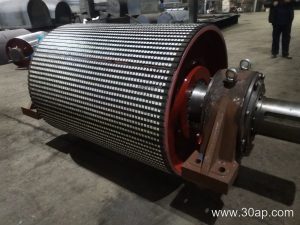
The surface form is a key choice. Plain steel is used where grip is not critical. Rubber lagging—applied by hot vulcanization, cold bonding, or casting—improves friction and protects the shell. Diamond grooved lagging helps shed water and fines, while ceramic lagging offers high wear resistance in abrasive service. Lagging thickness is often 8, 10, 12, 15, or 20 mm, selected according to belt tension and environmental conditions.
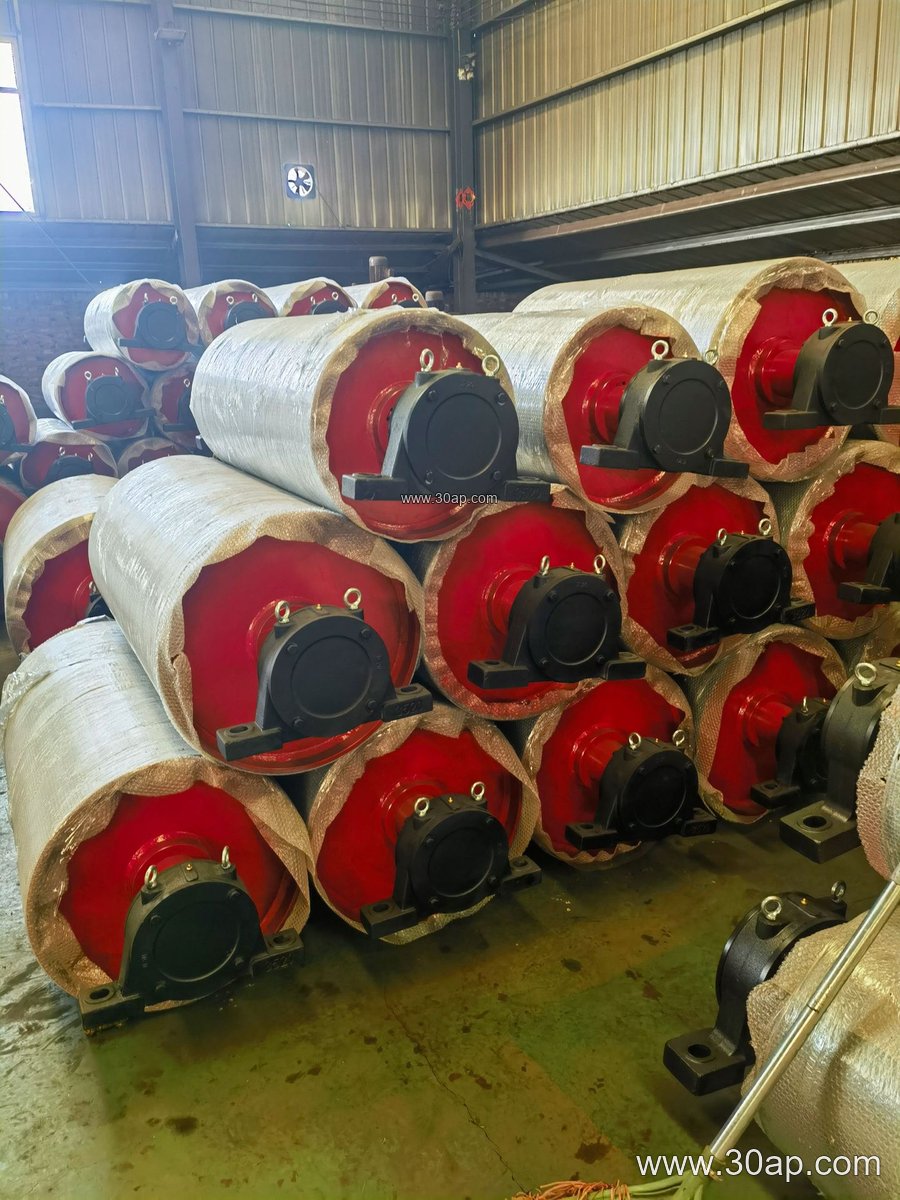
Face width usually exceeds belt width to allow for belt wander. For example, a B800 belt may run on a pulley with roughly 950 mm face width, and a B1200 belt on about 1400 mm face width. These are reference proportions, not fixed rules; actual dimensions are confirmed by the conveyor designer.
Where It Fits in the System
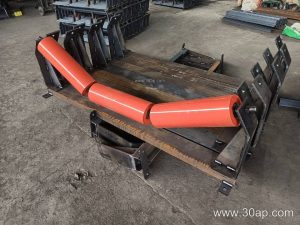
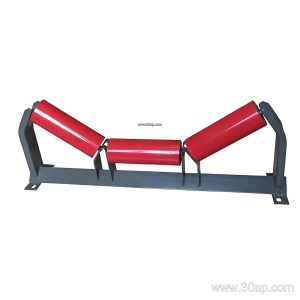
Head drive pulleys are found in a wide range of bulk handling operations. In a limestone quarry or stone crushing plant, the head pulley on the main discharge conveyor works alongside troughing idler rollers and a sturdy conveyor bracket to handle coarse rock. In a cement plant, clinker conveyors often use heat resistant conveyor belts, and the head pulley lagging must tolerate warm, abrasive material. In a port ship loading system, a wide belt may run over a large head drive pulley to achieve high tonnage with stable tracking.
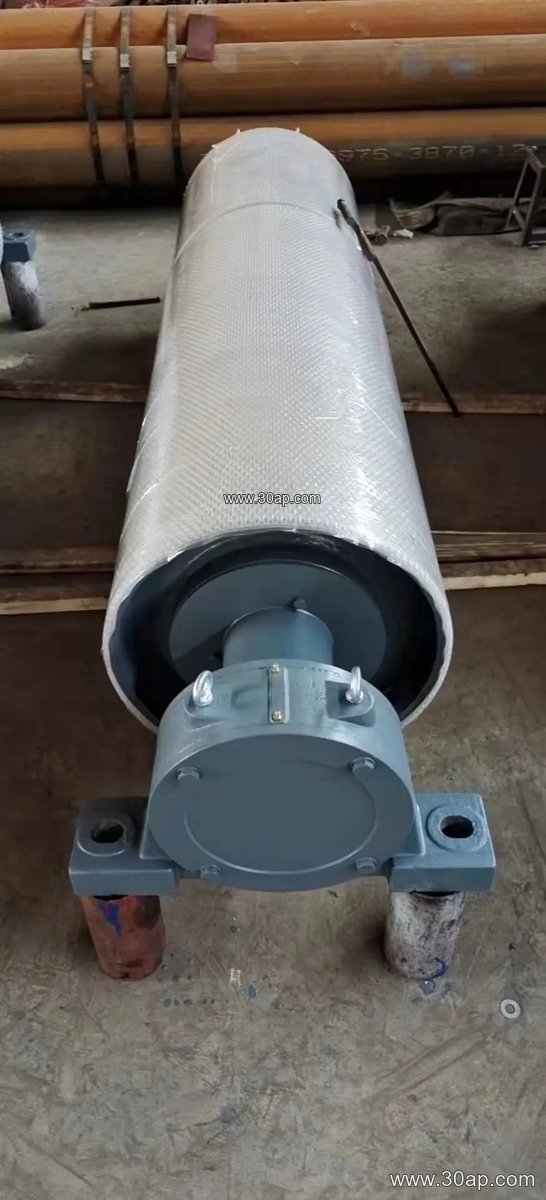
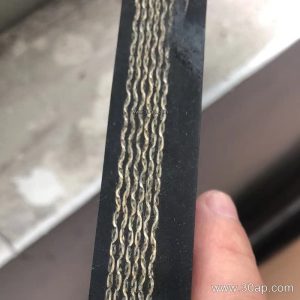
The pulley does not work alone. Its performance depends on the conveyor belt type—whether an EP conveyor belt, NN conveyor belt, steel cord conveyor belt, or a special construction such as a chevron conveyor belt or corrugated sidewall conveyor belt. A heavy-duty mining conveyor belt with high tension demands a robust head pulley with adequate shaft and bearing capacity, while a shorter aggregate conveyor may use a more compact unit.
Selection and Maintenance Notes
Buyers should match the head drive pulley to the belt width, belt tension, drive torque, and environmental conditions. Key parameters include:
- Belt width: B400, B500, B650, B800, B1000, B1200, B1400, B1600, B1800, or wider
- Pulley diameter: Ø200 to Ø1800 depending on belt speed and tension
- Face width: typically wider than the belt, e.g. B650 with about 750 mm face
- Shaft diameter: Ø50 to Ø200 mm, sized by torque and load
- Lagging: plain, rubber, diamond, ceramic, or herringbone, with thickness 8–20 mm
- Bearing type and sealing for dusty or wet conditions
Routine checks include lagging wear, shell runout, bearing temperature, and shaft alignment. In a coal mining conveyor or underground mining conveyor, flame retardant and anti-static properties of the belt and lagging are important for safety. In a food grade or cold resistant application, the lagging compound and surface finish may need special attention.
For any project, the head drive pulley should be specified together with the conveyor belt, idler roller set, and conveyor bracket to ensure the whole system works as one. A well-chosen head pulley keeps the belt centered, reduces slip, and supports steady material flow from the mine, quarry, cement plant, or power station to the next stage of the process.