What a Parallel Idler Bracket Does
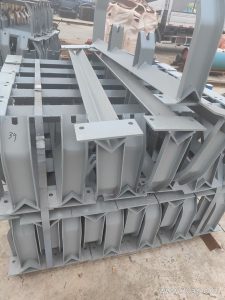
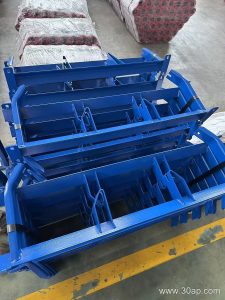
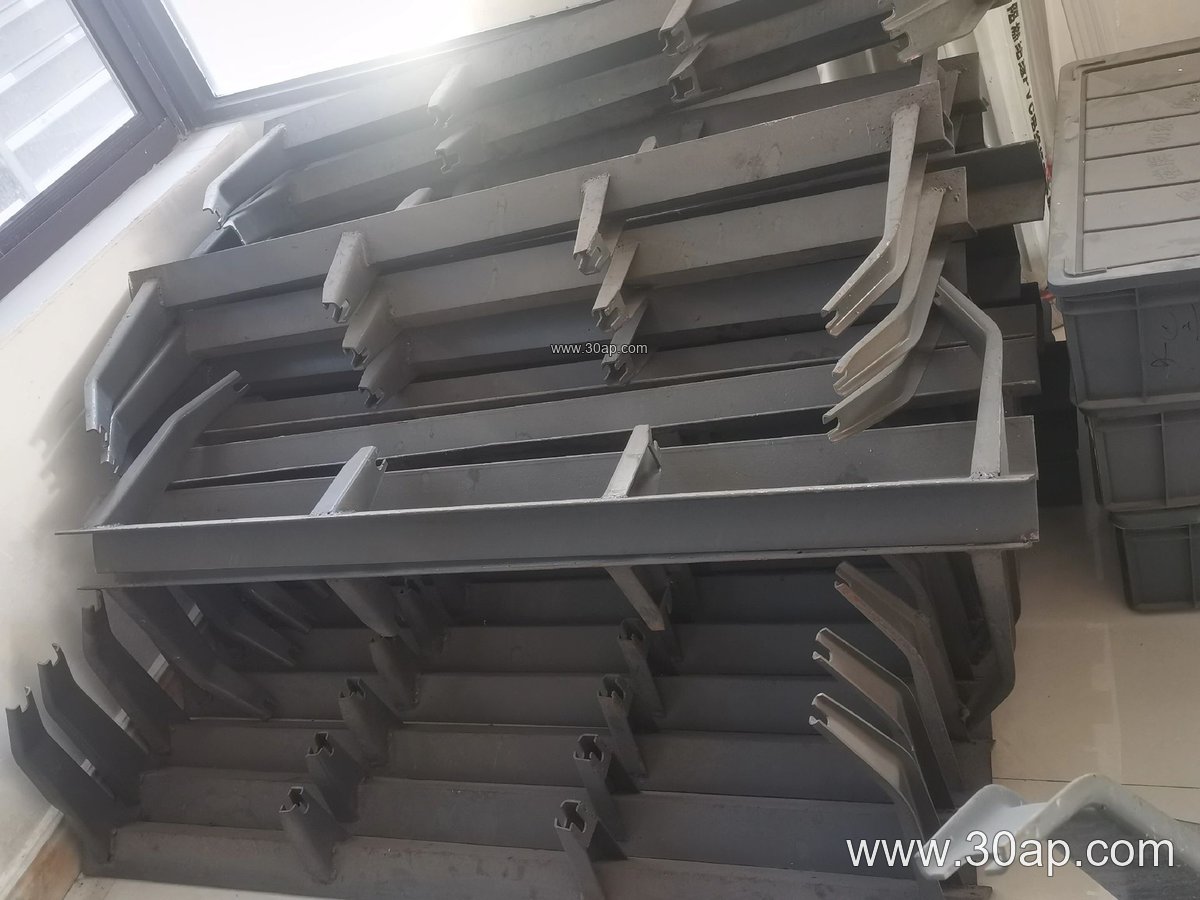
A parallel idler bracket is the stationary support frame that holds the carrying-side idler rollers of a conveyor in a flat or slightly troughed line. In everyday plant language it is often called a flat idler bracket or a parallel roller bracket, and it sits between the conveyor stringers, carrying the idler roller shaft so the belt runs on a predictable plane. Unlike a transition bracket or a self-aligning bracket, it does not change its working angle or correct belt wander; its job is simple, rigid and repeatable support.
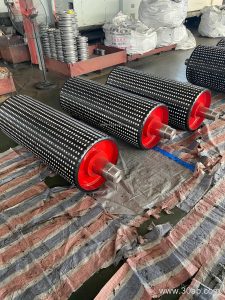
The bracket is not a pulley. Drive pulleys, tail pulleys and bend pulleys transmit motion or change belt direction, while a parallel idler bracket only holds idlers that support the loaded belt. Confusing the two leads to ordering errors, especially when a maintenance team is replacing several components at once.
How the Bracket Is Built
Most parallel idler brackets are fabricated from angle steel, channel steel or folded steel plate, with punched or drilled mounting slots for the idler shaft. The frame usually has two side plates joined by a cross member, and the top face provides the seat where the idler ends locate. Welds are ground where the belt could rub, and edges are deburred to protect the belt edge.
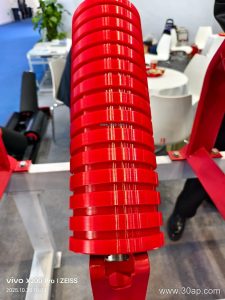
Common belt width references include B500, B650, B800, B1000, B1200, B1400, B1600 and B1800, while larger lines may use B2000, B2200 or wider frames. The bracket length, hole spacing and cross member position follow the belt width, trough angle and idler diameter, so these are design values rather than fixed numbers. Typical roller diameters used with such brackets are Ø89, Ø108, Ø133, Ø159 and Ø194, matched to load and belt speed by the conveyor designer.
Where It Fits on the Conveyor
The parallel idler bracket is most often found on the carrying side where a flat belt profile is required, such as a transfer point, a weighing section or a belt run feeding a crusher. In a quarry or aggregate line it may sit just after a crusher conveyor belt discharge, keeping the belt stable before the next incline. In a coal mining conveyor or underground mining conveyor, flat carrying frames are used where clearance is tight and a full trough is not needed.
It also appears in cement plants, power plant coal handling, steel plants and port ship loading systems. On a bulk material conveyor belt handling abrasive ore, the bracket must be stiff enough to resist vibration from lump impact, and it is often paired with impact idlers near the loading chute. A heavy-duty mining conveyor belt running at high tension places greater demand on frame rigidity than a light aggregate conveyor belt.
Selection Points for Buyers
Buyers should confirm the belt width, the idler diameter, the mounting hole centres and the stringer spacing before ordering. The bracket must match the idler end type, whether that is a flat end, a slotted end or a shaft with a locating pin. Surface treatment matters in wet or corrosive plants; galvanising or a suitable paint system extends service life in washdown areas.
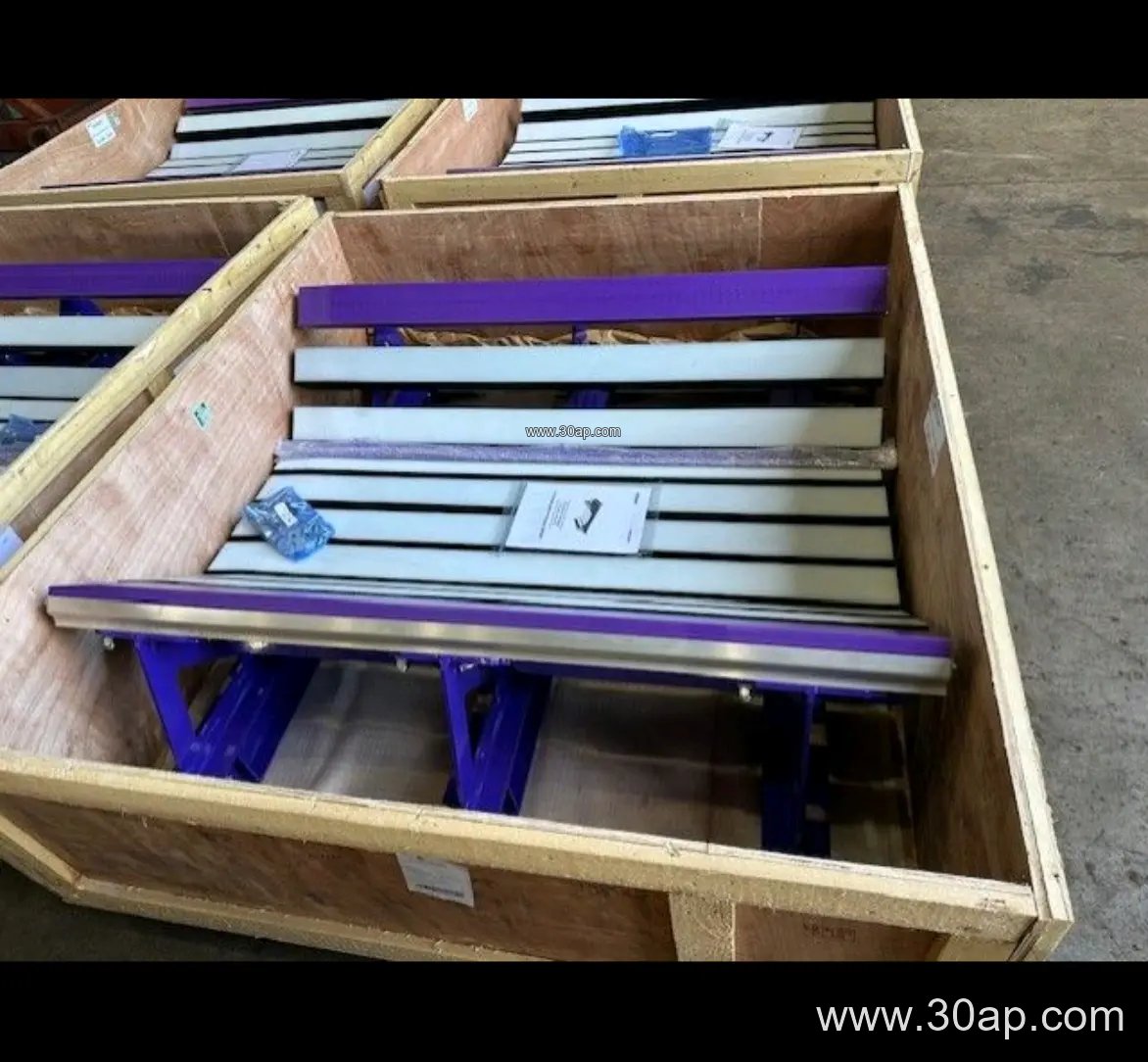
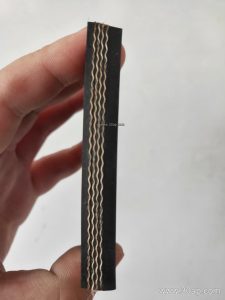
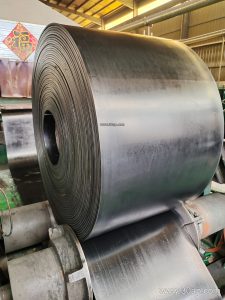
Check that the bracket height keeps the belt line consistent with adjacent frames, because a mismatch creates a step that wears the belt and the idler. For lines carrying a rubber conveyor belt or an EP conveyor belt, a smooth bracket top and correct alignment reduce edge damage. Where the belt is a steel cord conveyor belt or a multi-ply fabric core conveyor belt, frame stiffness and accurate hole positions matter even more, since misalignment is harder to correct later.
Reference Values Often Quoted
- Belt width range: B500 to B2200, with wider frames by design
- Idler diameter: Ø89, Ø108, Ø133, Ø159, Ø194
- Material: angle steel, channel steel, folded steel plate
- Mounting: bolted to stringers or welded to a cross beam
These figures are common references, not universal specifications. Actual hole spacing and frame length depend on the conveyor layout and should be confirmed against the drawing. A bracket that suits a B800 line with Ø108 idlers will not automatically suit a B1200 line with Ø133 idlers, even if the profile looks similar.
Installation and Maintenance Notes
Install parallel idler brackets square to the belt centreline and at the same height as neighbouring frames. Tighten bolts to the specified torque, then check that each idler roller spins freely and sits fully in its seat. During routine inspection, look for loose bolts, cracked welds, bent side plates and worn mounting holes. Replacing a worn bracket early prevents the idler from sitting low, which can cause belt tracking problems and premature wear on the conveyor belt.
Keep spare brackets on hand for critical transfer points, and record the belt width, idler diameter and hole centres for each position. That simple record avoids downtime when a frame is damaged during a belt change or a chute blockage.