What a Conveyor Welded Pulley Is
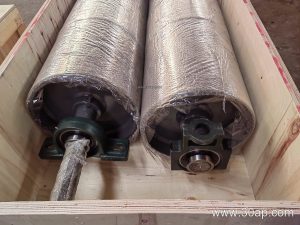
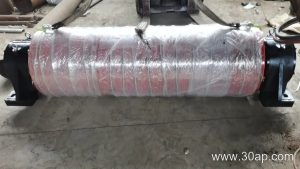
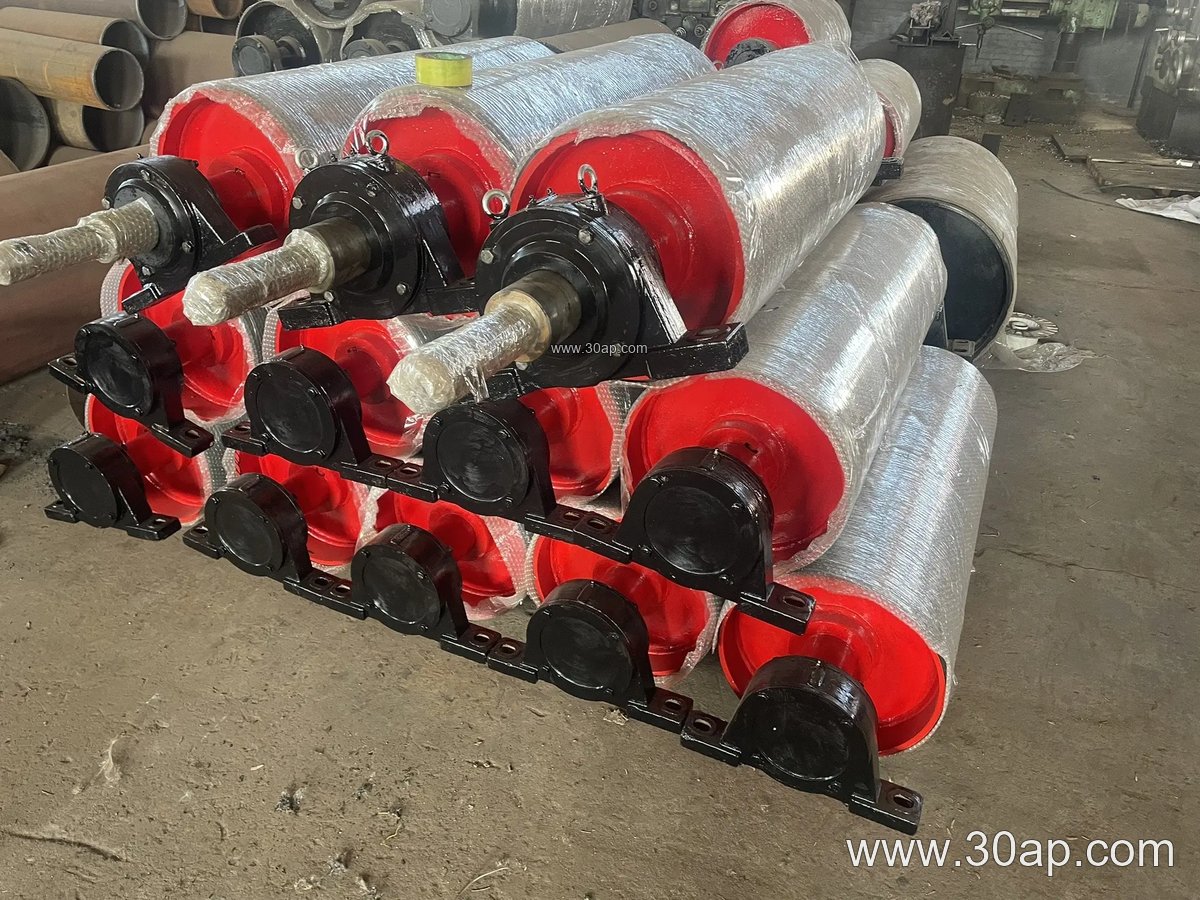
A conveyor welded pulley is a cylindrical drum built by welding steel plates and hub components into a single strong unit. It serves as the driving, tail, or bend component in a belt conveyor system, transferring motion and tension to the conveyor belt. Unlike cast pulleys, welded construction allows for larger diameters and custom face widths without the weight penalties of a solid casting. In quarry and aggregate operations, these pulleys are often paired with an abrasion resistant conveyor belt to handle sharp, heavy loads.
Construction and Key Components
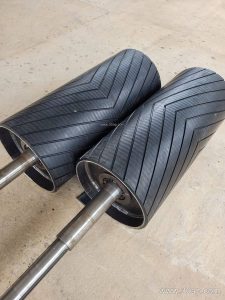
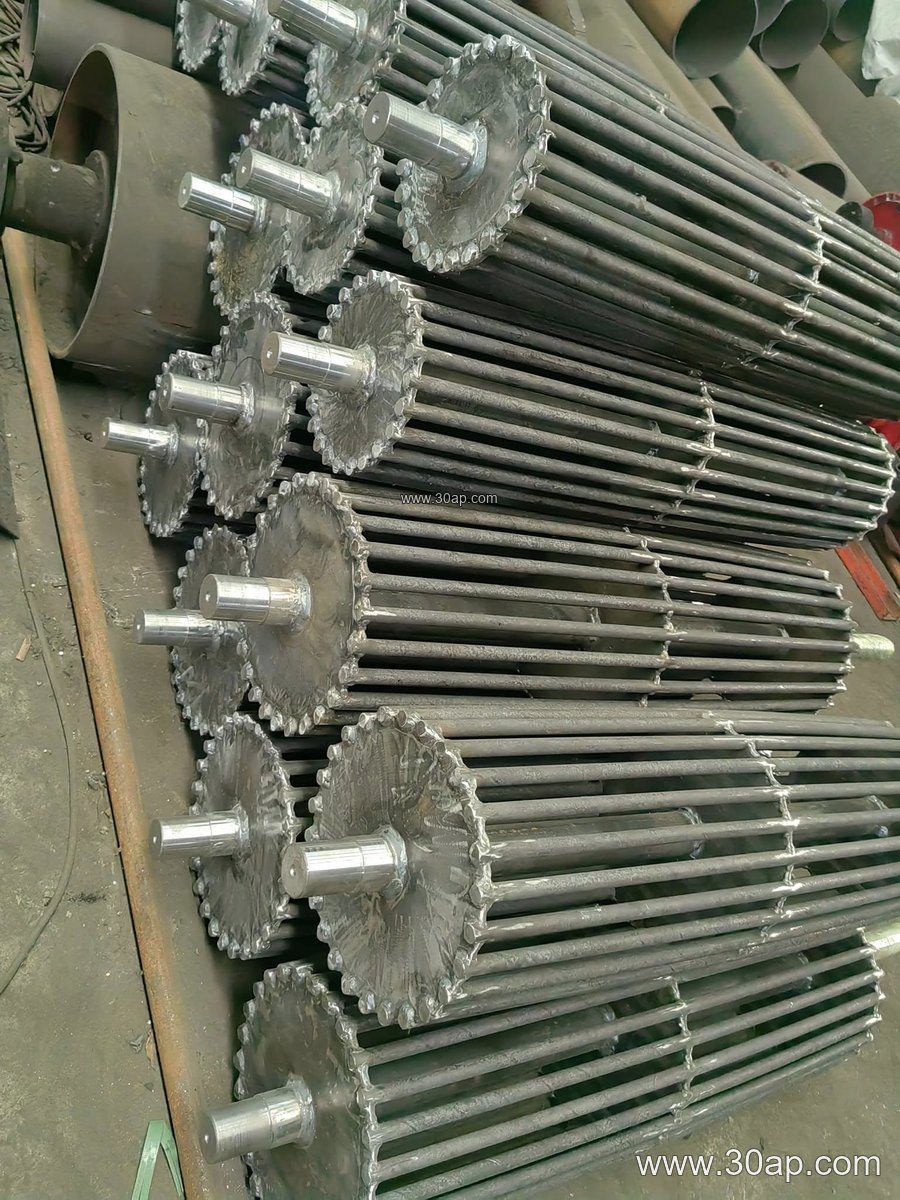
The typical welded pulley consists of a rolled steel shell, two end discs, a central shaft, and hub assemblies. The shell is machined to ensure concentricity, and the shaft is keyed or shrink-fitted to the hubs. Surface options include plain finish, rubber lagging (cold-bonded or hot-vulcanized), diamond pattern, herringbone, or ceramic lagging for extra grip. Common lagging thicknesses are 8, 10, 12, 15, and 20 mm. For dusty or corrosive environments, such as a coal mining conveyor belt system, a flame retardant conveyor belt may be used alongside a pulley with anti-static properties.
Where It Fits in a Conveyor
Welded pulleys appear in several positions. The drive pulley, often called the head pulley, transmits power from the motor to the belt. Tail pulleys redirect the belt at the loading end, while bend pulleys change direction along the return run. Tension pulleys maintain belt tension, and snub pulleys increase wrap angle. Each position imposes different loads, so a pulley for a primary crusher discharge might be larger and more heavily lagged than one on a small transfer point. Note that drive, tail, and bend pulleys are not interchangeable; their design and lagging must match the duty.
Common Sizes and Configurations
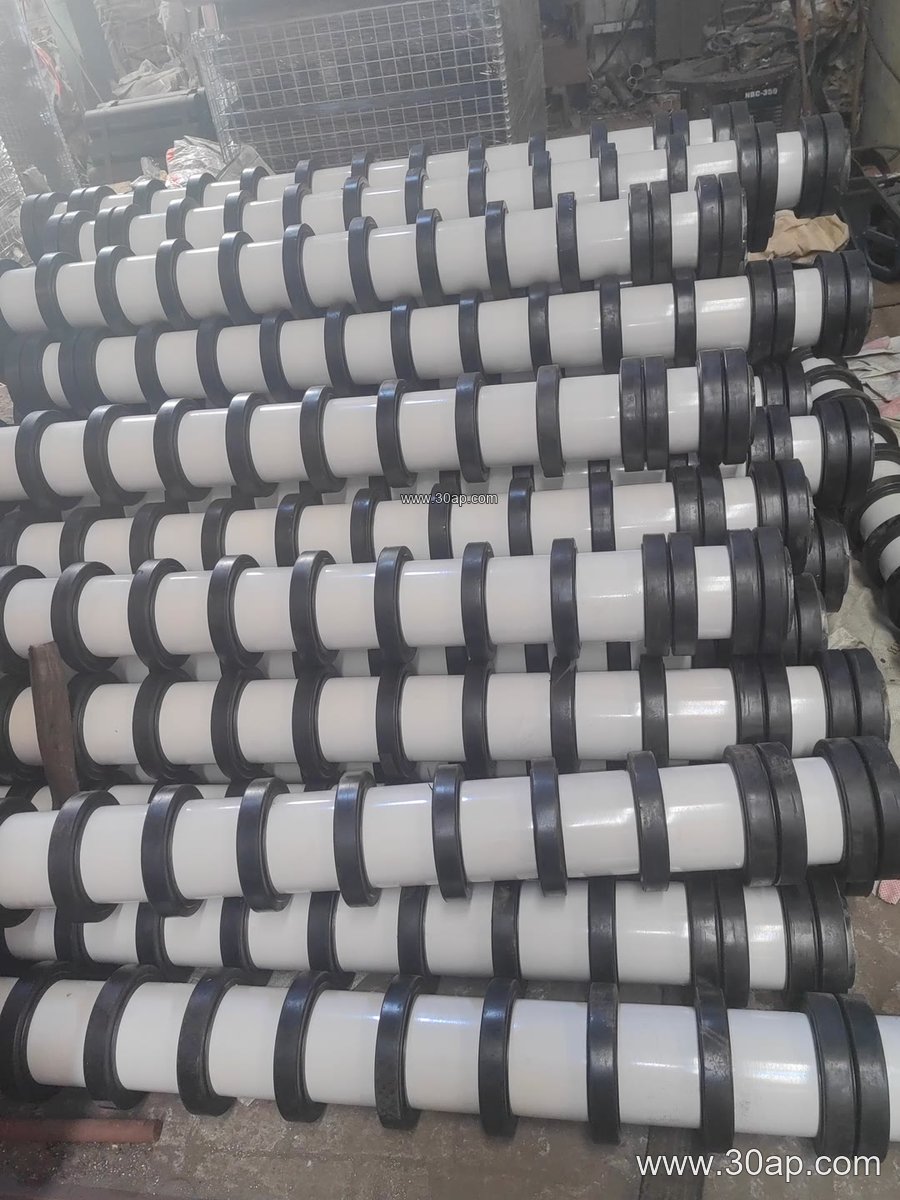
Welded pulleys are specified by belt width, pulley diameter, face width, and shaft diameter. Face width typically exceeds belt width to allow for belt tracking. Below is a reference table of common combinations; these are typical examples, not mandatory pairings.
| Belt Width (mm) | Pulley Diameter (mm) | Face Width (mm) | Typical Shaft Diameter (mm) |
|---|---|---|---|
| B400 | Ø200–Ø315 | 500 | Ø50–Ø70 |
| B500 | Ø250–Ø400 | 600 | Ø60–Ø80 |
| B650 | Ø315–Ø500 | 750 | Ø70–Ø90 |
| B800 | Ø400–Ø630 | 950 | Ø80–Ø100 |
| B1000 | Ø500–Ø800 | 1150 | Ø90–Ø120 |
| B1200 | Ø630–Ø1000 | 1400 | Ø100–Ø140 |
| B1400 | Ø800–Ø1250 | 1600 | Ø120–Ø160 |
| B1600 | Ø1000–Ø1400 | 1800 | Ø140–Ø180 |
| B1800 | Ø1250–Ø1600 | 2000 | Ø160–Ø200 |
Shaft diameter is determined by torque and load, not by belt width alone. For instance, a B1200 conveyor might use a Ø1000 pulley with a Ø120 shaft in a heavy-duty mining conveyor belt application, while a lighter duty might use a smaller shaft. Always confirm with the conveyor designer.
Applications Across Industries
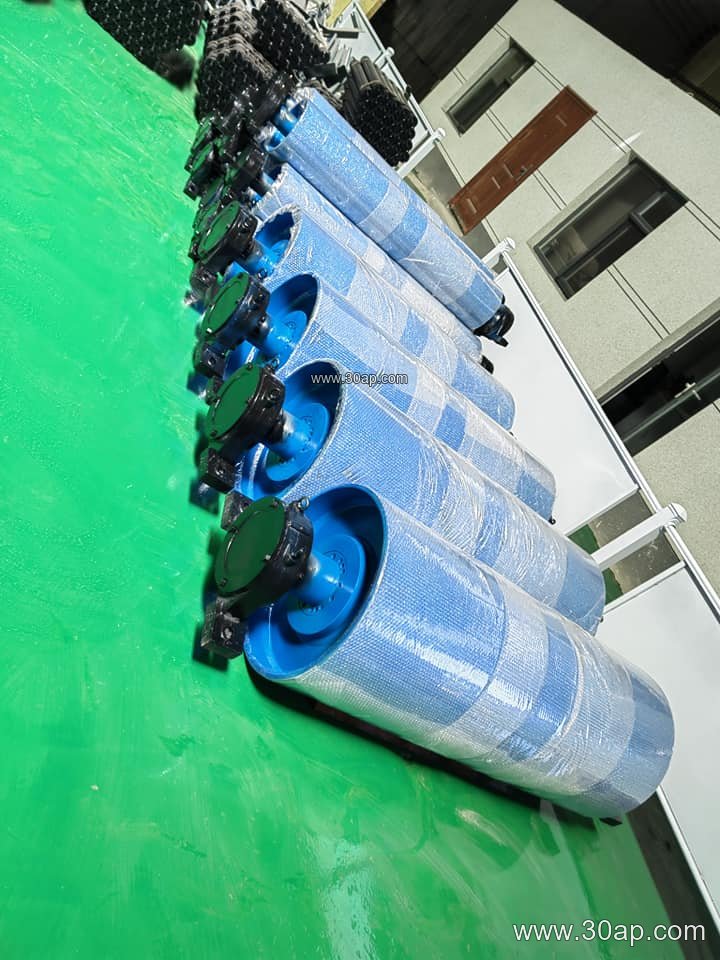
Welded pulleys are found in limestone quarries, iron ore mines, coal preparation plants, cement kilns, power plant coal handling, and port bulk terminals. In a sand and gravel line, a bend pulley with ceramic lagging may guide a heavy-duty conveyor belt around a transfer tower. In a cement plant, heat resistant conveyor belt sections may require pulleys with heat-tolerant lagging. For underground coal mining, flame retardant conveyor belt and anti-static properties are critical, and the pulley must be built to withstand dusty, moist conditions.
Buyer Checklist
- Confirm belt width, pulley diameter, face width, and shaft diameter from the conveyor design.
- Specify lagging type and thickness based on grip and wear requirements.
- Check that the pulley is balanced and machined for true running.
- Verify that the welded shell and hubs are sized for the expected torque and radial loads.
- Consider environmental factors: heat, oil, abrasion, or flame resistance may call for a specific conveyor belt grade, such as EP conveyor belt or steel cord conveyor belt, and matching pulley protection.
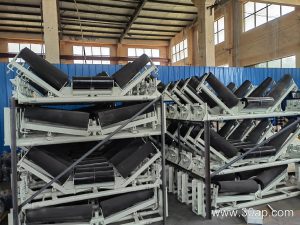
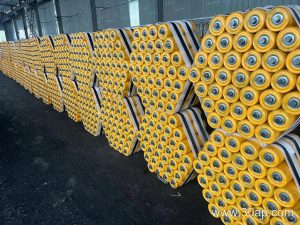
- Ensure proper mating with conveyor brackets and idler roller frames for alignment.
When sourcing a conveyor welded pulley, match the component to the entire system. A pulley that is too small for the belt tension may slip or fail early, while an oversized pulley adds unnecessary weight and cost. Work with a supplier who can provide dimensioned drawings and material certificates for the shell and shaft.