What a Conveyor Bracket Assembly Does
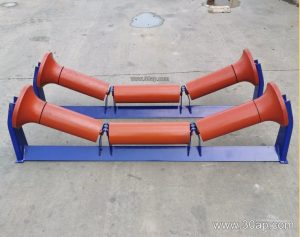
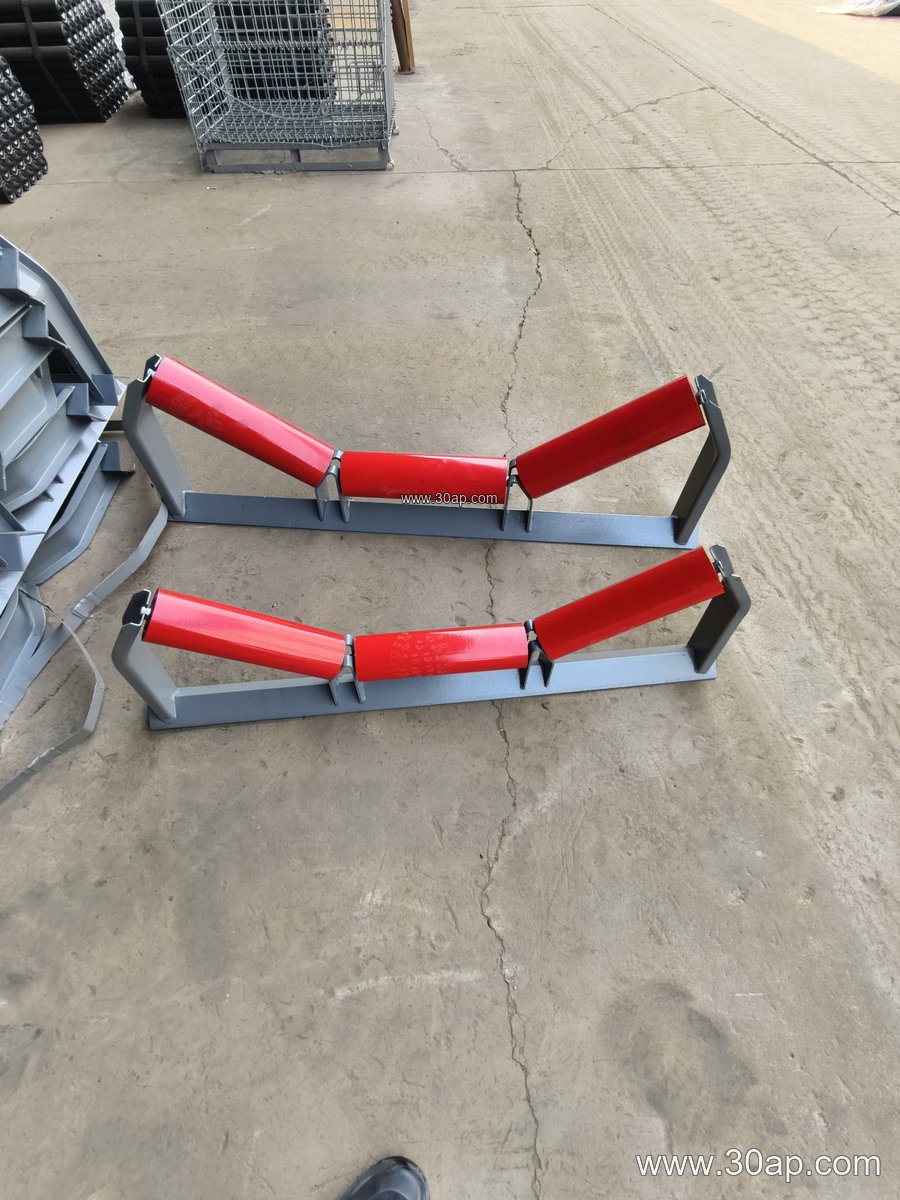
A conveyor bracket assembly is the steel framework that holds the idler rollers in the correct position under and over the conveyor belt. It is not a single part but a small structural system: cross beams, mounting plates, angle or channel sections, and fixing points that together keep each idler roller at the right height, spacing, and trough angle. In a quarry, a cement plant, or a power plant coal yard, the bracket is what turns a loose row of rollers into a stable carrying line.
The assembly usually sits between the conveyor stringers. On the carrying side it supports the troughing idlers; on the return side it carries the return idlers. A well-built bracket keeps the belt profile steady, reduces roller misalignment, and makes maintenance faster because a complete roller set can be lifted out as one unit. For anyone specifying a conveyor belt, idler roller, or conveyor pulley, the bracket is the interface that ties them together.
How the Assembly Is Built
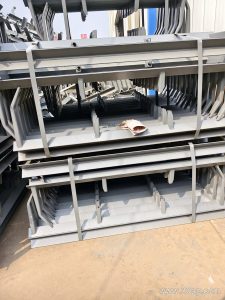
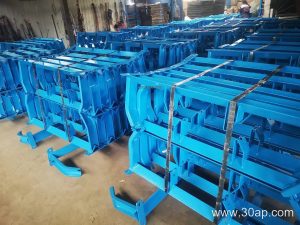
Most assemblies are fabricated from angle steel, channel steel, or folded steel plate. The frame may be welded or bolted, and the roller seats are usually slotted or drilled so the idler shaft can be fixed at a defined angle. Common forms include fixed troughing brackets, transition brackets near the pulley, return brackets, V-return brackets, impact brackets at loading points, self-aligning brackets, and adjustable brackets that allow the trough angle to be changed on site.
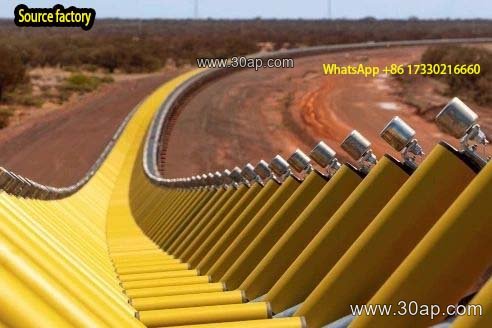
- Troughing bracket – carries three or more idlers in a trough profile.
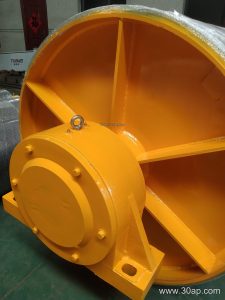
- Transition bracket – eases the belt from trough to flat near a conveyor pulley.
- Return bracket – supports the lower run, flat or V-shaped.
- Impact bracket – heavier frame under the loading zone.
- Adjustable bracket – trough angle can be set between common values.
Surface finish matters too. Painted or galvanized frames resist corrosion in wet coal handling and wash plants, while heavy plate frames are preferred where lump size and drop height are high.
Trough Angle, Belt Width, and Roller Diameter
The bracket sets the trough angle, and that angle affects how much material the belt can carry. Common trough angles are 20, 30, 35, and 45 degrees; adjustable brackets let a maintenance team move between these values. Belt width and roller diameter are selected together with the bracket, but they are not locked in a one-to-one relationship. A B800 conveyor might run 30 degrees with Ø108 rollers, while a B1200 line could use 35 or 45 degrees with Ø133 rollers depending on capacity and lump size. Typical widths range from B500 to B2200, and typical roller diameters include Ø89, Ø108, Ø133, Ø159, and Ø194.
| Parameter | Common Range | Note |
|---|---|---|
| Belt width | B500 to B2200 | Selected by capacity and layout |
| Trough angle | 20°, 30°, 35°, 45° | Adjustable on some brackets |
| Roller diameter | Ø89 to Ø194 | Matched to load and belt speed |
| Material | Angle, channel, folded plate | Finish by environment |
Mounting hole spacing and beam length change with belt width and trough angle, so these dimensions are set by design rather than by a single standard number.
Where These Assemblies Are Used
In a limestone quarry or a crushing and screening line, troughing brackets hold the idlers that carry run-of-mine rock. In a coal washing plant or a power plant coal yard, flame retardant and anti-static belts run over brackets that must resist dust and moisture. A cement plant uses them on clinker and raw meal lines, and a port ship loader relies on them for steady belt tracking at high throughput.
The belt itself is only part of the picture. A steel cord conveyor belt on a long overland line, an EP conveyor belt on a medium-duty aggregate conveyor, or a chevron conveyor belt on an incline all depend on correctly aligned brackets to keep the belt centered. The same applies to a heat resistant conveyor belt near a kiln discharge or an abrasion resistant conveyor belt in a primary crusher circuit.
Buyer Checklist
- Confirm belt width, trough angle, and roller diameter before ordering.
- State whether the frame is fixed or adjustable.
- Check the mounting hole pattern against the existing stringer.
- Choose material and finish for the site conditions.
- Allow heavier brackets at impact and transition points.
A conveyor bracket assembly is a small item that decides how well the whole conveyor runs. Matching it to the conveyor belt, idler roller, and conveyor pulley pays back in longer roller life and fewer tracking problems.