What an Idler Seal Actually Does
An idler seal is the barrier that keeps dust, water, and fine grit out of the bearing cavity inside a conveyor idler roller. In a quarry, cement plant, or coal handling system, the idler roller spins for thousands of hours under a layer of abrasive material. The seal is what prevents that material from reaching the bearing and turning a smooth-running roller into a seized one. Without a reliable idler seal, even a well-made idler roller will fail long before its bearing raceways show natural fatigue.
The seal is not a single universal part. It is a small assembly, usually a combination of a rotating lip, a stationary shield, and a labyrinth path that forces contaminants to change direction several times before reaching the bearing. Some designs add a felt or rubber exclusion ring for extra protection in wet or heavily dusted conditions.
How the Seal Is Built Into the Idler
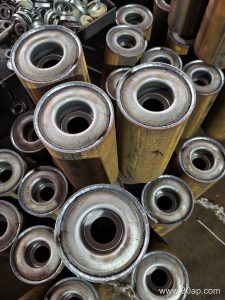
Most idler rollers use a non-contact labyrinth seal pressed into the end cap, with a close-running clearance between the rotating and stationary parts. A contact lip seal may be added on the outboard side for splash protection. The bearing itself sits behind this barrier, packed with grease that the seal must retain. The end cap and the seal housing are typically stamped steel, and the sealing elements are rubber, nitrile, or a similar elastomer chosen for the site conditions.
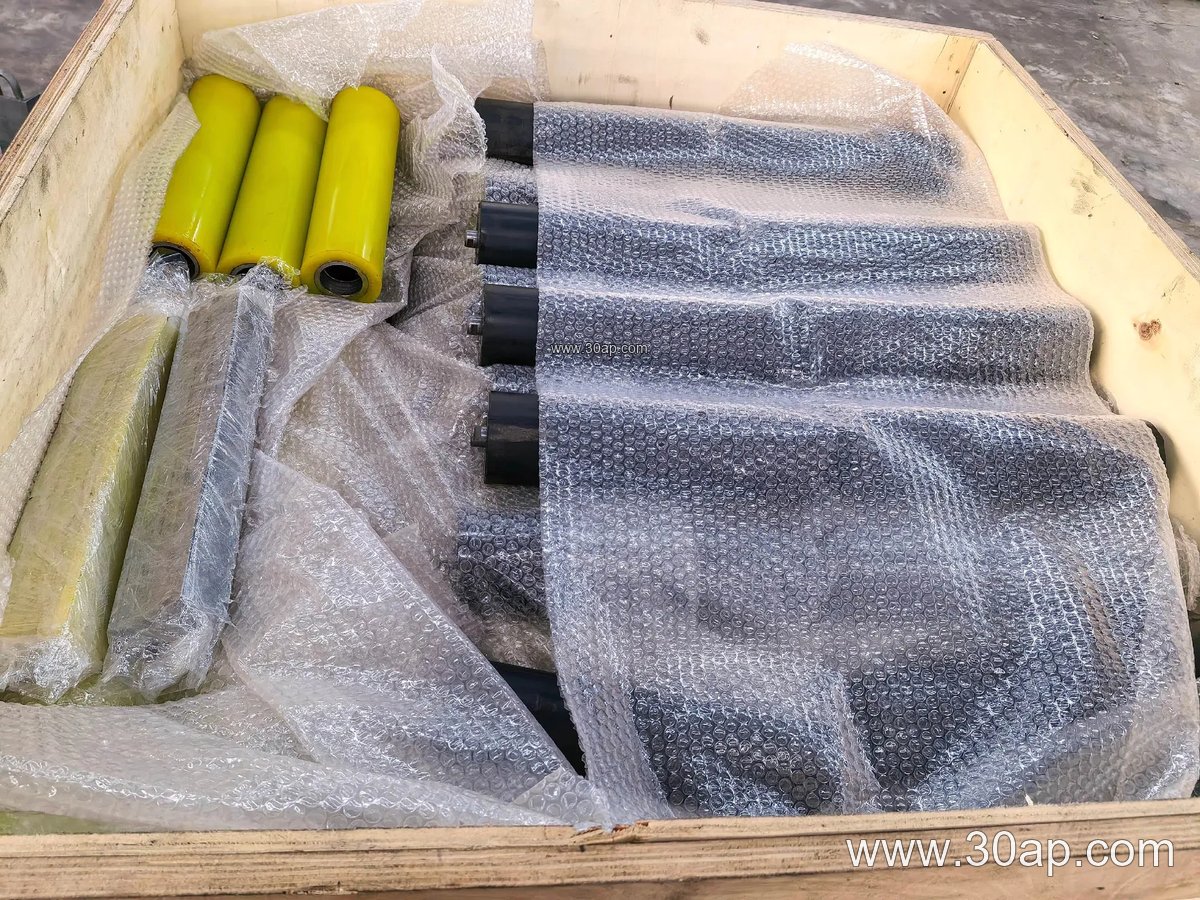
Seal performance depends on fit and alignment as much as on material. A seal that is pressed in crooked, or a roller whose shaft is bent, will leak regardless of the seal type. That is why idler seal quality is closely tied to the tolerances of the roller shell, the bearing seat, and the shaft end.
Where Idler Seals Matter Most
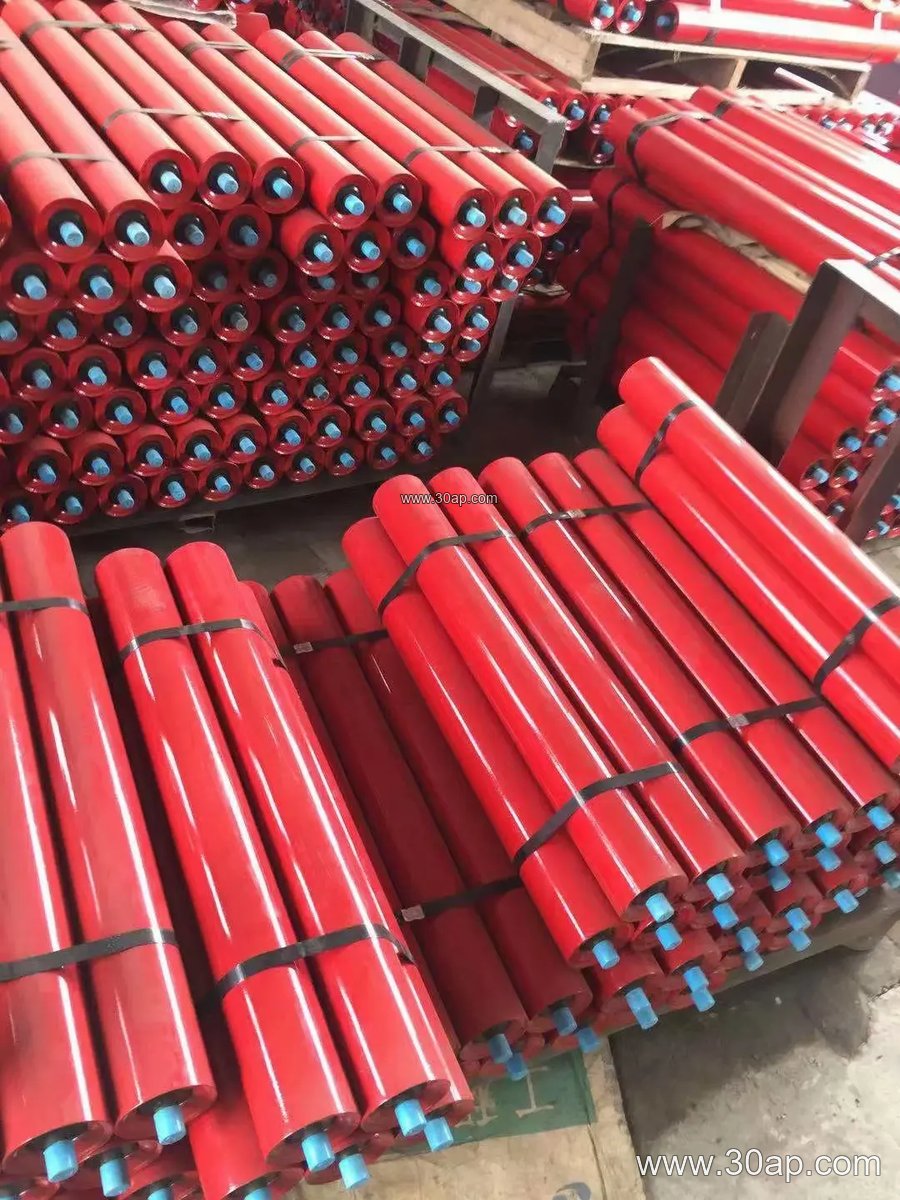
Dusty and wet duty points are the real test. In a limestone quarry or a sand and gravel line, fine dust behaves almost like a fluid and will find any gap. In a coal preparation plant or a power plant coal yard, wash-down water and fines combine into a paste that can push past a simple shield. A proper idler seal is what keeps the bearing clean in these environments.
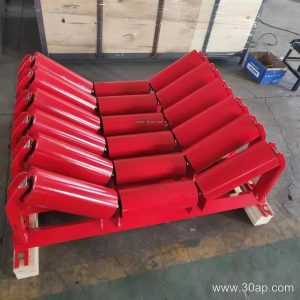
The seal also matters on the return side, where a flat return idler or V-return idler runs close to spilled material. Even a small amount of carryback can pack against the seal face. For that reason, seal design and belt cleaning work together; a scraper that reduces carryback extends seal life as much as it protects the belt.
Seal Types and Related Idler Details
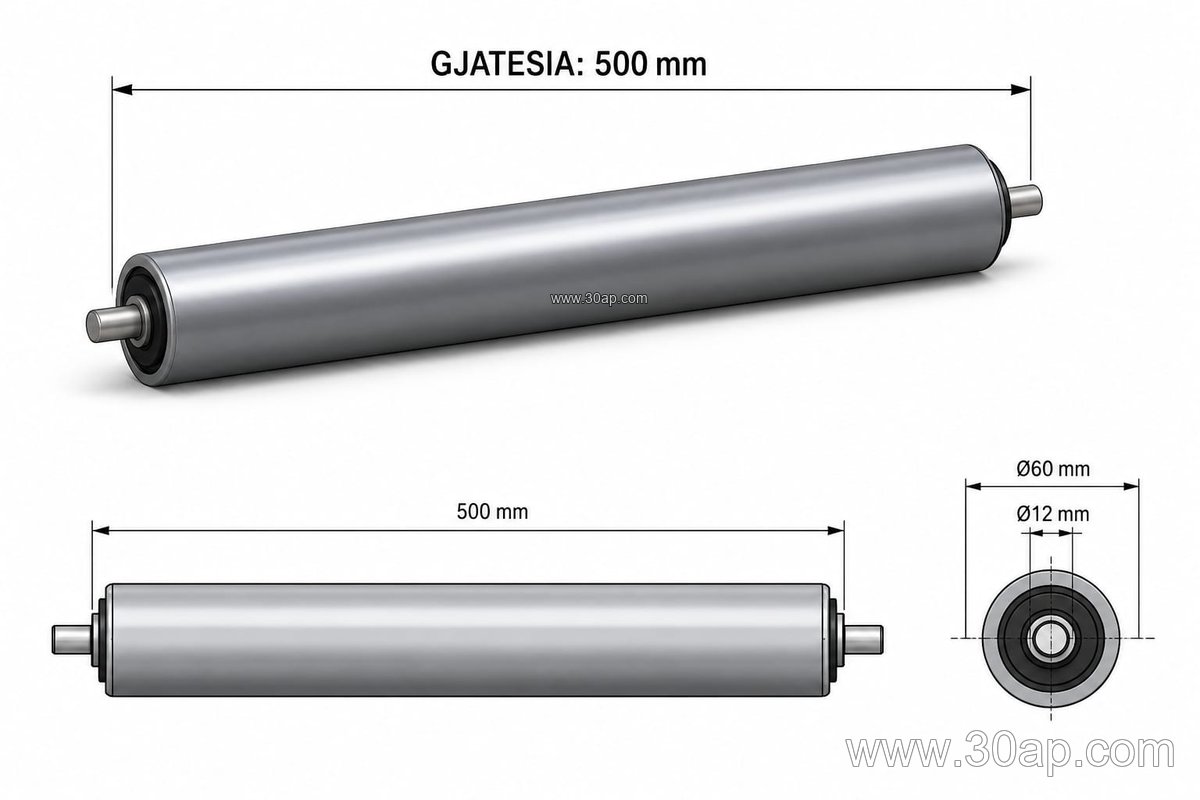
Buyers will encounter several seal approaches. A labyrinth seal is common for general bulk handling. A lip seal with a dust excluder is often used where water is present. Some heavy-duty idlers combine both. The table below shows typical idler reference data that a buyer may use when matching seals to rollers, but these are common examples, not fixed rules for every conveyor.
| Idler parameter | Common reference values |
|---|---|
| Roller diameter | Ø63, Ø76, Ø89, Ø102, Ø108, Ø127, Ø133, Ø159, Ø178, Ø194, Ø219 mm |
| Belt width | B400, B500, B650, B800, B1000, B1200, B1400, B1600, B1800, B2000 mm |
| Trough angle | 20°, 30°, 35°, 45° |
| Bearing number | 6204, 6205, 6305, 6306, 6308, 6310 |
| Roller surface | Steel tube, nylon, ceramic, rubber ring |
Seal selection should follow the duty, not the roller diameter alone. A Ø108 mm idler in a wet tunnel boring application may need a different seal than the same diameter in a dry aggregate yard. A 6205 bearing can appear in more than one roller size, so the bearing number does not dictate the seal style by itself.
What a Buyer Should Check Before Ordering
- Confirm the idler roller diameter and the belt width, since seal housings are matched to the end cap dimensions.
- State the environment: dust, water spray, wash-down, or fine abrasive material.
- Ask whether the seal is labyrinth, lip, or combined, and whether the bearing cavity is greased for life.
- Check that the seal fits the shaft end and that replacement seals are available for maintenance.
- Match the seal to the conveyor bracket and frame so the roller sits square and the seal is not loaded unevenly.
On a long overland conveyor carrying iron ore or copper ore, a failed idler seal can lead to a seized roller, a flat spot on the belt, and unplanned downtime. On a short transfer point in a concrete mixing plant, the same failure is cheaper but still disruptive. In both cases, the idler seal is the lowest-cost item in the chain and the one most worth specifying carefully.
For operators running rubber conveyor belt, EP conveyor belt, or steel cord conveyor belt systems, seal quality should be part of the idler specification, not an afterthought. A roller that turns freely today because of a good seal will still turn freely after a year of dust and vibration. That is the practical value of this small component.