What an Extra-Wide Conveyor Belt Is
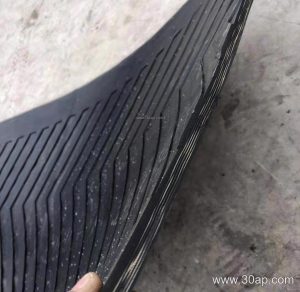
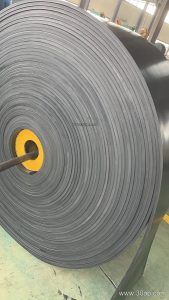
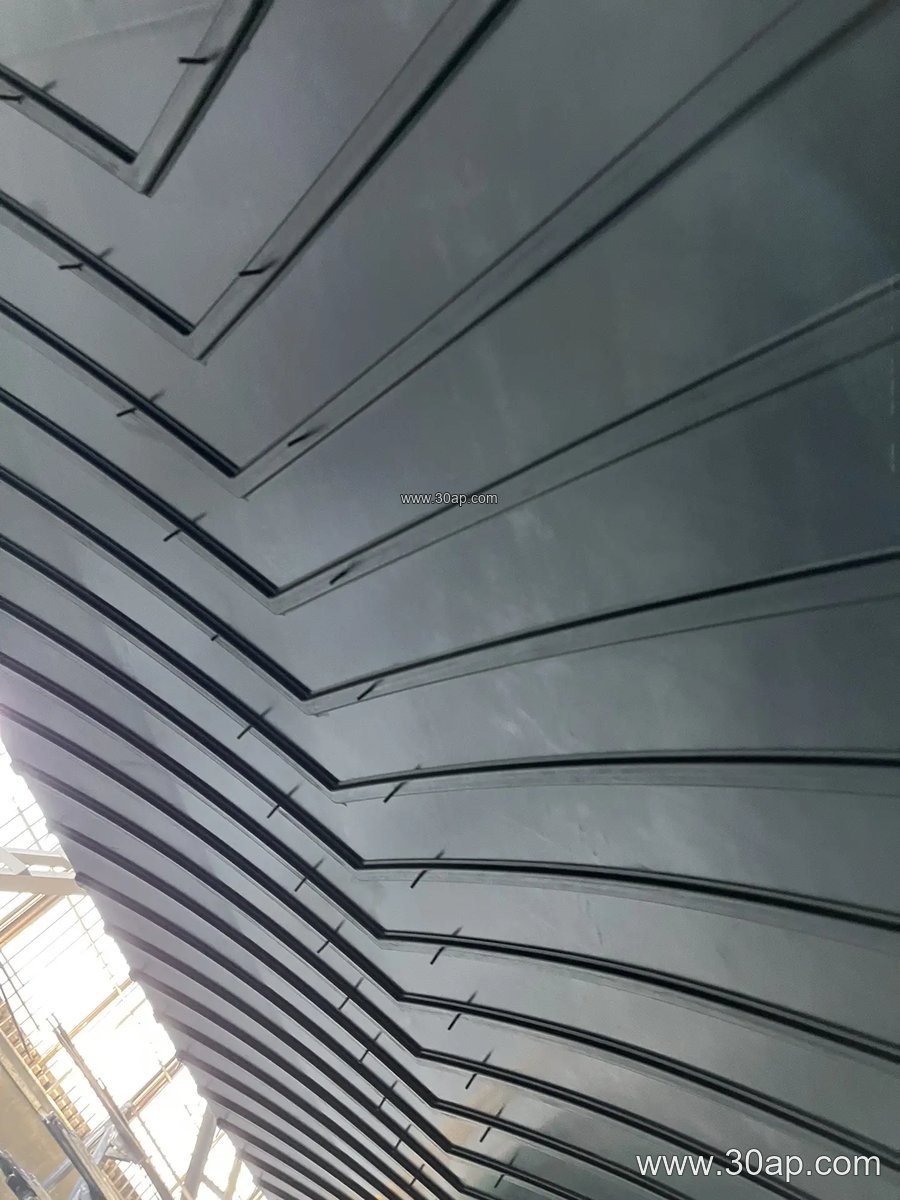
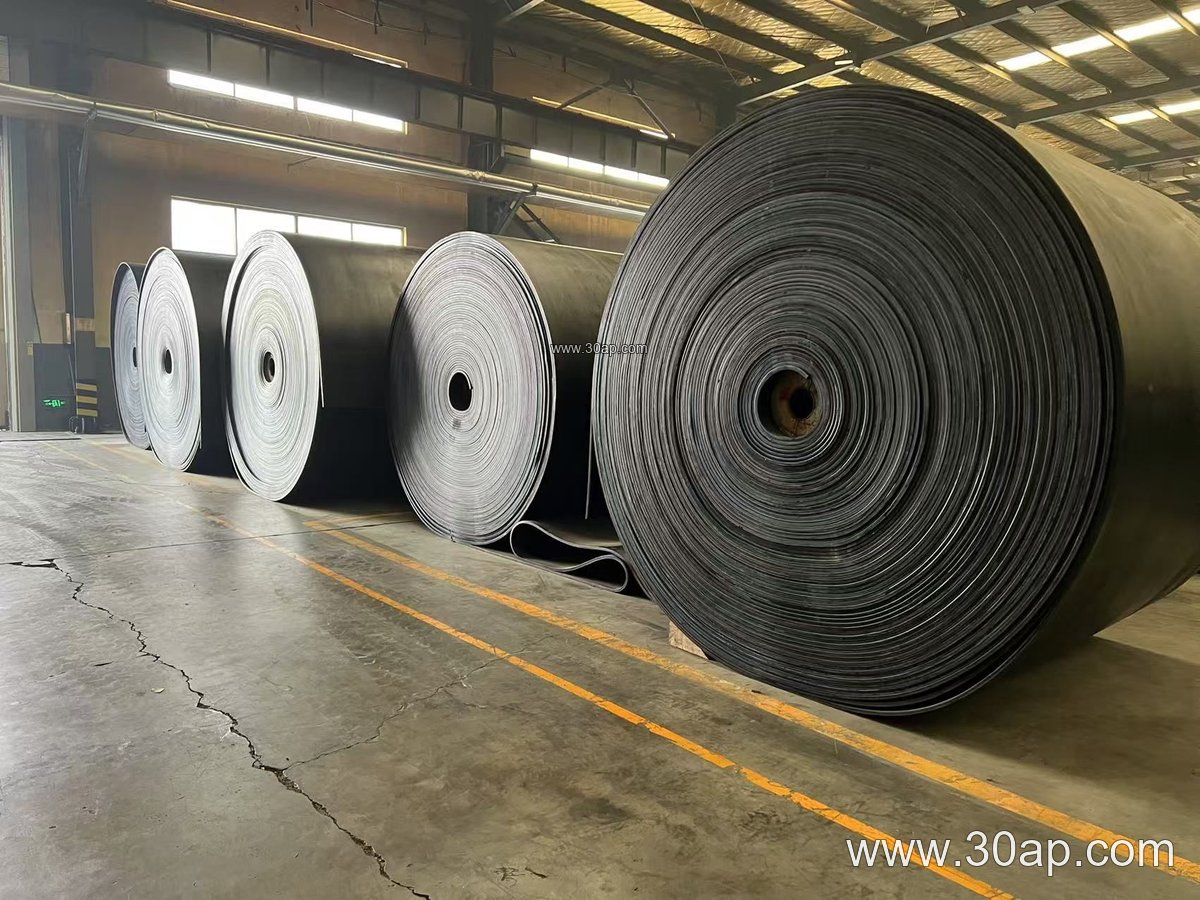
An extra-wide conveyor belt is a heavy-duty belt built beyond the common 1000 mm or 1200 mm range, typically from 1400 mm up to 2000 mm and above, so that a single conveyor line can move large volumes of bulk material without excessive belt speed. In quarry, cement, power plant, and mining circuits, widening the belt is often the simplest way to raise throughput while keeping material depth and spillage under control. The product is still a conveyor belt in the ordinary sense, but its width changes how the carcass, cover, and splices must be engineered.
Construction and Belt Types
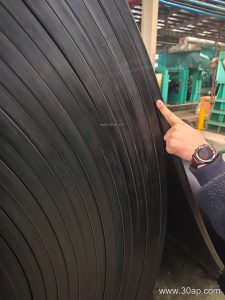
Most extra-wide belts use a fabric core or steel cord carcass. An EP Conveyor Belt with multi-ply fabric construction is common for general bulk handling, while a Steel Cord Conveyor Belt is chosen when tension and impact loads are high. NN Conveyor Belt carcasses are also used where elongation and fatigue resistance matter. Cover compounds are selected by duty: an Abrasion Resistant Conveyor Belt for crushed rock, a Heat Resistant Conveyor Belt near clinker or sinter, a Flame Retardant Conveyor Belt in coal handling, and an Oil Resistant Conveyor Belt where lubricants or oily feedstock are present.
Typical Specifications
Values below are common reference ranges, not fixed supply promises. Final dimensions depend on the conveyor design, load profile, and manufacturer.
Belt Width and Strength
| Parameter | Common Reference Values |
|---|---|
| Belt width | B1400, B1600, B1800, B2000 (extra-wide range) |
| EP strength grades | EP200, EP400, EP630, EP800, EP1000, EP1250, EP1600 |
| Steel cord grades | ST1000, ST1250, ST1600, ST2000 |
| Fabric plies | 2 to 6 layers, depending on tension |
Cover Gauges
| Top + Bottom Cover | Typical Use |
|---|---|
| 4 + 2 mm | General bulk material |
| 5 + 2 mm | Aggregate and ore duty |
| 6 + 2 mm | Heavy abrasion, crusher discharge |
| 8 + 3 mm | High impact and coarse rock |
Where Extra-Wide Belts Are Used
These belts suit high-tonnage flows in iron ore and copper ore terminals, coal preparation plants, cement plants, and large sand and gravel operations. A Quarry Conveyor Belt or Crusher Conveyor Belt at 1600 mm or 1800 mm can accept wide feed from a primary crusher and reduce the number of parallel lines. Port and ship loading conveyors also favor extra-wide belts because a single wide stream loads faster than several narrow ones. In underground coal mining, a flame retardant PVG or PVC belt may be preferred for safety, while surface plants often use rubber-covered fabric or steel cord belts.
Selection Points for Buyers
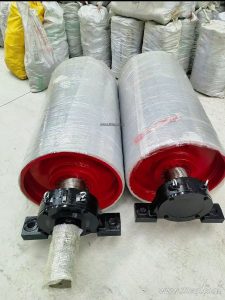
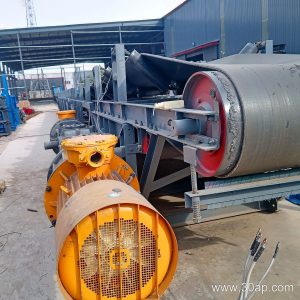
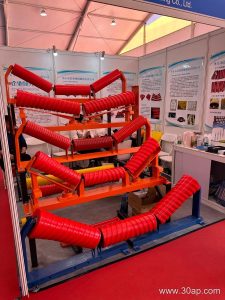
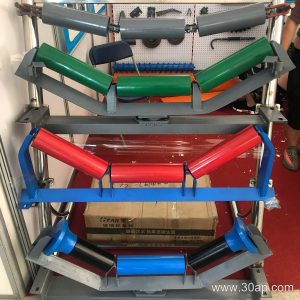
- Confirm the actual belt width against the conveyor frame, idler roller spacing, and pulley face width; a wide belt needs matching support across its full width.
- Check tension rating against the duty, not just the width. A 1800 mm EP1000 belt and a 1800 mm ST1600 belt are not interchangeable.
- Review cover thickness and compound for abrasion, heat, oil, or flame resistance as needed.
- Plan splices and handling equipment for the belt mass; wide belts are heavy and need adequate lifting and tensioning capacity.
- Ensure conveyor pulley, conveyor bracket, and frame alignment are correct before installation to avoid edge damage.
Maintenance and Handling Notes
Wide belts are more sensitive to mistracking than narrow ones, so regular inspection of idler roller alignment, pulley condition, and loading chute centering pays off. Keep the belt clean and avoid material buildup on return rollers, which can cause edge wear. Store rolls on a suitable cradle and avoid sharp bends during installation. For replacement planning, record the belt width, carcass type, cover grade, and splice style so the next order matches the existing conveyor. Whether the line handles coal, clinker, ore, or aggregate, matching the belt to the real load and environment is more important than choosing the widest or strongest option available.