What a Heavy-Duty Mining Conveyor Belt Is
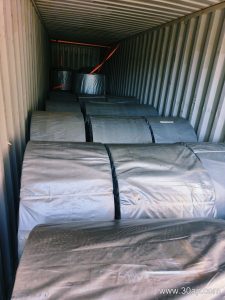
A heavy-duty mining conveyor belt is the load-bearing component in high-capacity bulk handling systems at mines, coal preparation plants, cement works, power stations, and quarry operations. It is built to carry abrasive rock, ore, coal, and aggregate continuously under high tension, impact, and often wet or dusty conditions. Unlike general-purpose belting, this class of belt combines a robust carcass with thick rubber covers and, where needed, flame-retardant or anti-static properties. Buyers often refer to it simply as a mining conveyor belt, but the heavy-duty designation signals a construction intended for demanding duty cycles rather than light package handling.
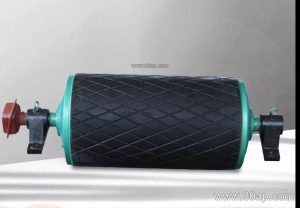
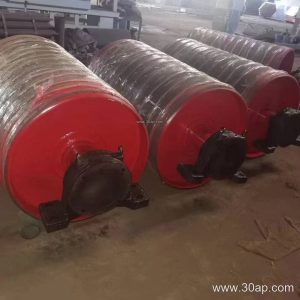
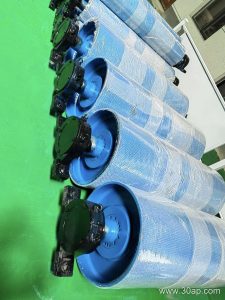
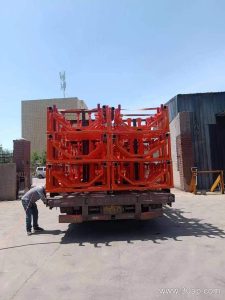
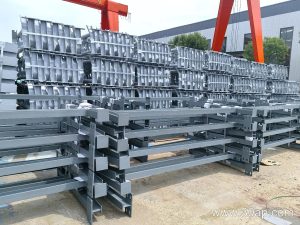
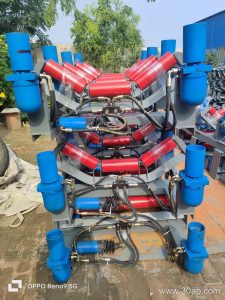
The belt works with conveyor pulleys, idler rollers, and conveyor brackets to form a complete conveyor line. Drive, tail, and bend pulleys each perform distinct roles, and none should be treated as a substitute for another when specifying a system.
Construction and Common Configurations
The carcass provides tensile strength and resistance to elongation. Common options include multi-ply fabric core constructions such as EP conveyor belt (polyester-nylon) and NN conveyor belt (nylon-nylon), as well as steel cord conveyor belt for very high tension and long center distances. A fabric core conveyor belt may use two to six plies depending on the duty. Rubber covers protect the carcass from abrasion, impact, and environmental attack.
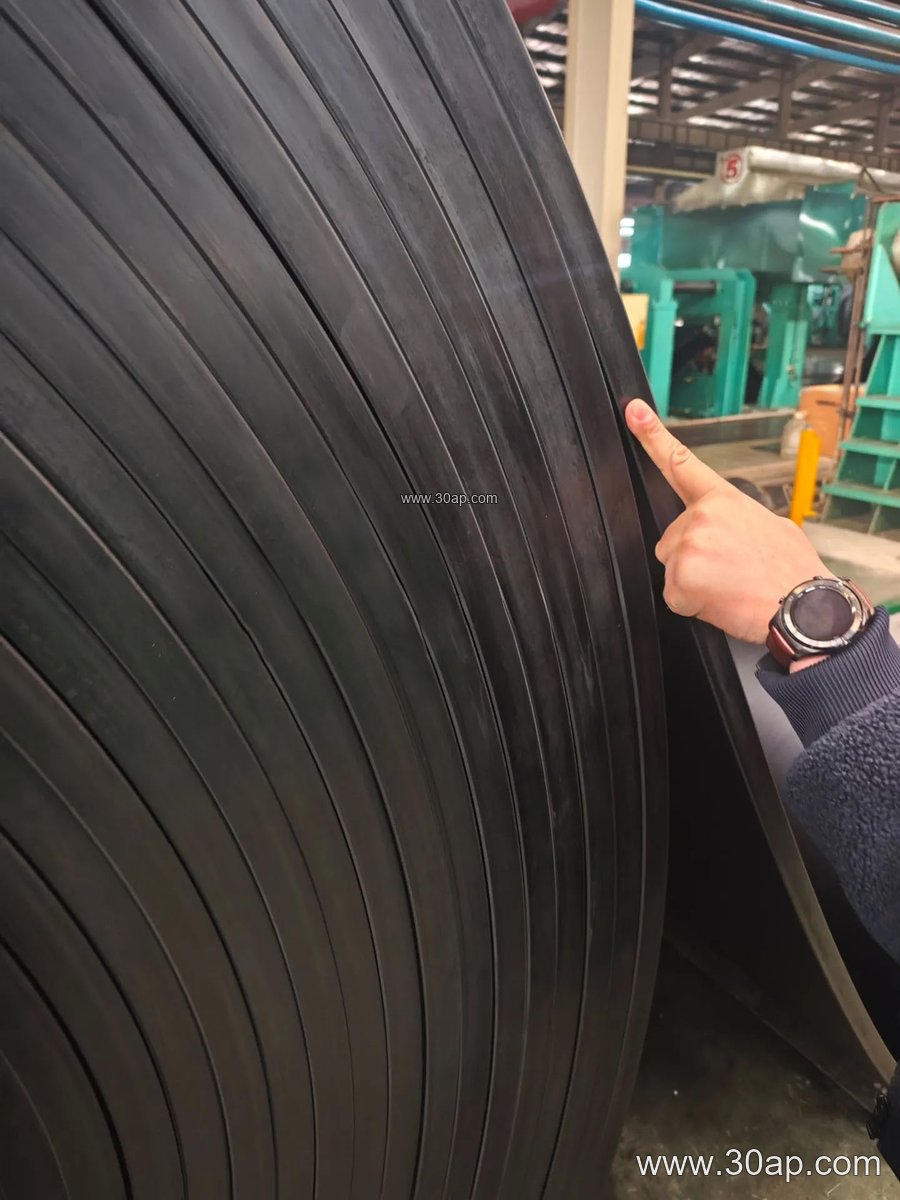
Cover thickness is usually stated as top and bottom gauges, for example 5+2 mm or 8+3 mm. The table below shows typical reference values for heavy-duty mining applications. These are common ranges, not fixed supply promises, and final specifications are determined by the conveyor design.
| Property | Common reference values |
|---|---|
| Belt width | B800, B1000, B1200, B1400, B1600, B1800, B2000 |
| Fabric core strength grades | EP200, EP400, EP630, EP800, EP1000, EP1250 |
| Steel cord strength grades | ST1000, ST1600, ST2000, ST2500 |
| Cover thickness | 4+2 mm, 5+2 mm, 6+2 mm, 8+3 mm |
| Number of fabric plies | 2 to 6 |
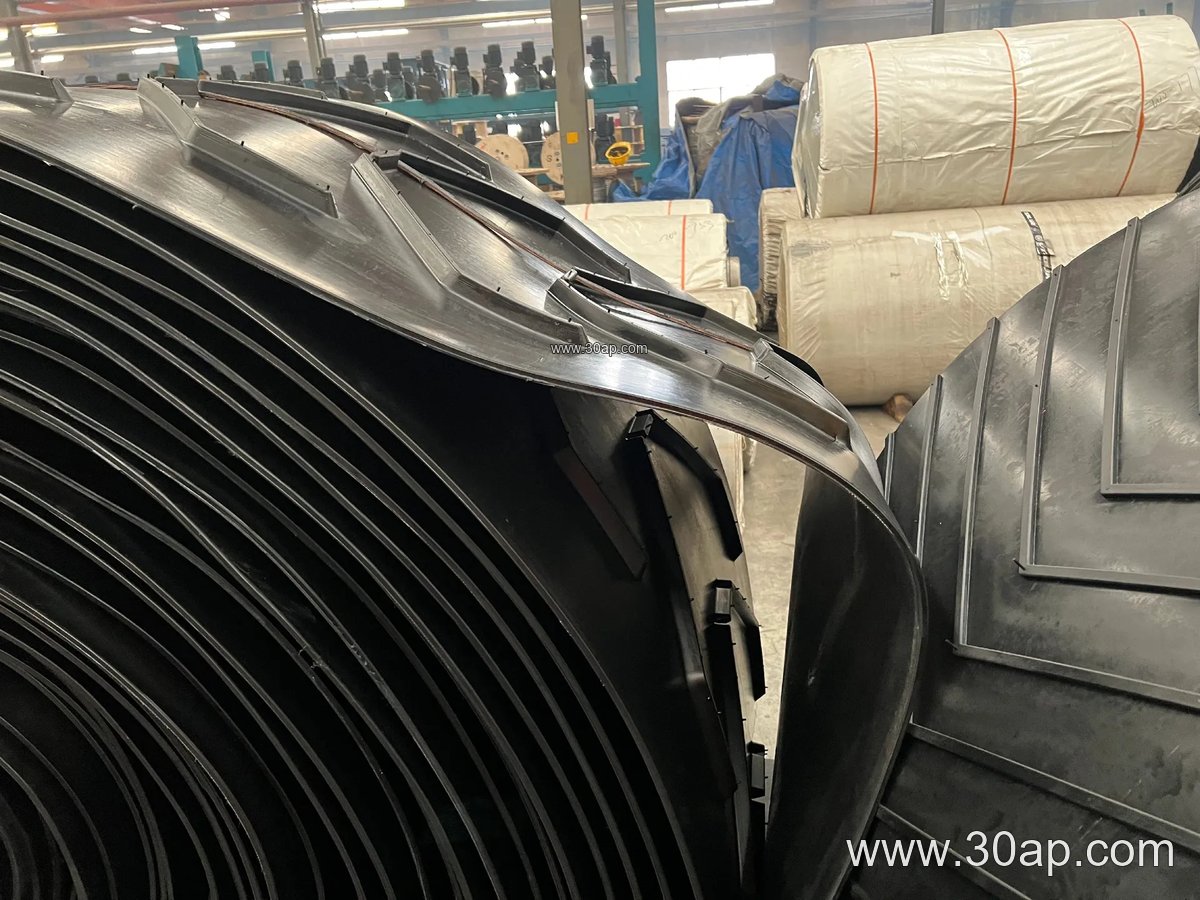
Specialty covers and surface forms are selected for the environment. An abrasion resistant conveyor belt suits sharp rock and ore; a heat resistant conveyor belt is used where clinker or hot material is present; a flame retardant conveyor belt and anti-static conveyor belt are common in underground coal mining conveyor belt systems. Chevron conveyor belt and corrugated sidewall conveyor belt designs help control material on inclines, while a pipe conveyor belt can enclose the load on complex routes.
Where It Is Used
Heavy-duty belts appear across the extractive and processing industries. In a coal mining conveyor belt system, flame-retardant and anti-static grades are frequently specified for underground mining conveyor belt installations. Iron ore, copper ore, and gold mining operations use abrasion-resistant and high-strength belts to move crushed rock. Quarry conveyor belt and aggregate conveyor belt lines feed crushers and screens, while cement plant conveyor belt systems handle clinker, limestone, and additives. Power plant conveyor belt and steel plant conveyor belt circuits rely on heat and abrasion resistance. Port conveyor belt and ship loading conveyor belt applications often require wide, high-tension belts for fast bulk transfer.
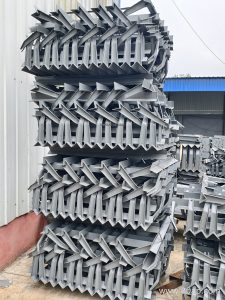
For reliable tracking and support, the belt runs over idler rollers and conveyor pulleys that are matched to the belt width, load, and speed. Conveyor brackets hold these components in alignment. More information on compatible components is available at www.example.com/conveyor-belt and www.example.com/idler-roller.
Buyer Checklist
Selecting a heavy-duty mining conveyor belt starts with the material to be conveyed and the operating environment. Consider the following:
- Material type, lump size, and temperature, which influence cover grade and thickness.
- Required tensile strength and safety factor, which determine the carcass type and grade.
- Belt width and speed, matched to the conveyor structure and pulley dimensions.
- Environmental factors such as oil, chemicals, cold, or fire risk, which may call for oil resistant, cold resistant, or flame retardant belting.
- Impact and abrasion severity, especially at transfer points and crusher discharge.
Ask for the manufacturer’s technical data sheet for each candidate belt and confirm that the specified cover, carcass, and splice method suit the conveyor design. A heavy-duty belt is only one part of the system; correct pulley and idler selection is equally important.
For related component guidance, see www.example.com/conveyor-pulley and www.example.com/conveyor-bracket.