What a Port Belt Conveyor Pulley Does at the Terminal
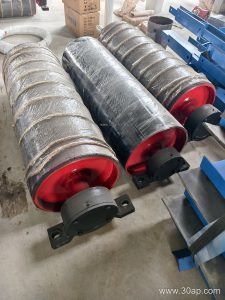
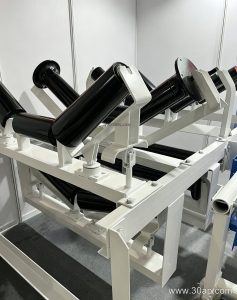
At a bulk terminal, a port belt conveyor pulley is the drum that turns the belt, carries the load, and keeps the conveyor path aligned. It is not a generic roller but a robust assembly that transfers drive torque, supports tension, and guides the belt through loading, transfer, and stockpile zones. While a drive pulley powers the system, a tail pulley returns the belt, and a bend pulley changes direction, each serves a distinct role. The port belt conveyor pulley discussed here refers to the heavy-duty drum pulley used in ship loading, unloading, and yard conveying, often matched with a conveyor belt and idler roller set to handle coal, iron ore, or fertilizer.
Construction and Surface Options
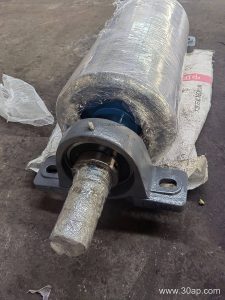
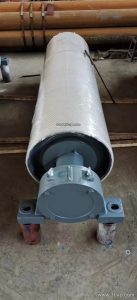
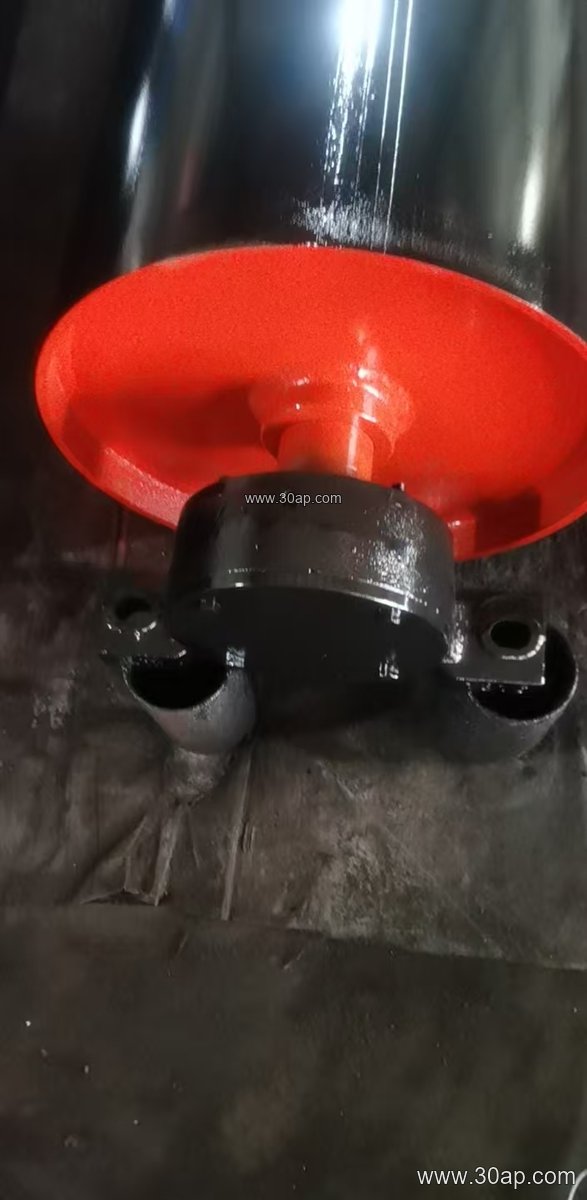
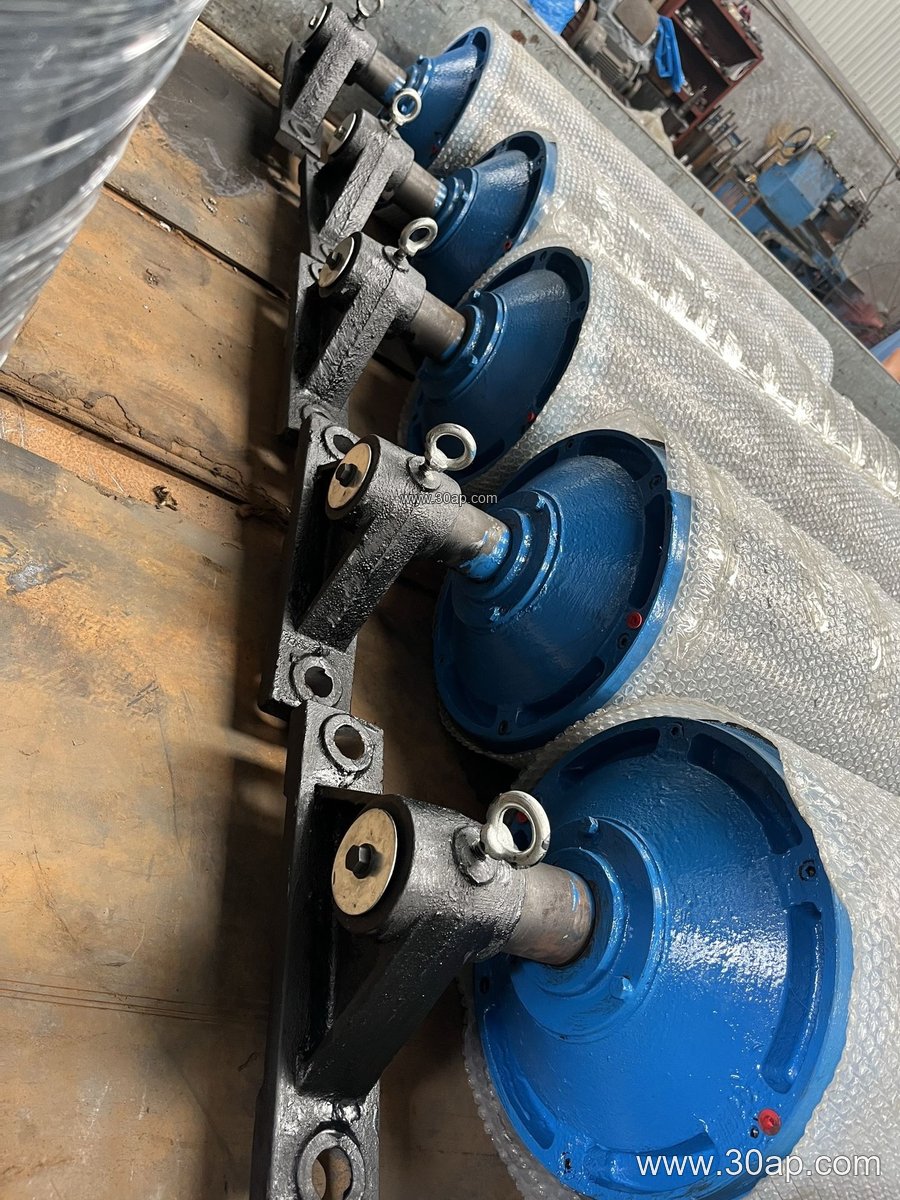
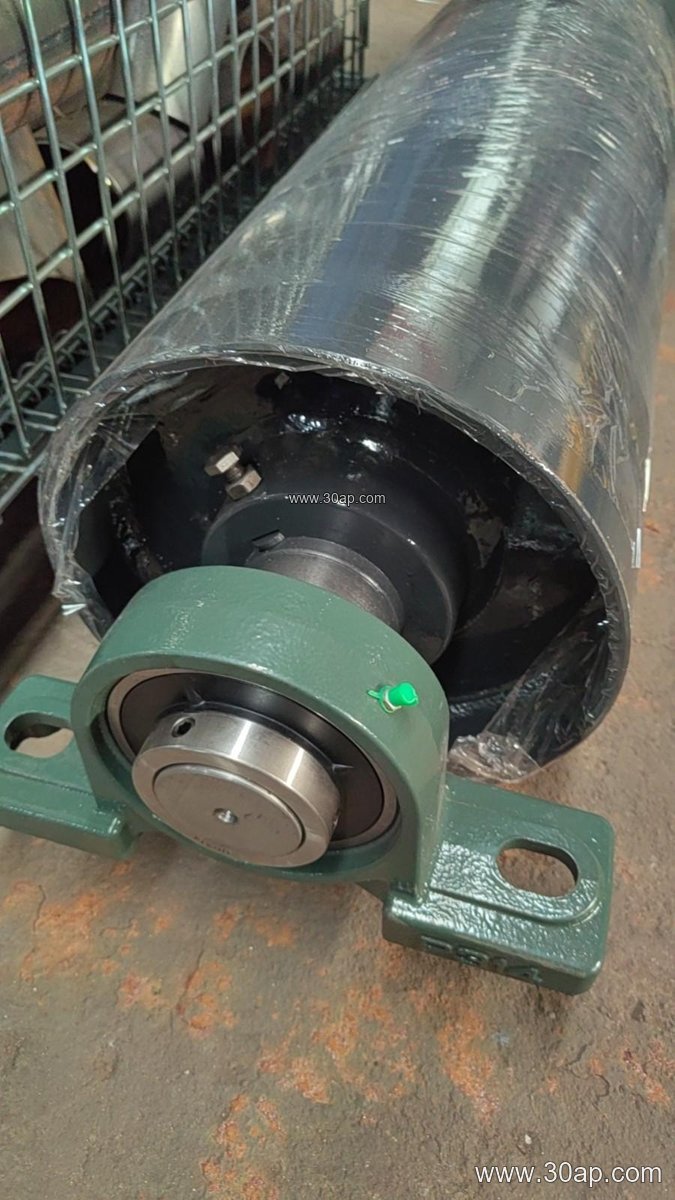
A typical port belt conveyor pulley is built from a steel shell, shaft, hubs, and bearing housings. The shell is usually machined and covered with rubber or ceramic to improve grip and reduce belt slip. Common surface forms include plain, cast rubber, cold-bonded rubber, hot-vulcanized rubber, diamond grooved, herringbone grooved, and ceramic lagging. Lagging thickness often ranges from 8 mm to 20 mm, depending on the duty. The shaft diameter is determined by torque and load, not simply by belt width; common shaft sizes include Ø50, Ø60, Ø70, Ø80, Ø90, Ø100, Ø120, Ø140, Ø160, Ø180, and Ø200. The pulley face width is usually wider than the belt, for example a B1200 belt may use a pulley face around 1400 mm. These values are reference points, not fixed pairings.
Where It Fits in the Conveying System
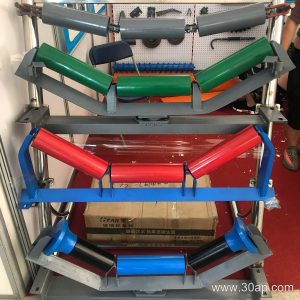
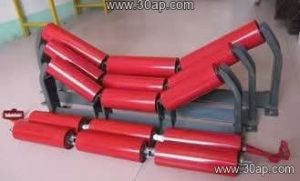
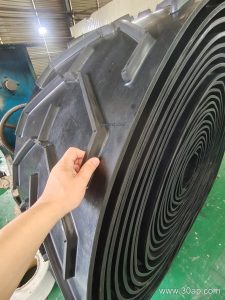
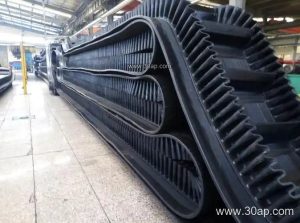
Port belt conveyor pulleys are found in ship loaders, stacker-reclaimers, and transfer towers. In a coal terminal, a flame retardant conveyor belt may run over a drive pulley with diamond lagging to maintain grip in wet conditions. In an iron ore yard, a steel cord conveyor belt may be guided by a bend pulley with plain surface to reduce wear. The pulley works alongside conveyor brackets and idler rollers to keep the belt centered. A common combination such as B800 × Ø500 or B1400 × Ø800 illustrates how belt width and pulley diameter are selected together, but many other combinations exist.
Key Selection Factors for Buyers
Buyers should consider the belt type and load first. An abrasion resistant conveyor belt carrying sharp aggregate may need a pulley with thicker lagging, while a heat resistant conveyor belt in a cement clinker line may call for a different rubber compound. The pulley position matters too: a head pulley at the discharge point sees different tension than a tail pulley at the return end. For heavy-duty mining conveyor belts, a larger diameter and robust bearing assembly are often chosen. The table below lists common pulley diameters and face widths as general references.
| Belt Width (reference) | Pulley Face Width (approx.) | Common Pulley Diameter |
|---|---|---|
| B500 | 600 mm | Ø250, Ø315 |
| B650 | 750 mm | Ø320, Ø400 |
| B800 | 950 mm | Ø400, Ø500 |
| B1000 | 1150 mm | Ø500, Ø630 |
| B1200 | 1400 mm | Ø630, Ø800 |
| B1400 | 1600 mm | Ø800, Ø1000 |
| B1600 | 1800 mm | Ø1000, Ø1250 |
| B1800 | 2000 mm | Ø1250, Ø1400 |
| B2000 | 2200 mm | Ø1400, Ø1600 |
These are not mandatory matches; final selection depends on belt tension, speed, and material. For a port conveyor belt handling 1200mm wide loads, a pulley with Ø1000 may be suitable, but a different diameter could work with a different shaft and bearing design.
Maintenance and Wear Points
Regular inspection of lagging wear, bearing condition, and shaft alignment helps prevent belt tracking issues. A worn lagging on a drive pulley can cause slip, especially with a wet or oily conveyor belt. In dusty port environments, sealed bearing housings and proper lubrication extend service life. When replacing a pulley, check the conveyor bracket dimensions and the belt path to avoid mismatch. Keeping spare idler rollers and a spare pulley on hand reduces downtime at the terminal.
Practical Takeaways
A port belt conveyor pulley is a critical component that must match the belt, load, and terminal layout. Buyers should specify belt width, belt type (such as EP conveyor belt or steel cord conveyor belt), pulley position, lagging surface, and shaft size based on engineering calculations. Avoid assuming one belt width fits only one pulley diameter. Work with the conveyor designer to confirm dimensions, and consider the full system including idler rollers and brackets. For more details on related components, visit www.example.com/conveyor-pulley or www.example.com/conveyor-belt.