What a Large-Diameter Conveyor Idler Is
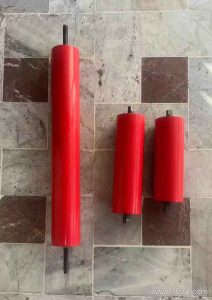
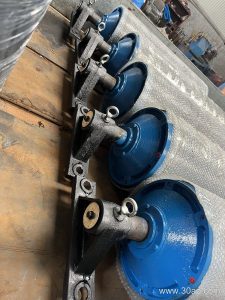
A large-diameter conveyor idler is a belt support roller built with a noticeably bigger shell than the standard carrying idler. In practice, the term usually refers to diameters from about Ø159 mm up to Ø219 mm, although the exact threshold depends on the conveyor design. These rollers are common on wide, heavily loaded belts where ordinary idlers would spin too fast, wear too quickly, or deflect under the weight of the belt and material. The large-diameter conveyor idler is not a different product category from a standard idler roller; it is the same component scaled up for demanding duty.
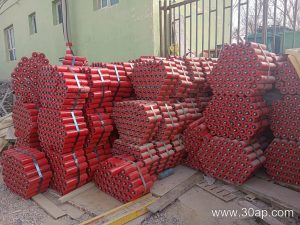
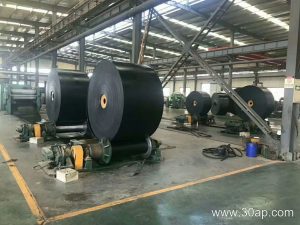
You will see this roller in quarry and aggregate lines, iron ore and copper ore handling, cement plants, power station coal yards, and port bulk terminals. It is also used in crushing and screening circuits where shock loads are frequent. In these places, the belt may be a heavy-duty mining conveyor belt, a steel cord conveyor belt, or a multi-ply fabric core conveyor belt carrying abrasive rock and ore.
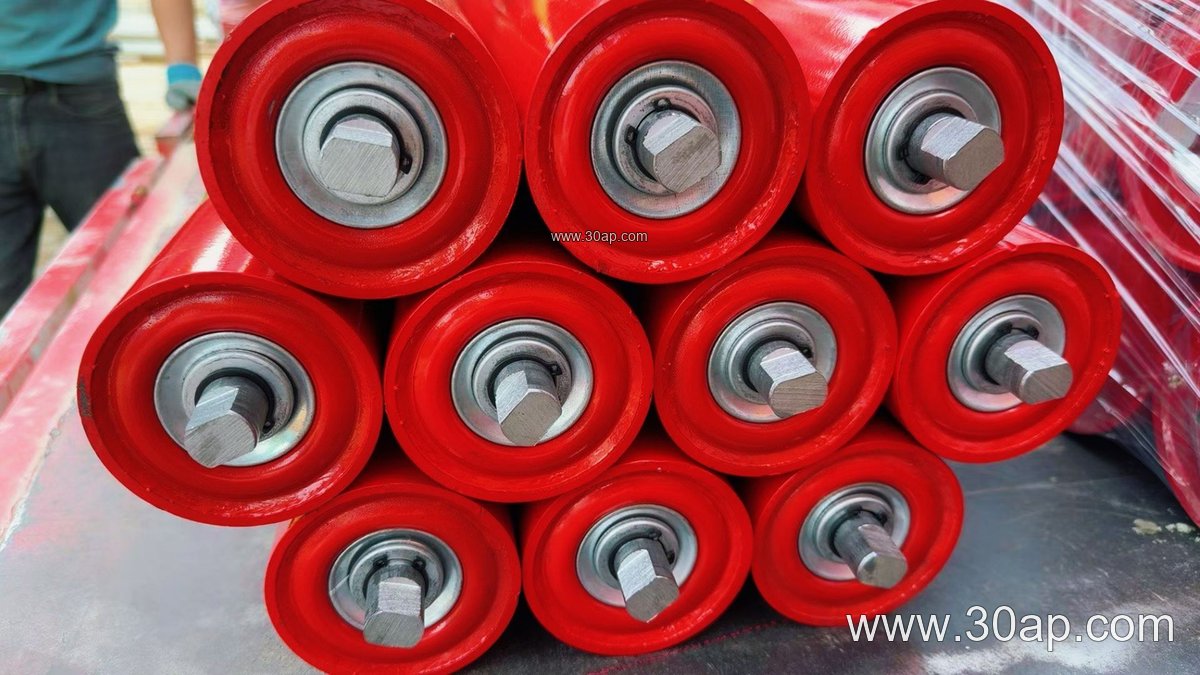
How the Roller Is Built
The shell is usually a thick steel tube, machined at the ends to seat the bearing housings. Shafts are sized to the load and to the bracket, not simply to the belt width. Bearing selection follows the same rule: common sizes include 6205, 6305, 6306, 6308 and 6310, and a given bearing number can serve more than one roller diameter. Seals are the critical detail in dusty plants, because fine cement dust or coal fines will destroy a bearing quickly if the labyrinth is poor.
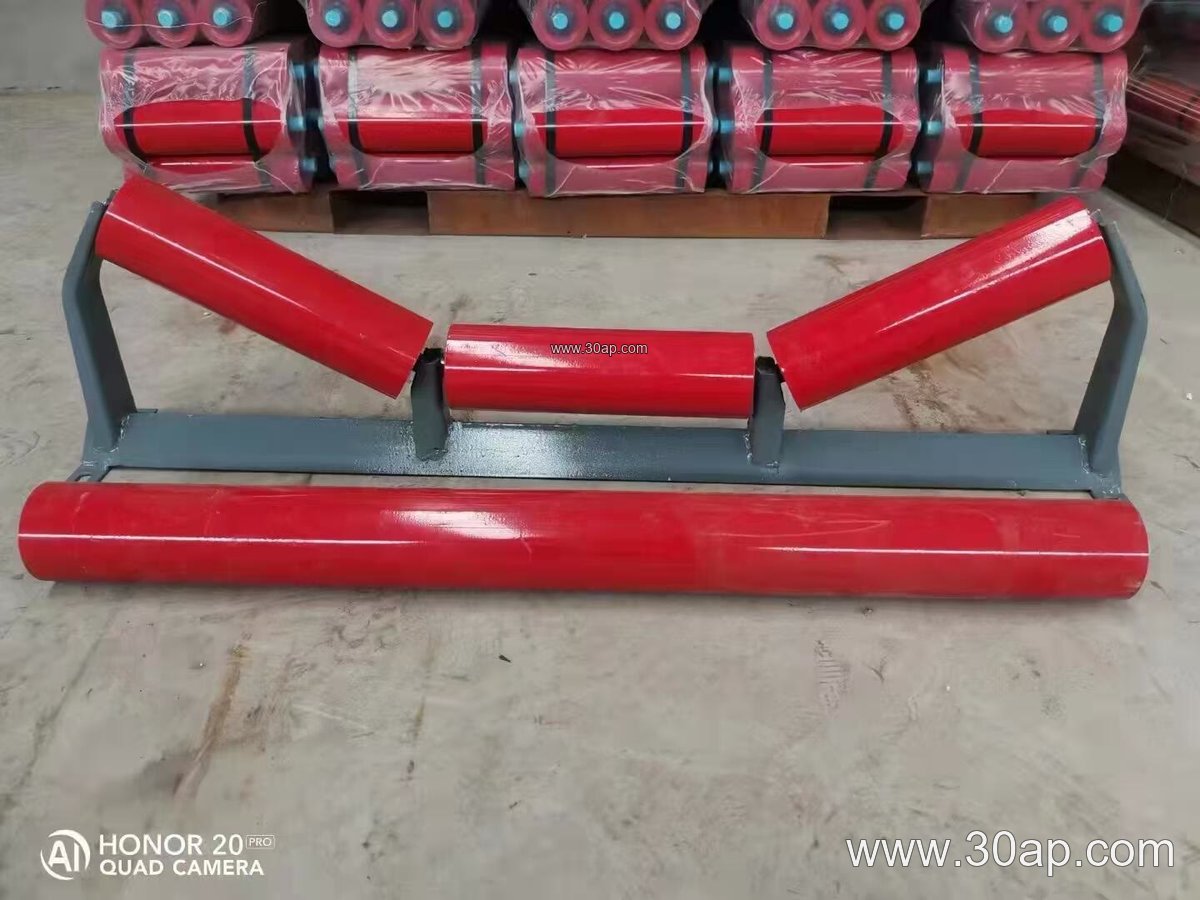
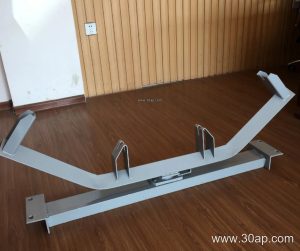
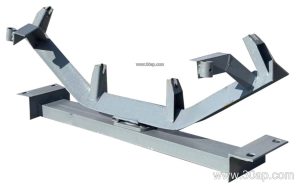
Surface options vary with the application. A plain steel shell suits clean, moderate duty. Rubber rings are added on buffer or impact sections to absorb lumps at transfer points. Nylon or ceramic covers may be chosen where sticky material builds up on the shell. The roller is normally mounted in a three-roll trough set, with a trough angle of 20, 30, 35 or 45 degrees, and the side rollers can differ in length from the centre roller.
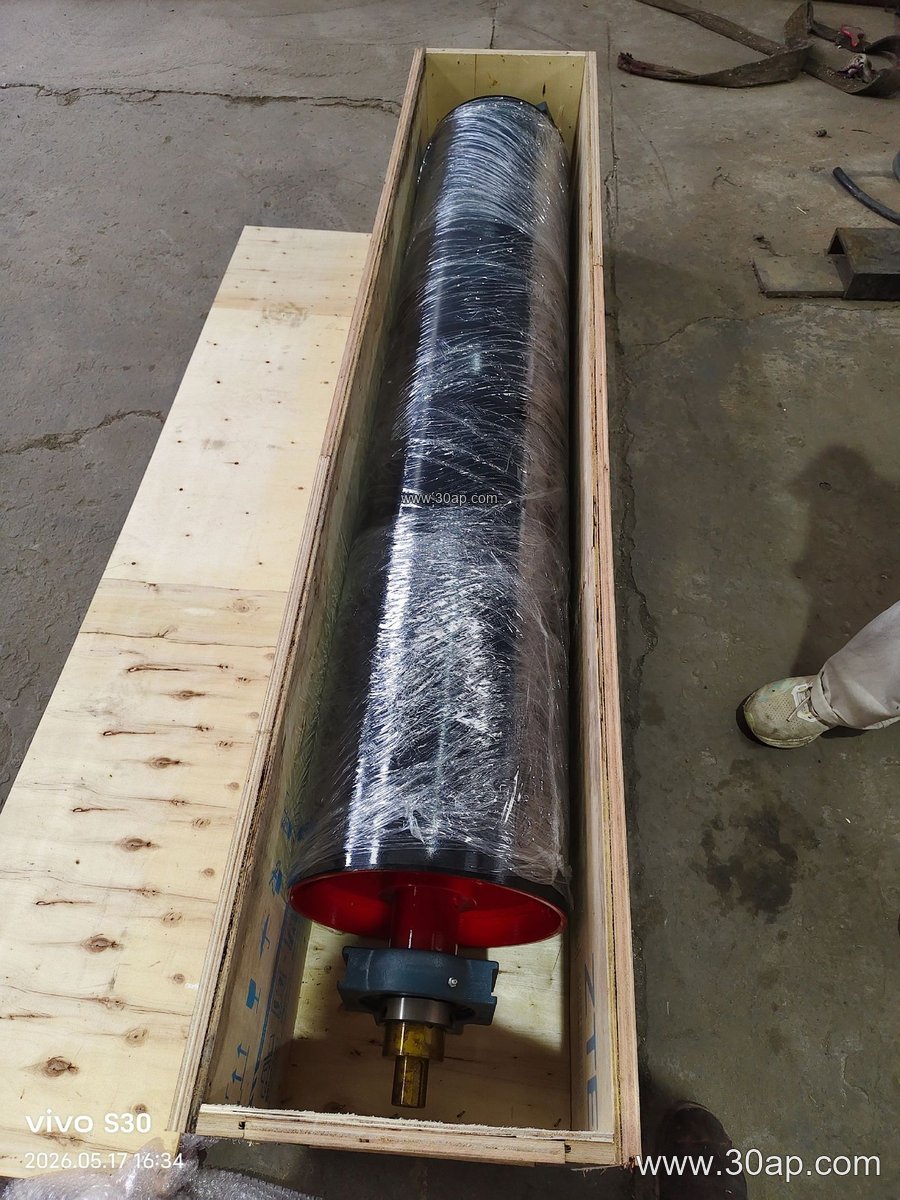
Where Large Diameters Help
On a high-tonnage conveyor, a larger roller turns more slowly for the same belt speed. That reduces rotational wear and bearing stress, and it gives the belt a gentler transition over each support. The benefit is clearest on wide belts such as 1200 mm, 1400 mm, 1600 mm or 1800 mm, where the belt and load are heavy. A large-diameter conveyor idler is also useful at the load point, where a rubber-ring buffer idler with a large shell can take impact from coarse rock without permanent deformation.
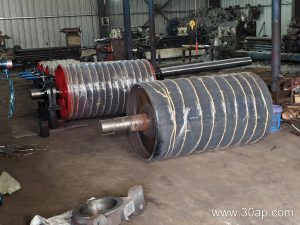
Do not confuse these rollers with the drive pulley, tail pulley or bend pulley. Those are conveyor pulleys that transmit power or change belt direction, and they are not interchangeable with idlers. A bend pulley, for example, redirects the belt, while a large-diameter idler only supports it. The two work together in the same conveyor but have different jobs.
Matching Diameter to Belt and Bracket
Roller diameter, roller length, shaft size and bracket height must be checked as a set. The table below gives common reference values for troughing sets; it is not a fixed rule, and final dimensions come from the conveyor design.
| Belt width | Common roller length, three-roll trough | Typical large roller diameter range |
|---|---|---|
| B800 | 315 mm | Ø108 to Ø159 mm |
| B1000 | 380 mm | Ø127 to Ø178 mm |
| B1200 | 465 mm | Ø133 to Ø194 mm |
| B1400 | 530 mm | Ø159 to Ø219 mm |
| B1600 | 600 mm | Ø159 to Ø219 mm |
| B1800 | 670 mm | Ø178 to Ø219 mm |
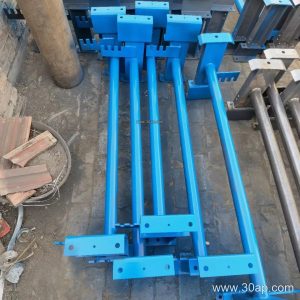
Belt width alone does not fix the pulley diameter or the shaft diameter. A 1200 mm belt may run with different pulley sizes at the drive and tail, and the idler shaft is chosen from load calculations. Buyers should confirm the bracket type and mounting hole spacing before ordering, because a conveyor bracket that does not match the shaft end will stop the installation.
Buyer Checklist
- Confirm the actual belt width and the existing roller length, not just the nominal figure.
- Check the shaft end and bracket fit, including the distance between mounting flats.
- Specify the belt environment: abrasive rock, coal dust, cement powder, heat or oil.
- Match the roller surface to the material; rubber rings for impact, ceramic or nylon where build-up is a problem.
- Ask for the bearing size and seal type, and keep spare seals rather than complete rollers if storage is limited.
- Review the trough angle and transition distance so the belt is not over-stressed at the tail.
For a coal mining conveyor belt or an underground coal mining conveyor belt, flame retardant and anti-static properties belong to the belt, not to the idler. The roller still needs good sealing and a robust shell. In a cement plant or a power plant, heat resistant conveyor belt grades may be used near kilns or boilers, and the idler in that zone should be checked for clearance and lubrication. A large-diameter conveyor idler is a long-life component when it is selected as part of the whole conveyor system, not as a standalone size upgrade.