What the Tail Pulley Does on a Conveyor
The belt conveyor tail pulley sits at the rear of the conveyor frame, opposite the drive. It guides the return strand of the conveyor belt and, in many arrangements, also serves as the tensioning point. Unlike a drive pulley that transmits power or a bend pulley that simply changes belt direction, the tail pulley has a specific job: it keeps the belt aligned as it enters the carrying run and helps maintain the correct wrap around the head. In a quarry or a coal handling system, a poorly performing tail pulley often shows up as belt mistracking, material spillage, or premature wear on the belt edges.
Because the tail pulley is not a drive or bend pulley, it should not be specified with the same surface or lagging assumptions. Its role is primarily guiding and tensioning, so the design focuses on smooth rotation, adequate shaft strength, and a surface that protects the belt’s return side.
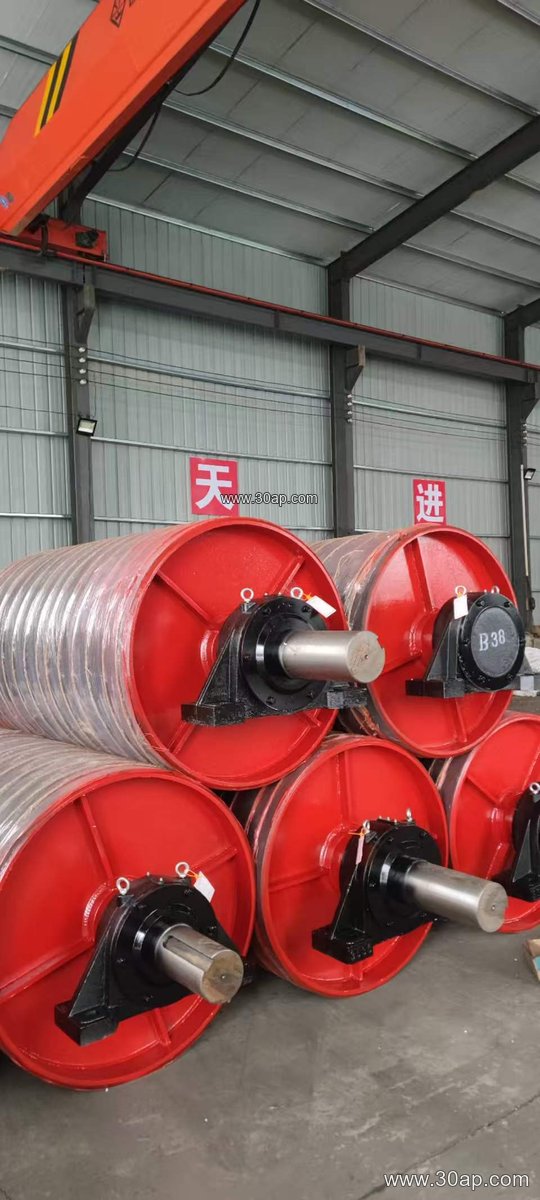
Construction and Surface Options
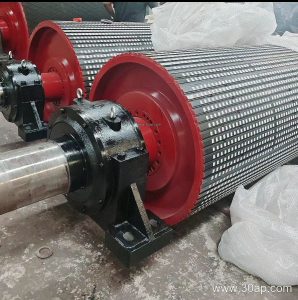
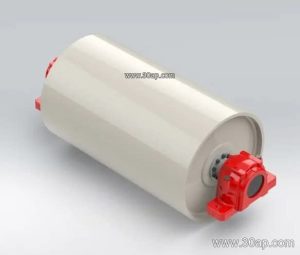
A typical belt conveyor tail pulley is built as a welded steel drum with a shaft, end discs, and a hub connection. The shell is usually machined or rolled to a true cylindrical shape. Surface treatment depends on the belt and the environment. In a sand and gravel plant, a plain steel or light rubber surface may be enough. In a cement plant or a power plant coal yard, a lagged surface can improve traction and reduce slip when the tail pulley also acts as a tensioning drum.
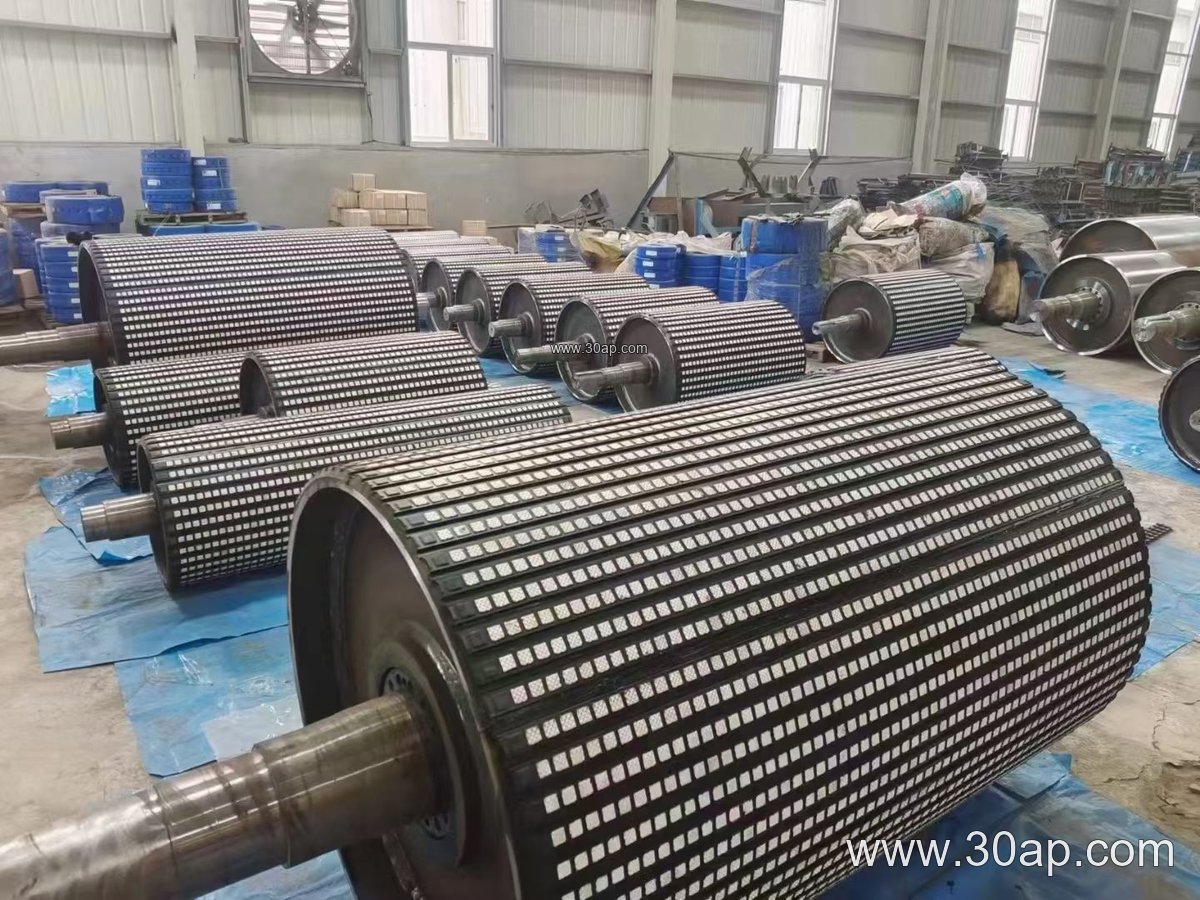
Common surface forms include plain, cold-bonded rubber, hot-vulcanized rubber, diamond grooving, and ceramic lagging. Lagging thickness is often 8 mm, 10 mm, 12 mm, 15 mm, or 20 mm, chosen according to belt tension and ambient conditions. For a flame retardant conveyor belt in an underground coal mine, the lagging material should also be compatible with fire safety requirements. For a heat resistant conveyor belt in a cement kiln area, the tail pulley surface and bearings should tolerate radiant heat and fine dust.
Matching Belt Width and Pulley Diameter
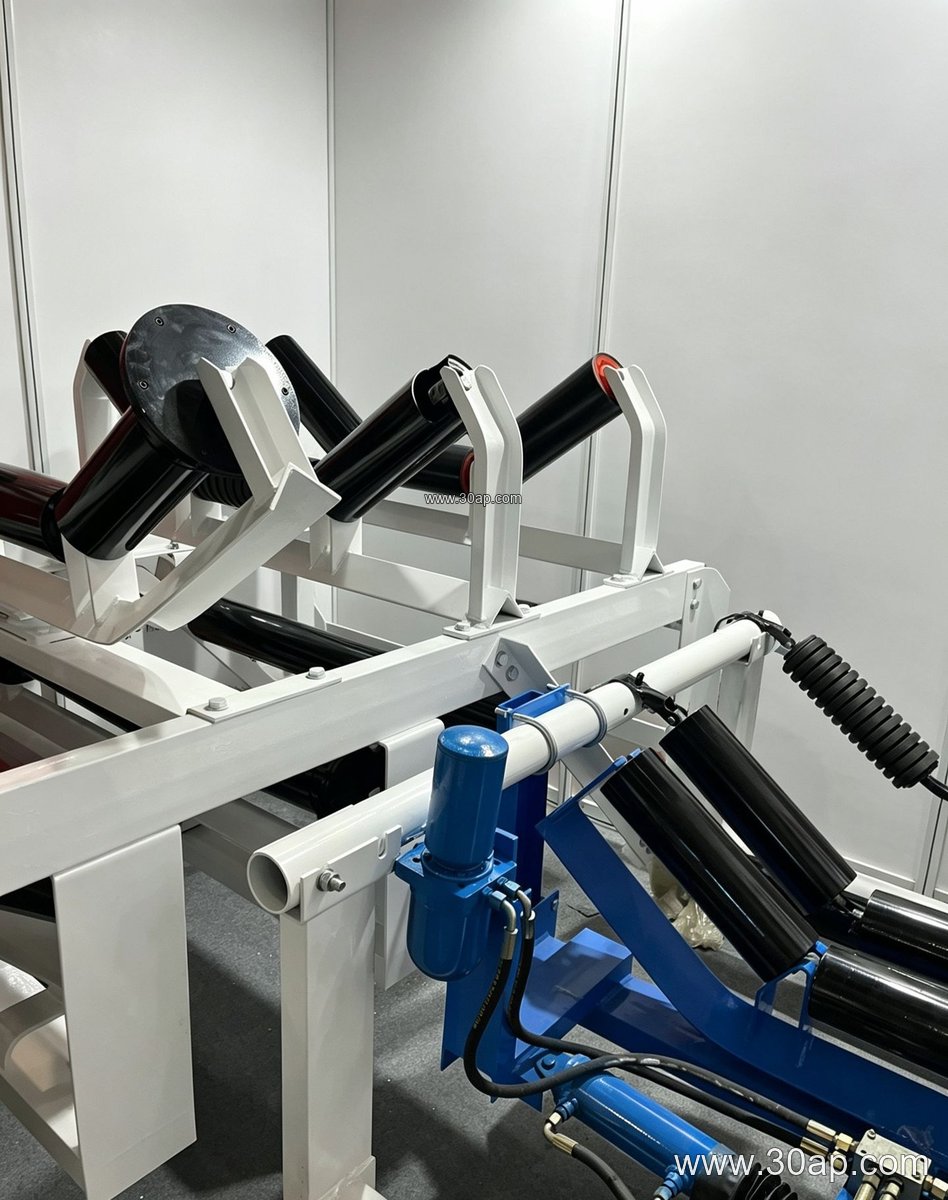
Buyers often ask how to match a tail pulley to belt width. The pulley face width is usually slightly wider than the belt itself. For example, a B800 belt often runs on a tail pulley with a face width around 950 mm, and a B1200 belt may use a pulley face around 1400 mm. These are common references, not fixed rules. Diameter is selected from belt tension, shaft load, and the required transition distance, not from belt width alone. A B800 conveyor might use a Ø500 tail pulley in one layout and a larger diameter in another where belt stiffness or tension demands it.
| Belt Width | Typical Pulley Face Width | Common Diameter Range |
|---|---|---|
| B500 | 600 mm | Ø250–Ø400 |
| B650 | 750 mm | Ø315–Ø500 |
| B800 | 950 mm | Ø400–Ø630 |
| B1000 | 1150 mm | Ø500–Ø800 |
| B1200 | 1400 mm | Ø630–Ø1000 |
Shaft diameter is determined by torque and radial load. Common shaft sizes include Ø80, Ø100, Ø120, Ø140, and Ø160, but the final value must come from the conveyor design, not from a simple belt-width lookup.
Where It Fits in Different Industries
In a limestone quarry or an aggregate crushing line, the tail pulley often sits under the crusher discharge, where impact and dust are constant. A rubber conveyor belt with good abrasion resistance helps, and the tail pulley should be protected from material buildup. In a coal washing plant, a flame retardant conveyor belt is common, and the tail pulley may be part of a tensioning take-up that moves along the frame. In a port bulk terminal handling iron ore or copper ore, a heavy-duty mining conveyor belt runs at high tension, so the tail pulley shell, shaft, and bearings must be sized for continuous load.
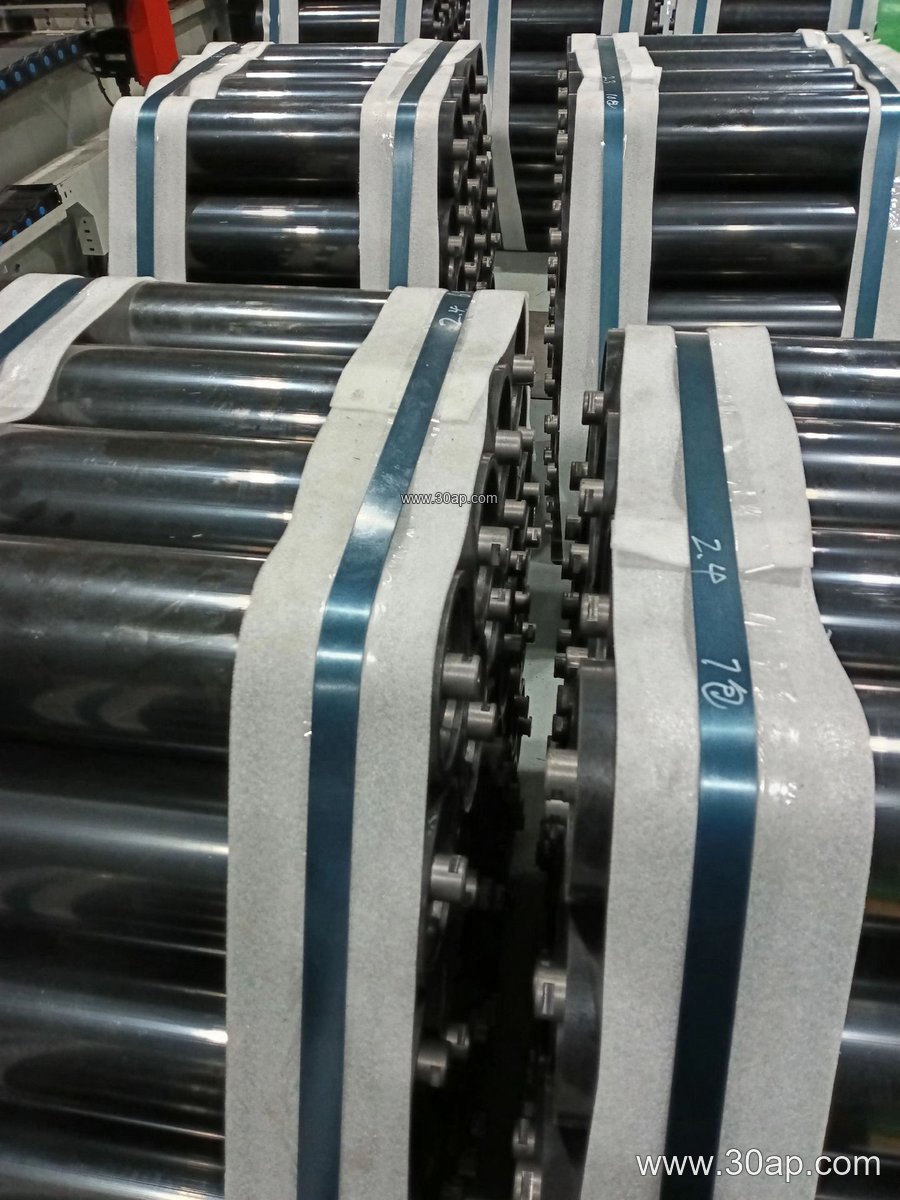
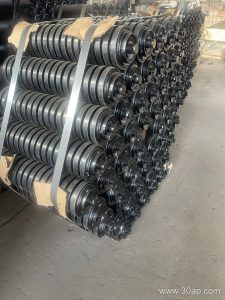
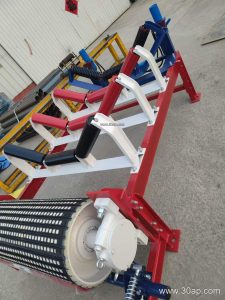
Other applications include tunnel muck removal, fertilizer handling, and grain silos. In each case, the tail pulley works with the conveyor belt, idler roller, conveyor bracket, and frame to keep the return strand stable. A worn or misaligned tail pulley can affect the entire conveyor, so inspection of the lagging, bearing seals, and shaft should be part of routine maintenance.
What Buyers Should Check Before Ordering
- Confirm the belt width and the required pulley face width, allowing for belt tracking and frame clearance.
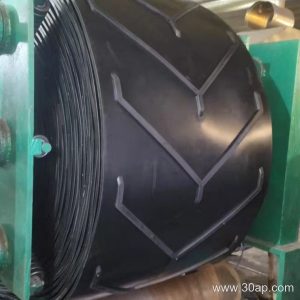
- State the belt type and service conditions, such as an EP conveyor belt, steel cord conveyor belt, or chevron conveyor belt, because surface and diameter choices may differ.
- Provide the calculated shaft load and tension so the manufacturer can select the shaft diameter and bearing size.
- Specify the lagging type and thickness if the tail pulley also serves as a tensioning drum or runs in wet, dusty conditions.
- Check the mounting arrangement and whether the tail pulley is fixed or part of a movable take-up system.
A belt conveyor tail pulley is a simple-looking part, but its correct selection depends on the whole conveyor layout. Matching it to the belt, the load, and the environment is more important than copying a size from another project.