What a Return Idler Bracket Does on a Conveyor
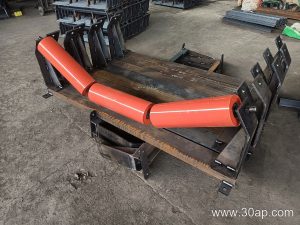
A return idler bracket is the support component that holds the return-side idlers beneath the carrying run of a conveyor belt. While the upper troughing idlers carry the loaded belt, the return idlers simply keep the empty belt from sagging and guide it back to the tail pulley. The bracket is the interface between those idlers and the conveyor stringer or frame, so its geometry, strength and mounting position directly affect belt tracking, idler life and maintenance effort.
In a quarry, a coal preparation plant or a power station coal yard, a loose or misaligned return bracket is often the first sign of belt wander or edge wear. That makes this small steel part worth understanding before ordering replacements.
How the Bracket Is Built
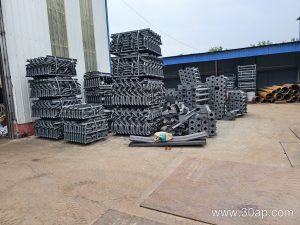
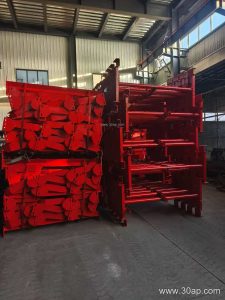
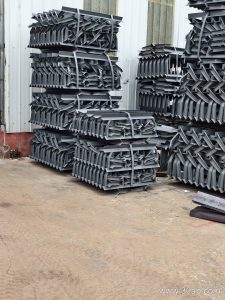
Most return idler brackets are fabricated from angle steel, channel steel or folded steel plate, then drilled or punched for mounting bolts and idler shaft ends. Common configurations include a flat return bracket for a single horizontal return idler, a V-return bracket that supports two idlers set in a V shape for better belt centering, and adjustable versions that allow height or angle correction during installation.
Typical construction details include:
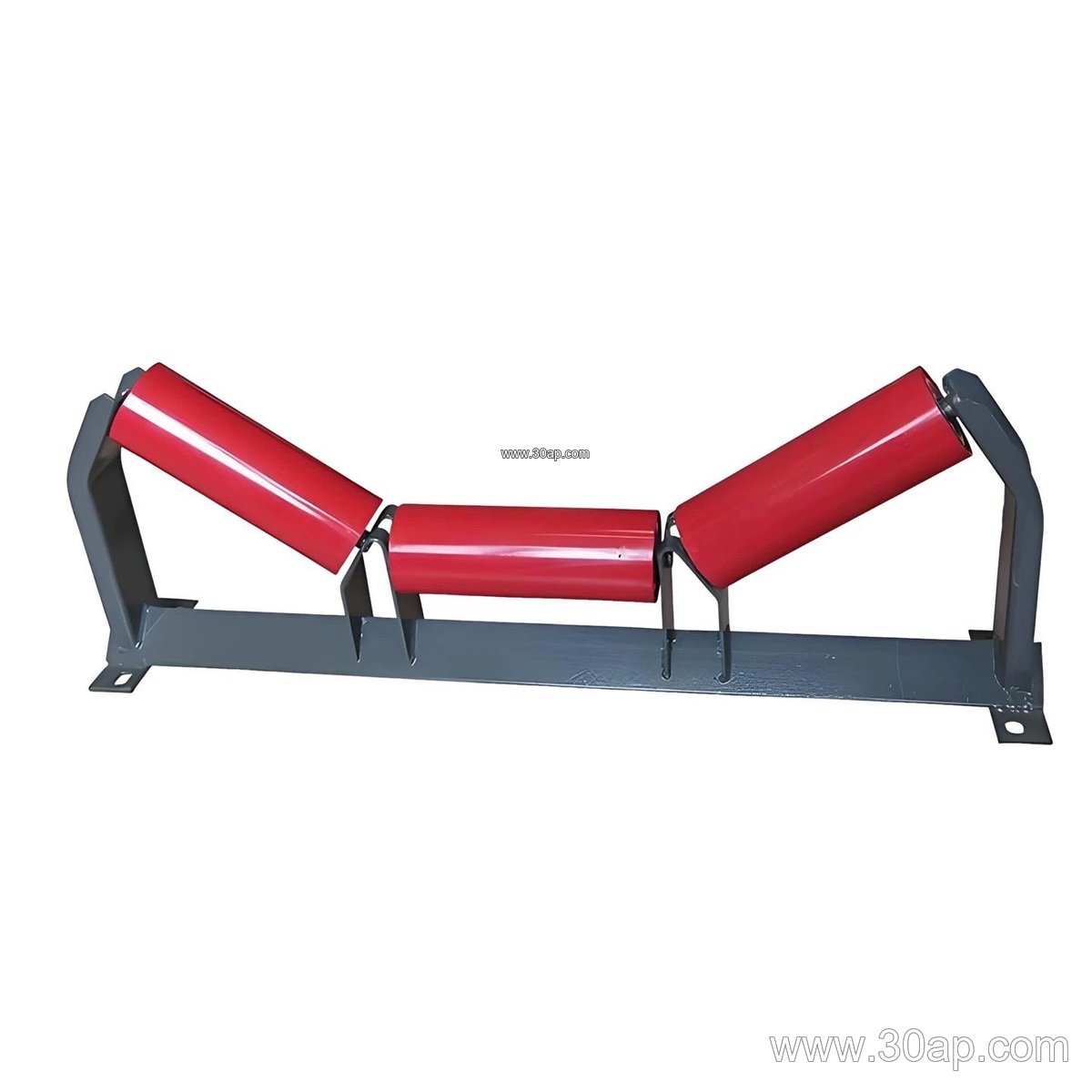
- Welded or bolted frame in angle or channel section
- Slotted holes to absorb tolerance during field alignment
- Reinforced gussets where the idler shaft load is highest
- Hot-dip galvanized or painted finish for dusty and damp environments
Because the bracket carries only the belt’s own weight and any material spillage, it is usually lighter than a troughing bracket, but it still needs enough stiffness to resist vibration on a heavy-duty mining conveyor belt.
Where Return Brackets Are Used
These brackets appear on nearly every belt conveyor, from a small aggregate conveyor belt in a sand and gravel line to a long overland system feeding a cement plant. In an underground coal mining conveyor, compact return brackets help keep the belt clear of the floor and reduce spillage buildup. In a steel plant or sintering line, heat and dust make robust, well-fixed brackets important. Port ship loading conveyors often use wide belts where the return bracket spacing and alignment matter for stable tracking.
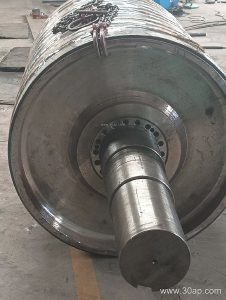
The bracket works together with the conveyor belt, the idler roller and the conveyor pulley at each end of the run. A poorly matched return bracket can cause the belt to train to one side, which then loads the conveyor pulley edges unevenly.
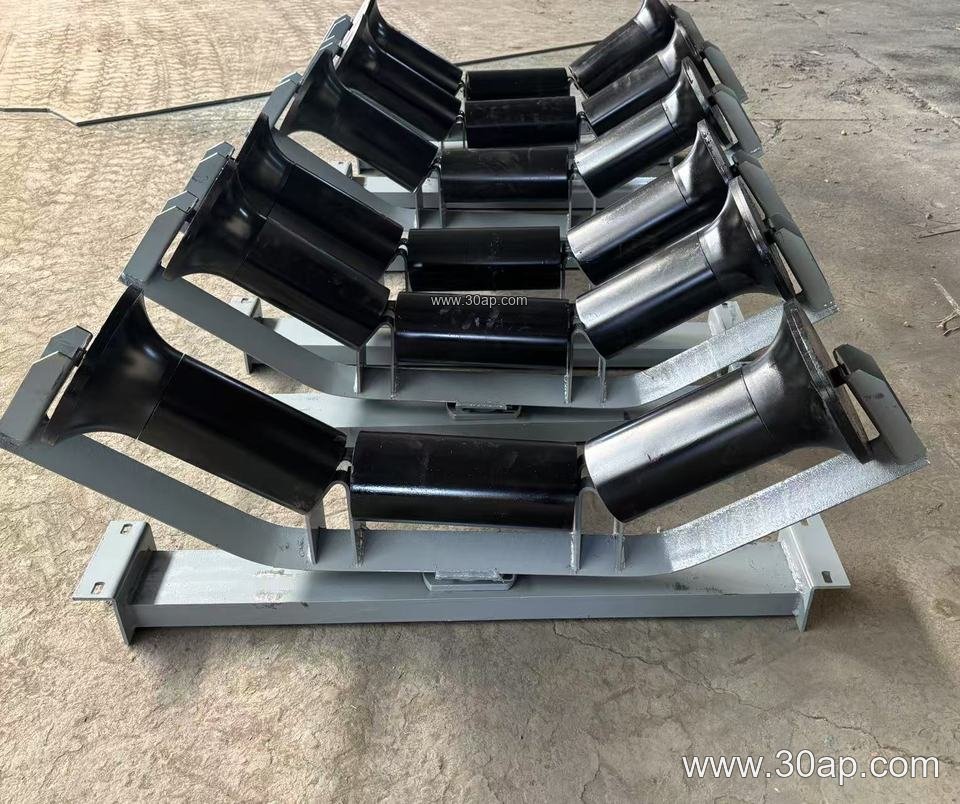
Matching Bracket, Belt Width and Idler Diameter
Selection starts with belt width and return idler diameter. The bracket mounting hole spacing and crossbeam length usually change with belt width and with the chosen return configuration, so they should be confirmed against the conveyor drawing rather than assumed. The table below shows common reference combinations; these are examples, not fixed rules.
| Belt Width | Typical Return Idler Diameter | Bracket Style | Common Use |
|---|---|---|---|
| B500 | Ø89 | Flat return bracket | Small aggregate or sand line |
| B650 | Ø89 / Ø108 | Flat or V-return | Crushing and screening plant |
| B800 | Ø108 / Ø133 | V-return bracket | Coal handling, cement plant |
| B1000 | Ø133 | V-return or adjustable | Power plant coal conveyor |
| B1200 | Ø133 / Ø159 | Heavy V-return | Iron ore, port loading |
| B1400 | Ø159 | Heavy-duty return bracket | Mining conveyor belt systems |
| B1600 | Ø159 / Ø194 | Heavy-duty or adjustable | Large bulk material conveyor |
| B1800–B2200 | Ø194 | Custom heavy bracket | Extra-wide overland conveyors |
A wider belt does not automatically require a single idler diameter, and one belt width can be paired with more than one bracket style depending on load and space. On a conveyor carrying an EP conveyor belt or a steel cord conveyor belt, the return side load is mainly belt weight, but sag limits still guide the spacing.
Fixed or Adjustable
Fixed return brackets are simple and economical, common on short runs and stable structures. Adjustable brackets let fitters raise or lower the return idler or fine-tune the V angle after the belt is tensioned, which is useful on long conveyors and where stringer fabrication tolerances accumulate. In a tunnel spoil line or a temporary crushing setup, adjustable brackets can save a return visit. For a permanent cement or steel plant conveyor, fixed brackets with accurate mounting holes are often enough.
Buyer Checklist
- Confirm belt width and the return idler shaft size before ordering
- State whether a flat, V-return or adjustable bracket is needed
- Check mounting hole spacing against the stringer drawing
- Specify finish and material for dusty, wet or corrosive sites
- Order brackets together with idler roller sets to avoid mismatch
- Keep a small stock of spare brackets for wear and impact zones
For buyers sourcing complete conveyor components, it helps to review the return bracket alongside the belt specification, whether that is a flame retardant conveyor belt for underground work or an abrasion resistant conveyor belt for ore handling, and to confirm that bracket and idler dimensions come from the same conveyor design.