What a Conveyor Pulley Does on a Belt System
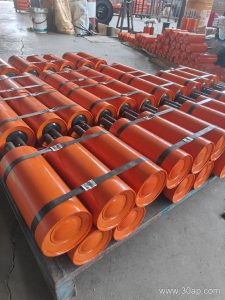
A conveyor pulley is the rotating drum that drives, tensions, or redirects a conveyor belt. It transfers power from the drive unit to the belt through friction, and it guides the belt along the conveyor path. In a typical bulk handling line, you will find several pulleys working together: a drive pulley at the head, a tail pulley at the loading end, and bend or take-up pulleys along the return run. Each position places different demands on the drum, so understanding the role of each is the first step in selecting the right unit.
Construction and Key Components
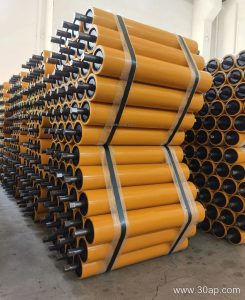
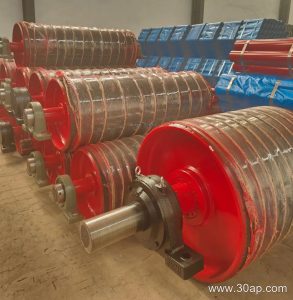
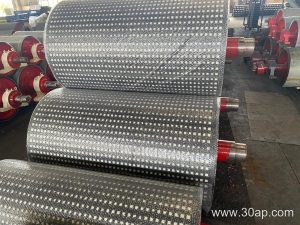
Most industrial pulleys share a common build. The shell is a rolled steel cylinder, machined at the ends and often covered with rubber or ceramic lagging to improve grip. The shaft runs through the center and is connected to the shell by end discs or a hub-and-bushing arrangement. Bearings sit on the shaft and are held in bearing housings, which mount to the conveyor frame through a conveyor bracket. The lagging surface can be smooth, diamond-patterned, chevron-grooved, or ceramic-tiled, depending on the traction and wear conditions.
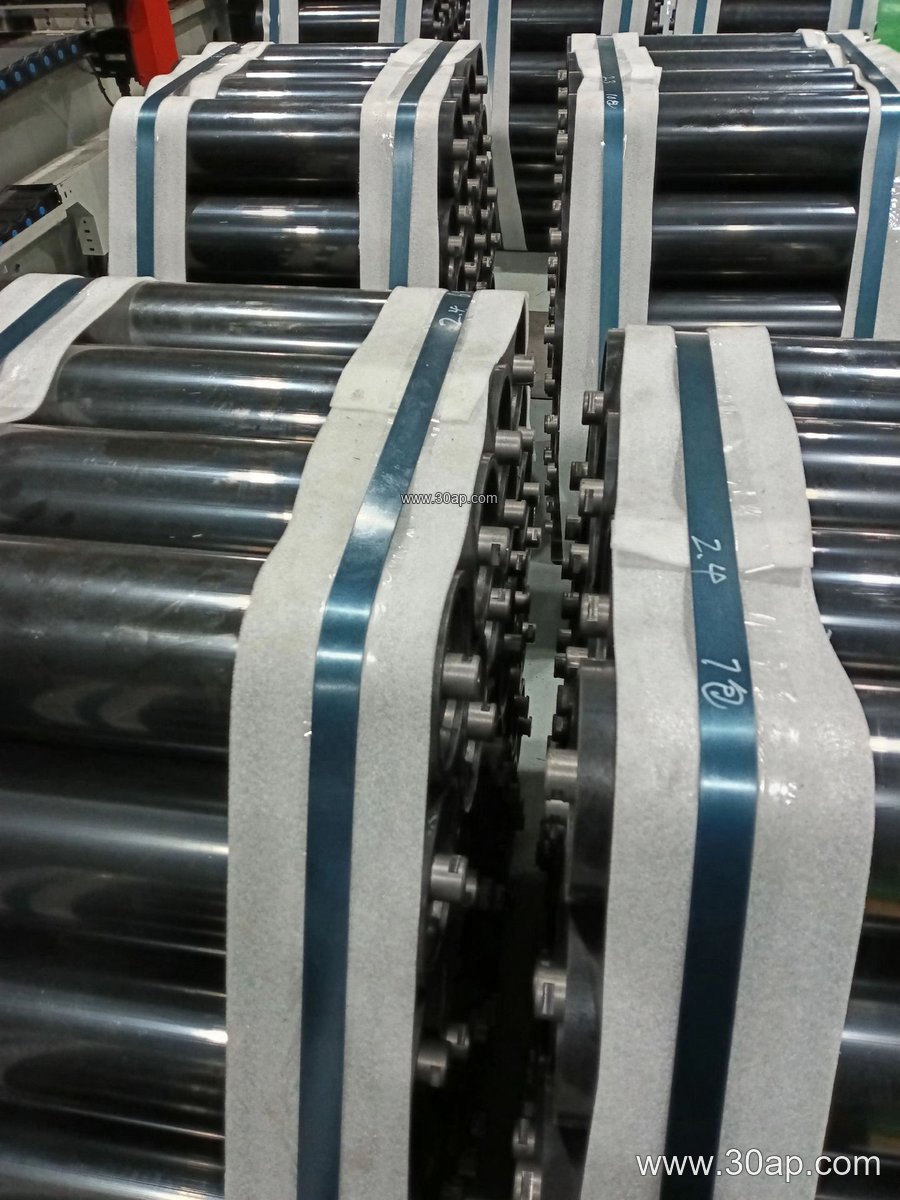
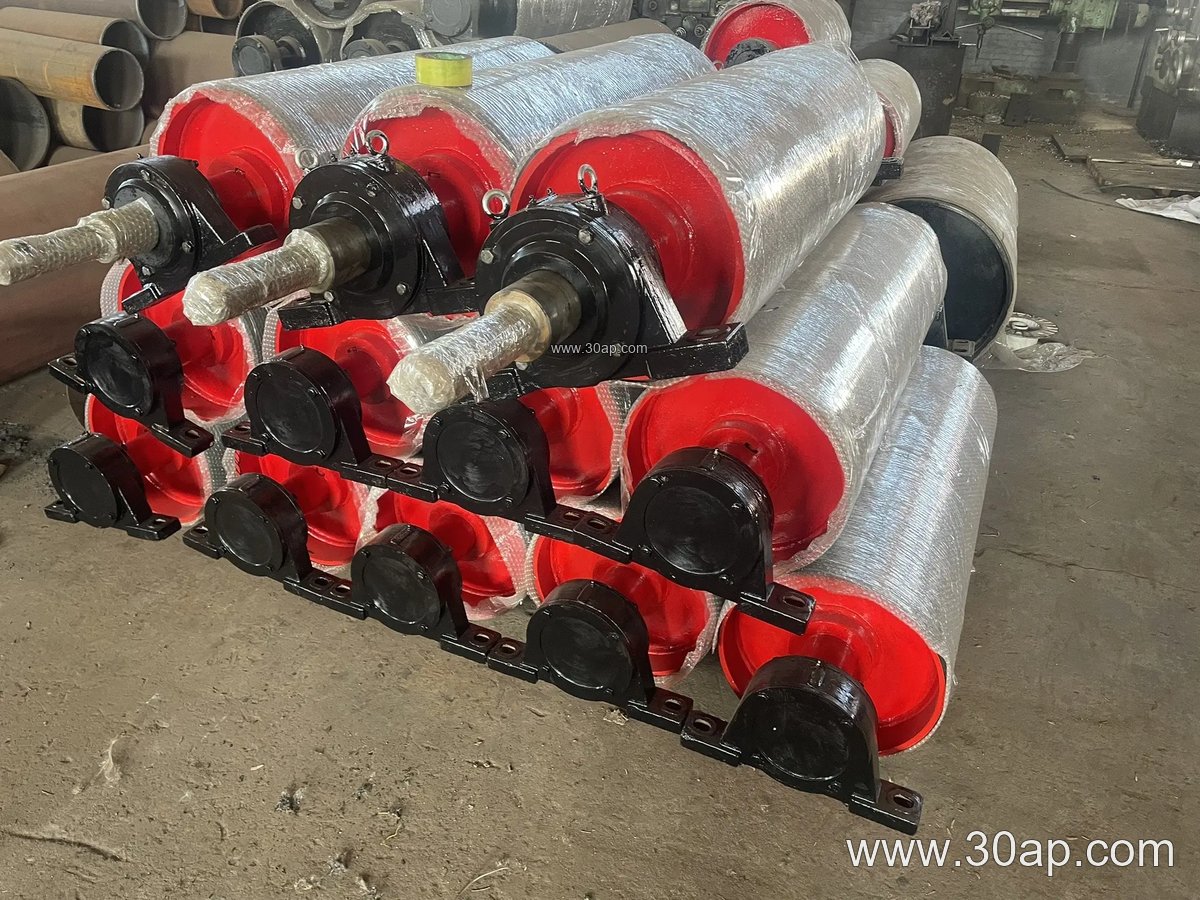
Common shell diameters range from Ø200 to Ø1800, and face widths are usually slightly wider than the belt they serve. For example, a B800 belt often runs on a pulley with a face width around 950 mm, while a B1200 system may use a face width near 1400 mm. Shaft diameters commonly fall between Ø50 and Ø200, but the final size is determined by torque and load calculations, not by belt width alone. A B650 conveyor might use a Ø315 pulley in a light-duty tail position, whereas a heavy-duty drive pulley on the same belt width could be Ø500 or larger.
Drive, Tail, and Bend Pulleys Are Not Interchangeable
The term conveyor pulley covers several distinct subtypes. The drive pulley, also called the head pulley, is the powered unit that pulls the belt. It usually has the largest diameter and the heaviest lagging because it must transmit the full driving force without slipping. The tail pulley sits at the opposite end and often serves as a tensioning point; it may be smaller and can have a smooth or lightly lagged surface. Bend pulleys change the belt direction without driving it, and they are common in take-up loops and vertical curves. A drive pulley cannot simply be swapped for a tail pulley, because the load paths, bearing sizes, and lagging requirements differ.
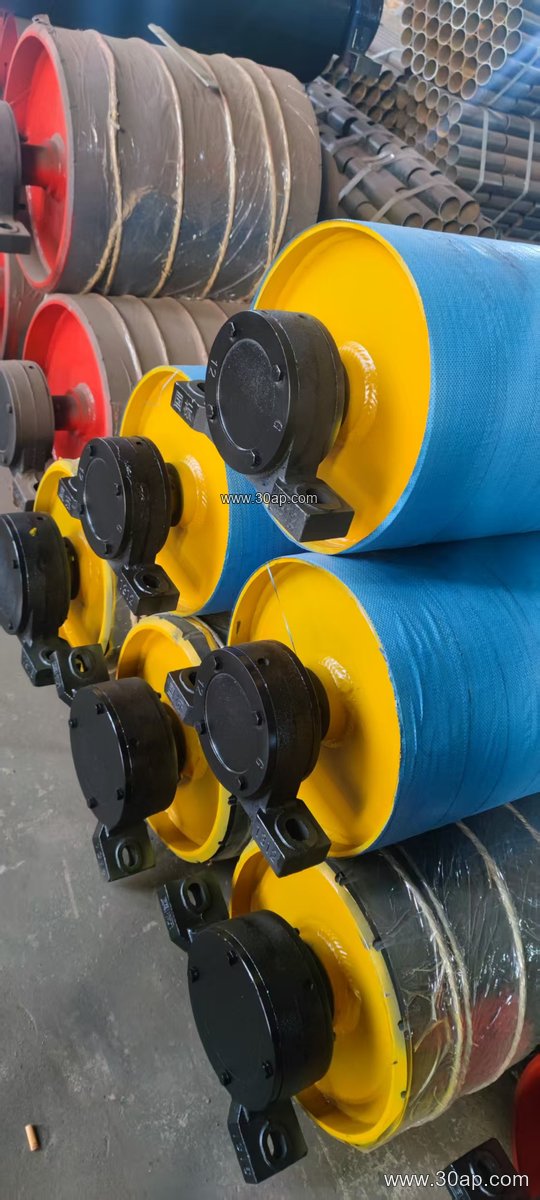
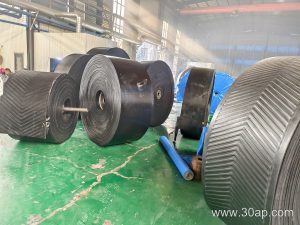
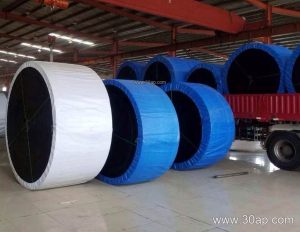
For comparison, a bend pulley may use a plain rubber lagging to protect the belt, while a drive pulley in a quarry or cement plant often uses diamond or ceramic lagging to maintain grip in wet, dusty conditions. The same logic applies to the conveyor belt itself: a heavy-duty mining conveyor belt or abrasion resistant conveyor belt needs a pulley surface that matches its cover compound and tension rating.
Where These Drums Are Used
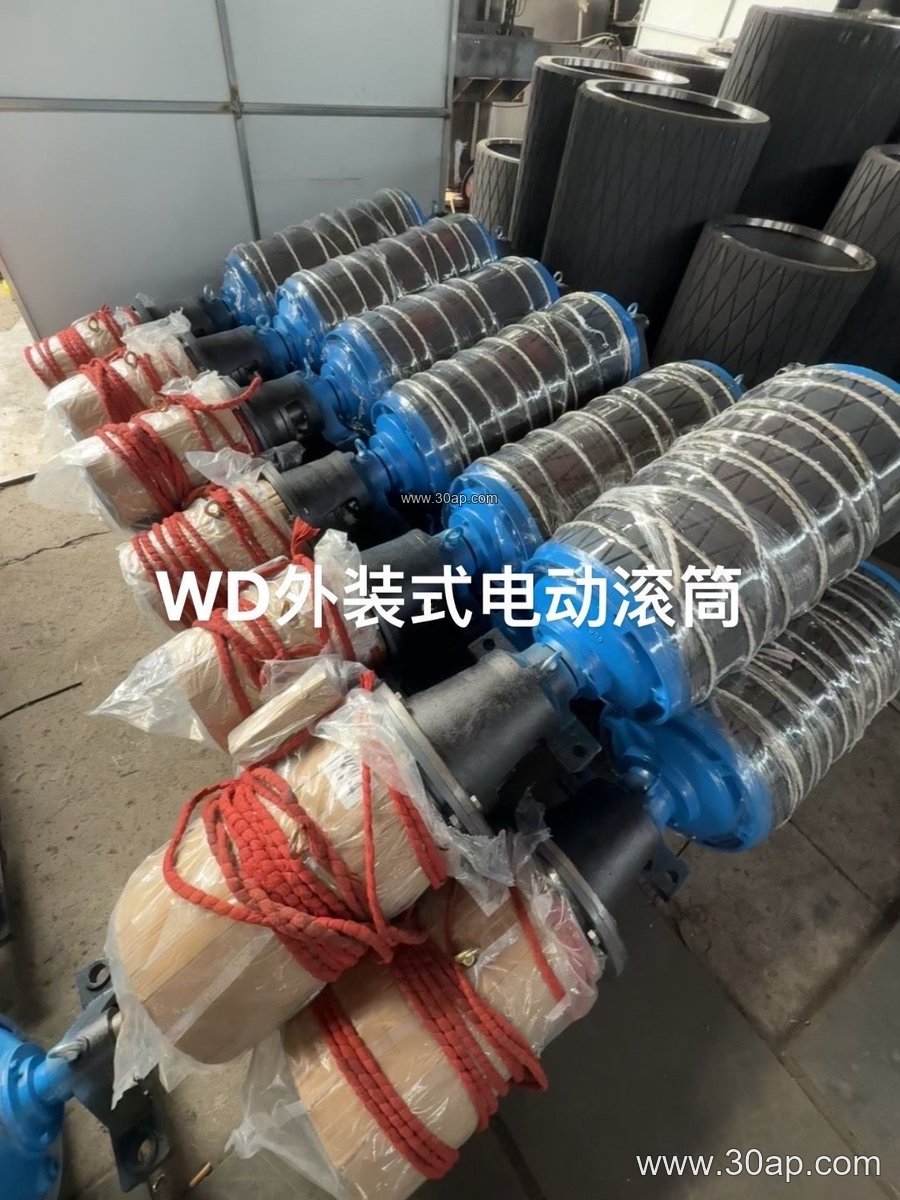
You will find conveyor pulleys in nearly every bulk material handling circuit. In a limestone quarry, they drive the primary crusher discharge belt and the stacker feed line. In a coal washing plant, flame retardant conveyor belts run over lagged drive pulleys and smooth bend pulleys. Cement plants use them on clinker and raw meal conveyors, where heat resistant conveyor belts and dust-tight bearing housings are common. Power plant coal yards and port ship loaders also rely on large diameter pulleys to handle high belt tensions. Even a small aggregate conveyor belt in a concrete batching plant depends on a properly aligned tail pulley to keep the belt tracking.
Specification Snapshot
The table below shows typical reference values. These are not fixed pairings; final dimensions are set by the conveyor designer based on belt tension, speed, and duty.
| Parameter | Common reference values |
|---|---|
| Belt width (B) | B400, B500, B650, B800, B1000, B1200, B1400, B1600, B1800, B2000 |
| Pulley diameter (Ø) | Ø200, Ø250, Ø315, Ø400, Ø500, Ø630, Ø800, Ø1000, Ø1250, Ø1400, Ø1600 |
| Face width (approx.) | B400 → 500 mm; B650 → 750 mm; B1000 → 1150 mm; B1400 → 1600 mm |
| Shaft diameter (Ø) | Ø50, Ø60, Ø70, Ø80, Ø90, Ø100, Ø120, Ø140, Ø160, Ø180, Ø200 |
| Lagging thickness | 8, 10, 12, 15, 20 mm |
| Surface options | Plain, rubber lagging, diamond lagging, chevron lagging, ceramic lagging |
Buyer Checklist
- Confirm the pulley position: drive, tail, bend, take-up, or snub. Each has different load and lagging requirements.
- Match the pulley face width to the belt width, allowing for belt wander and edge clearance.
- Specify the lagging type based on material: ceramic for high abrasion, rubber for general grip, plain for light duty.
- Check shaft and bearing capacity against the actual belt tension, not just the belt width.
- Verify mounting dimensions with the conveyor bracket and frame drawings before ordering.
- Consider the environment: heat, oil, dust, and moisture all affect lagging and bearing life.
For a complete conveyor review, pair the pulley specification with the conveyor belt grade, idler roller spacing, and bracket layout. A well-matched pulley set keeps the belt centered, reduces slip, and extends the service life of the entire conveyor line. Whether the application is a quarry conveyor belt, a coal mining conveyor belt, or a cement plant conveyor belt, the same selection principles apply: define the duty, confirm the dimensions, and match the surface to the material.