What the Ø108 Self-Aligning Idler Does
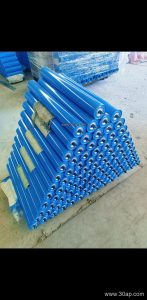
The Ø108 self-aligning idler is a 108 mm diameter roller assembly designed to correct belt drift before it becomes a problem. Mounted in the carrying or return run, it uses angled rollers or a pivoting frame so that when the conveyor belt moves sideways, the idler steers it gently back toward the center line. In a quarry, a cement plant, or a power plant coal yard, a belt that wanders off track can spill material, rub the frame, and shorten belt life. This idler is a practical answer to that everyday issue.
Also called a 108 mm self-aligning roller or self-tracking idler in Ø108 size, the unit is one subtype of the broader idler family. It is not a drive pulley, tail pulley, or bend pulley, and it should not be confused with them. Those parts transmit power or change belt direction, while the self-aligning idler only guides and supports the belt.
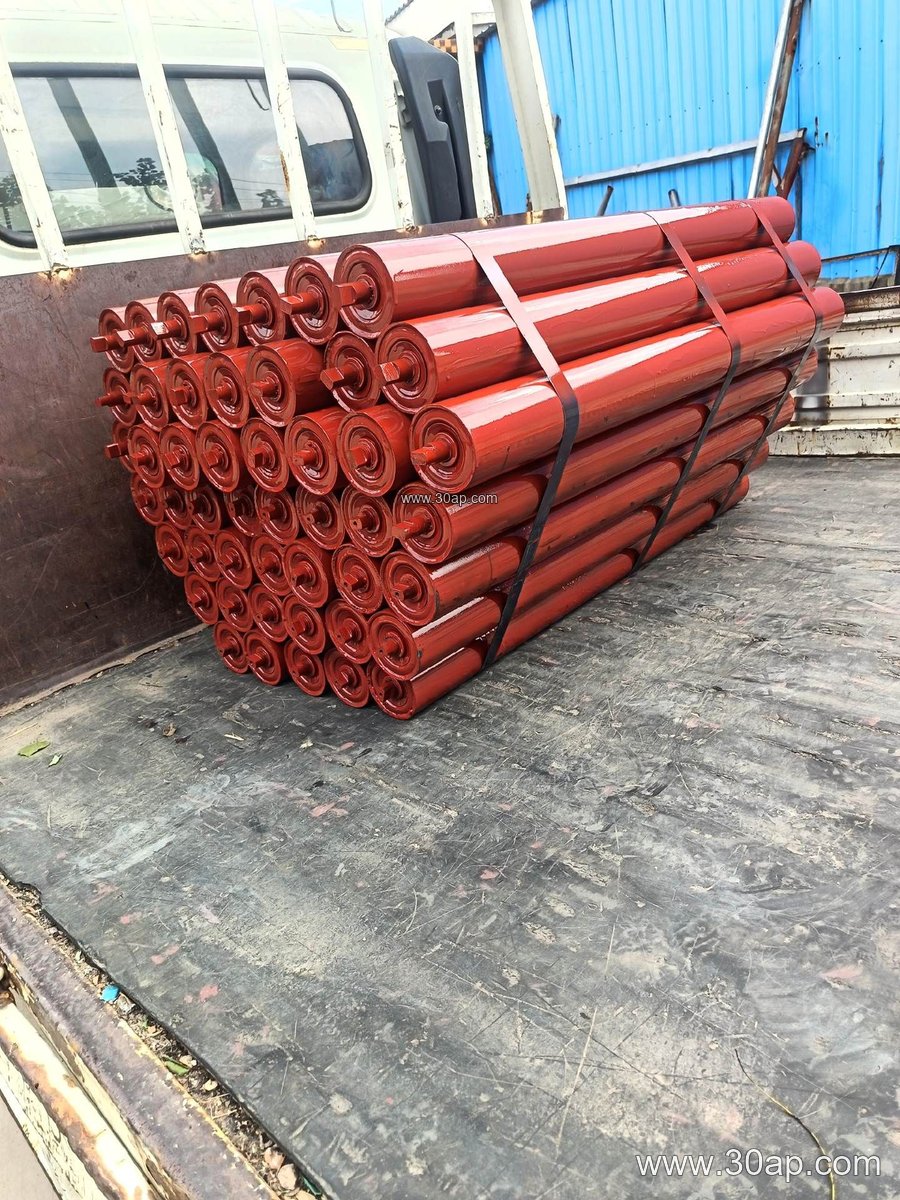
Construction and Working Principle
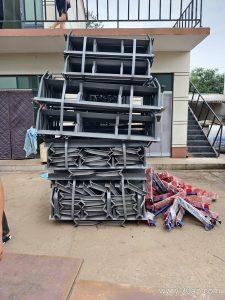
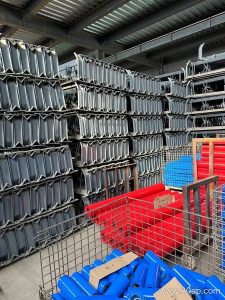
Most Ø108 self-aligning idlers use a pair of carrying rollers set at an angle, often in a V or offset arrangement, held in a frame that can pivot slightly. When the belt contacts one side more heavily, the frame rotates and the rollers push the belt back. Friction self-aligning and conical self-aligning versions use shaped roller faces to create the same correcting effect.
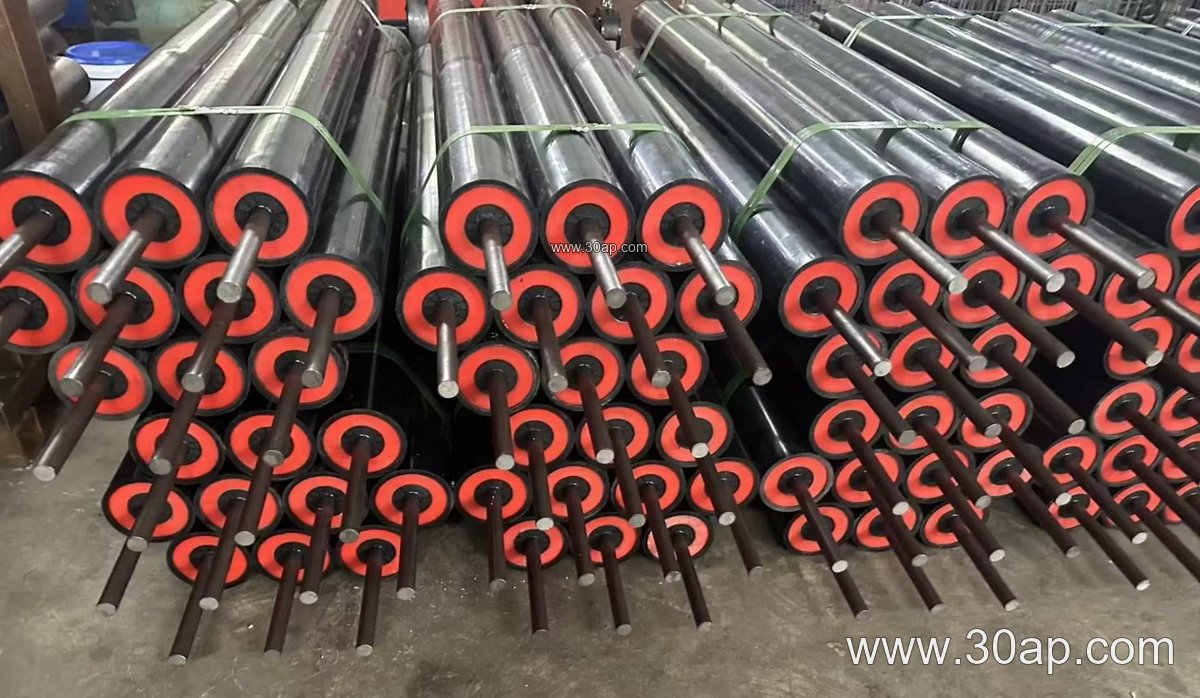
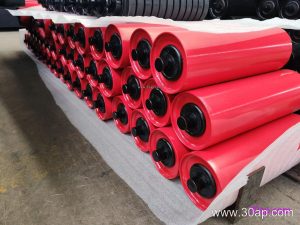
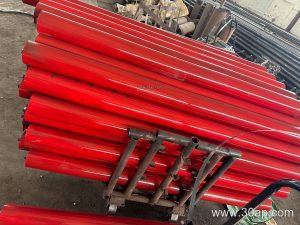
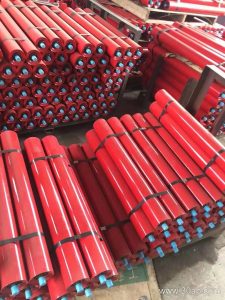
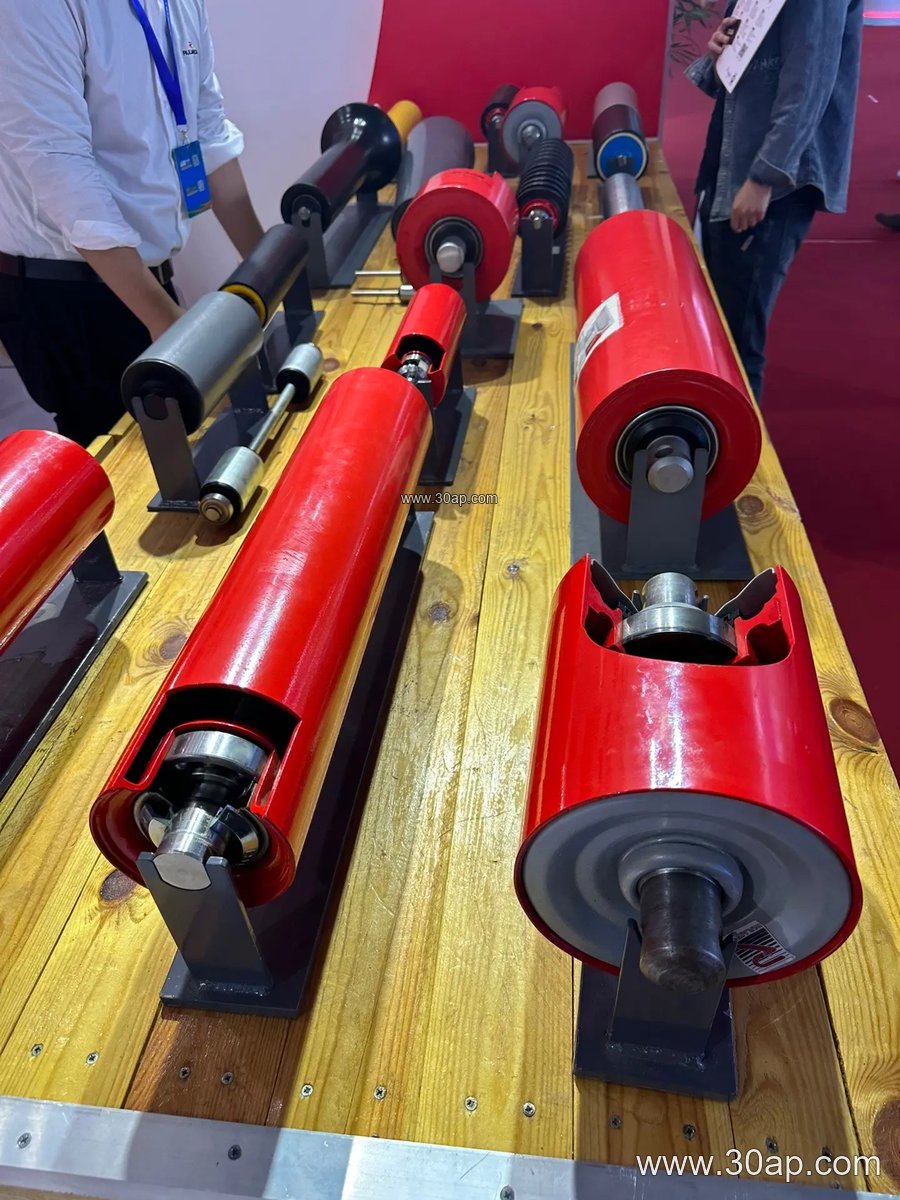
- Roller shell: usually steel tube, with nylon, ceramic, or rubber ring surfaces available for different wear conditions
- Bearing: common sizes include 6204, 6205, 6305, 6306, 6308, and 6310, selected to suit load and speed
- Shaft and frame: fixed to the conveyor bracket through a pivoting or swivel mount
- Seal: labyrinth or contact seal to keep dust and water out of the bearing housing
The Ø108 diameter is a common middle size. It suits medium belt widths and moderate loads, and it is often chosen where a Ø89 idler would be too light and a Ø127 or Ø133 roller would be larger than needed. Roller length is set by belt width, trough angle, and idler arrangement, so a B800 or B1000 conveyor may use different roller lengths from a B1200 line. These values are determined by design, not fixed by diameter alone.
Where It Fits on the Conveyor
Self-aligning idlers are commonly installed at intervals along the carrying run, especially after a loading point, on long straight sections, and before the discharge end. In the return run, a V-shaped self-aligning idler helps keep the empty belt centered. On a crusher discharge conveyor in a stone crushing line, or on a Cement Conveyor Belt feeding a kiln, small tracking errors can grow quickly, so a few Ø108 self-aligning idlers placed at the right spots can reduce edge damage and spillage.
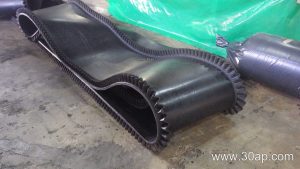
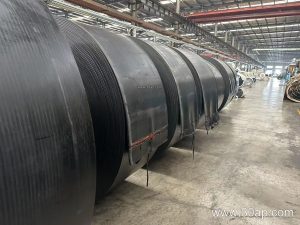
They also work alongside a Rubber Conveyor Belt or an EP Conveyor Belt on aggregate conveyors, and with a skirted or corrugated sidewall belt where edge contact must be controlled. On a coal mining conveyor or an underground coal mining conveyor, the flame retardant belt and the idler both need to resist dust and moisture, so seal quality matters as much as roller strength.
Size Reference and Selection Notes
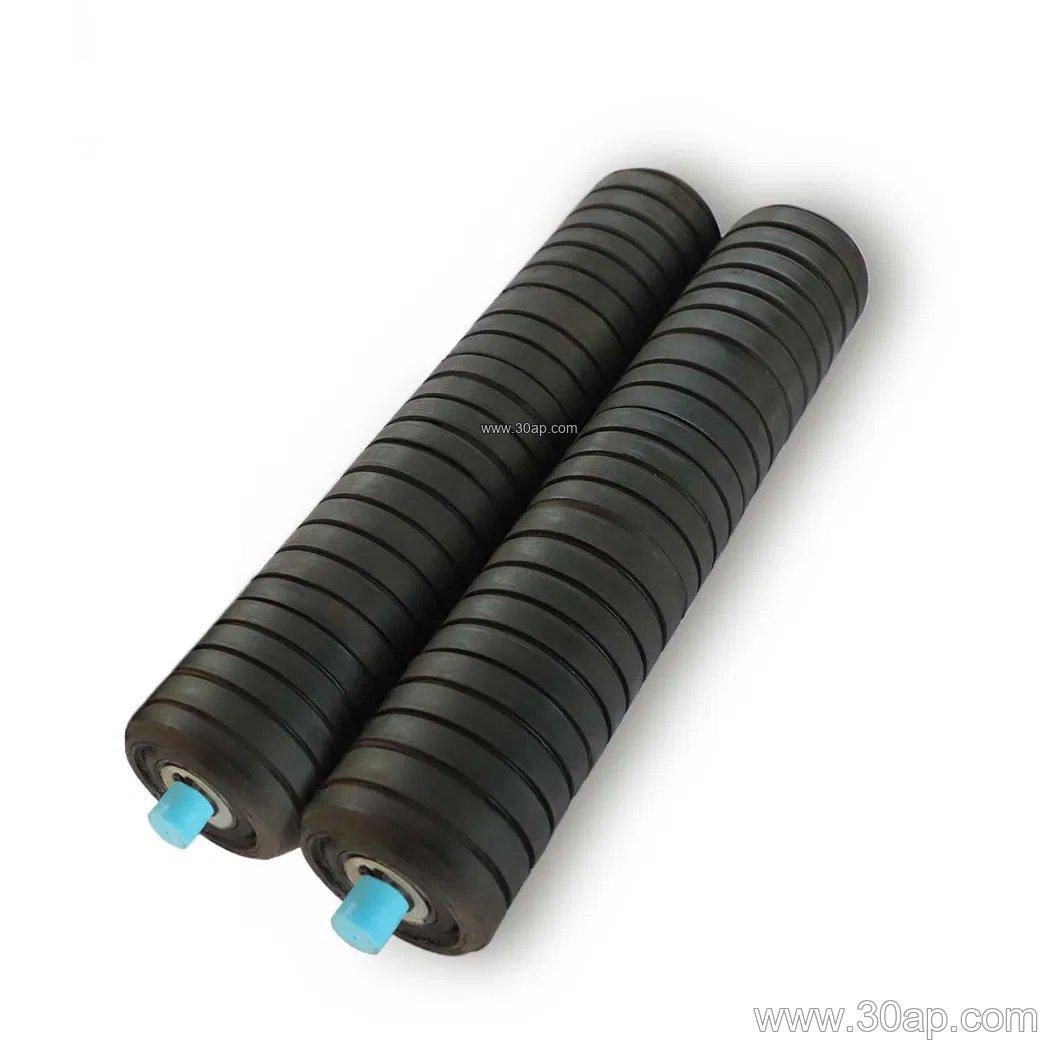
The table below gives common reference values for Ø108 idlers. They are examples, not universal specifications, and actual roller length and bearing choice should follow the conveyor design.
| Item | Common reference |
|---|---|
| Roller diameter | Ø108 mm |
| Belt width examples | B650, B800, B1000, B1200, B1400 |
| Trough angle | 20°, 30°, 35°, 45° |
| Roller length examples (three-roll trough) | B650 about 250 mm, B800 about 315 mm, B1000 about 380 mm, B1200 about 465 mm |
| Bearing examples | 6205, 6305, 6306, 6308 |
| Surface options | Steel, nylon, ceramic, rubber ring |
A buyer should confirm the belt width, the idler group type, the mounting bracket dimensions, and the working environment before ordering. Dust, moisture, and temperature affect seal and bearing choice. For high-abrasion service such as iron ore or copper ore handling, a wear-resistant roller surface may be worth specifying. For food or clean material lines, a different surface finish may be required.
Maintenance and Buying Advice
Check the self-aligning idler during routine inspections. A roller that stops turning, runs hot, or no longer pivots freely should be replaced before it damages the belt. Keep the frame free of packed material so the correcting movement is not blocked. When replacing, match the diameter, roller length, and bearing size to the original design, and verify that the new unit fits the existing conveyor bracket.
For a complete line, the Ø108 self-aligning idler is usually one part of a larger order that may include trough idlers, return idlers, impact idlers, and a conveyor pulley. Buyers comparing suppliers should ask for the roller drawing, bearing designation, seal type, and surface treatment, then check those details against the actual duty. A well-chosen self-aligning idler keeps the belt centered, protects the edges, and supports steady material flow from the stockpile to the transfer point.