What a Coal Mining Conveyor Belt Does
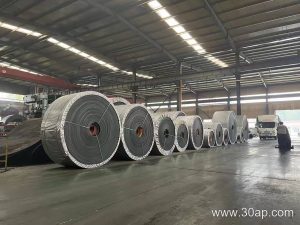
A coal mining conveyor belt is the load-carrying element of a continuous haulage system that moves raw coal from the face, stockpile, or crusher to screening, washing, and load-out points. In a coal mine, the belt often works underground in confined roadways or on the surface in transfer stations, where dust, moisture, and variable lump size put steady demands on the carcass and covers. The same product family appears in cement plants, power plant coal yards, and quarry operations handling bulk material with similar density and abrasion.
Because coal is relatively soft but often mixed with rock and shale, the belt must balance cut and gouge resistance with flexibility around pulleys. That is why buyers usually look at a combination of carcass type, cover grade, and edge construction rather than a single number.
Construction and Common Belt Types
The carcass carries tension, while the rubber covers protect it from impact, abrasion, and moisture. For coal service, the most common choices are fabric-core and steel-cord constructions:
- EP conveyor belt (polyester/nylon fabric core) offers good fatigue resistance and low stretch for medium to long runs.
- NN conveyor belt uses nylon fabric and is valued for flexibility and impact absorption.
- Steel cord conveyor belt is selected for high strength and long center distances.
- PVG and PVC belts are used where flame resistance and low smoke are priorities, particularly in underground coal mining conveyor belt systems.
Cover compounds matter as much as the carcass. A flame retardant conveyor belt and anti-static conveyor belt are typical requirements for underground coal service. Surface installations may favor an abrasion resistant conveyor belt for coal with hard rock content, or a heat resistant conveyor belt near transfer points with hot material. Oil resistant and cold resistant grades are available where the duty calls for them.
Reference Dimensions
Widths and strengths are selected per conveyor design, not by rule of thumb. The table below shows typical reference ranges that appear in coal handling specifications.
| Parameter | Common reference values |
|---|---|
| Belt width | B650, B800, B1000, B1200, B1400, B1600, B1800 |
| EP strength grades | EP200, EP400, EP630, EP800, EP1000, EP1250 |
| Steel cord grades | ST1000, ST1250, ST1600, ST2000 |
| Cover thickness | 4+2 mm, 5+2 mm, 6+2 mm, 8+3 mm |
| Fabric plies | 2 to 6 plies, depending on duty |
These figures are reference data, not fixed pairings. A wider belt does not dictate one pulley diameter, and shaft sizing follows the conveyor design and load calculation.
Where It Fits in the Coal Chain
From the mine portal to the preparation plant, the coal mining conveyor belt links each stage. Underground, a flame retardant conveyor belt with anti-static properties is often specified for safety. On the surface, long overland lines may use steel cord conveyor belt to reduce transfer points and maintenance. At the crusher, an impact resistant conveyor belt or a thicker top cover helps absorb lump impact. In stockyards and port loading, abrasion resistant and oil resistant grades are common.
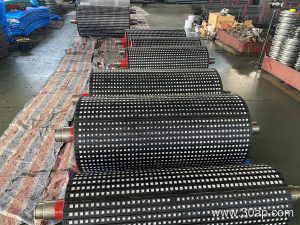
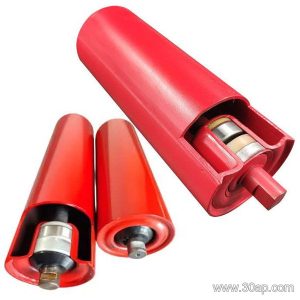
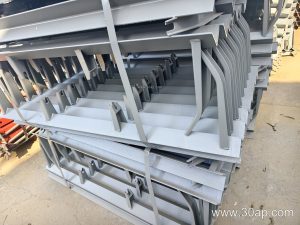
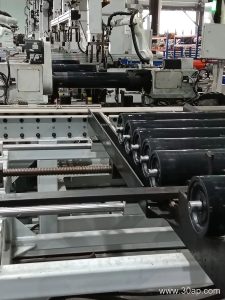
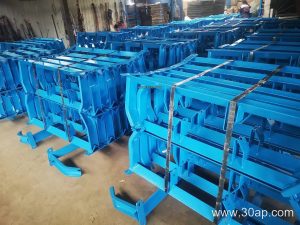
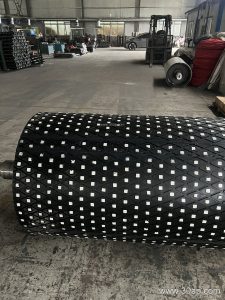
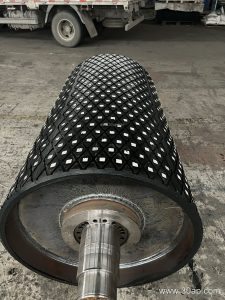
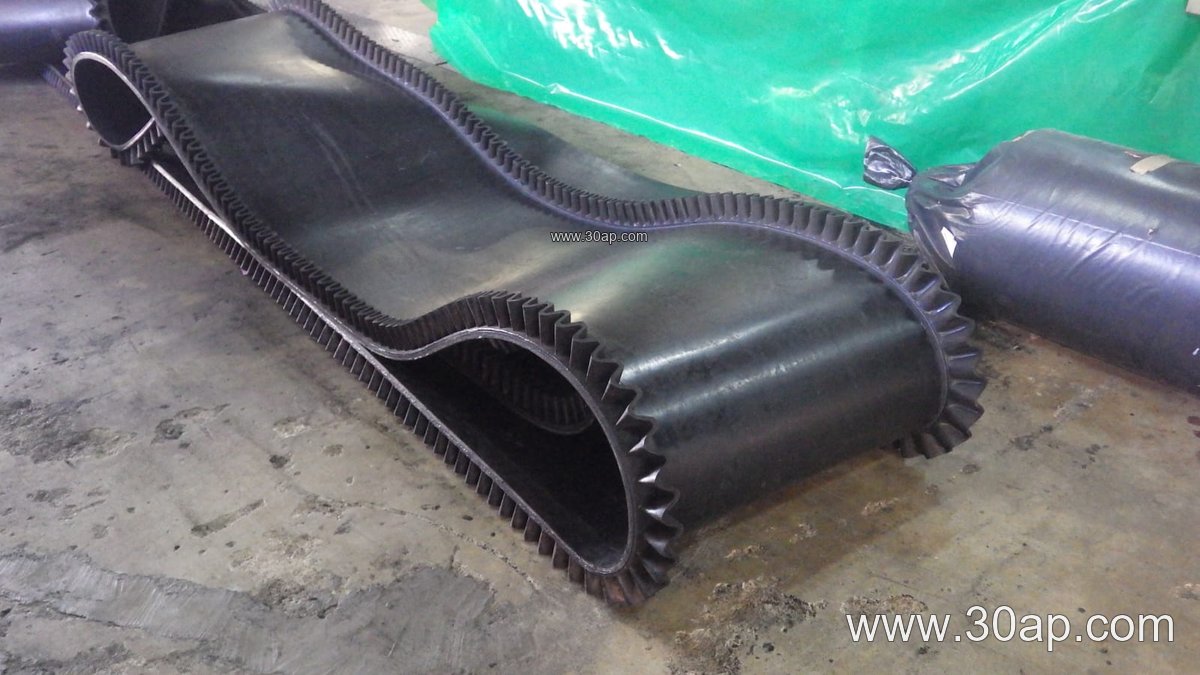
Coal is not the only cargo. The same designs serve cement plants, power stations, and sand and gravel yards, where an aggregate conveyor belt or ore conveyor belt must handle similar bulk material. In steep inclines, a chevron conveyor belt or corrugated sidewall conveyor belt can prevent rollback, while a pipe conveyor belt encloses the load for dust control. Related hardware such as the conveyor pulley, idler roller, and conveyor bracket should be matched to the belt tension and troughing angle for stable tracking.
Buyer Checklist
Before ordering, confirm the coal characteristics, lump size, moisture, and any explosive atmosphere classification. State the belt width, strength grade, cover thickness, and whether flame retardant or anti-static properties are required. Ask how the belt will be spliced and whether an endless conveyor belt is preferred for a fixed installation. Check that pulley diameters and troughing idlers suit the carcass flexibility, and plan storage so the belt is not exposed to sunlight or ozone before installation.
For coal mining conveyor belt inquiries, sharing the conveyor layout and duty cycle helps suppliers recommend a suitable EP, NN, or steel cord construction. Regular inspection of covers, edges, and splices keeps the haulage line running. For more on matching belts with conveyor pulley and idler roller components, visit mshaos.com.