What a Fire Resistant Conveyor Belt Is
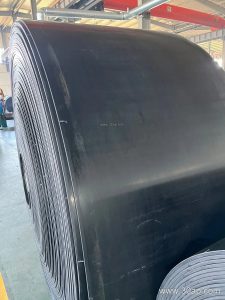
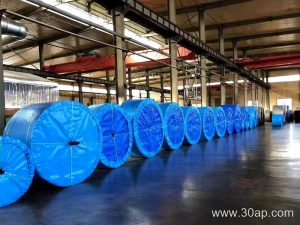
A Fire Resistant Conveyor Belt is a rubber conveyor belt engineered so that it resists ignition and limits flame spread when it is exposed to heat, sparks, or a localized fire. It is also known as a flame retardant conveyor belt, and the two names describe the same product family. The belt is not fireproof in the sense of surviving any fire indefinitely; rather, its rubber compounds and construction are designed to slow ignition and self-extinguish after the ignition source is removed.
These belts matter most where conveyed material, dust, or nearby equipment can create a real ignition risk. Underground coal mining, coal preparation plants, power plant coal yards, cement plants, and port coal terminals are typical settings. In such places, a standard belt can act as a fuel path, so a flame retardant conveyor belt becomes part of the site safety strategy.
How the Belt Is Built
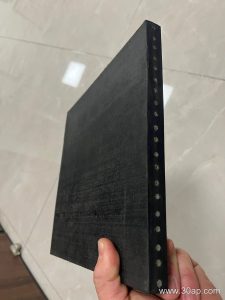
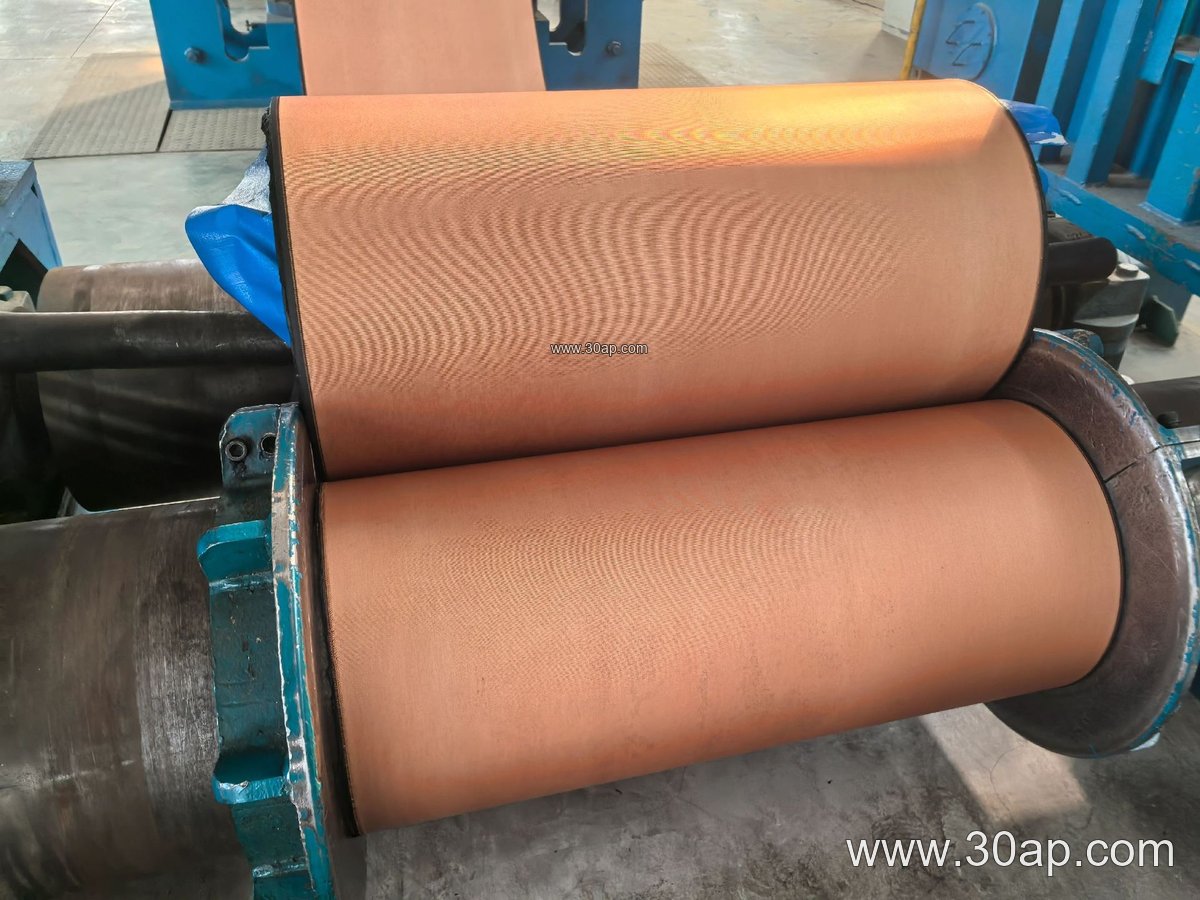
The construction follows the same basic logic as other fabric-reinforced belts. A carcass carries the tension, and rubber covers protect it. What sets the fire resistant version apart is the formulation of the cover compound and, in many cases, the skim rubber between plies.
- Carcass: Usually EP fabric or NN fabric, with 2 to 6 plies common. Heavier duties may use a steel cord carcass.
- Cover rubber: Formulated with flame retardant additives; top and bottom covers are specified separately.
- Skim and edges: Rubber layers that bond the plies and seal the cut edges against moisture and dust.
Where static electricity is also a concern, an anti-static grade can be supplied. For hot material such as clinker or sinter, a heat resistant conveyor belt is the correct choice instead, since fire resistance and heat resistance address different risks.
Common Specifications
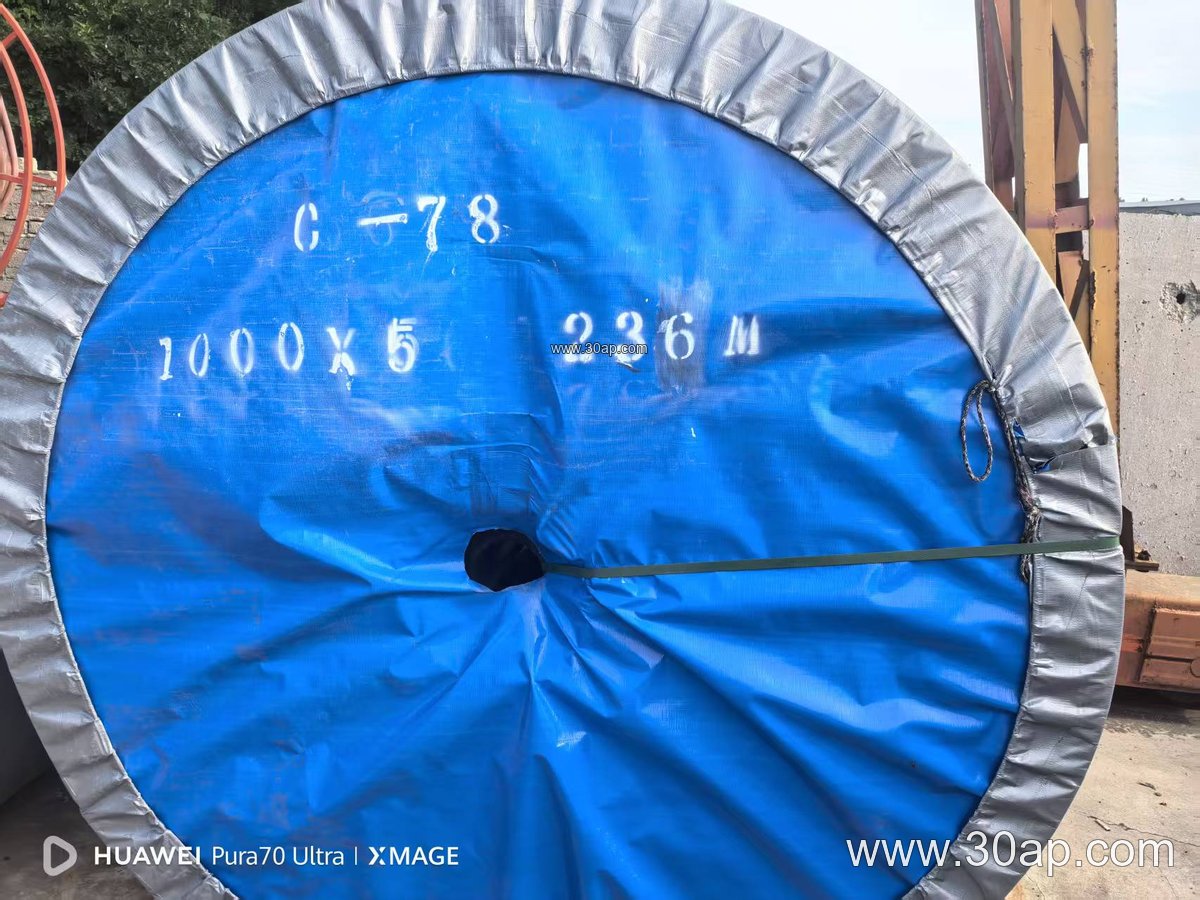
Values below are typical reference ranges, not fixed universal specifications. Actual figures are confirmed by the manufacturer against the design of the conveyor. Belt width should be matched to the loading conditions and the conveyor pulley and idler roller arrangement, not chosen from a single table.
| Item | Common Reference |
|---|---|
| Belt width | B500, B650, B800, B1000, B1200, B1400, B1600, B1800, B2000 |
| Fabric strength grades | EP200, EP315, EP400, EP500, EP630, EP800, EP1000, EP1250 |
| Cover thickness (top + bottom) | 3+1.5, 4+2, 5+2, 6+2, 8+3 mm |
| Carcass plies | 2 to 6 layers, by design |
| Steel cord grades (where used) | ST1000 to ST3150, by design |
For example, a coal mining conveyor belt on a main haulage may use an EP1000 or EP1250 carcass at 1200 mm or 1400 mm width, while a shorter transfer belt in a cement plant may be satisfied with EP400 at 800 mm. Neither combination is mandatory; both are starting points for engineering review.
Where It Is Used
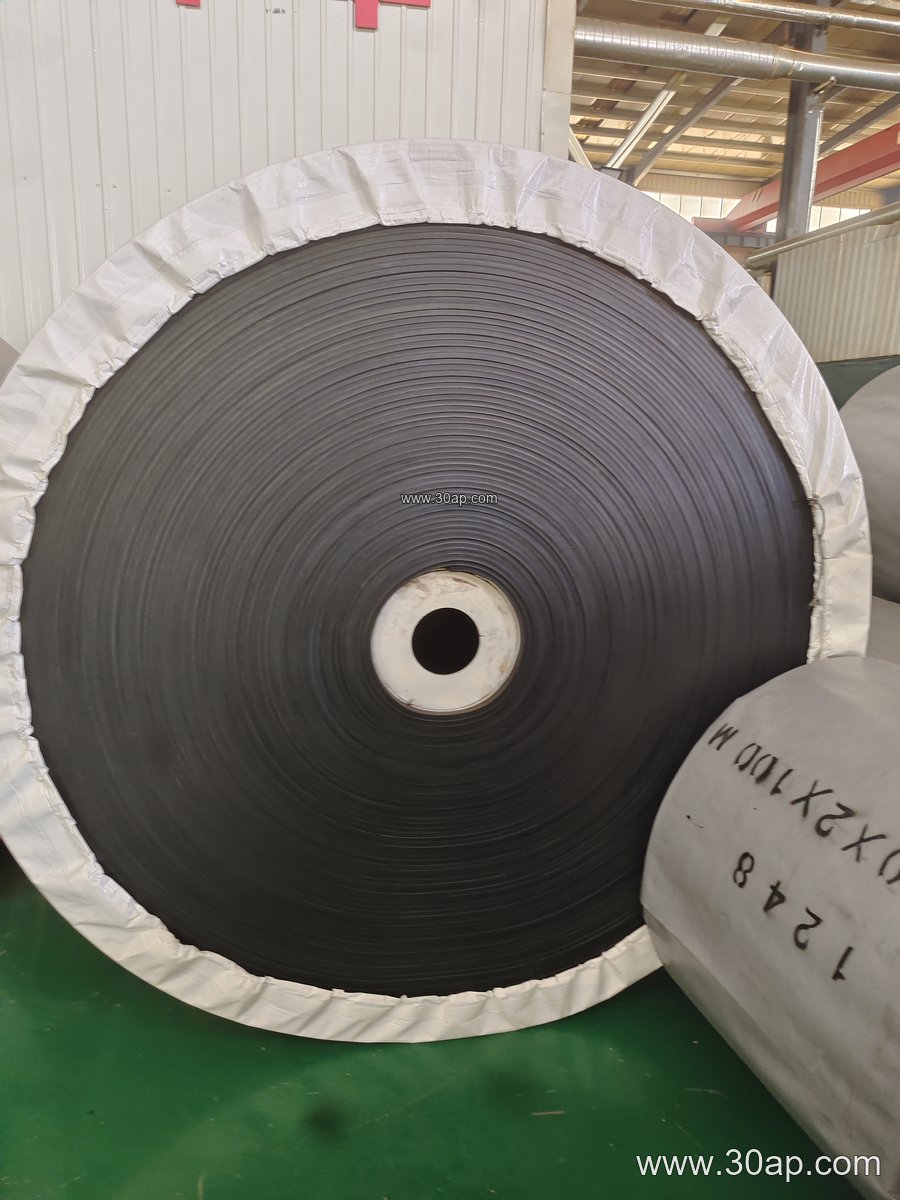
The most demanding application is the underground coal mining conveyor belt, where methane, coal dust, and limited escape routes make flame spread a serious hazard. Surface operations also use fire resistant belts: coal stockyard and ship loading conveyors at ports, crusher conveyor belts in quarries handling dusty stone, and bulk material conveyor belts in steel plants and power stations.
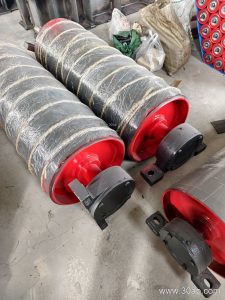
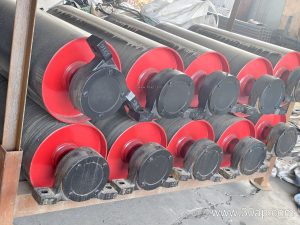
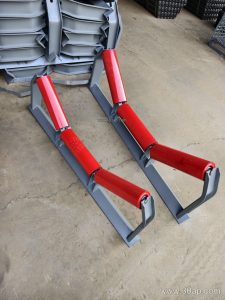
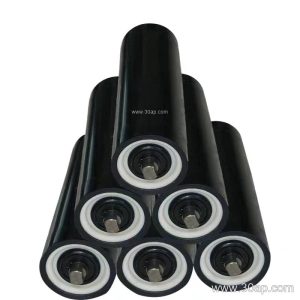
In a complete conveyor, the belt works with the conveyor pulley at the drive and tail, the idler roller sets that support the load, and the conveyor bracket that holds the idlers in alignment. A misaligned idler or a slipping drive pulley can generate frictional heat, so good maintenance supports the belt’s fire safety as much as the compound itself.
Buyer Checklist
- Confirm the actual hazard: flame spread, static, hot material, or oil. A single belt rarely covers all four, so specify the primary risk.
- State the carcass type and strength grade, belt width, and cover thickness in the inquiry.
- Ask how the flame retardant property is verified and what test method the supplier uses.
- Check edge quality and splice compatibility; a weak splice can undo a good belt.
- Consider the full system, including pulley lagging, idler roller condition, and dust control.
For a mine or plant upgrading its safety profile, a fire resistant conveyor belt is one component of a broader plan. Pairing it with proper belt tracking, clean idlers, and orderly electrical installations is what actually reduces ignition risk.