What the Ø108 Mining Idler Is
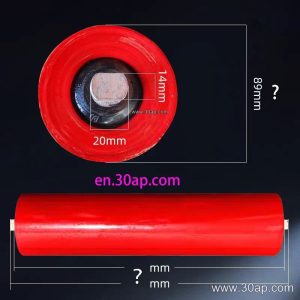
The Ø108 mining idler is a 108 mm diameter conveyor roller built for the carrying and return runs of bulk handling conveyors. The figure 108 refers to the outside diameter of the roller shell, a size that sits comfortably in the middle of the common idler range and suits medium to heavy belt systems. In a quarry, a coal preparation plant, or a cement clinker line, these rollers support the conveyor belt, keep it tracking, and reduce friction so the drive can move material efficiently. You will also see this roller described as a 108 mm conveyor idler or a 108 mm belt idler; these are equivalent names for the same component, not different products.
The size is often chosen where belt widths around 800 mm to 1400 mm are in service, though the correct roller length depends on belt width, trough angle, and the number of rollers in the station. A Ø108 idler is not a pulley and should never be confused with a drive pulley, tail pulley, or bend pulley, which transmit motion rather than support the belt.
Construction and Key Details
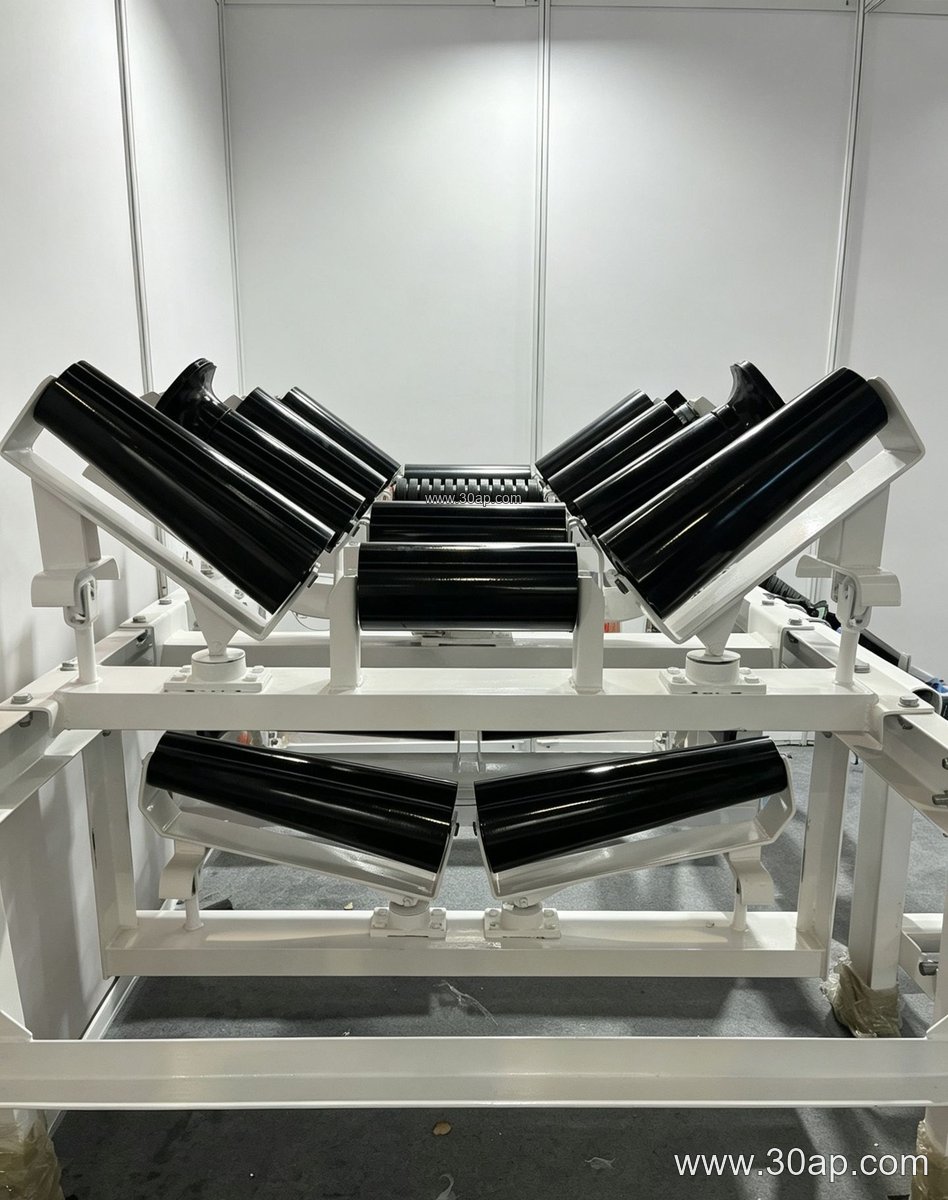
A typical Ø108 mining idler is assembled from a steel tube shell, a shaft, bearing housings, and a sealing arrangement. The shell may be plain steel, nylon-coated, ceramic-covered, or fitted with rubber rings for impact absorption. Bearings are usually selected from common sizes such as 6205, 6305, or 6306, and the actual choice depends on load, speed, and service life targets rather than on diameter alone.
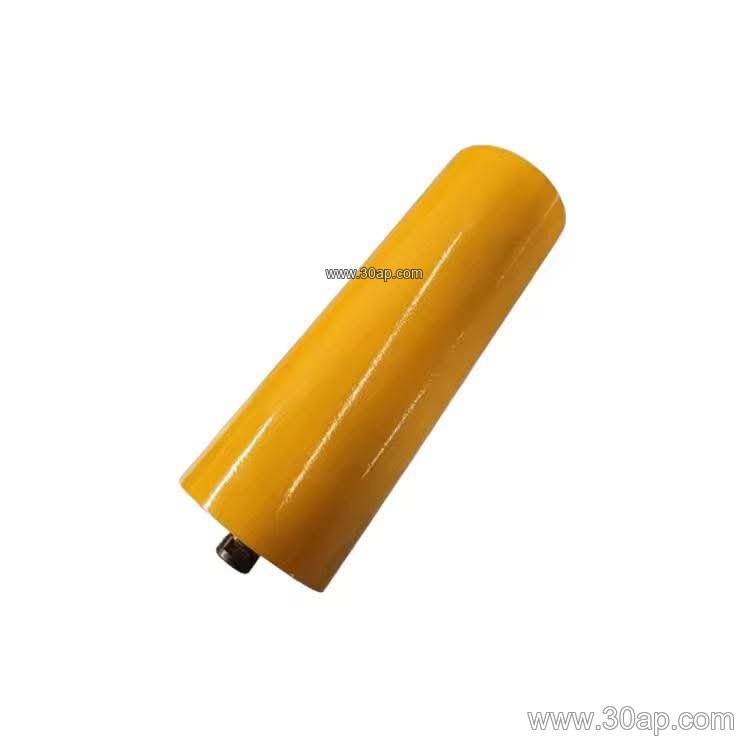
- Shell outside diameter: 108 mm
- Common belt widths served: B800, B1000, B1200, B1400
- Common trough angles: 20, 30, 35, and 45 degrees
- Roller groups: single, two-roll, and three-roll troughing sets
- Bearing options: 6205, 6305, 6306, 6308 as design requires
Sealing matters as much as shell thickness in dusty work. Labyrinth seals and contact seals are used to keep fines away from the bearing cavity. In a coal handling plant or a limestone crushing circuit, that protection extends service life considerably. For high-abrasion service, a rubber-covered or ceramic-faced roller can be paired with an abrasion resistant conveyor belt to protect both components.
Where It Fits on the Conveyor
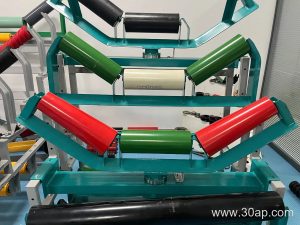
Troughing idlers with three rolls are the most common arrangement on the carrying side. The Ø108 roller is often used as the side roll or center roll in a three-roll set, and the roll length varies with belt width and trough angle. For example, a three-roll troughing set on a B1000 belt commonly uses rolls of about 380 mm, while a B1200 belt may use roughly 465 mm rolls. These are typical references, not fixed matches, and center and side rolls can differ.
On the return run, a flat return idler or a V-return idler keeps the belt supported. In a port terminal or a power plant coal yard, return idlers are exposed to the same dust and moisture as the carrying side, so sealing quality is important there too. Transition idlers between the pulley and the first full trough station help prevent belt stress, and the Ø108 size can serve in that zone as well.
Impact and Tracking Zones
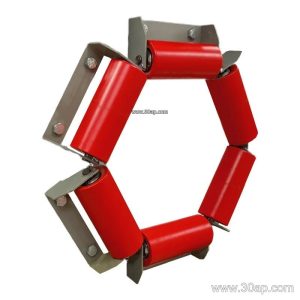
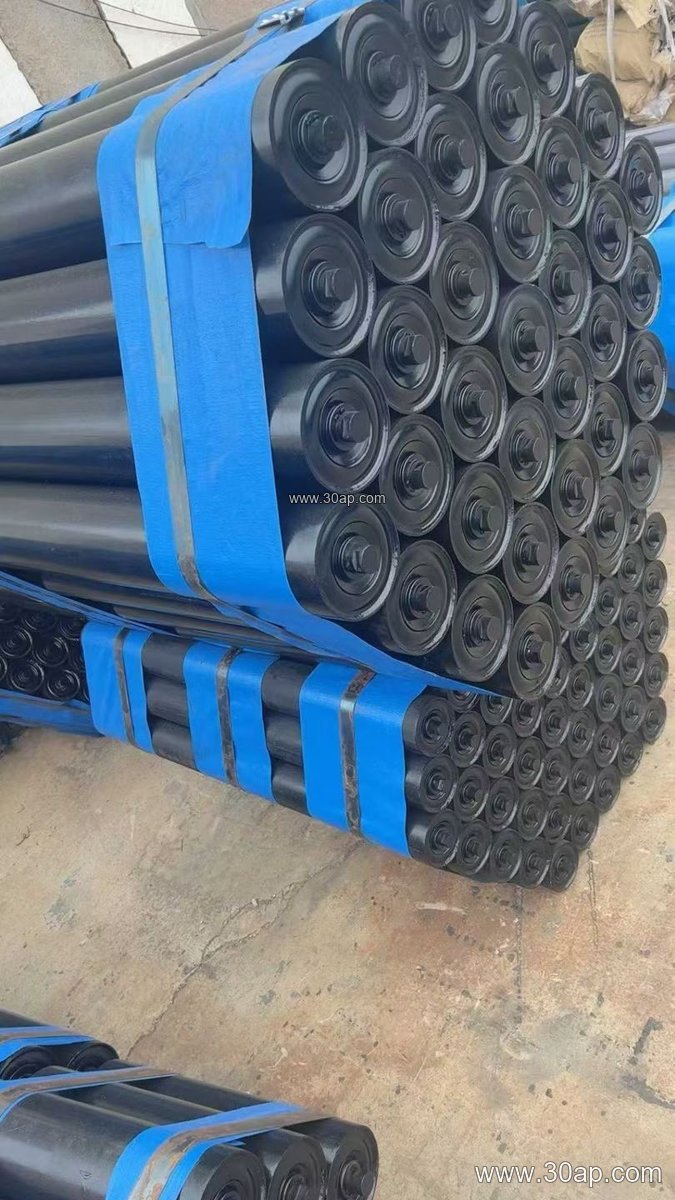
At a crusher discharge or a transfer chute, impact idlers with rubber rings cushion falling rock. Self-aligning idlers, including friction and tapered types, are used where the belt tends to wander. These are related but distinct roller types; they complement the Ø108 mining idler rather than replace it.
Buyer Checklist
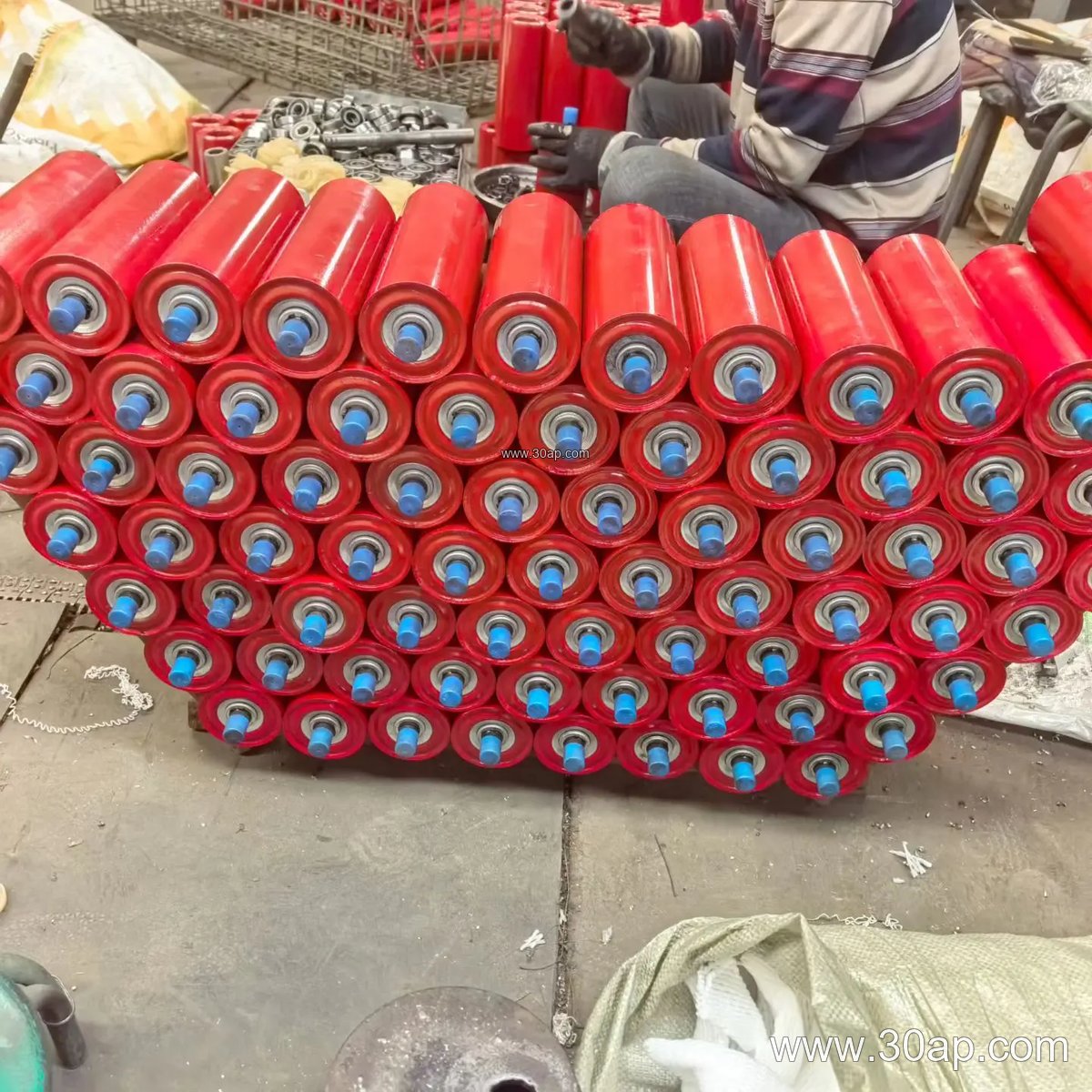
Before ordering, confirm the belt width, the trough angle, the roller group configuration, and the required roll length. Check the shaft end design so that the roller fits the existing conveyor bracket without modification. Ask for the bearing size and seal type, since two rollers of the same diameter can differ greatly in bearing class and sealing quality.
- Belt width and speed
- Trough angle and number of rolls
- Roll length and shaft ends
- Bearing designation and seal design
- Shell material and surface form
- Operating environment: dust, moisture, temperature
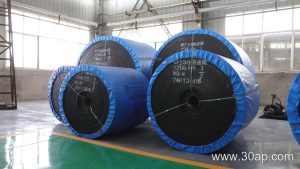
Match the roller to the belt it supports. A heavy-duty mining conveyor belt, a heat resistant conveyor belt near a kiln, or an oil resistant conveyor belt in a workshop all place different demands on idlers. The Ø108 mining idler is a versatile size, but it should be specified against actual load and environment rather than copied from another line.
Maintenance Notes
Inspect rollers for seized bearings, shell wear, and buildup. A roller that stops turning will flat-spot the belt and increase drive load. Keep spare units on hand for critical transfer points in a quarry, a steel plant, or an aggregate line. Regular alignment checks on the conveyor bracket and frame also help the rollers perform as intended.