What a Q355 Conveyor Bracket Does on a Conveyor Line
A Q355 conveyor bracket is the steel support that positions and holds the idler roller sets under a conveyor belt. It carries the weight of the belt and the material on it, keeps the idlers at the right angle, and ties the whole assembly to the conveyor frame. Because Q355 is a low-alloy, high-strength structural steel with good weldability, the bracket can handle the shock loads common in stone crushing plants and the steady loads found in a cement plant clinker line without becoming excessively heavy.
In practice, the bracket is often called a conveyor idler bracket or idler support frame. It is a structural part, not a moving part, but its geometry directly affects belt tracking, belt life, and how quickly maintenance can be done.
How the Bracket Is Built
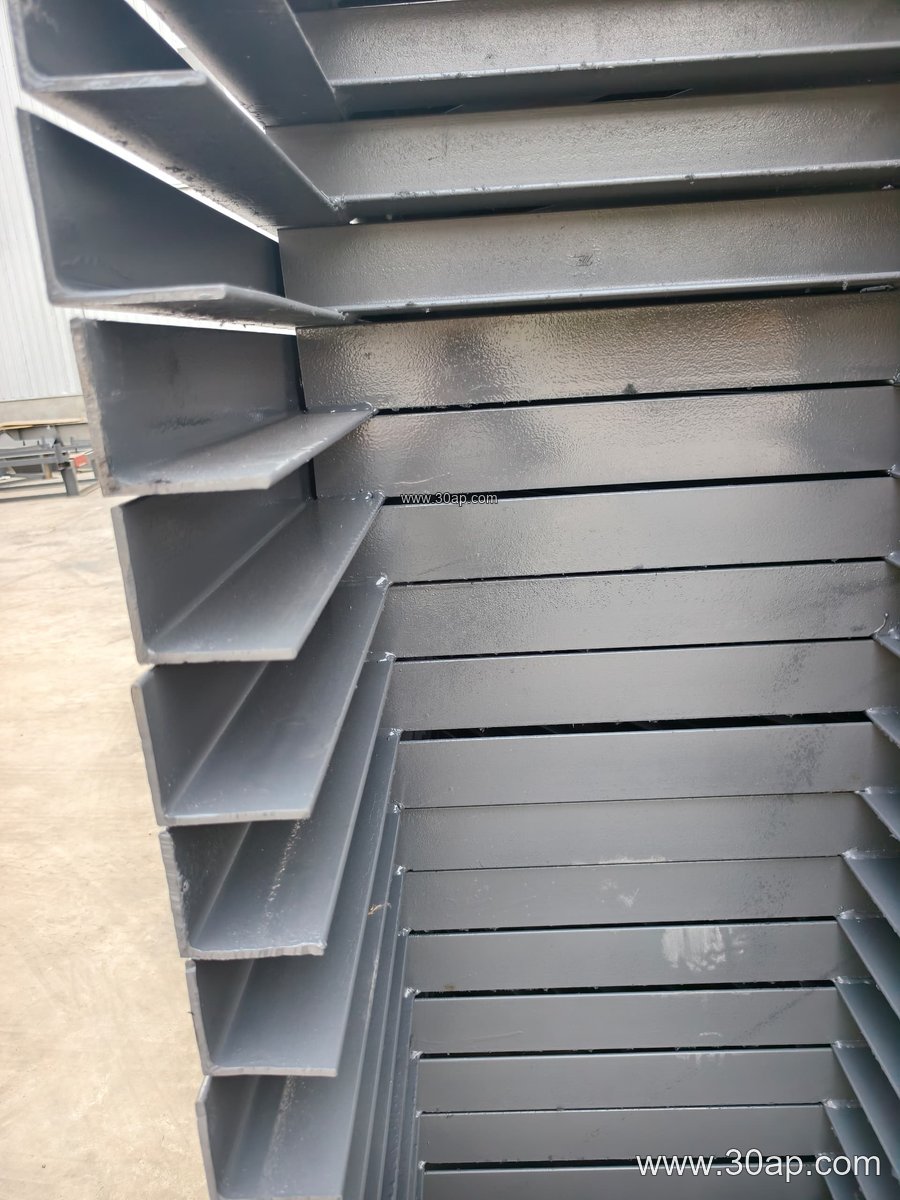
Most Q355 conveyor brackets are fabricated from angle steel, channel steel, or bent steel plate. The fabrication route usually involves cutting, drilling the idler mounting holes, bending, and welding. A well-made bracket keeps the mounting slots aligned so the idler roller sits square to the belt centerline. On troughing brackets, the side wings are set at a fixed or adjustable angle to form the trough profile.
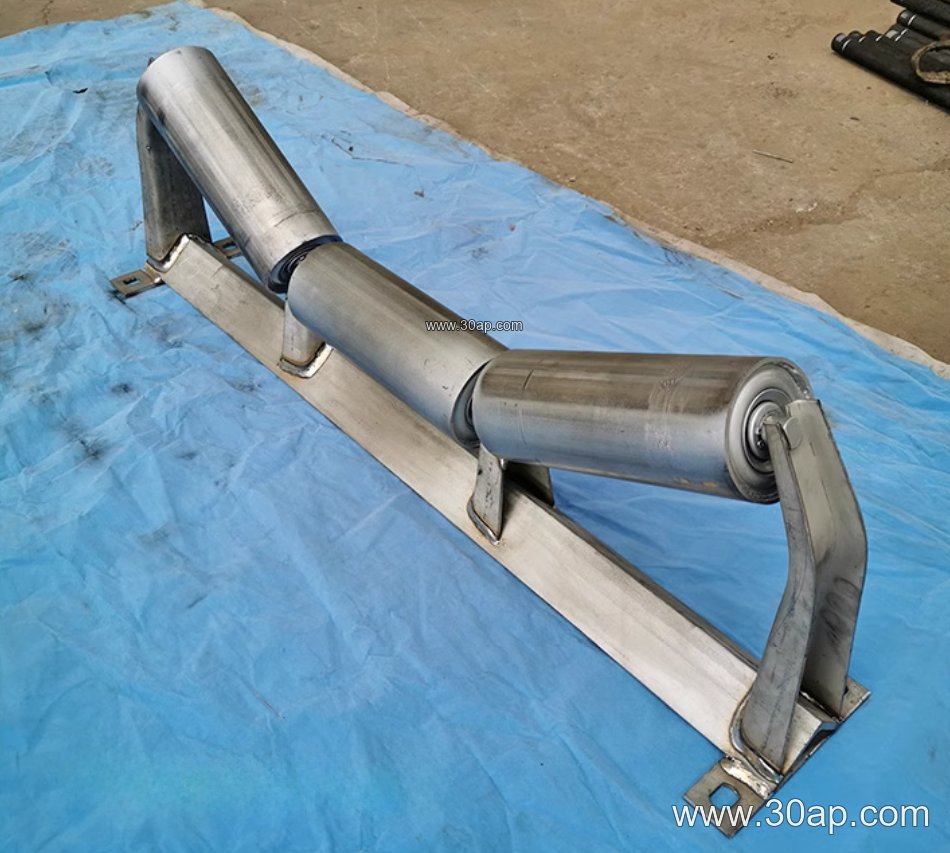
- Troughing bracket: supports three idlers in a trough shape on the carrying side.
- Return bracket: supports the belt on the return run, including flat and V-return forms.
- Transition bracket: eases the belt from flat to troughed at the tail or head area.
- Impact bracket: sits under the loading point and is usually built heavier to absorb drop energy.
- Self-aligning bracket: works with training idlers to correct belt drift.
- Adjustable bracket: allows the trough angle to be changed on site, often between 20, 30, 35, and 45 degrees.
For a belt running at about 1.5 to 2 degrees of forward tilt, the bracket must hold the idler in the correct lead position without twisting under load. Weld quality and hole placement matter more than paint finish.
Where It Fits in the Belt System
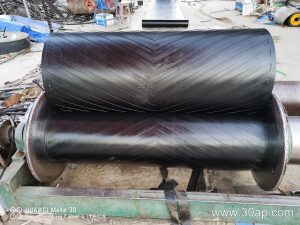
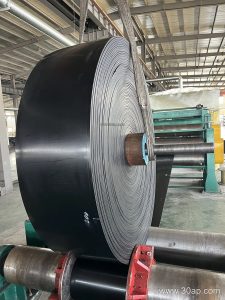
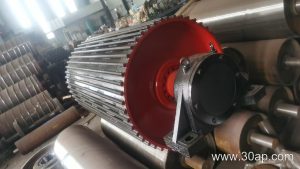
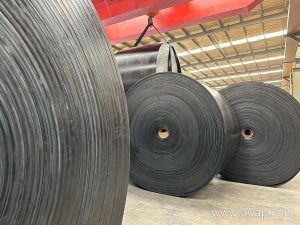
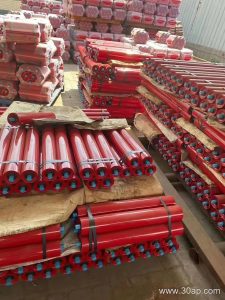
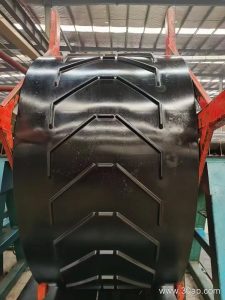
The bracket works together with the conveyor belt, idler roller, and conveyor pulley. The belt carries the material, the idlers roll under it, and the pulleys drive and return it. The bracket is the link between the idlers and the frame. In a coal mining conveyor line, for example, a heavy-duty mining conveyor belt may run on B1200 or B1400 frames, and the Q355 brackets must match the frame width, idler diameter, and trough angle used in that section.
Typical places where these brackets are specified include:
- Quarry and aggregate conveyor lines handling crushed rock.
- Coal preparation plants and power plant coal handling systems.
- Cement plants moving limestone, clinker, and additives.
- Iron ore and copper ore transfer conveyors.
- Port ship loading and bulk material stockyard conveyors.
On a long overland conveyor, the bracket spacing and the idler diameter are set by the belt load and sag limits, not by a single rule. A B800 belt and a B1800 belt will use different bracket lengths and hole spacing even when the trough angle is the same.
Common Reference Dimensions
The values below are common reference points, not fixed combinations. Final dimensions are confirmed by design for each conveyor.
| Item | Common reference values |
|---|---|
| Belt width | B500, B650, B800, B1000, B1200, B1400, B1600, B1800, B2000, B2200 |
| Trough angle | 20, 30, 35, 45 degrees; adjustable brackets cover a range |
| Idler diameter | Ø89, Ø108, Ø133, Ø159, Ø194 |
| Material | Q355 angle, channel, or bent plate |
| Typical example | B800, 35 degrees, Ø108; or B1200, 45 degrees, Ø133 |
Mounting hole spacing and crossbeam length change with belt width and trough angle. Do not assume that a bracket for one belt width will fit another without checking the drawing. For very abrasive duties, such as a high abrasion resistant conveyor belt carrying sinter or coke, the bracket and idler frame should be checked for dust build-up and vibration.
What Buyers Should Check Before Ordering
Start with the conveyor drawing and confirm the belt width, idler diameter, trough angle, and frame hole pattern. Ask whether the bracket is fixed or adjustable, and whether it is for the carrying side or the return side. For a coal mining conveyor belt or an underground mining conveyor belt installation, check that the steel grade and coating suit the wet or dusty environment. For a heat resistant conveyor belt application near a kiln or sinter cooler, confirm the bracket is far enough from the heat source.
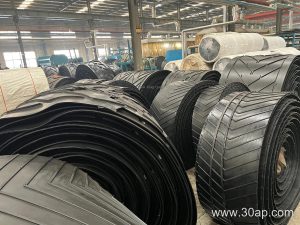
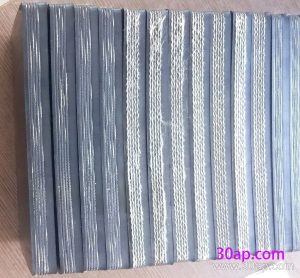
Also consider the related parts in the same order: idler roller quantity, conveyor pulley size, and belt type. A fabric core conveyor belt such as an EP conveyor belt or NN conveyor belt may need different idler spacing than a steel cord conveyor belt. Buyers ordering for a crusher conveyor belt or a bulk material conveyor belt should give the supplier a sketch showing bracket orientation, since a reversed bracket can cause belt edge wear.
Finally, inspect welds, hole alignment, and the flatness of the mounting faces on delivery. A small twist in a Q355 conveyor bracket can show up as belt misalignment weeks later. Keep spare brackets for the loading zone, where impact damage is most likely.