What a Welded Pulley Is and How It Is Built
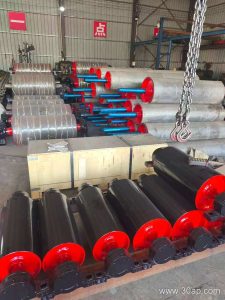
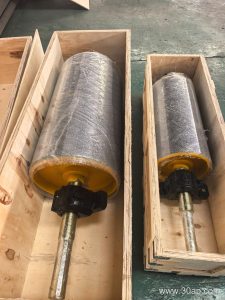
A welded pulley is a conveyor pulley whose shell, end discs, and hub assemblies are joined by welding rather than by casting or bolting. In a typical construction, the cylindrical shell is rolled from steel plate, the end discs are fitted and welded to both the shell and the hub, and the shaft is keyed or shrink-fitted into the hub. This fabrication route allows a wide range of diameters and face widths without dedicated casting patterns, which is why welded pulleys appear in quarry, cement, and bulk handling conveyors where lead times and repairability matter. The same product is also called a fabricated pulley or weld-constructed conveyor pulley; these names describe the same welded assembly and are not separate pulley types.
Because the shell is a weldment, the quality of the circumferential and longitudinal seams, the alignment of the end discs, and the balance of the finished unit all affect service life. A well-built welded pulley runs true, keeps the conveyor belt centered, and accepts lagging without high spots. Buyers should ask for weld inspection records and dynamic balance reports where high belt speeds are involved.
Where Welded Pulleys Fit in a Conveyor
Welded pulleys are used at head, tail, tension, and snub positions. At the head or drive position, the pulley transmits torque to the belt; at the tail, it redirects the returning belt; at a tension or snub location, it maintains wrap and belt path. These positions are not interchangeable, and a welded pulley specified for a tail position should not be repurposed as a drive pulley without checking torque capacity and shaft loading. In a coal mining conveyor or a cement plant clinker line, the drive pulley often carries the highest load, while bend and snub pulleys see lower torque but still need adequate shell thickness and lagging.
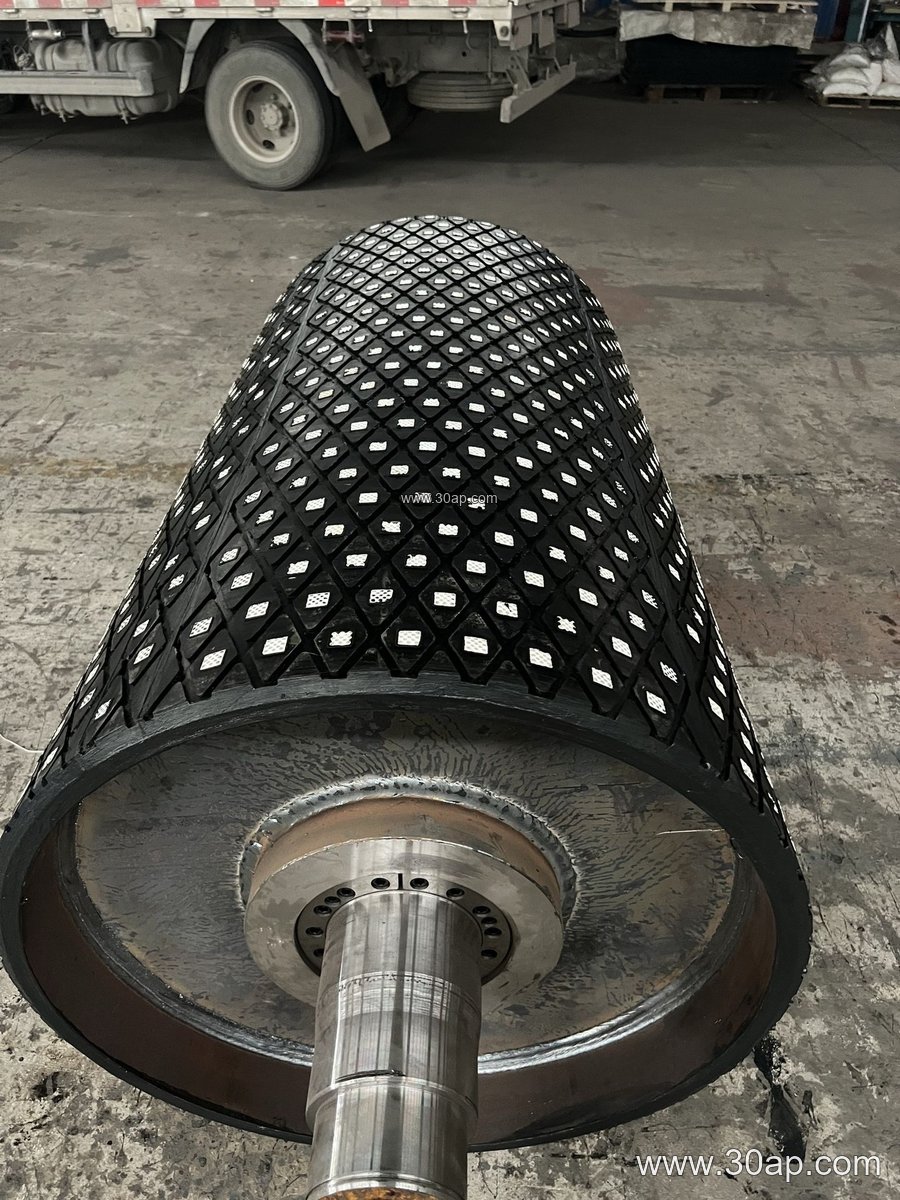
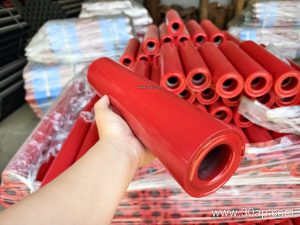
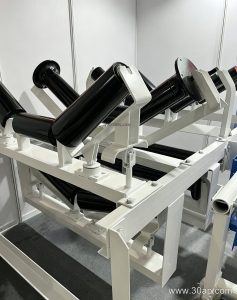
Welded pulleys work alongside conveyor idlers, conveyor brackets, and the conveyor belt itself. A misaligned welded pulley can cause edge wear on an EP conveyor belt or a steel cord conveyor belt, so installation tolerances matter as much as the pulley’s own runout. In mining and quarry circuits, dust and fines also demand good sealing at the hub.
Common Sizes and Surface Options
Welded pulleys are usually specified by belt width, pulley diameter, face width, shaft diameter, and lagging. Face width is normally greater than belt width; for example, a B800 belt commonly runs on a pulley with roughly 950 mm face width, and a B1200 belt on about 1400 mm face. Diameter and shaft size are determined by torque, belt tension, and bearing load, not by belt width alone. The table below shows representative combinations; these are reference examples, not fixed rules.
| Belt width | Typical pulley diameter | Typical face width | Common shaft diameter range |
|---|---|---|---|
| B500 | Ø250–Ø400 | ≈600 mm | Ø50–Ø80 |
| B650 | Ø315–Ø500 | ≈750 mm | Ø60–Ø100 |
| B800 | Ø400–Ø630 | ≈950 mm | Ø70–Ø120 |
| B1000 | Ø500–Ø800 | ≈1150 mm | Ø80–Ø140 |
| B1200 | Ø630–Ø1000 | ≈1400 mm | Ø90–Ø160 |
| B1400 | Ø800–Ø1250 | ≈1600 mm | Ø100–Ø180 |
| B1600 | Ø1000–Ø1400 | ≈1800 mm | Ø120–Ø200 |
| B1800 | Ø1250–Ø1600 | ≈2000 mm | Ø140–Ø200 |
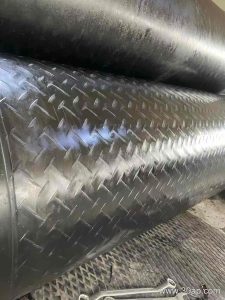
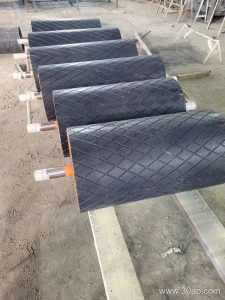
Surface options include plain, hot-vulcanized rubber, cold-bonded rubber, diamond lagging, herringbone lagging, and ceramic lagging, with lagging thickness commonly 8, 10, 12, 15, or 20 mm. A drive pulley handling wet, abrasive ore may use ceramic or diamond lagging for grip, while a tail pulley on a clean aggregate line may stay plain. Lagging choice should match the belt cover and the material being conveyed; an abrasion resistant conveyor belt and a ceramic-lagged pulley can work well together in a quarry, but the same pairing may be unnecessary on a light-duty line.
Buyer Checklist for Welded Pulleys
- Confirm the pulley’s position and duty: drive, tail, bend, or tension. Do not substitute one for another without a torque check.
- Provide belt width, belt type, and belt tension so the supplier can size the shell and shaft. A 1200mm wide conveyor belt does not by itself dictate a single shaft diameter.
- State the lagging type and thickness, and whether the pulley will run in wet, dusty, or high-temperature conditions.
- Ask for face width, diameter, bearing centers, and keyway details in the drawing, plus weld and balance documentation where required.
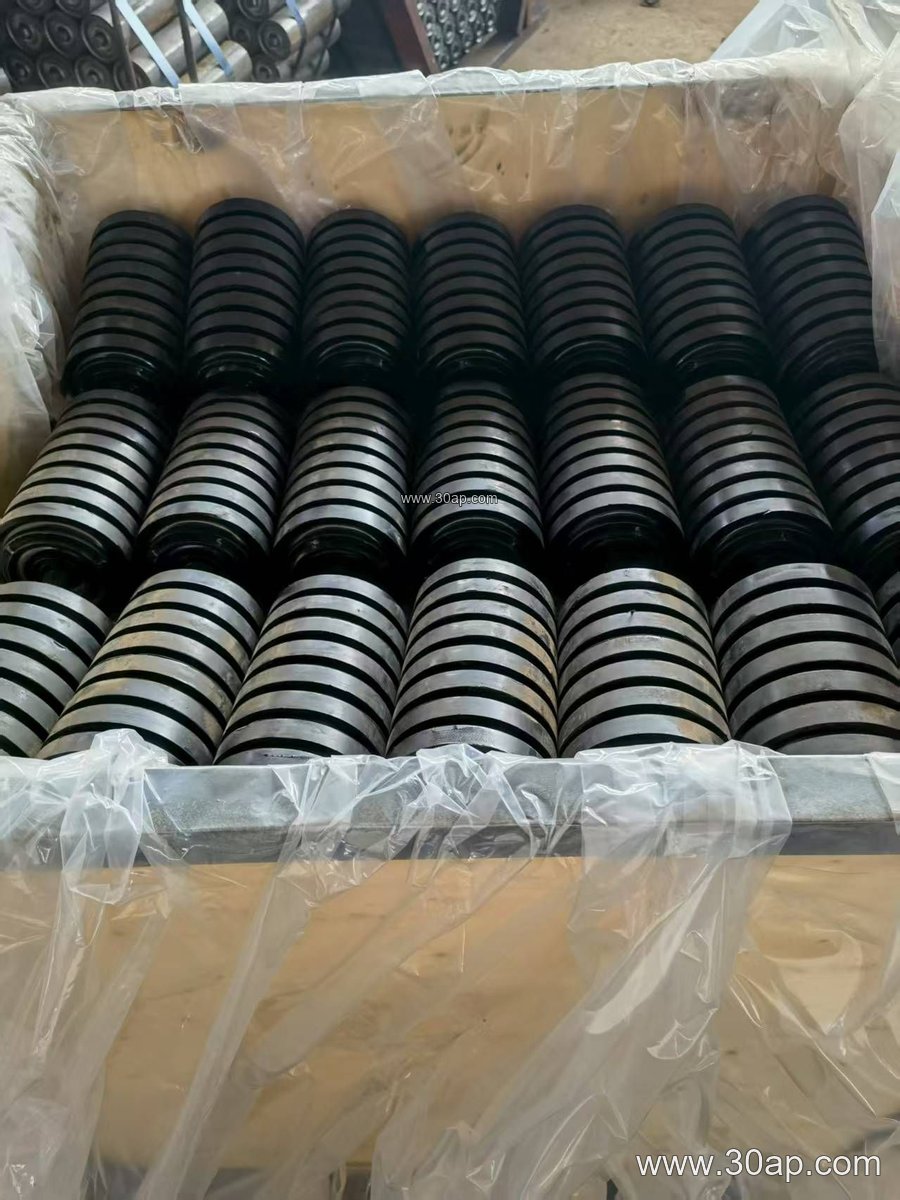
- Check compatibility with conveyor brackets and idler roller frames so the pulley fits the existing structure.
Welded pulleys are a practical choice for many bulk conveyors because they can be built to order, repaired, and re-lagged. Matching the pulley to the belt, the load, and the environment is what keeps a conveyor running smoothly in a sand and gravel plant, a power plant coal yard, or an underground mine.