What an Endless Conveyor Belt Is
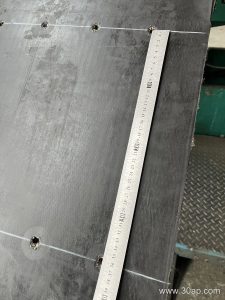
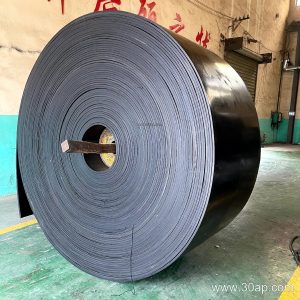
An Endless Conveyor Belt is a belt that has been joined into a continuous loop before it is installed on the conveyor. Instead of being threaded through the frame and connected on site with mechanical fasteners, the belt arrives as a closed ring. This construction gives the belt a smooth, fastener-free surface that runs over the drive pulley, tail pulley and bend pulleys without interruption. In plants where spillage, dust or fine material is a concern, the absence of a joint can reduce catching points and help the belt track more evenly.
The endless form is common for relatively short conveyors where the belt can be handled as a complete ring. Longer systems, especially in mining and bulk terminals, often use a Steel Cord Conveyor Belt or a heavy Fabric Core Conveyor Belt that is spliced on site. The choice depends on the conveyor layout, the belt length and how the belt will be transported to the installation point.
How the Loop Is Built
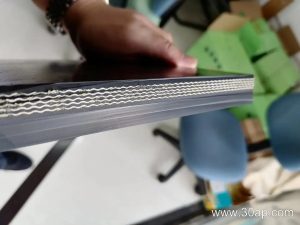
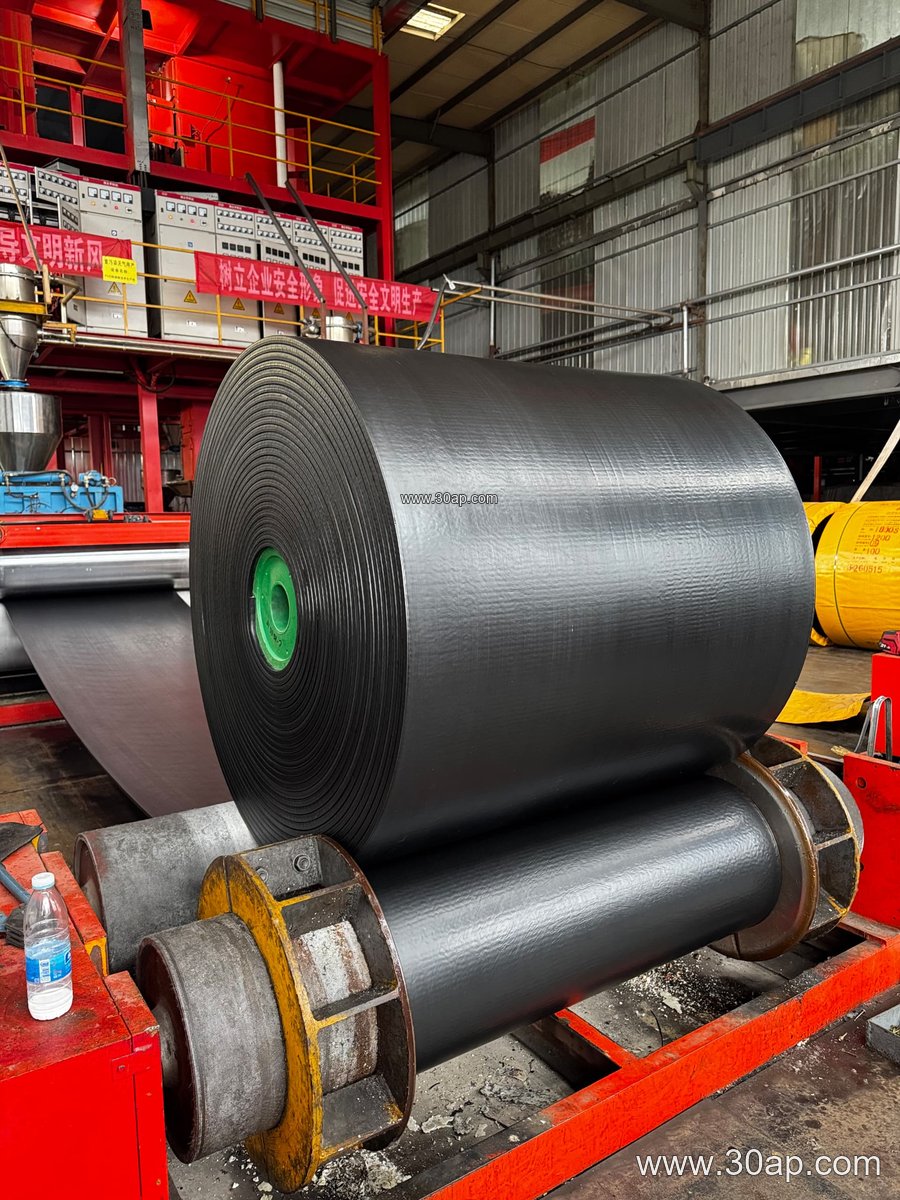
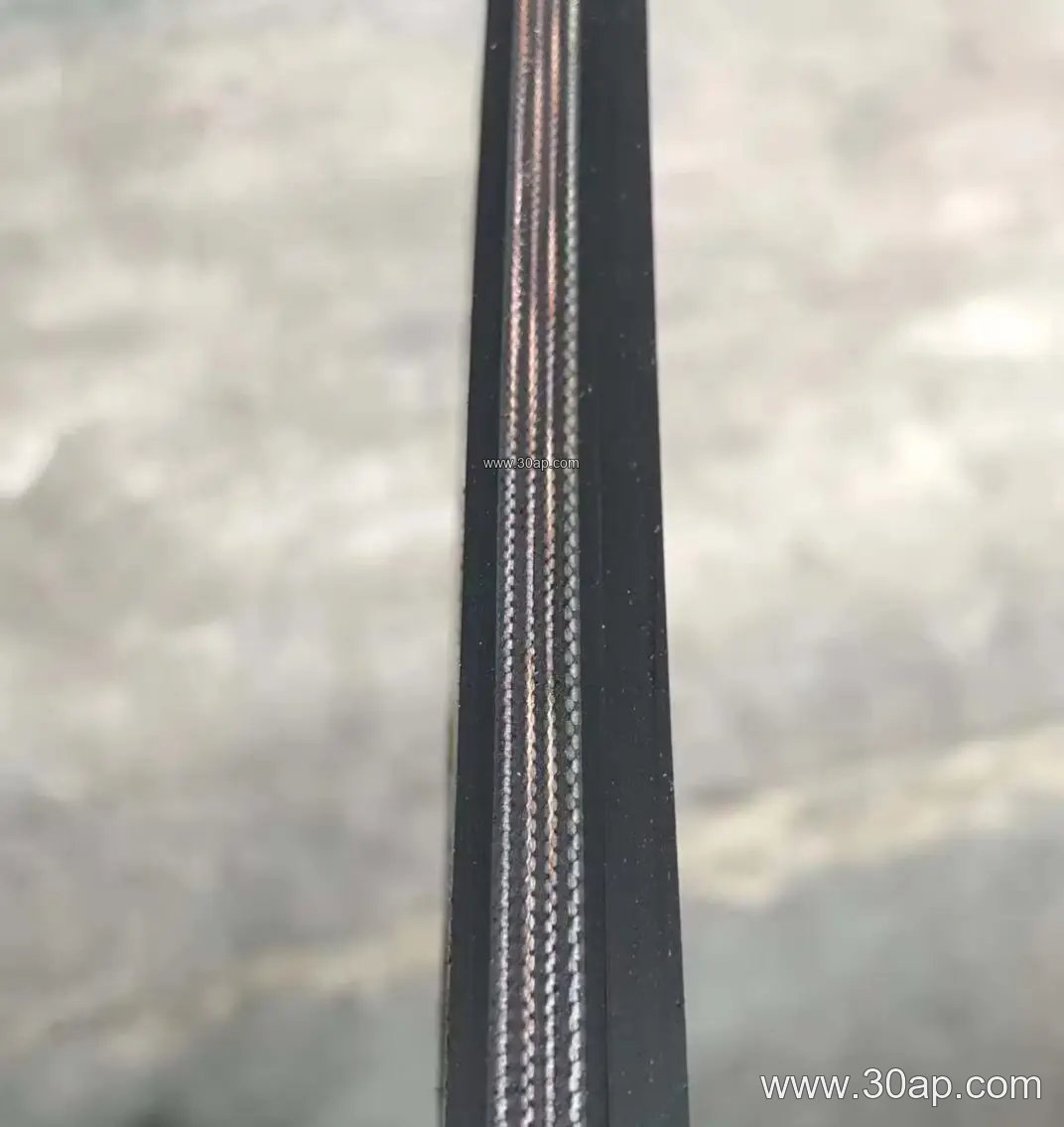
An endless belt is made by joining the ends of a length of belt during manufacture. For textile carcass belts, such as an EP Conveyor Belt or an NN Conveyor Belt, the plies are stepped and bonded, then the joint is pressed and cured. The result is a belt whose top and bottom covers, carcass and edge are continuous. For rubber belts, the cover grade can be matched to the duty: an Abrasion Resistant Conveyor Belt for stone and aggregate, a Heat Resistant Conveyor Belt near clinker or sinter, or a Flame Retardant Conveyor Belt in coal handling.
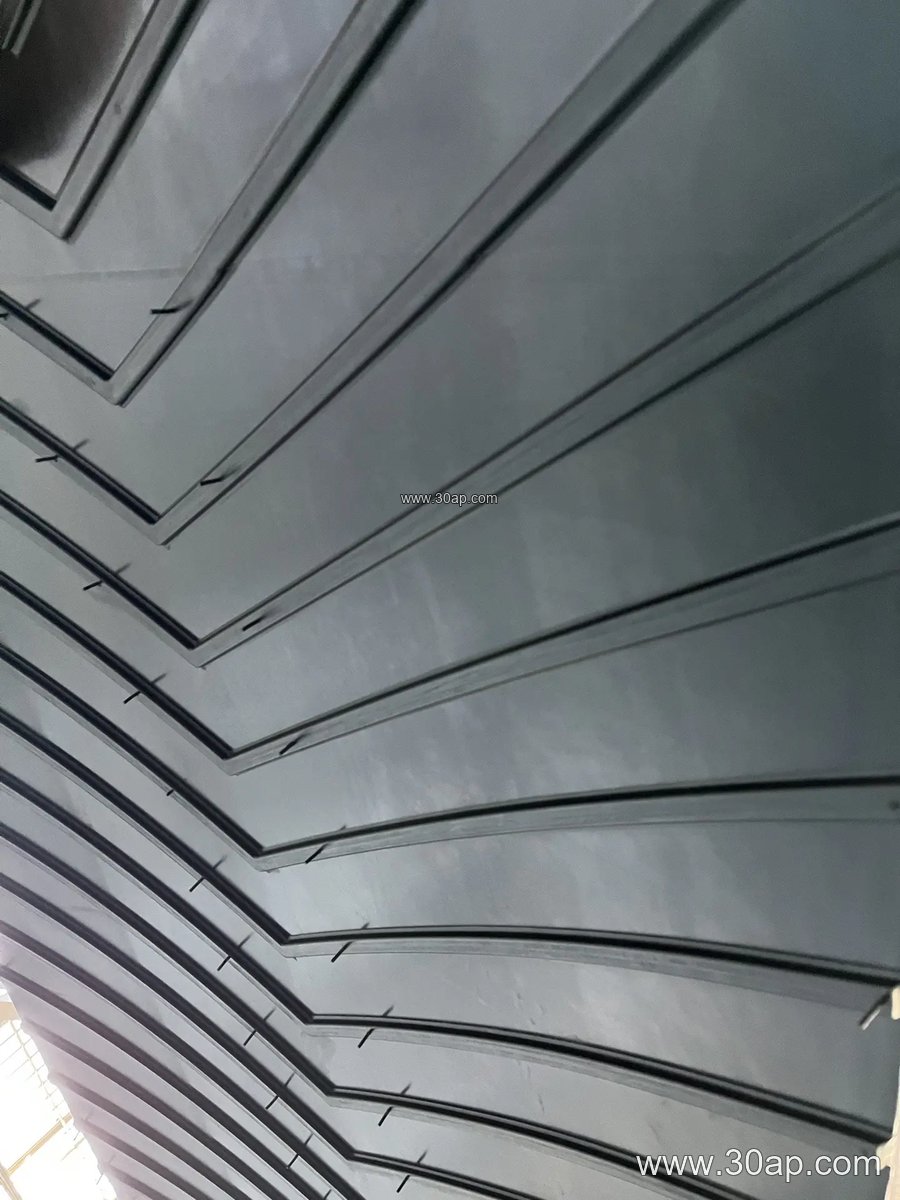
The loop must match the pulley centers and take-up travel of the conveyor. A belt that is too short cannot be loaded onto the pulleys; one that is too long may not tension correctly. The drive pulley, tail pulley and bend pulleys are separate components with their own diameters and shaft sizes, and none of them should be treated as a substitute for another. Correct crown, alignment and pulley condition all affect how a closed loop runs.
Where the Closed Loop Fits Best
- Sand and gravel plants feeding screens and crushers
- Concrete batching and cement plant transfer points
- Power plant coal handling and ash systems
- Mining and quarry lines with short to medium center distances
- Food and light industrial lines using a Food Grade Conveyor Belt
In these settings, an endless ring can be an advantage where the belt must be cleaned frequently or where the material is fine and prone to working into a mechanical splice. A Chevron Conveyor Belt or a Corrugated Sidewall Conveyor Belt may also be supplied endless when the application calls for cleats or sidewalls, but those are different belt designs and should be specified separately. A smooth endless belt remains the standard form for flat carrying runs.
Specifications a Buyer Should Check
An endless belt is not defined by one fixed size. Belt width, carcass strength, number of plies and cover thickness are all selected for the conveyor. The table below shows typical reference values; actual supply should be confirmed against the conveyor design.
| Parameter | Common reference values |
|---|---|
| Belt width | B500, B650, B800, B1000, B1200, B1400, B1600, B1800 |
| EP carcass strength | EP200, EP315, EP400, EP500, EP630, EP800, EP1000, EP1250 |
| NN carcass strength | NN100, NN200, NN300, NN400 |
| Cover thickness | 3+1.5, 4+2, 5+2, 6+2, 8+3 mm |
| Ply count | 2 to 6 plies, depending on strength |
For a heavy stone line, an EP1000 or EP1250 belt at 1000 mm or 1200 mm width may be considered, while a lighter sand plant might use EP400 or EP500 at 800 mm. These are examples, not fixed rules. A wide belt does not automatically dictate a particular pulley diameter, and shaft size must be calculated from the conveyor load and pulley design, not guessed from belt width.
Installation and Maintenance Notes
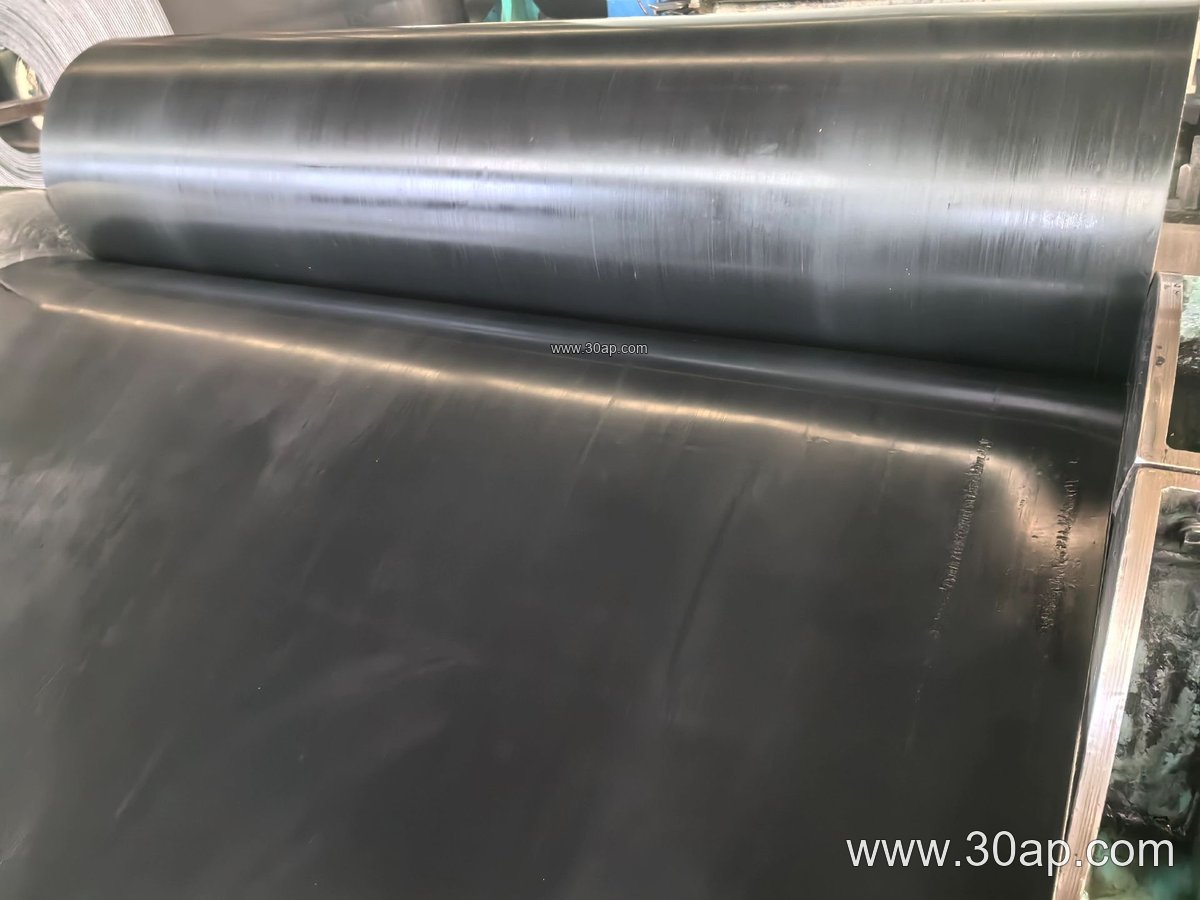
Because an endless belt cannot be shortened on site like a spliced belt, the measured belt length must be accurate. Check pulley diameters, take-up position and frame squareness before ordering. During installation, support the loop and slide it onto the pulleys without twisting it. Keep the idler roller frames and conveyor brackets aligned so the belt does not drift. Inspect the loop for edge wear, cover cracking and joint integrity at regular intervals, and adjust tension gradually rather than over-tightening.
For more information on endless belts and compatible conveyor components, visit the conveyor belt and conveyor pulley pages, or review related products such as the idler roller range and conveyor bracket options. A belt that matches the conveyor duty and is correctly installed will give more reliable service than one chosen by size alone.