What the Trough Idler Bracket Does on a Conveyor
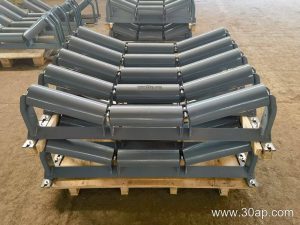
A trough idler bracket is the steel support that holds the three-roll (or five-roll) carrying idler set in a troughed profile under the conveyor belt. Also called a troughing idler bracket or carrying idler frame, it fixes the side rollers at a chosen trough angle so the belt forms a stable channel for bulk material. In a quarry, cement plant or power plant coal yard, this bracket is the interface between the idler roller and the conveyor structure, and it decides how evenly the load sits on the belt.
The bracket is not a wear part in the same sense as the roller shell, but it controls alignment, roll spacing and trough shape, so a loose or bent frame quickly shows up as belt edge wear, spillage and tracking problems.
Construction and Typical Materials
Most troughing frames are fabricated from angle steel, channel steel or folded steel plate, then drilled or punched for the idler shaft ends. A common carrying bracket has two side wings hinged or bolted to a centre section, which lets the trough angle be set during installation. Welded fixed frames are simpler and cheaper, while adjustable designs allow the same bracket to serve 20, 30, 35 or 45 degree troughing.
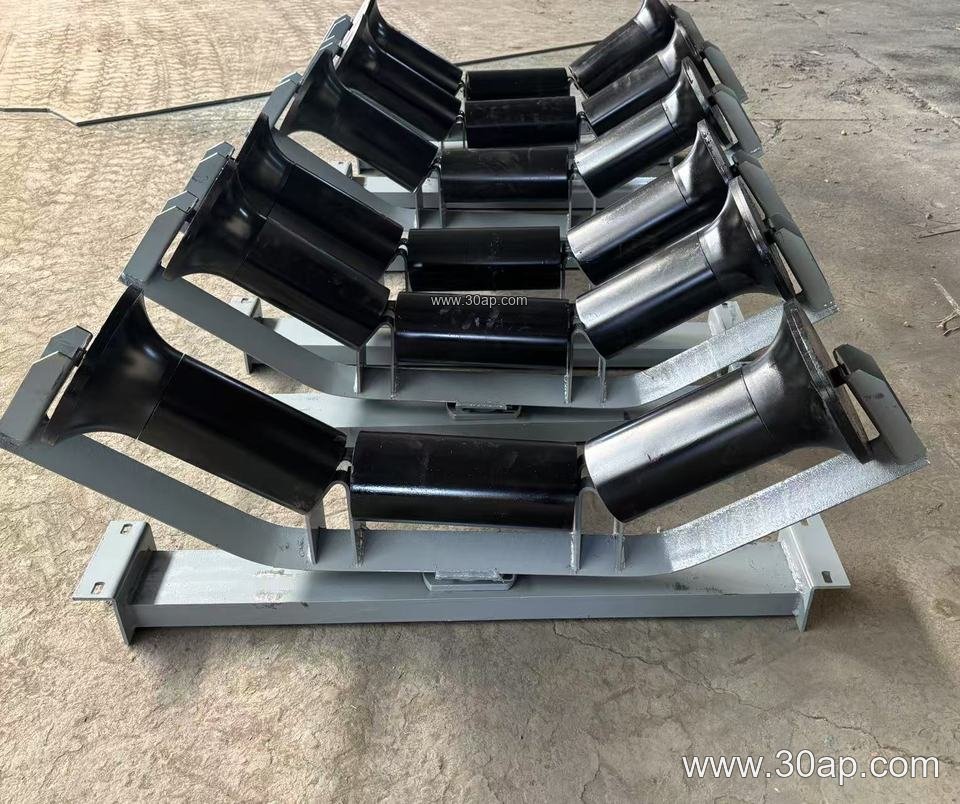
Surface treatment matters in wet or dusty service. Paint, galvanizing or powder coating are all used, and the choice usually follows the plant environment rather than a single standard. Bolt holes, slot positions and crossbeam length vary with belt width and trough angle, so these dimensions are normally confirmed against the conveyor drawing rather than assumed.
Where It Fits in the Conveyor Line
Carrying trough brackets sit on the load side, spaced along the conveyor stringer. They are common in stone crushing lines, limestone mines, iron ore handling, sinter plants and port bulk terminals, where a fabric core or steel cord conveyor belt carries abrasive material at speed. A typical arrangement might be B800, 35 degree, Ø108, or B1200, 45 degree, Ø133; these are common combinations, not fixed rules.
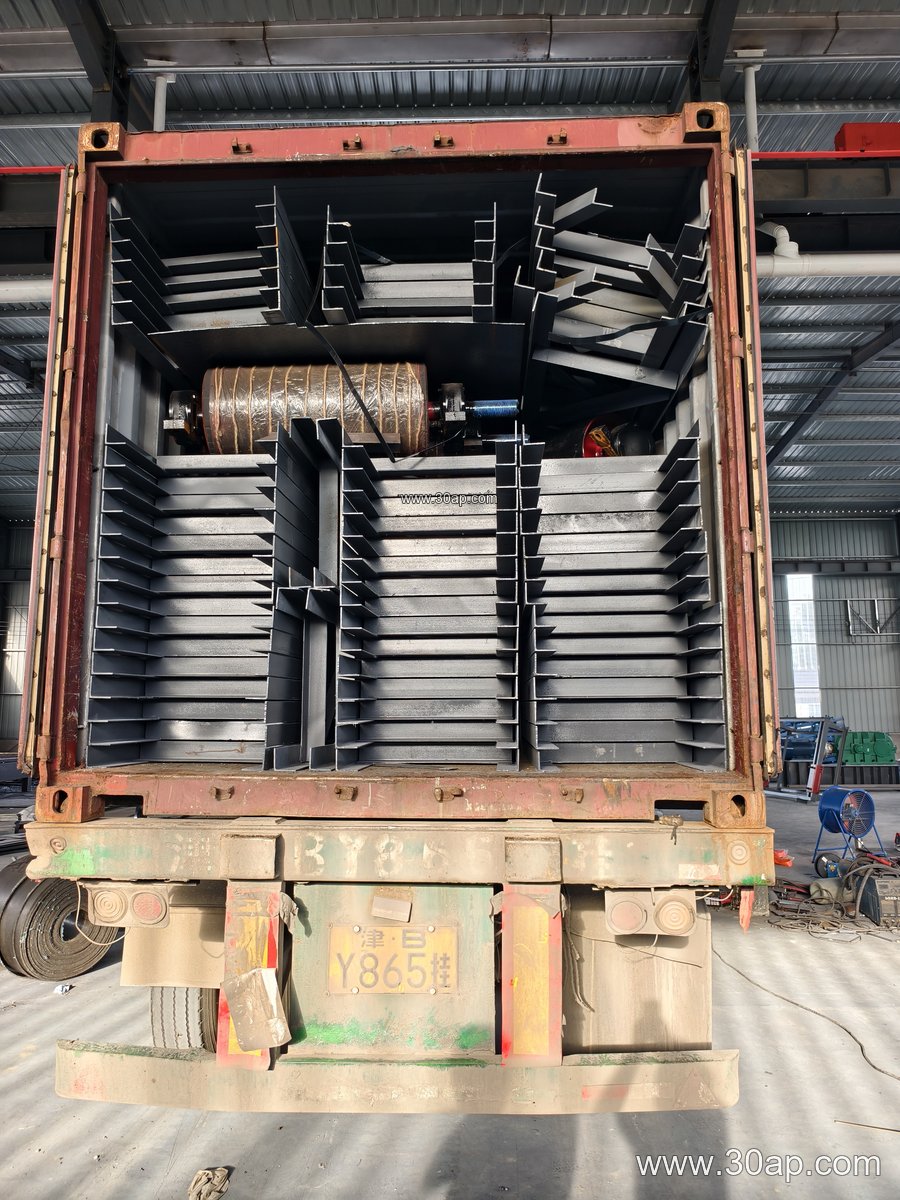
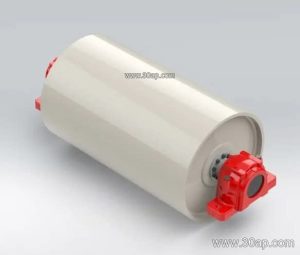
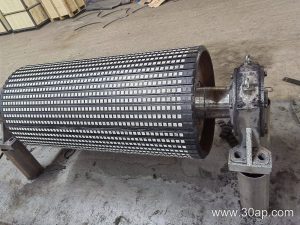
Related frames include transition brackets near the tail pulley, impact brackets under the loading chute, self-aligning brackets, and V-return or flat return brackets on the return strand. Each has a different job, so a troughing bracket should not be swapped for a return bracket or for a bend pulley support. The conveyor pulley at the drive, tail or bend position is a separate item with its own base frame.
Matching Bracket, Belt and Roller
Selection starts from belt width and the required trough angle, then moves to roller diameter and shaft size. Wider belts carrying heavy ore or rock usually need a stiffer frame and larger roll diameter, while a B650 aggregate line may run 30 degree troughing with Ø89 rollers. The table below lists reference values often seen in project specifications.
- Belt width: B500, B650, B800, B1000, B1200, B1400, B1600, B1800, B2000, B2200
- Trough angle: 20, 30, 35, 45 degrees (adjustable frames cover a range)
- Roller diameter: Ø89, Ø108, Ø133, Ø159, Ø194
- Forward tilt on some frames: about 1.5 to 2 degrees
Belt width does not lock the bracket to one trough angle or one roller size. A B1000 conveyor may use 35 degree or 45 degree troughing depending on material surcharge and capacity, and the roller diameter follows load and speed calculations. Matching a heavy-duty mining conveyor belt with an undersized frame is a common cause of premature roller failure.
Buyer Checklist Before Ordering
Confirm the belt width, trough angle, roller diameter and shaft end shape first. Then check mounting hole spacing, crossbeam length, frame height and the stringer bolt pattern. Ask whether the frame is fixed or adjustable, and whether it is designed for impact, transition or standard carrying duty. For dusty coal or cement service, verify the coating and the clearance around the roller ends.
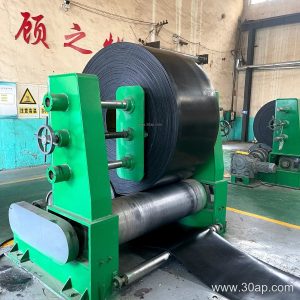
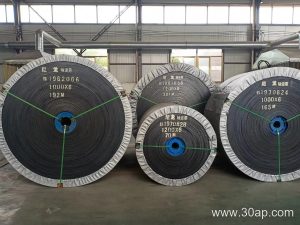
Also consider the belt type in use. A flame retardant conveyor belt in an underground coal mine, an abrasion resistant conveyor belt in a crusher line, or a heat resistant conveyor belt near a clinker cooler all place different demands on alignment and frame stiffness. The bracket itself does not change belt properties, but good troughing geometry helps any EP, NN or steel cord belt run centred and last longer.
Finally, keep spare brackets for transition and impact zones, where bending is most likely. A small stock of frames in the plant’s main belt widths avoids long stops when a loader or a fallen rock damages a support.