What an Anti-Slip Lagged Pulley Is
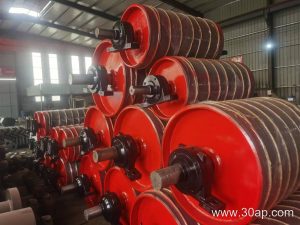
An anti-slip lagged pulley is a conveyor pulley whose shell is covered with a high-friction lagging layer to prevent belt slippage under load. This type of pulley is often specified as a rubber-lagged conveyor pulley or a lagged drive pulley when traction is critical. Unlike a plain steel shell, the lagging raises the coefficient of friction between the pulley and the conveyor belt, reducing the risk of slip during start-up, braking, or wet conditions. In bulk handling lines, this pulley is frequently paired with a heavy-duty mining conveyor belt or an abrasion resistant conveyor belt to maintain consistent drive performance.
Construction and Lagging Options
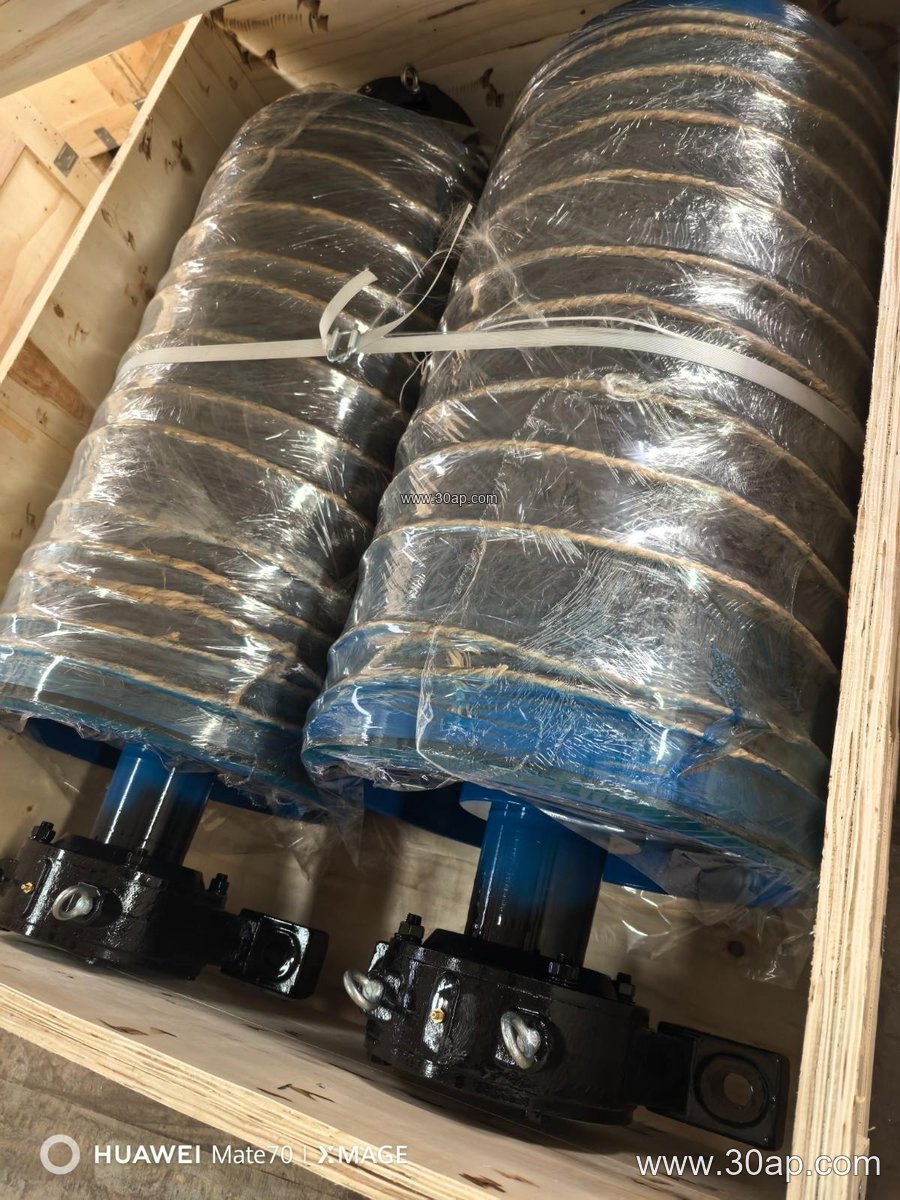
The core is usually a welded steel drum with machined end discs and a shaft sized by torque and load, not simply by belt width. Lagging is applied in several surface forms to suit different environments:
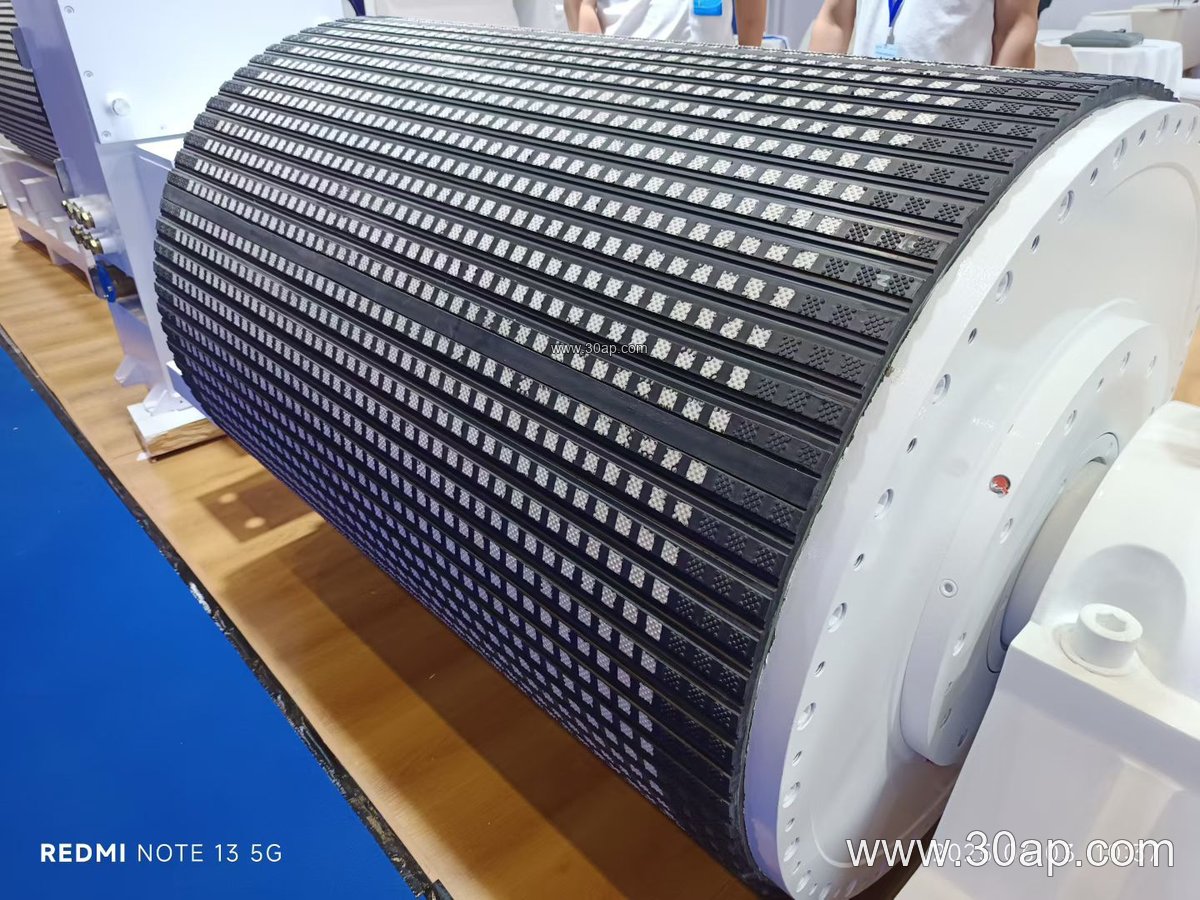
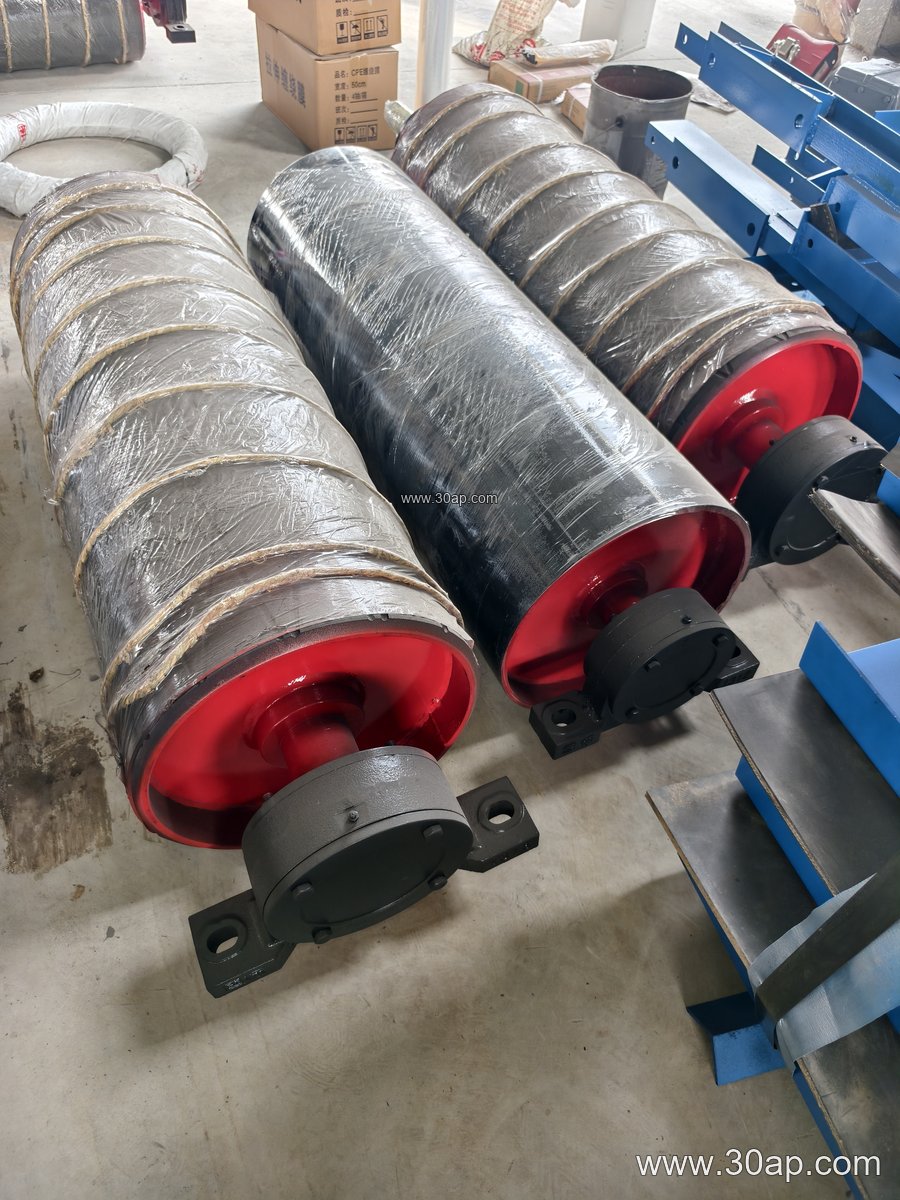
- Diamond lagging: grooved pattern for water drainage and general traction.
- Herringbone lagging: directional grooves that shed debris and improve grip.
- Ceramic lagging: embedded tiles for high-wear, high-traction duties.
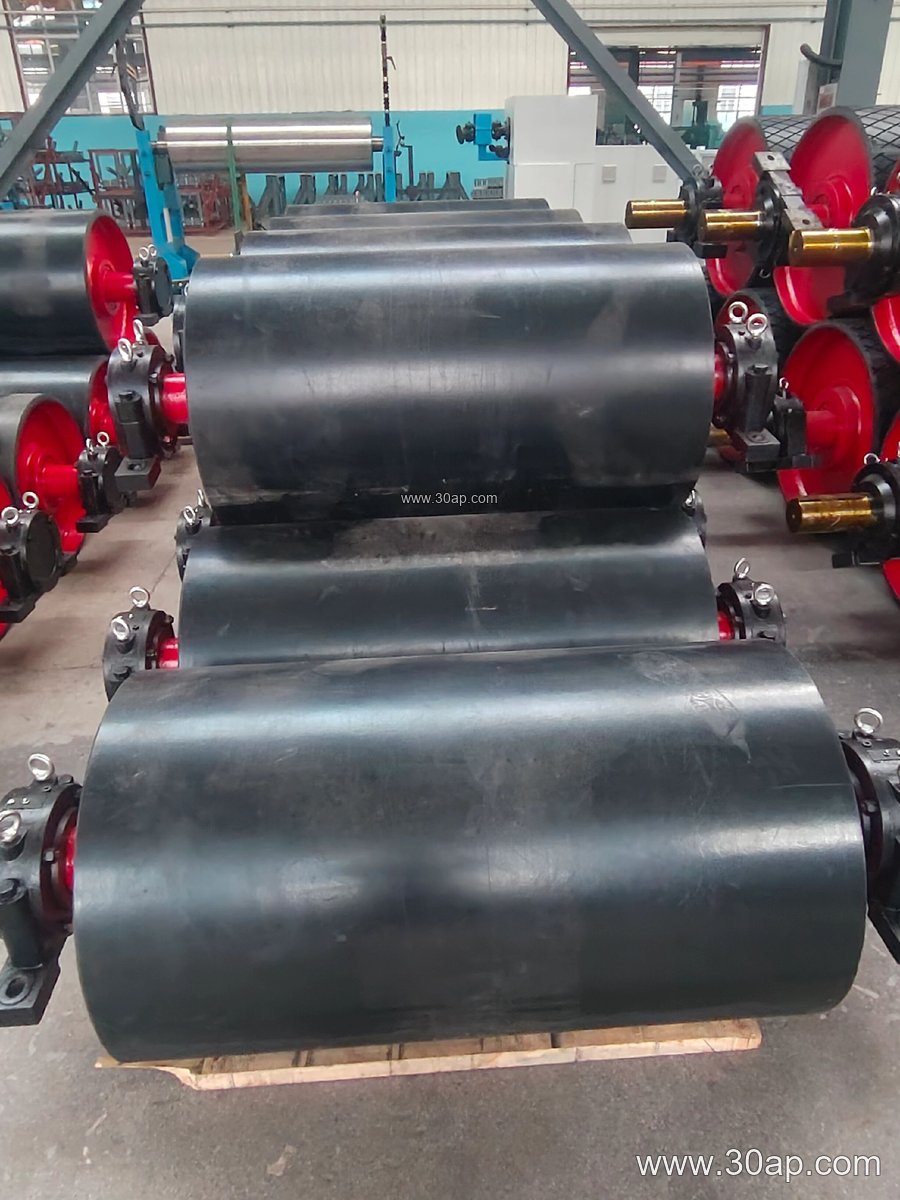
- Plain rubber lagging: smooth surface for cleaner, less abrasive conditions.
Common lagging thicknesses are 8, 10, 12, 15, and 20 mm. The pulley face width typically exceeds the belt width; for example, a B800 belt often runs on a pulley face around 950 mm, while a B1200 belt may use a face width near 1400 mm. Diameters such as Ø500, Ø630, Ø800, Ø1000, and Ø1250 are common, but the final choice depends on belt speed, tension, and shaft load.
Where It Fits in the Conveyor
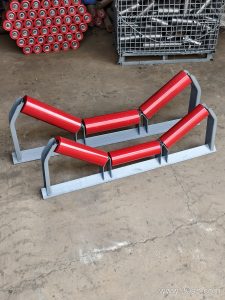
An anti-slip lagged pulley is most often installed at the drive position, where torque transfer is highest. It can also be used as a tail pulley or bend pulley when extra grip helps control belt tracking. In a coal mining conveyor line, a lagged drive pulley works with the conveyor belt and idler roller sets to keep material moving without slip. In a quarry or aggregate plant, the same pulley may be combined with a chevron conveyor belt on an incline, where both traction and material containment matter. The pulley is mounted on a conveyor bracket or frame, and alignment with the belt path is essential for even wear.
Selecting the Right Lagging and Size
Buyers should match the lagging surface to the operating conditions. Wet, muddy, or fine-dust environments benefit from grooved or ceramic lagging, while oily or chemical-exposed belts may need oil resistant conveyor belt and a lagging compound that tolerates the same exposure. For high-temperature areas such as cement clinker or power plant coal handling, a heat resistant conveyor belt may be used, and the lagging should be selected to avoid softening. Belt width and pulley diameter are related but not fixed; a B1000 belt can run on different pulley diameters depending on tension and shaft design. Typical combinations include B800 × Ø500 and B1200 × Ø1000, but these are reference examples, not mandatory pairs.
Maintenance and Buyer Checklist
Check lagging wear regularly, especially at the drive pulley where slip first appears. Worn grooves or glazed rubber reduce friction and can lead to belt tracking problems. Confirm that the pulley shaft diameter, bearing size, and lagging thickness suit the actual load. Ask for the lagging type, thickness, and surface pattern in writing, and verify that the pulley face width matches the conveyor belt width with proper allowance. For underground coal mining conveyor systems, flame retardant conveyor belt and anti-static conveyor belt properties may also be required, and the pulley lagging should be compatible with those safety requirements.
For more information on conveyor pulleys and related components, visit example.com/conveyor-pulley or example.com/lagged-pulley. A well-chosen anti-slip lagged pulley helps protect the belt, reduce downtime, and keep bulk material flowing in mining, quarry, cement, and power plant operations.