What a Fixed Conveyor Bracket Does
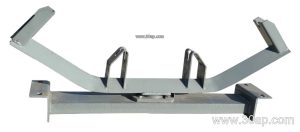
A fixed conveyor bracket is the stationary support that holds idler rollers at a set position along a conveyor frame. Unlike adjustable brackets that let maintenance crews change trough angles, a fixed bracket locks the roller geometry in place. This makes it a practical choice for lines where the belt path is already optimized and repeatable alignment matters more than field flexibility.
In a typical aggregate conveyor or a cement plant raw-material line, these brackets are welded or bolted to the stringer and carry the full weight of the belt plus the bulk material. The bracket does not move, so the idler sits exactly where the designer intended. That consistency helps reduce belt mistracking and uneven wear on both the conveyor belt and the idler roller.
Construction and Common Forms
Most fixed brackets are fabricated from angle steel, channel steel, or bent steel plate. The material choice depends on load and environment. A quarry conveyor handling heavy rock may use thicker channel sections, while a lighter sand and gravel line can use bent plate to save weight. The bracket usually includes mounting slots or holes that match the conveyor stringer spacing.
Common fixed bracket configurations include:
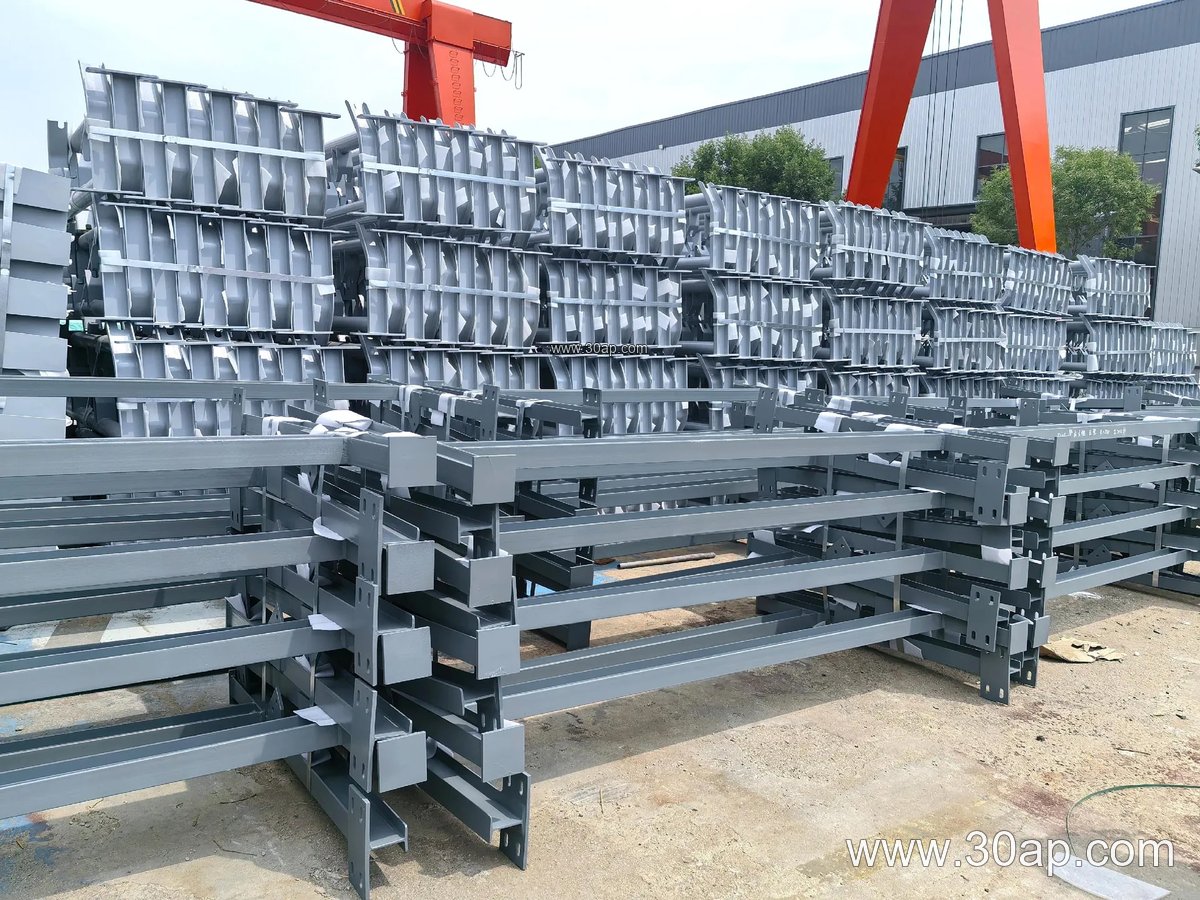
- Troughing brackets for carrying idlers on the top run
- Return brackets for supporting the belt on the bottom run
- Impact brackets positioned under loading points
- Transition brackets near pulleys to guide the belt profile
Each form is designed for a specific location on the conveyor. A troughing bracket is not a substitute for a return bracket, and neither should be confused with a drive pulley or tail pulley. Those are separate components with different functions.
Matching Brackets to Belt Width and Roller Diameter
Fixed brackets are normally selected together with the belt width, trough angle, and roller diameter. Reference data often lists belt widths such as B500, B650, B800, B1000, B1200, B1400, B1600, B1800, B2000, B2200, and roller diameters such as Ø89, Ø108, Ø133, Ø159, Ø194. Trough angles commonly range from 20 to 45 degrees. These are reference values, not fixed rules. A B800 belt may run with a 35-degree trough and Ø108 rollers in one design, while another B800 conveyor may use a different combination depending on capacity and material.
Installation hole spacing and crossbeam length change with belt width and trough angle. They should be confirmed against the conveyor drawing rather than assumed. The bracket must align with the stringer holes so the idler sits square to the belt path.
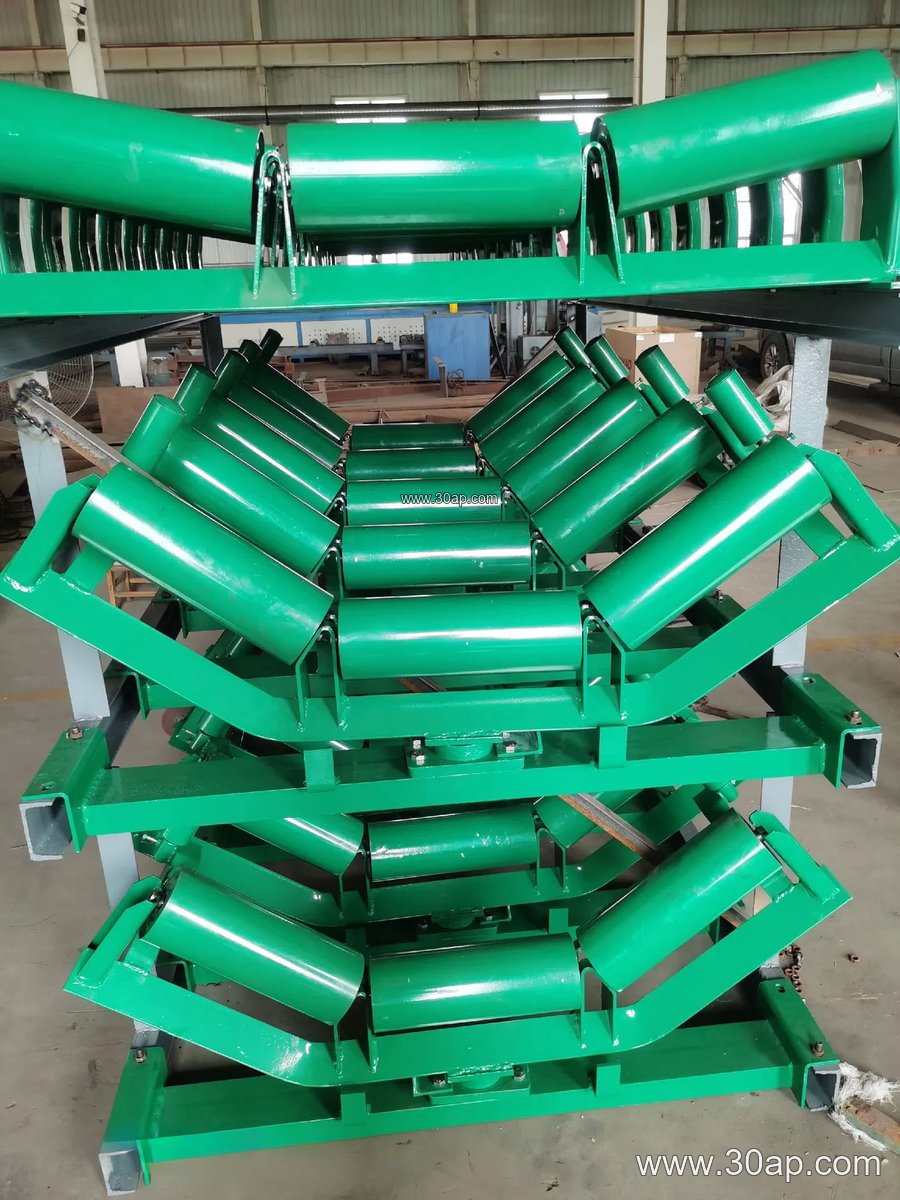
Where Fixed Brackets Are Used
Fixed conveyor brackets appear in most bulk material handling systems. In a limestone quarry, they support troughing idlers along the main haulage conveyor. In a coal washing plant, they hold return idlers that keep the belt clean and stable. Power plant coal yards and port ship-loading conveyors also rely on fixed brackets where the belt route is permanent and adjustments are infrequent.
They work alongside conveyor pulleys, idler rollers, and the conveyor belt itself. The bracket does not drive the belt or change its direction; it simply keeps the idlers in the correct position. For high-abrasion service, such as iron ore or copper ore handling, a heavy-duty bracket with reinforced welds may be preferred. For food-grade or clean-room applications, smoother surface finishes and corrosion-resistant coatings may matter more than raw strength.
Buyer Checklist
Before ordering fixed conveyor brackets, confirm the belt width, trough angle, roller diameter, and mounting hole pattern. Check whether the bracket will be welded or bolted to the stringer. Ask about material thickness and surface treatment if the conveyor operates outdoors or in a wet environment. It also helps to confirm that the bracket design matches the idler type, since a bracket for a 35-degree trough will not accept a 45-degree idler frame without modification.
For conveyors carrying abrasive bulk material, pair the brackets with abrasion resistant conveyor belt and quality idler rollers. In underground coal mining, flame retardant conveyor belt and anti-static conveyor belt are common alongside fixed brackets that meet the same fire-safety expectations. Matching the bracket to the belt and roller system as a whole reduces downtime and keeps the conveyor running straight.