What a Mining Belt Conveyor Pulley Does
In a mining conveyor system, the pulley is the rotating drum that drives or redirects the belt. The drive pulley, often called the head pulley, transmits power from the motor to the belt through friction. The tail pulley at the loading end provides belt tension and alignment. Bend pulleys change belt direction in the take-up or return run. Each subtype has a distinct role, and they are not interchangeable in function or design.
At sites such as a copper mine or a coal preparation plant, the pulley must handle abrasive dust, continuous load, and often wet or sticky material. A well-built unit keeps the belt tracking straight and reduces stress on splices and idlers. For operators running a heavy-duty mining conveyor belt, pulley reliability directly affects downtime and maintenance cost.
How the Drum Is Built
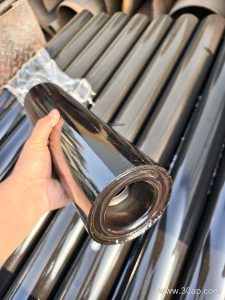
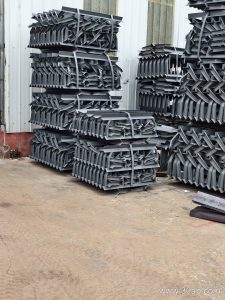
A typical mining belt conveyor pulley starts with a cylindrical shell, usually made from rolled steel. The shell is welded to end discs, which are connected to the shaft. The shaft transfers torque to the shell and is supported by bearings in the conveyor bracket. Lagging is applied to the shell surface to improve grip and protect the drum.
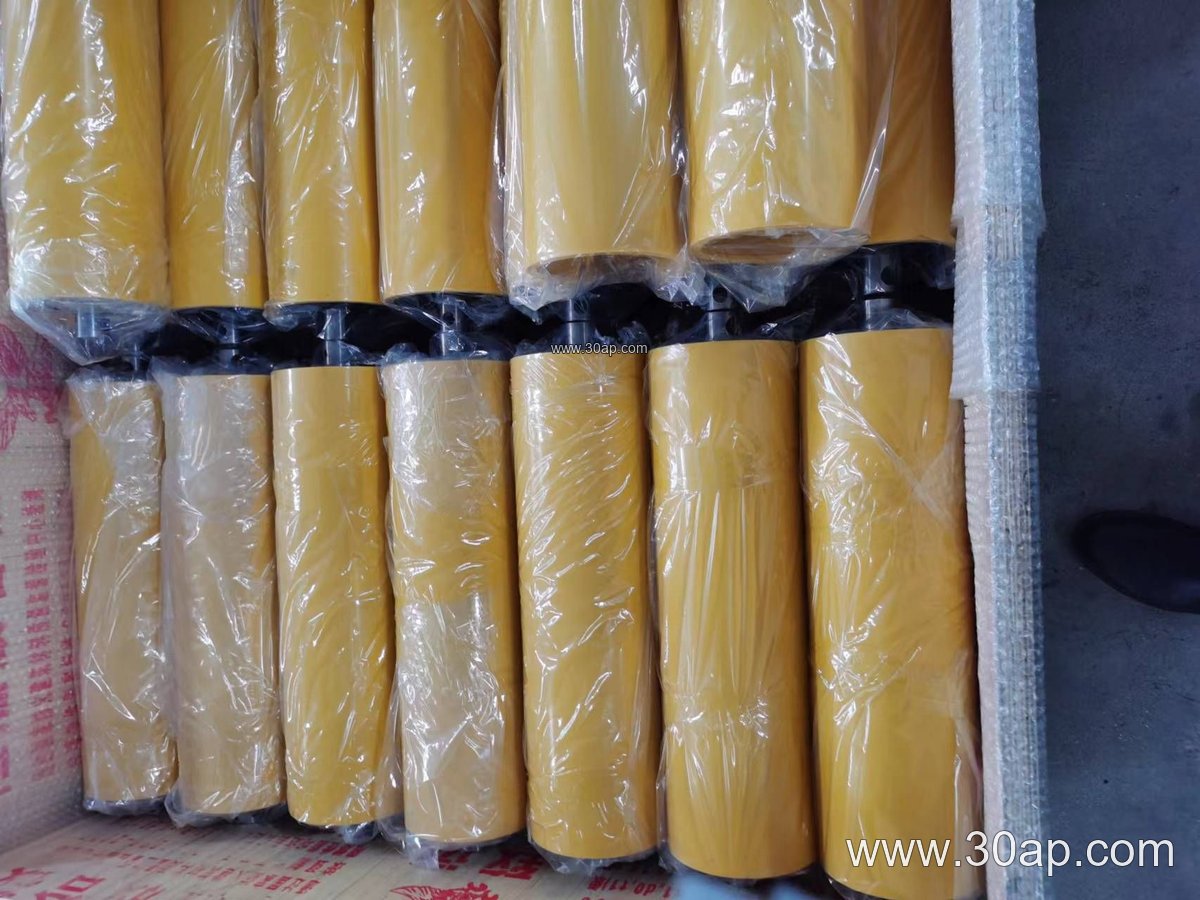
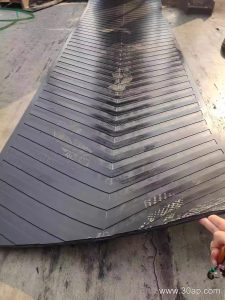
Common surface forms include plain, cast rubber, cold-bonded rubber, hot vulcanized rubber, diamond lagging, herringbone lagging, and ceramic lagging. Lagging thickness is often 8, 10, 12, 15, or 20 mm, depending on the duty. A drive pulley in a quarry conveyor belt system may use diamond rubber lagging to shed water and fines, while a bend pulley might run plain or with thin rubber.
Shell diameter and face width are selected together with the belt width. A B800 belt might run on a pulley with a face width around 950 mm, and a B1200 belt on a face width near 1400 mm. Diameter choices include Ø200, Ø250, Ø315, Ø400, Ø500, Ø630, Ø800, Ø1000, Ø1250, Ø1400, Ø1600, and Ø1800. Shaft diameter is determined by torque and load, with common sizes from Ø50 to Ø200; it should not be guessed from belt width alone.
Matching the Pulley to the Conveyor
The pulley must match the belt’s tension, speed, and environmental conditions. In an underground coal mining conveyor belt application, flame retardant and anti-static properties are critical, and the pulley lagging should be chosen to avoid sparking risk. In a cement plant handling hot clinker, heat resistant conveyor belt grades may be used, and the pulley bearings need adequate thermal protection.
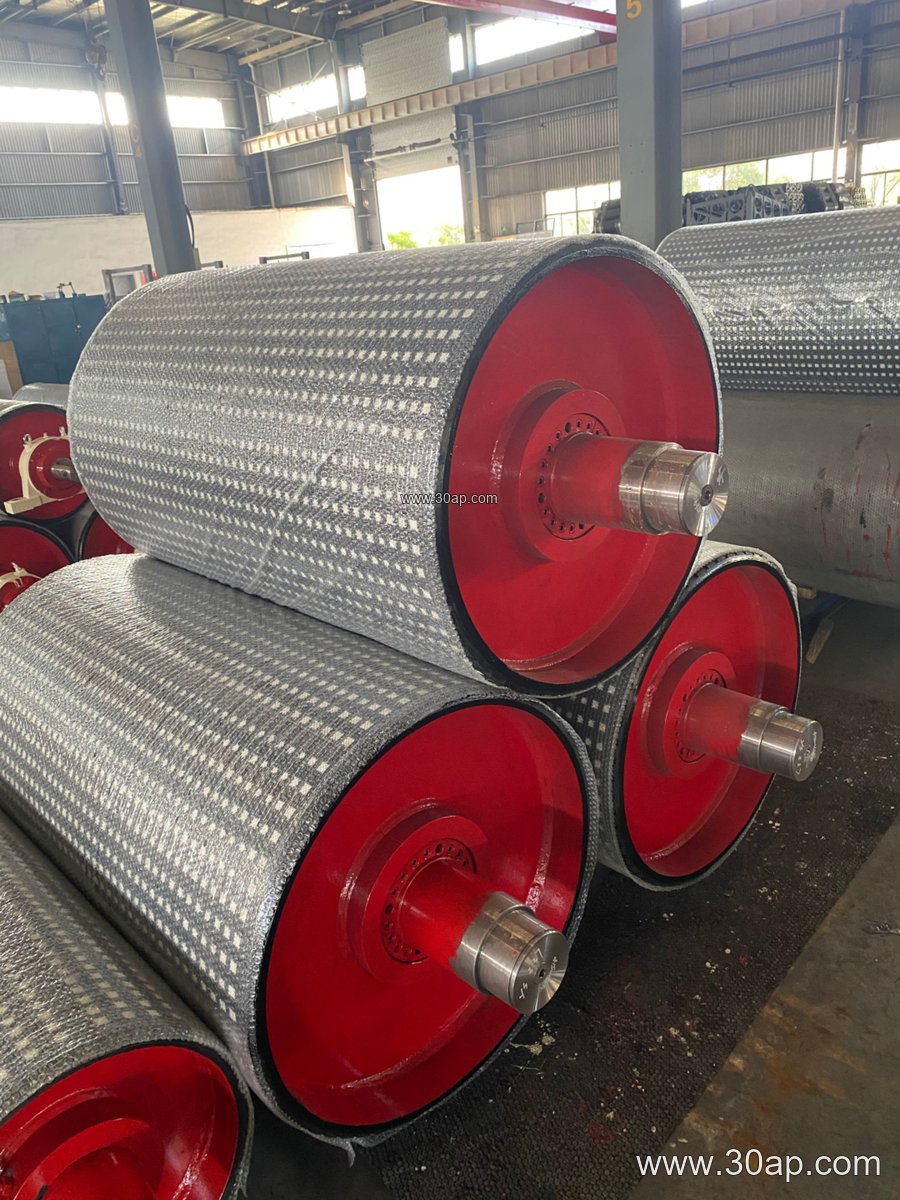
For a long overland conveyor using steel cord conveyor belt or EP conveyor belt, the drive pulley diameter is often larger to reduce belt bending stress. A B1400 × Ø800 combination is common in primary crushing circuits, while a B1000 × Ø630 pulley may serve a secondary transfer. These are examples, not fixed rules; final sizing follows conveyor design calculations.
Common Reference Dimensions
| Belt Width | Typical Pulley Face Width | Example Diameter Range |
|---|---|---|
| B500 | 600 mm | Ø250–Ø400 |
| B650 | 750 mm | Ø315–Ø500 |
| B800 | 950 mm | Ø400–Ø630 |
| B1000 | 1150 mm | Ø500–Ø800 |
| B1200 | 1400 mm | Ø630–Ø1000 |
| B1400 | 1600 mm | Ø800–Ø1250 |
| B1600 | 1800 mm | Ø1000–Ø1400 |
These values are for reference only; actual selection depends on belt tension, speed, and load profile. A pulley with a larger diameter than the minimum reduces belt fatigue and can extend splice life.
Buyer Checklist
- Confirm the pulley’s position and function: drive, tail, bend, take-up, or snub. Each has different load and lagging needs.
- Check the belt width and the required face width; the pulley face should be wider than the belt to allow tracking.
- Review lagging type and thickness for the material handled. Abrasive ore may call for ceramic or thick rubber lagging; wet conditions favor diamond pattern.
- Verify shaft diameter and bearing selection based on torque, not just belt width.
- Ask for the balancing grade and runout tolerance, especially for high-speed pulleys.
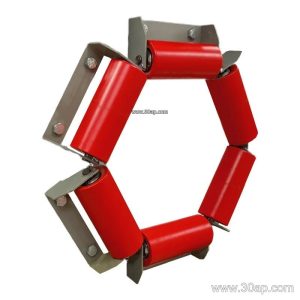
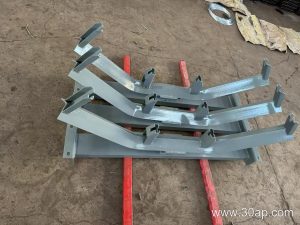
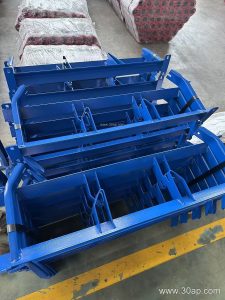
- Consider the conveyor bracket and idler roller layout to ensure the pulley fits the existing frame.
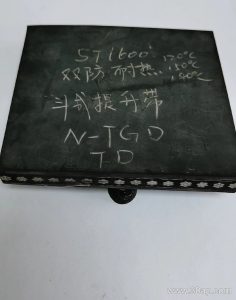
In sand and gravel plants, a worn tail pulley can cause belt misalignment and spillage. Replacing it with a properly lagged, balanced unit reduces cleanup and keeps the crusher conveyor belt running smoothly. For any mining belt conveyor pulley inquiry, provide the belt width, belt type (such as EP1000 or ST1250), pulley position, and expected load so the supplier can propose a suitable drum.