A Belt Width Built for Volume
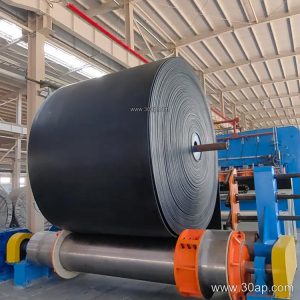
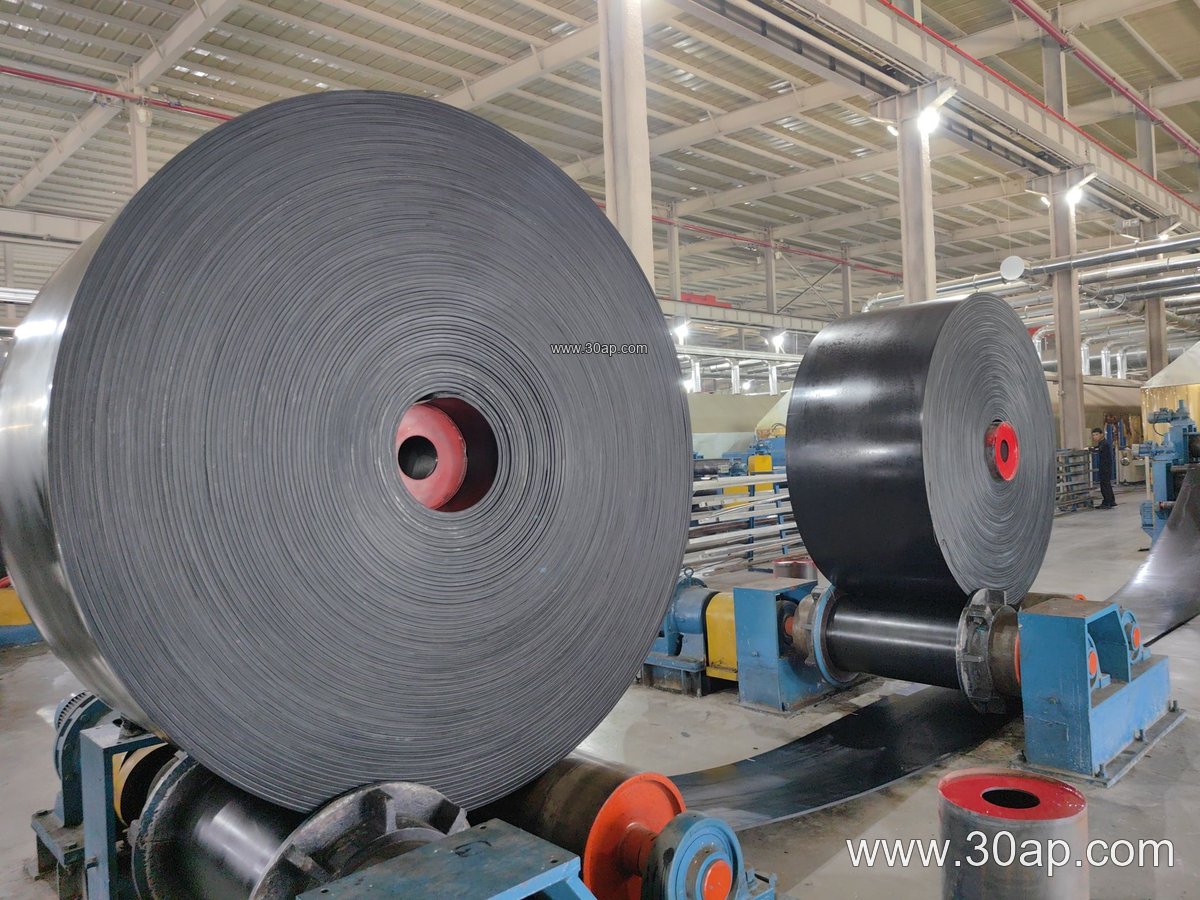
A 2200mm conveyor belt is an extra-wide belt designed for conveyor systems that move large volumes of bulk material in a single pass. At this width, the belt is usually part of a heavy-duty conveyor line where capacity, stability and tracking matter more than in a standard narrow installation. Mines, coal preparation plants, cement works, power stations, ports and large sand and gravel yards are typical homes for this class of belt, and the same width may appear in ship loading or stockyard systems where a wide, flat carrying surface reduces the number of parallel lines needed.
The 2200mm size is not a single product. It is a width that can be supplied in several constructions, and the right one depends on the material, the duty cycle and the conveyor geometry.
What the Belt Is Made Of
Most belts at this width use a fabric core or a steel cord core. A multi-ply fabric core, such as an EP conveyor belt or an NN conveyor belt, is common where moderate tension and good troughability are needed. Steel cord conveyor belt constructions are chosen when the conveyor is long, the lift is high or the belt must carry very heavy loads with low stretch. Rubber covers protect the carcass, and cover thickness is usually expressed as top plus bottom, for example 6+2 mm or 8+3 mm.
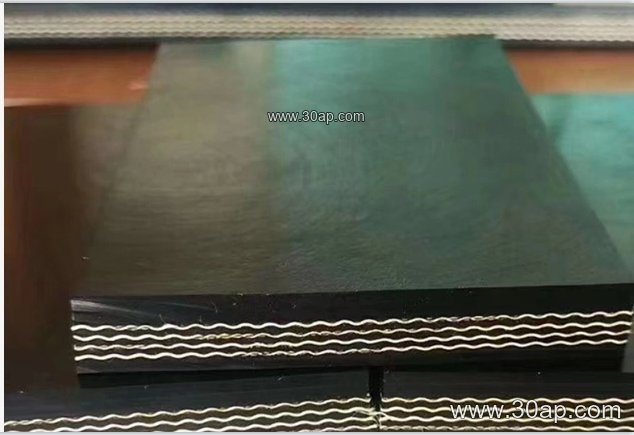
Special grades are available for difficult conditions, including abrasion resistant, heat resistant, oil resistant, flame retardant, anti-static and cold resistant versions. In underground coal mining, PVG conveyor belt and PVC conveyor belt grades are widely used for their flame resistance.
Common Constructions at a Glance
The table below shows typical reference values only. Actual supply is confirmed by the manufacturer against the conveyor design.
| Item | Typical Range or Example |
|---|---|
| Belt width | 2200 mm (B2200) |
| Carcass type | Multi-ply fabric, steel cord, PVG/PVC solid woven |
| Fabric core grades | EP200, EP315, EP400, EP500, EP630, EP800, EP1000, EP1250 |
| Steel cord grades | ST1000, ST1250, ST1600, ST2000 |
| Number of fabric plies | Usually 2 to 6, depending on tension |
| Cover thickness | Common examples 4+2, 5+2, 6+2, 8+3 mm |
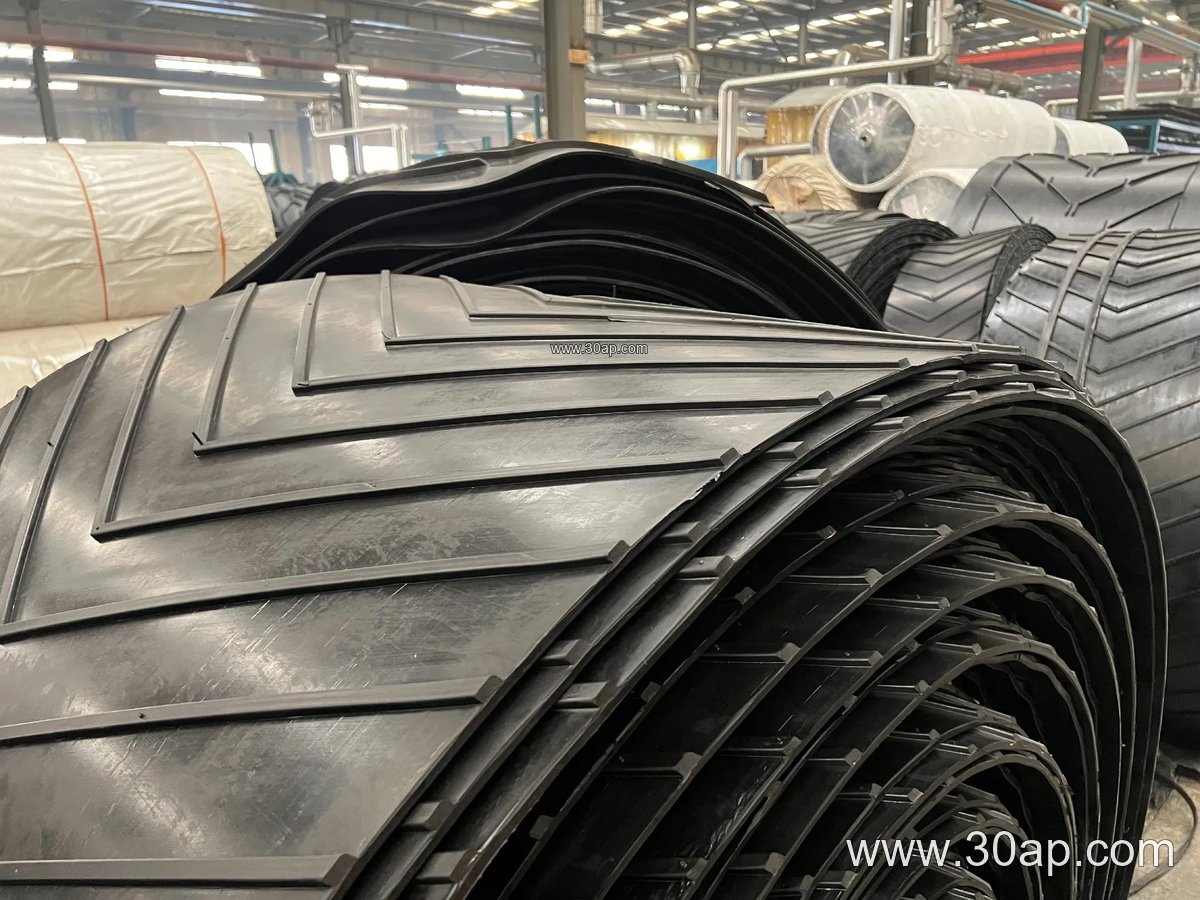
| Surface forms | Plain, chevron, corrugated sidewall, skirted |
Where a 2200mm Belt Fits
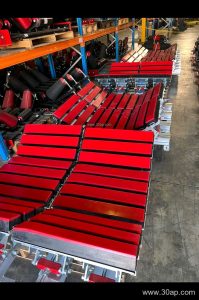
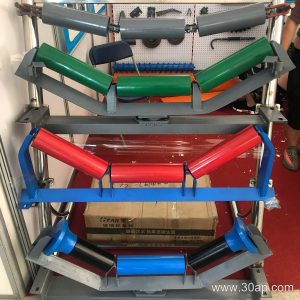
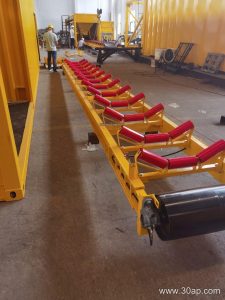
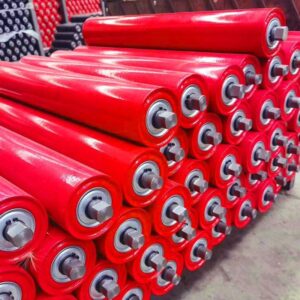
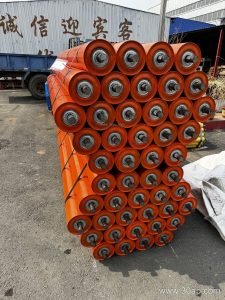
Wide belts appear in crushing circuits, primary ore transport, coal handling, clinker and limestone lines, and aggregate plants. A quarry conveyor belt at this width can carry run-of-mine rock from a primary crusher, while a power plant conveyor belt may handle coal at high tonnage. In cement plants, the belt often works alongside an idler roller set and a conveyor pulley that must be sized for the belt load and the resulting tensions. Belt width and pulley diameter are matched through the conveyor design, not by a fixed rule, so a 2200mm belt does not imply one specific pulley diameter or shaft size.
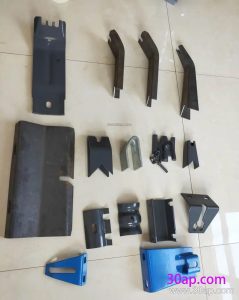
Related equipment matters too. A conveyor bracket, the frame and the take-up arrangement all influence how well a wide belt tracks. On a belt this wide, mistracking is costly, so alignment, loading point design and idler condition deserve attention.
Selection Points for Buyers
- Confirm the maximum belt tension and choose the carcass grade accordingly.
- Match the cover grade to the material: abrasive rock, hot clinker, oily scrap or fine dust each need a different compound.
- Check the trough angle and transition distance, because a 2200mm belt needs more room to form a trough without edge stress.
- Ask about edge construction and whether the belt is supplied endless or open for splicing on site.
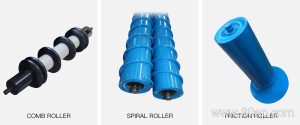
- Review the pulley and idler roller specifications together with the belt, since the whole system shares the load.
For more detail on compatible components, see conveyor belt guidance and idler roller data. Buyers comparing widths sometimes review 2000mm conveyor belt options before stepping up to 2200mm, and conveyor pulley selection often follows the belt decision.
Handling and Maintenance Notes
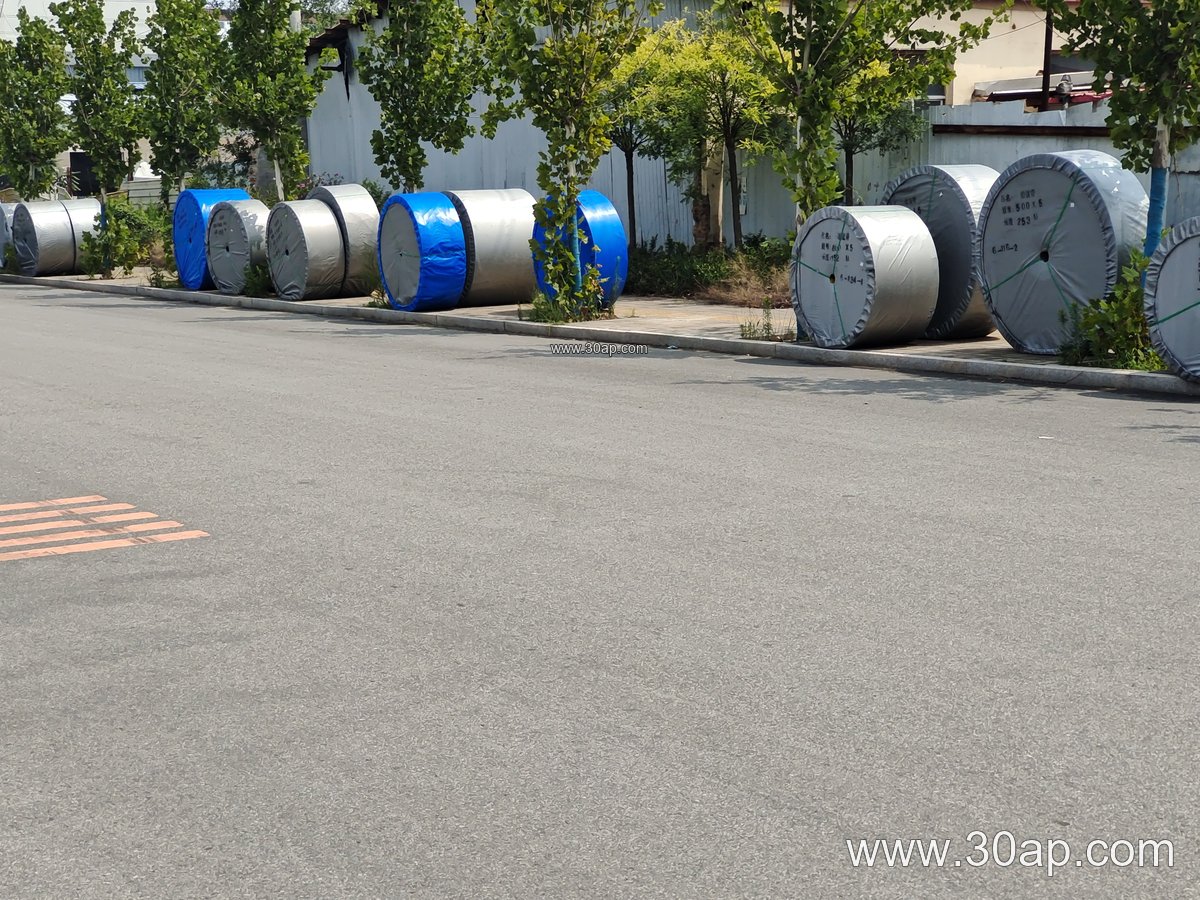
Extra-wide belting is heavy and awkward to move, so plan lifting points and storage before delivery. Keep rolls supported and protected from sunlight and ozone. During operation, watch for edge damage, cover wear and splice condition. A 2200mm conveyor belt used in a mining conveyor belt line or an aggregate conveyor belt circuit should be inspected at the loading point, where impact and spillage cause most wear. Heat resistant and flame retardant grades still need correct operating temperatures and good housekeeping to perform as intended.