What an Anti-Tracking Idler Does
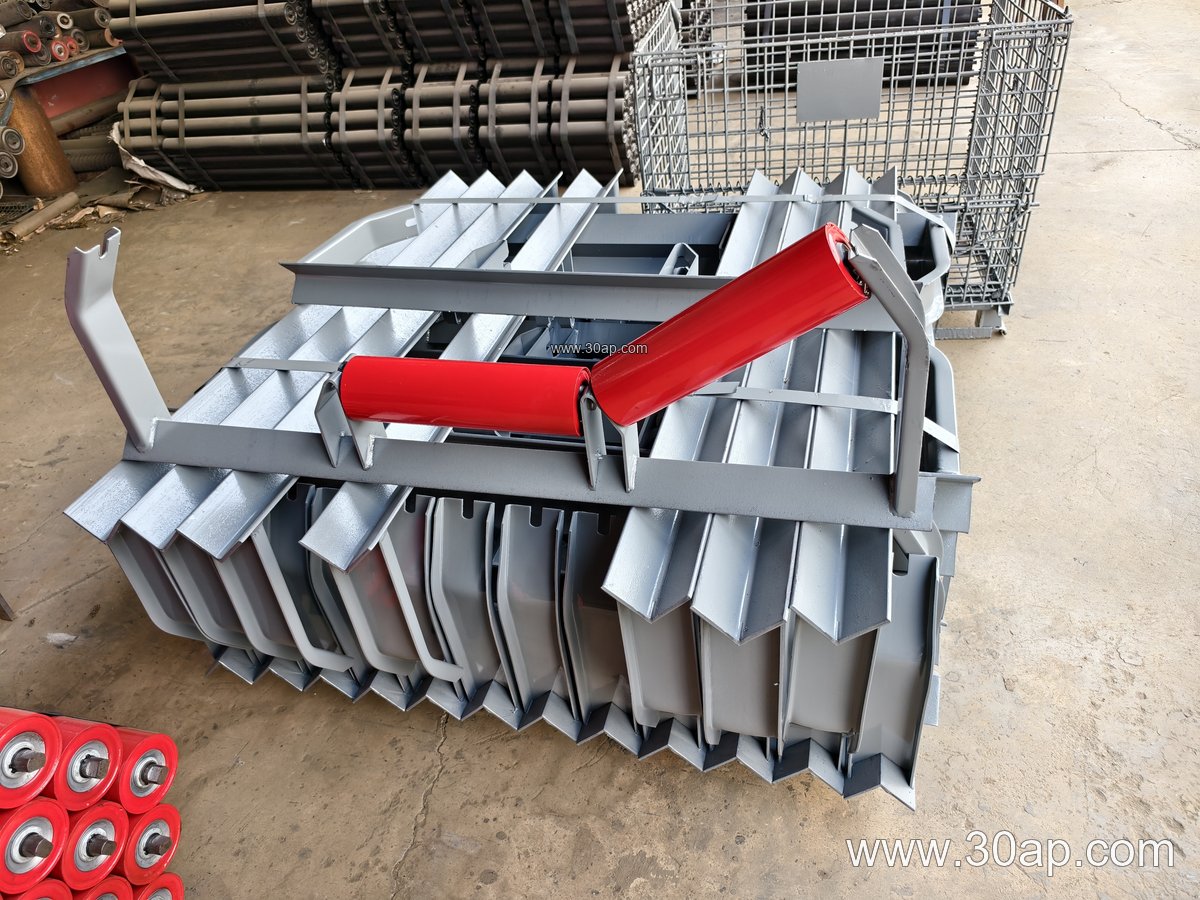
An anti-tracking idler is a self-aligning return or carrying roller designed to steer a conveyor belt back toward the center line when it begins to wander. Instead of relying only on a fixed frame, this idler uses angled rollers or a pivoting bracket so that any sideways drift of the belt produces a correcting force. In a quarry, a cement plant, or a power plant coal yard, a belt that climbs the structure can spill material, damage edges, and force an unplanned stop. Fitting an anti-tracking idler at known trouble spots is a practical way to reduce that risk without rebuilding the whole conveyor.
How the Self-Aligning Design Works
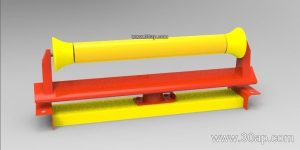
The working principle is simple. The idler is mounted so that it can rotate slightly about a vertical axis, or it carries rollers set at an angle to the belt path. When the belt runs true, the forces on both sides balance. When the belt shifts to one side, it presses harder on one roller, and the resulting friction turns the assembly so that the roller axis is no longer square to the belt. The belt then follows the new direction and returns to the middle. Spring or friction damping is often added so the idler corrects gradually rather than swinging wildly.
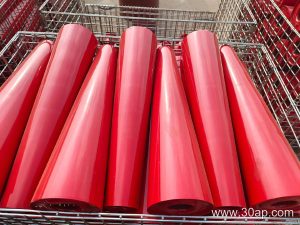
Common forms include the friction self-aligning idler, the conical self-aligning idler, and plain V-shaped return idlers used for light guidance. The conical version uses tapered rollers that increase the correcting effect as the belt moves further off center. A rubber disc buffer roll may appear in the same conveyor line, but that is a different job — impact absorption, not tracking.
Construction Details Buyers Should Check
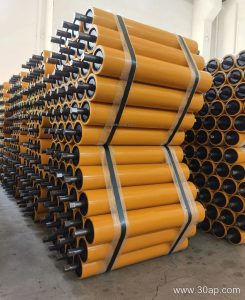
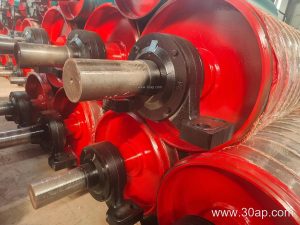
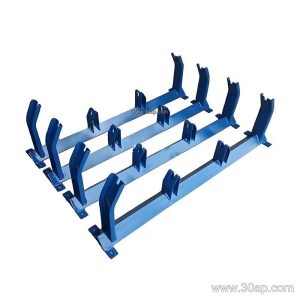
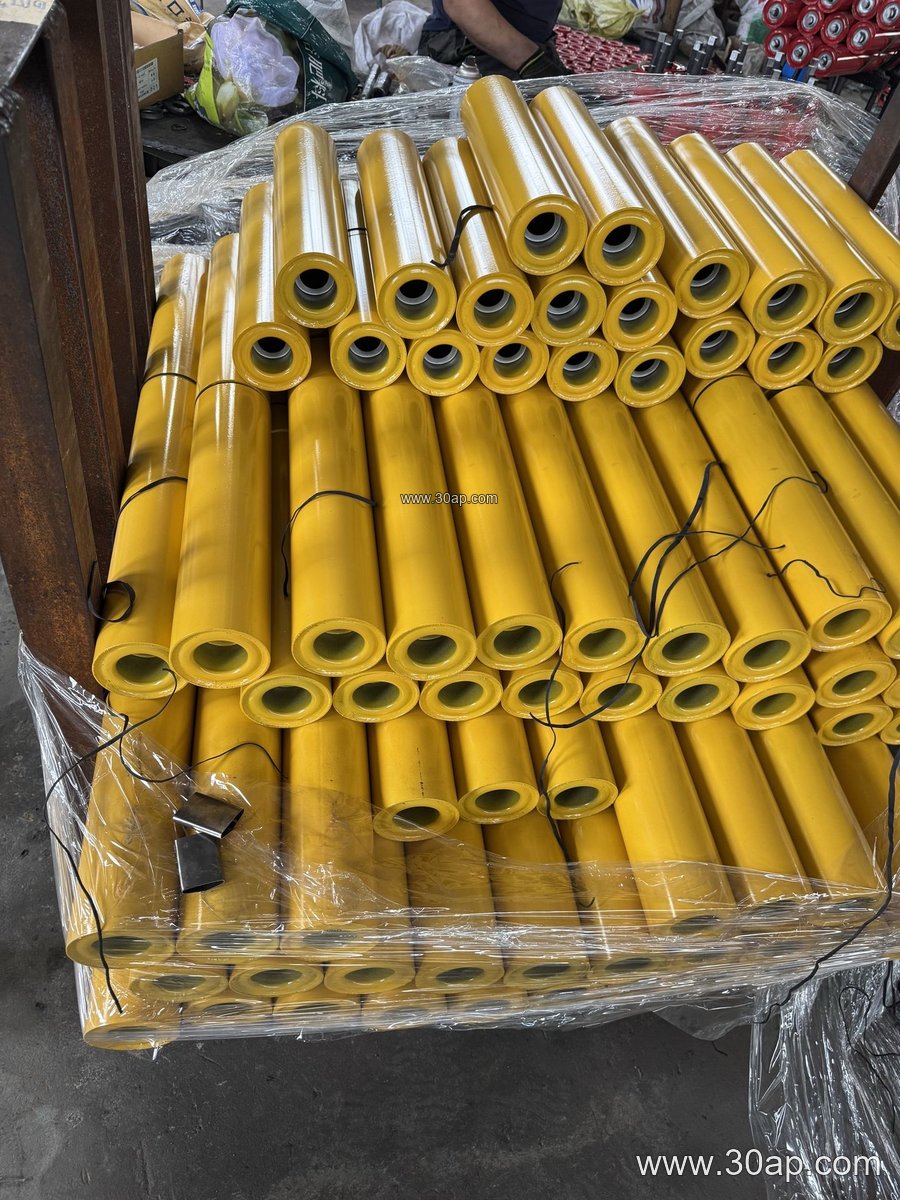
A typical unit combines a steel tube shell, sealed bearing housings, a pivoting bracket, and a roller surface suited to the duty. Shell materials include steel, nylon, ceramic, and rubber discs, each with different wear and grip behavior. Bearing sizes such as 6205, 6305, 6306, and 6308 are common depending on load and roller diameter, but no single bearing is tied to one roller size. The bracket and pivot pin deserve attention too, because a loose pivot defeats the whole correction mechanism.
- Roller diameter: commonly Ø89, Ø108, Ø127, Ø133, Ø159, or Ø194 mm
- Belt width range: typically from B500 up to B2000, with wider units available by design
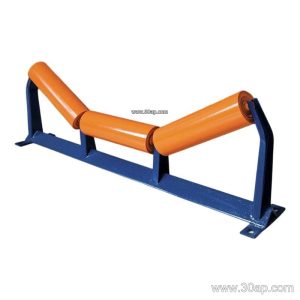
- Trough angle on carrying units: 20, 30, 35, or 45 degrees
- Lead angle on forward-tilted rolls: about 1.5 to 2 degrees
- Sealing: labyrinth or contact seals for dusty service
Common Sizes and Configuration Reference
The table below gives indicative figures for three-roll troughing sets. Roll length changes with belt width, trough angle, and roll position, so side rolls and center rolls may differ. Treat these as reference data, not a fixed match.
| Belt Width | Typical Roll Length | Common Roll Diameter | Bearing Example |
|---|---|---|---|
| B500 | about 200 mm | Ø89 mm | 6204 / 6205 |
| B650 | about 250 mm | Ø89 / Ø108 mm | 6205 |
| B800 | about 315 mm | Ø108 / Ø133 mm | 6305 |
| B1000 | about 380 mm | Ø108 / Ø133 mm | 6306 |
| B1200 | about 465 mm | Ø133 / Ø159 mm | 6308 |
| B1400 | about 530 mm | Ø159 mm | 6308 / 6310 |
| B1600 | about 600 mm | Ø159 / Ø178 mm | 6310 |
| B1800 | about 670 mm | Ø178 / Ø194 mm | 6310 |
| B2000 | about 750 mm | Ø194 / Ø219 mm | 6310 |
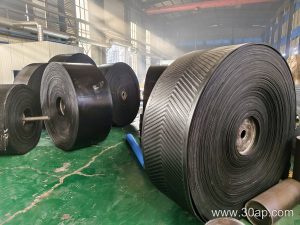
For a troughed line carrying abrasive ore, a 1200mm wide EP conveyor belt may run over Ø133 or Ø159 rollers. A heavy overland installation with a steel cord conveyor belt often needs larger diameters and sturdier brackets to handle the higher belt tension.
Where These Idlers Earn Their Place
Misalignment usually starts where loading is uneven, where the structure settles, or where a curve begins. In a crusher discharge area, a belt fed off-center will drift quickly; an anti-tracking idler placed just downstream helps hold the line. In a coal mining conveyor or a limestone quarry line, return-side wander is a frequent complaint, and installing self-aligning return rolls under the belt can settle it. Port ship loaders and cement plant clinker conveyors also benefit where wind and uneven feed disturb the belt path.
On long inclined routes, place correcting idlers at intervals rather than only at the head. Pair them with a properly squared conveyor pulley and a rigid conveyor bracket so the correction is not fighting a bent frame.
Selection and Maintenance Notes
Match the idler to belt speed, load, and material. A dusty coal yard calls for good sealing and, on the carrying side, a flame retardant conveyor belt is often specified for safety. Hot clinker or sinter service may call for a heat resistant conveyor belt and heat-tolerant roller bearings. Wet, sticky material favors rubber disc rolls that shed build-up. Always confirm the pivot is free, the bracket bolts are tight, and the rolls turn by hand during inspections; a seized bearing turns a correcting idler into a belt-damaging drag.
Finally, remember that an anti-tracking idler corrects drift, it does not replace a proper pulley alignment, adequate take-up tension, or a correctly loaded belt. For a full conveyor review, check conveyor belt tracking components at www.xinruiindustry.com along with idler roller condition, then confirm the self-aligning set suits your belt width and duty.