What a 1000mm Diameter Conveyor Pulley Is
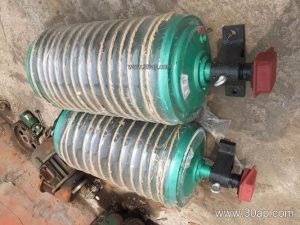
A 1000mm diameter conveyor pulley is a large drum used to drive, tension, or redirect a conveyor belt in demanding bulk material handling. Often called a 1-meter drum pulley or Ø1000 conveyor pulley, it is typically found at the head or drive position where high torque and belt wrap are needed. In quarry and aggregate lines, a 1000mm pulley may serve as the main drive, working with an abrasion resistant conveyor belt to move crushed rock. In coal mining, it might be part of a flame retardant conveyor belt system. The large diameter helps reduce belt bending stress and improves traction when paired with adequate lagging.
Construction and Key Components
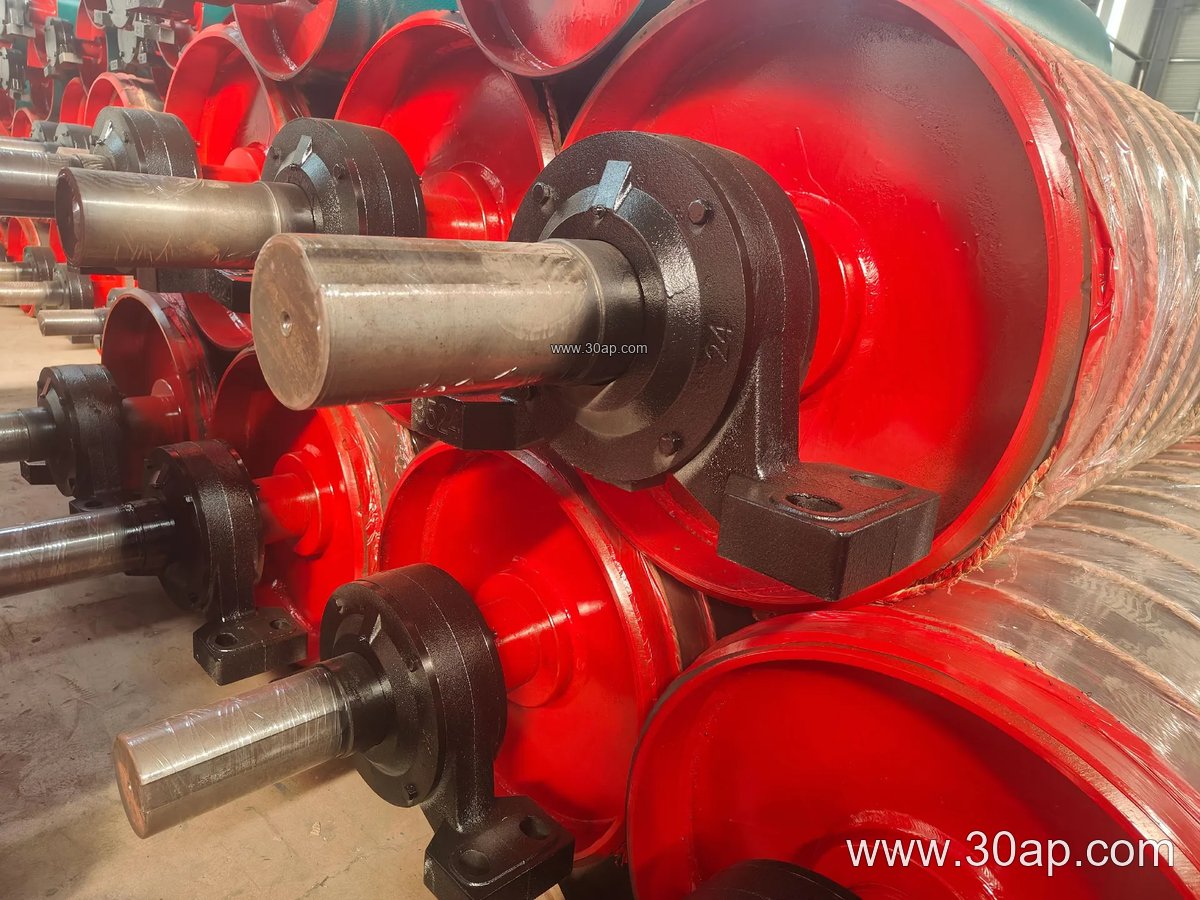
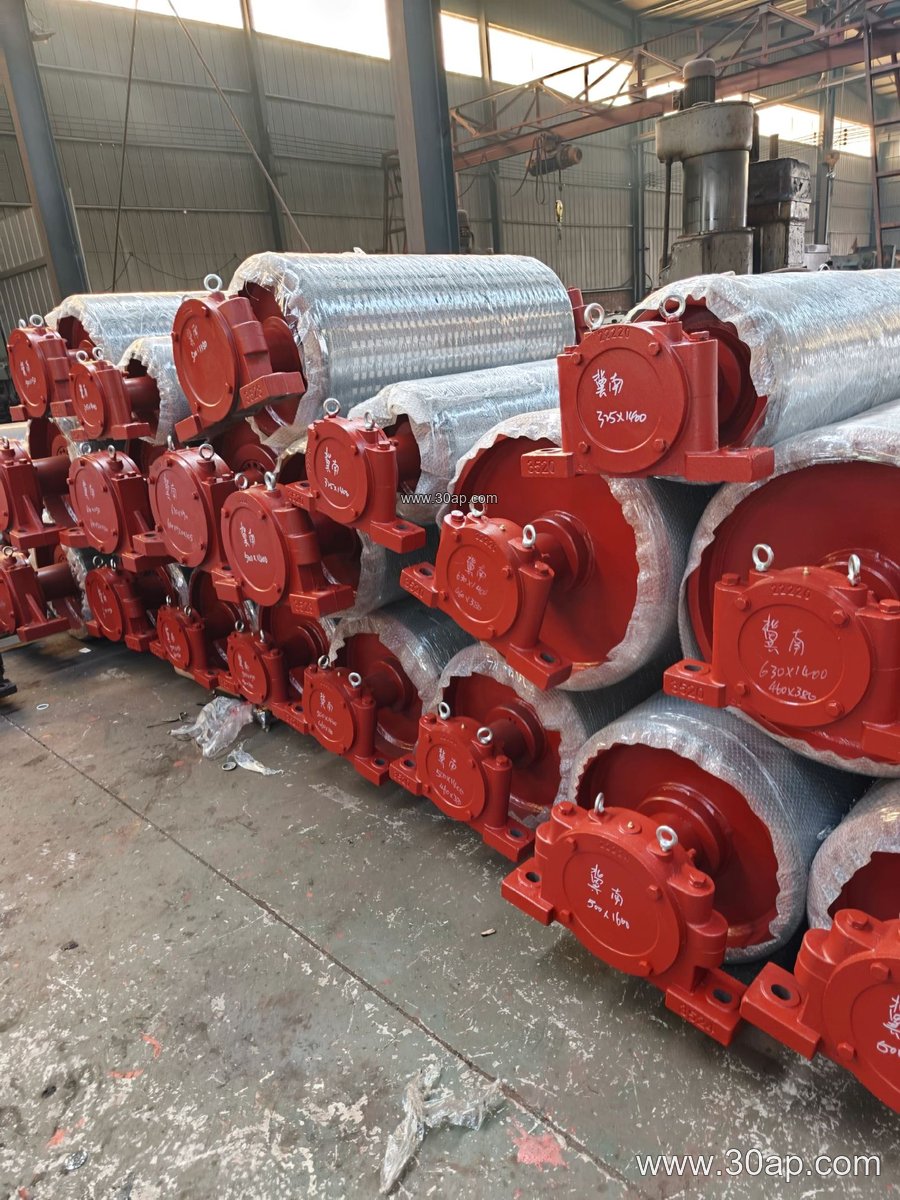
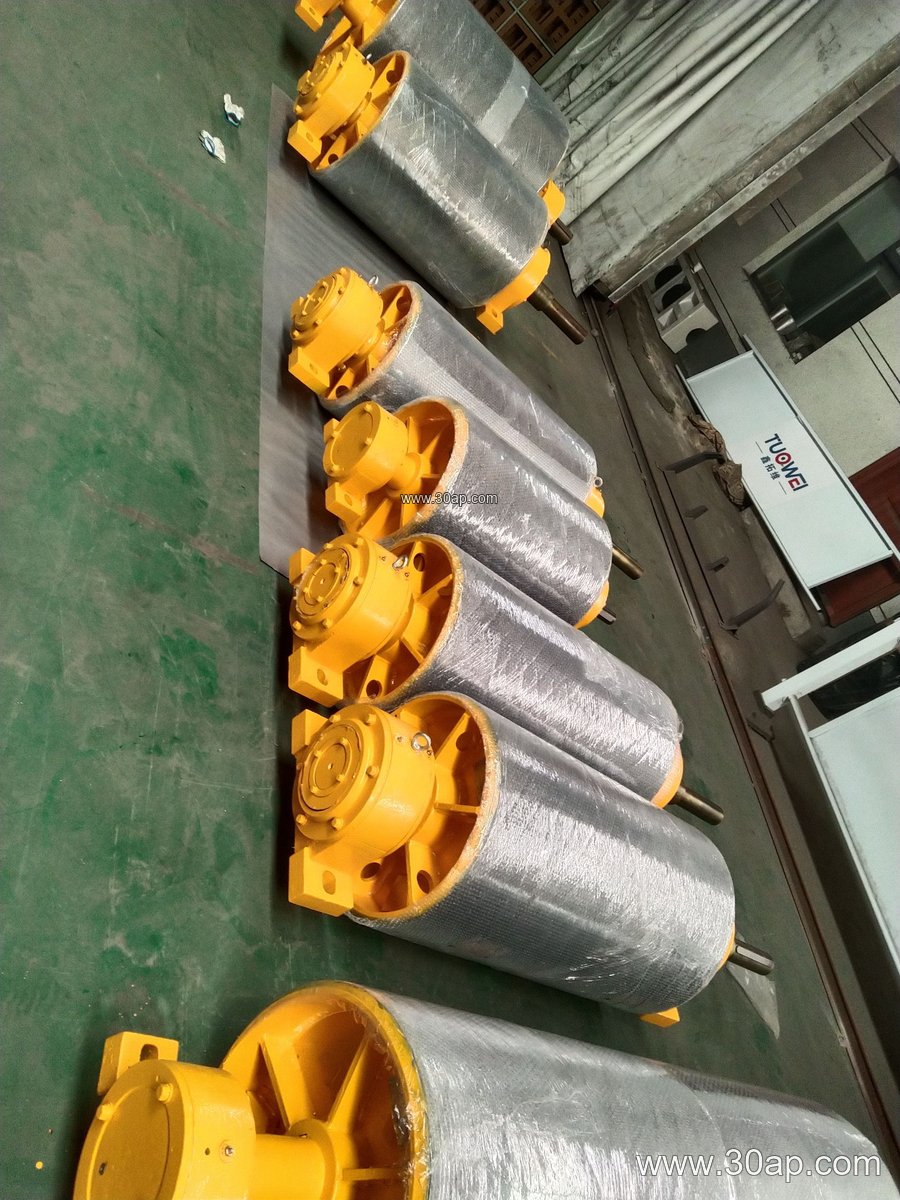
These pulleys are built around a heavy steel shell, welded to end discs and a central shaft. Common shaft diameters for this size range from Ø160 to Ø200, determined by torque and load rather than belt width alone. The shell is often lagged with rubber or ceramic to increase friction. Lagging thickness commonly ranges from 8 mm to 20 mm, with diamond or herringbone patterns for better grip. Bearings are mounted in pillow blocks or flanged housings, and the pulley connects to the conveyor frame via conveyor brackets. The design must account for the belt width: a B1200 belt typically uses a pulley face width around 1400 mm, while a B1000 belt might use about 1150 mm. However, a 1000mm diameter can be combined with various belt widths; there is no fixed one-to-one match.
Where It Is Used
You will see this pulley in primary crushing circuits, port bulk terminals, and power plant coal handling. In a copper mine, a 1000mm drive pulley may handle ore onto a steel cord conveyor belt. In a cement plant, it could be part of a clinker transport system using a heat resistant conveyor belt. The large diameter is also useful in transfer points where a bend pulley redirects the belt, though a dedicated bend pulley would be smaller. For heavy-duty mining conveyor belts, the 1000mm pulley provides the necessary wrap and durability. It is not interchangeable with a tail or bend pulley, which serve different roles and usually have smaller diameters.
Selection and Specification Notes
Buyers should consider belt width, working tension, and lagging type. The table below gives common reference dimensions; actual values are determined by design.
| Parameter | Common Range or Example |
|---|---|
| Diameter | Ø1000 mm |
| Belt width (B) | B800, B1000, B1200, B1400 |
| Pulley face width | B1000 ≈ 1150 mm; B1200 ≈ 1400 mm; B1400 ≈ 1600 mm |
| Shaft diameter | Ø160, Ø180, Ø200 (by torque) |
| Lagging | Plain, rubber lagging (8–20 mm), ceramic lagging |
| Surface pattern | Smooth, diamond, herringbone |
When selecting, match the pulley to the conveyor belt type. For example, an EP conveyor belt or NN conveyor belt may require different lagging than a steel cord belt. In underground coal mining, a PVG conveyor belt or PVC mining conveyor belt may be used, and the pulley should be compatible with flame retardant requirements. Always confirm shaft size by torque calculation, not just belt width. A 1000mm pulley can work with a 1000mm wide conveyor belt or a 1200mm wide belt, but the face width must exceed the belt width.
Maintenance and Buyer Checklist
- Inspect lagging wear regularly; worn lagging reduces traction and can slip.
- Check shaft alignment and bearing condition to avoid vibration.
- Ensure the pulley is matched to the belt type—for instance, a heavy-duty mining conveyor belt may need thicker lagging.
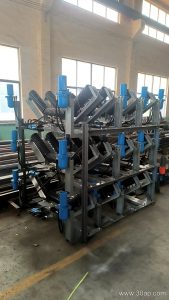
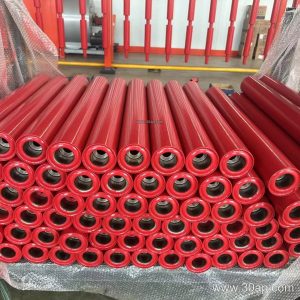
- Verify that conveyor brackets and idler roller frames are compatible with the pulley dimensions.
- For high-abrasion applications, consider ceramic lagging and an abrasion resistant conveyor belt.
Whether in a sand making plant or a ship loading terminal, a 1000mm diameter conveyor pulley is a robust choice for high-capacity systems. Buyers should source from suppliers who provide detailed drawings and material certificates, and always confirm dimensions against the actual conveyor design.