What a 1600mm Diameter Conveyor Pulley Is
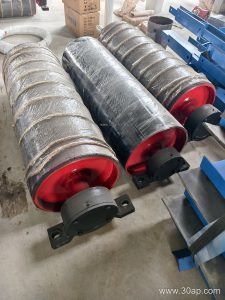
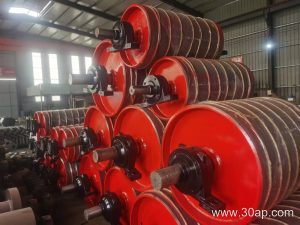
A 1600mm diameter conveyor pulley is a large-diameter drum used in high-capacity belt conveyor systems. At this size, it is typically employed as a drive pulley, head pulley, or discharge pulley where high torque and belt wrap are required. The 1600mm diameter refers to the outer shell dimension, and it is often paired with belt widths such as 1400mm, 1600mm, or 1800mm, though the exact match depends on the conveyor design. This pulley is not a tail pulley or a bend pulley; those serve different roles in the conveyor layout. A 1600mm diameter conveyor pulley is built for demanding material handling in sectors like mining, cement, and power generation.
Construction and Key Components
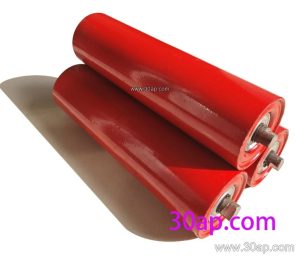
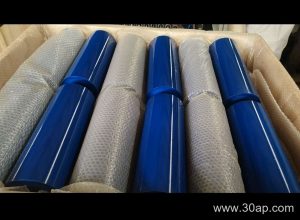
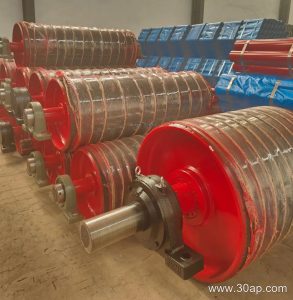
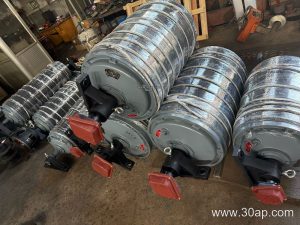
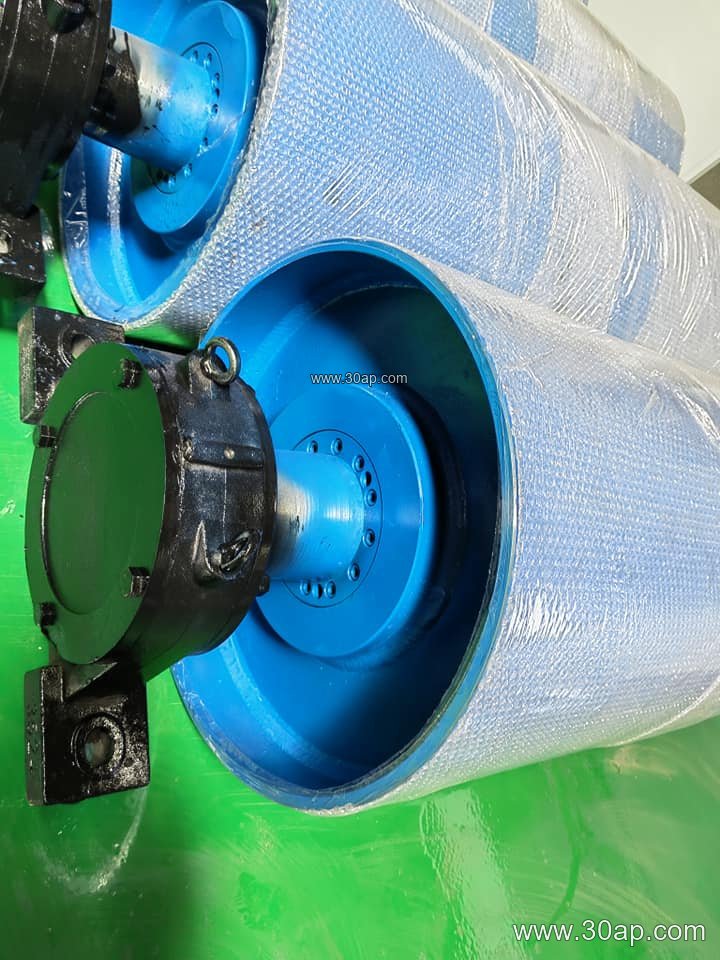
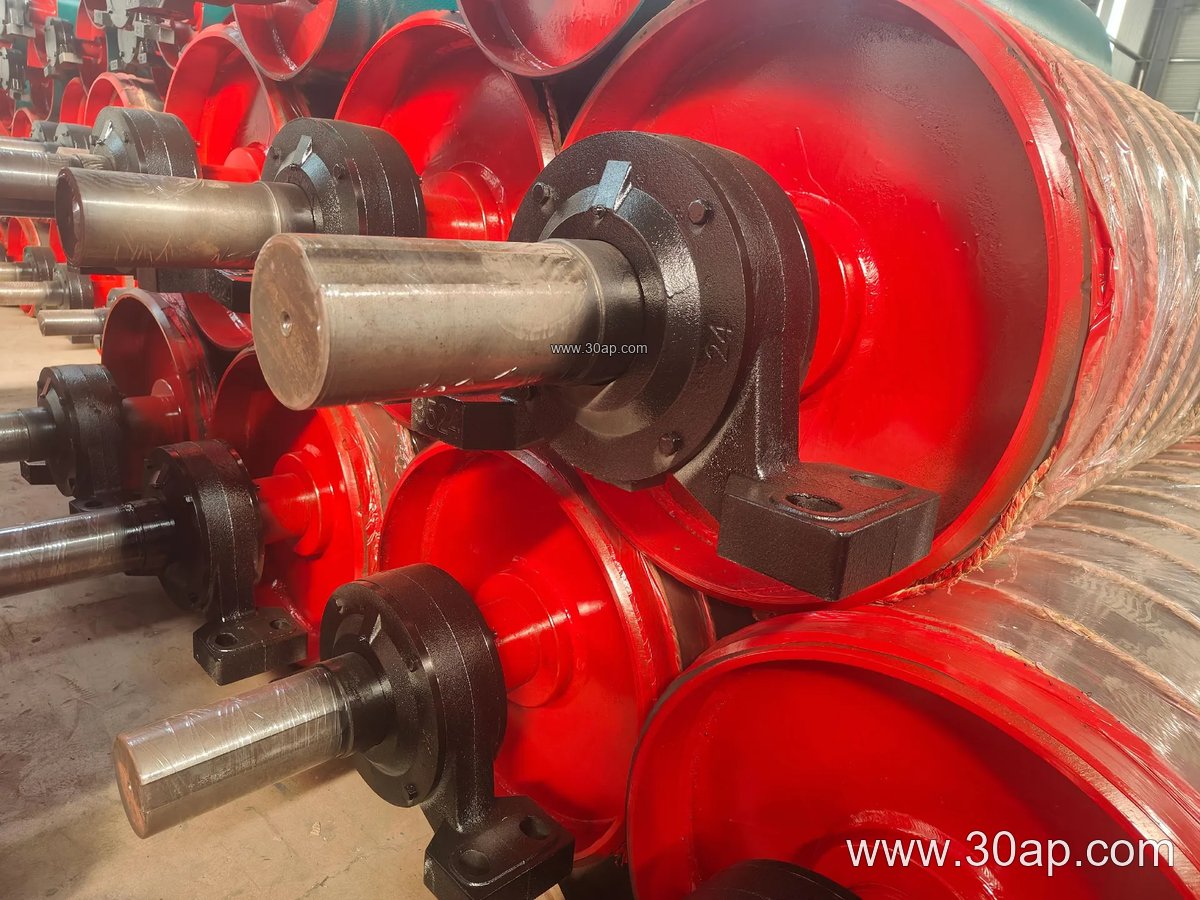
The pulley consists of a cylindrical shell, end discs, a shaft, and hub assemblies. The shell is usually made from rolled steel plate, with thickness selected according to the load and belt tension. For a 1600mm diameter unit, the shell may be machined or balanced to ensure smooth rotation. The shaft diameter is determined by torque and radial loads, not by belt width alone. Common shaft sizes for large pulleys range from Ø160 to Ø200, but final selection must follow the manufacturer’s engineering calculation. Surface options include plain, rubber lagging (cold-bonded or hot-vulcanized), diamond grooved, herringbone, or ceramic lagging. Lagging thickness is often 10, 12, 15, or 20 mm, chosen to improve grip and protect the shell. Bearings and bearing housings are mounted on the shaft ends, and the pulley is secured to the conveyor frame using conveyor brackets.
Where It Fits in a Conveyor System
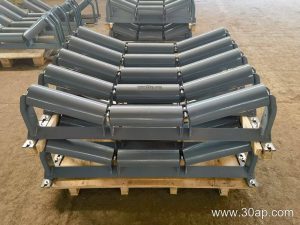
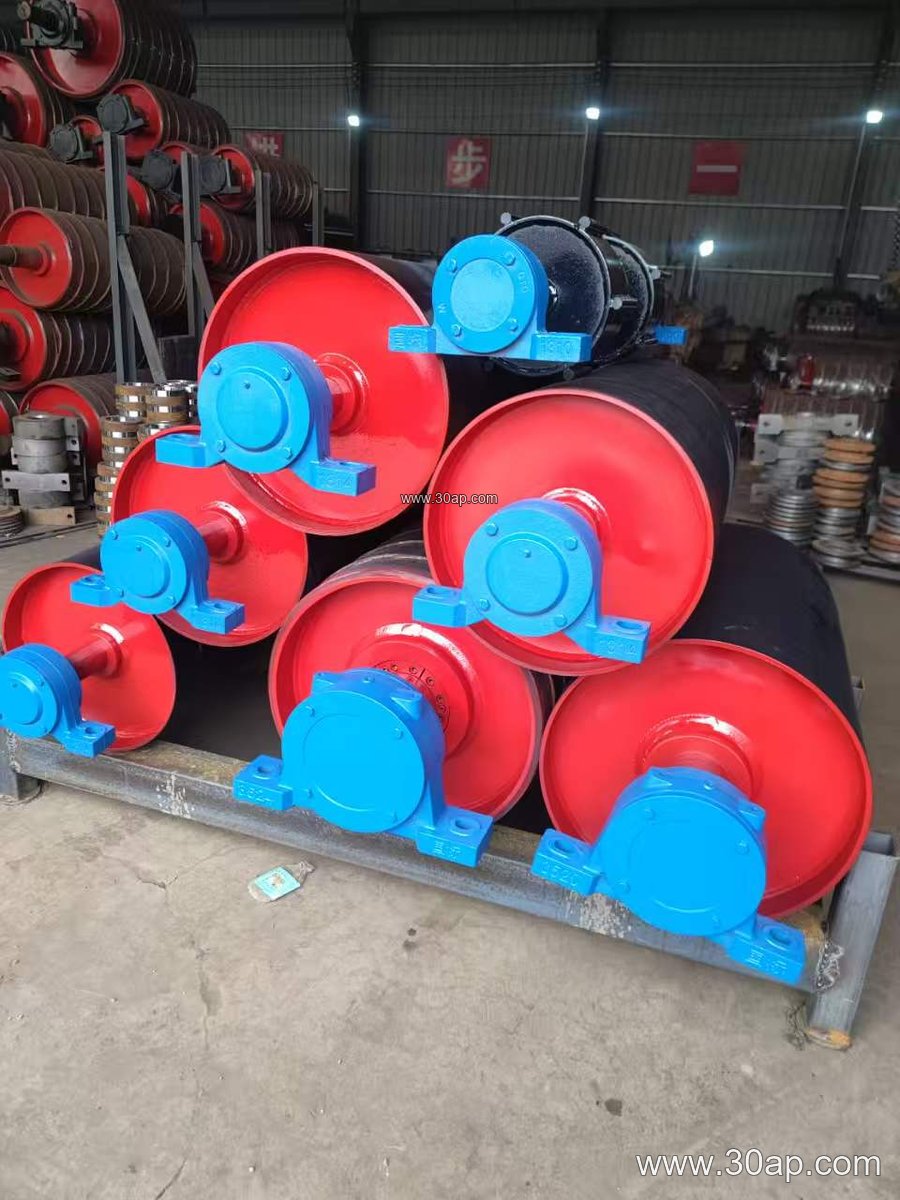
Large-diameter pulleys like the 1600mm unit are commonly installed at the head or drive position of high-tension conveyors. In a quarry or aggregate line, this pulley might drive a 1600mm wide conveyor belt carrying crushed stone. In a coal mining operation, it could be part of an underground mining conveyor belt system, though flame retardant conveyor belt requirements must be considered. The 1600mm diameter provides a large contact arc with the conveyor belt, reducing slip and improving power transmission. It also helps control belt tracking when combined with proper idler roller alignment. This pulley is not interchangeable with a bend pulley, which is smaller and used to change belt direction without driving.
Specification Considerations
When specifying a 1600mm diameter conveyor pulley, several parameters matter. The table below lists common reference values; actual values are determined by the conveyor design.
| Parameter | Common Reference |
|---|---|
| Diameter | 1600 mm |
| Belt width (typical) | 1400 mm, 1600 mm, 1800 mm |
| Shell length | Usually greater than belt width, e.g., 1800 mm for B1600 |
| Shaft diameter | Ø160, Ø180, Ø200 (by design) |
| Lagging thickness | 8, 10, 12, 15, 20 mm |
| Surface type | Plain, rubber lagging, ceramic lagging |
Note that a 1600mm diameter pulley can be used with various belt widths, and the belt width does not dictate a single pulley diameter. The shaft diameter must be calculated from the actual torque and load, not assumed from belt width.
Buying Advice
Buyers should first confirm the pulley’s role: drive, head, or discharge. A 1600mm diameter conveyor pulley used as a drive pulley needs adequate lagging for traction, while a plain surface may suit a non-drive application. Check the conveyor belt type: a steel cord conveyor belt or heavy-duty mining conveyor belt may require higher tension and a robust pulley design. Consider the environment—abrasion resistant conveyor belt in a quarry may demand ceramic lagging for extended wear life. Ensure the supplier provides a shaft load calculation and material certificates. Do not assume that a 1600mm pulley is mandatory for every high-capacity conveyor; smaller diameters may be suitable depending on belt speed and tension. Finally, verify mounting dimensions against the conveyor bracket and idler roller layout to avoid installation issues.
Maintenance and Longevity
Regular inspection of lagging wear, shaft alignment, and bearing condition extends pulley life. In cement plants or power plants, dust and heat can accelerate lagging degradation, so choose heat resistant conveyor belt and appropriate lagging where needed. Keep the pulley clean and monitor belt tracking to prevent edge damage. A well-maintained 1600mm diameter conveyor pulley can serve for many years in continuous bulk material handling.