What a 650mm Conveyor Belt Is
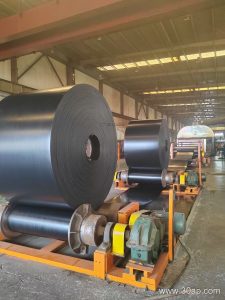
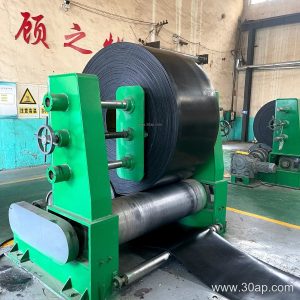
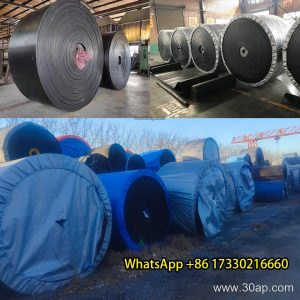
A 650mm conveyor belt is a belting product with a nominal width of 650 millimeters, usually written as B650 in specifications. It sits in the middle of the common width range, above 500mm and 600mm belts but below 800mm and 1000mm belts. This makes it a practical choice for medium-capacity conveying lines where the material load is moderate and the conveyor frame is not especially wide. In mining, coal preparation, cement plants, power stations, sand and gravel yards, and general bulk material handling, a 650mm belt often feeds crushers, screens, and transfer points.
The 650mm figure describes width only. It does not fix the belt type, tensile strength, cover grade, or the pulley and idler sizes used on the conveyor. Buyers should treat width as one part of a specification, not the whole specification.
Construction and Common Belt Types
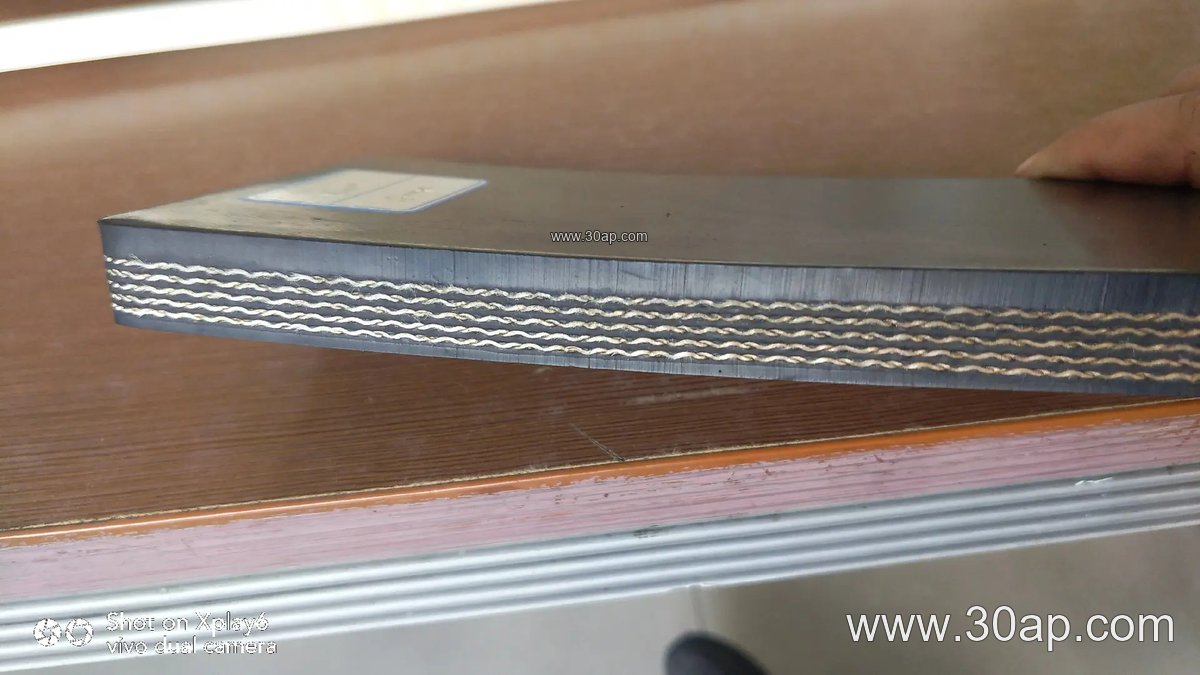
Most belts at this width are fabric-core constructions. An EP conveyor belt uses polyester warp and nylon weft, while an NN conveyor belt uses nylon in both directions. Multi-ply fabric core designs with two to six plies are common, and the number of plies, together with the fabric strength grade, determines the belt’s tensile rating. Steel cord conveyor belt constructions are also available, though they are more often used on longer, higher-tension systems.
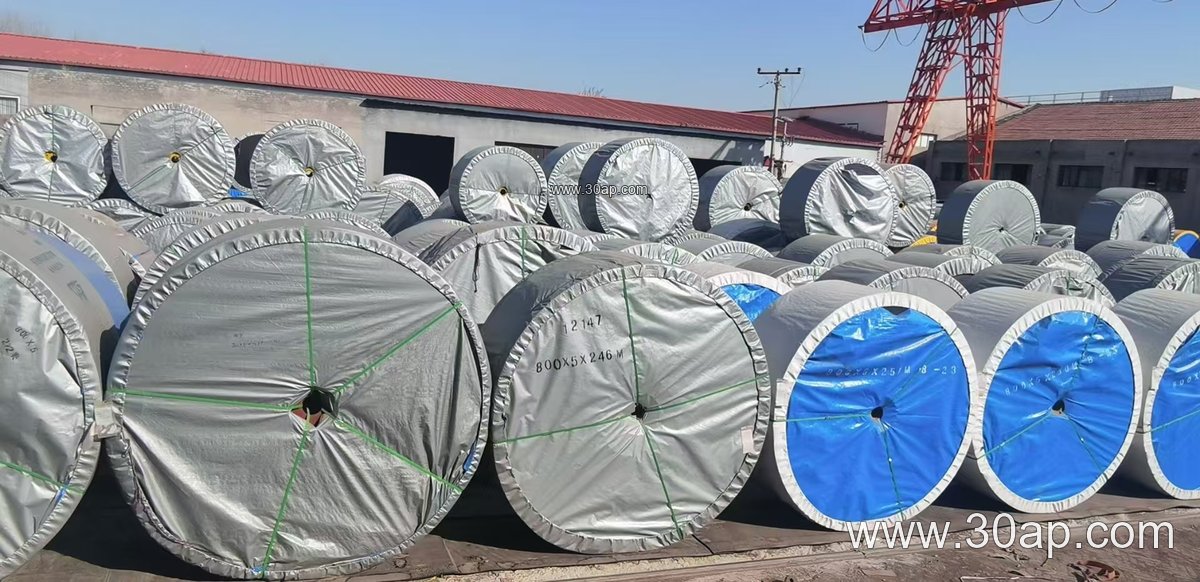
Cover rubber protects the carcass and carries the load. Typical cover thicknesses include 3+1.5 mm, 4+2 mm, 5+2 mm, and 6+2 mm, with heavier builds such as 8+3 mm for harsh duty. The cover compound is selected for the working environment:
- Abrasion resistant rubber for sand, gravel, clinker, and ore
- Heat resistant grades for cement, sinter, and power plant ash
- Flame retardant and anti-static grades for coal mining and underground work
- Oil resistant and chemical resistant compounds for industrial processing
- Cold resistant rubber for outdoor winter operation
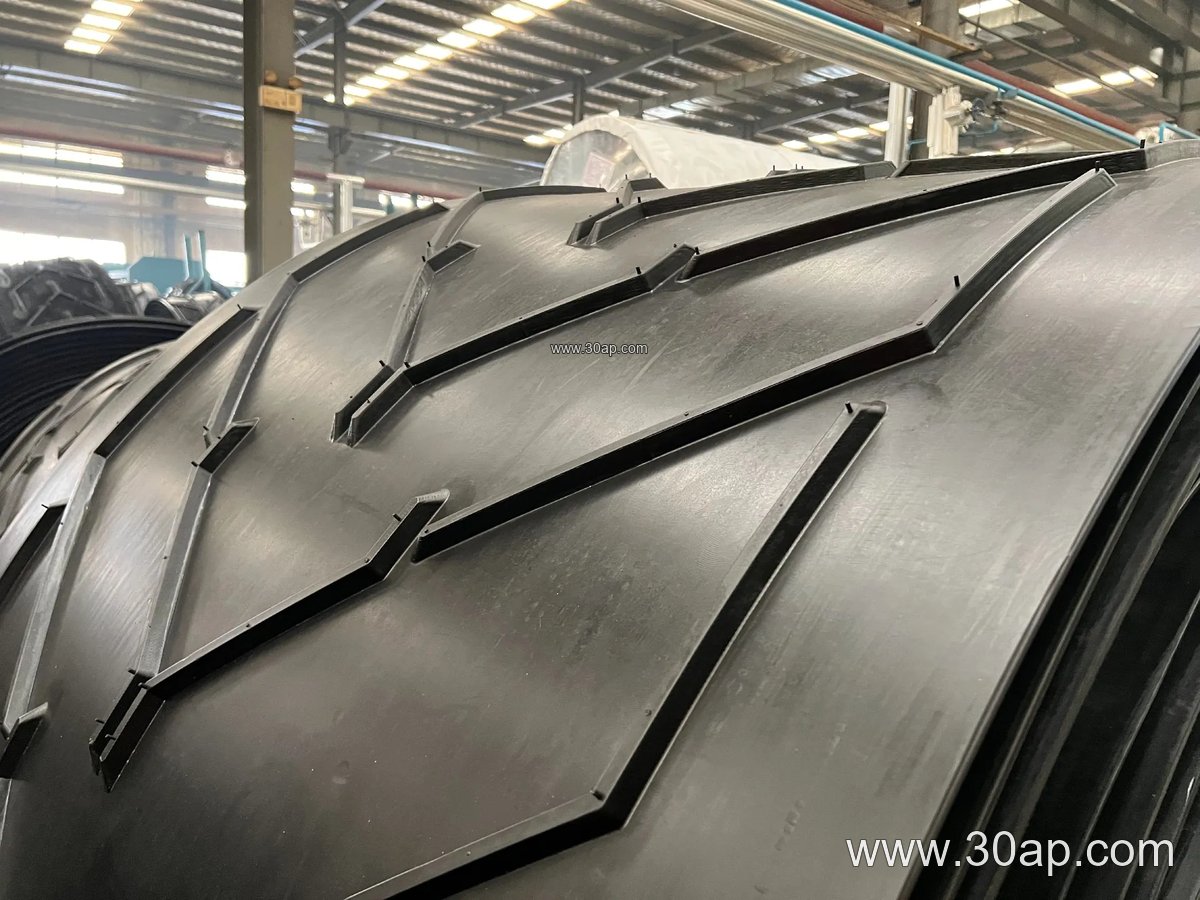
Special surface forms include chevron conveyor belt profiles for inclined haulage, corrugated sidewall belt with skirts for steep lifts, and pipe conveyor belt for enclosed transport. These are different constructions, not substitutes for a standard flat 650mm belt.
Where the B650 Size Fits
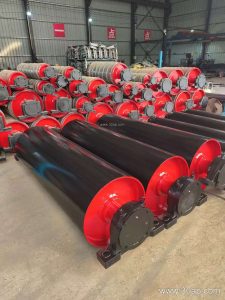
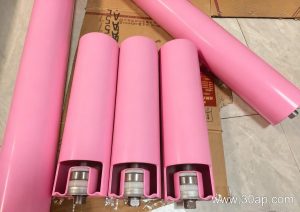
A 650mm belt is common on medium-duty troughed conveyors. It matches well with a 650mm wide conveyor pulley, three-roll idler sets sized for the belt width, and standard conveyor brackets. Material size matters as much as tonnage: a 650mm belt can handle reasonably coarse rock, but very large lump sizes may call for a wider belt and a larger troughing angle.
Typical applications include:
- Coal handling and underground mining conveyors with flame retardant belting
- Cement plant clinker and raw meal transport with heat resistant covers
- Quarry and aggregate lines feeding crushers and screens
- Power plant coal and ash handling systems
- Sand making and stone crushing plant discharge belts
Because the width is moderate, a 650mm belt is often chosen when a 500mm or 600mm belt would be too narrow for the required capacity, but an 800mm or 1000mm belt would add unnecessary cost and frame weight.
Specifications Buyers Should Confirm
The table below shows the kind of data a buyer should collect. Values are typical reference points, not universal guarantees; actual figures depend on the manufacturer and the conveyor design.
| Parameter | Common Options |
|---|---|
| Belt width | 650 mm (B650) |
| Belt type | EP, NN, multi-ply fabric core, steel cord where required |
| Tensile grade | EP200, EP315, EP400, EP500, EP630, EP800, EP1000 and higher |
| Number of plies | 2 to 6, by design |
| Cover thickness | 3+1.5, 4+2, 5+2, 6+2, 8+3 mm |
| Cover grade | Abrasion, heat, oil, flame retardant, anti-static, cold, acid resistant |
| Surface form | Flat, chevron, skirted, corrugated sidewall |
Also confirm the belt’s total thickness, edge condition, splice method, and whether an endless conveyor belt is required. The pulley diameter, shaft size, and idler spacing must be calculated from the belt tension and load, not from the 650mm width alone.
Installation and Maintenance Notes
Correct alignment matters more than many operators expect. Check that the drive pulley, tail pulley, and bend pulleys are square to the frame, and that idler roller frames are level across the belt path. A belt that runs off-center at 650mm width will wear its edges quickly and may damage the conveyor pulley lagging.
Inspect covers for cuts and exposed carcass, especially at transfer points where impact is heavy. Keep skirt rubber and sidewall sections in good condition to prevent material spillage. For coal mining and underground installations, verify that flame retardant and anti-static properties remain within the required range after splicing.
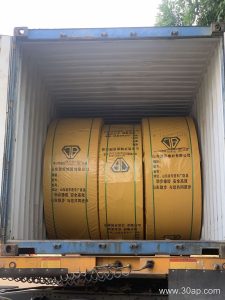
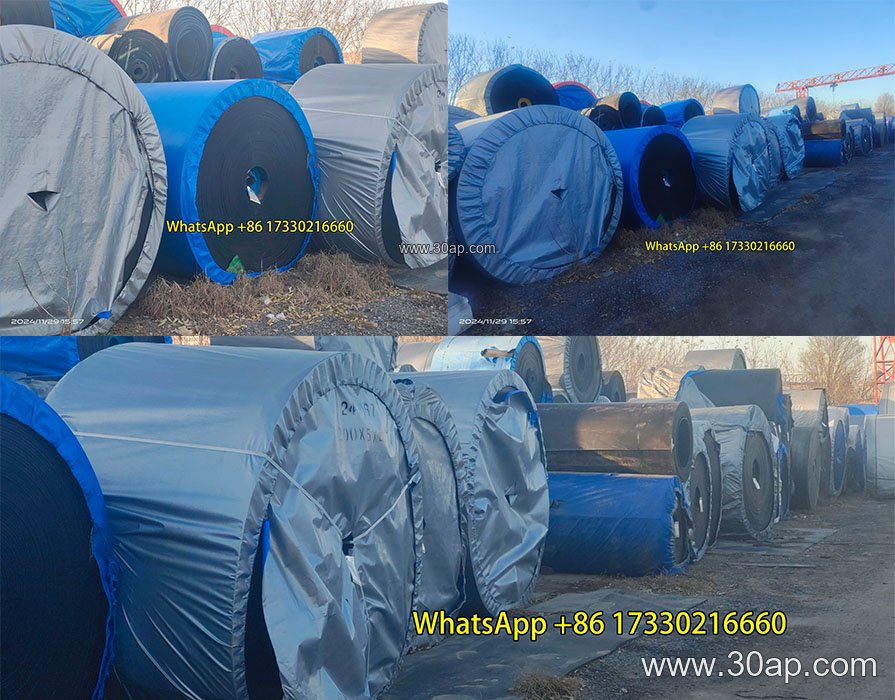
Store spare belting flat and away from direct sunlight, and record the belt’s grade and ply construction so replacement matches the original design.